


The Pentagon is increasingly concerned about U.S. offensive weapons stockpiles amid the high expenditure rates seen in operations against Iran, which appear far from a resolution. Internal discussions are ongoing within the Department of War on how to sustain combat capability under conditions of intensive missile and munitions consumption.
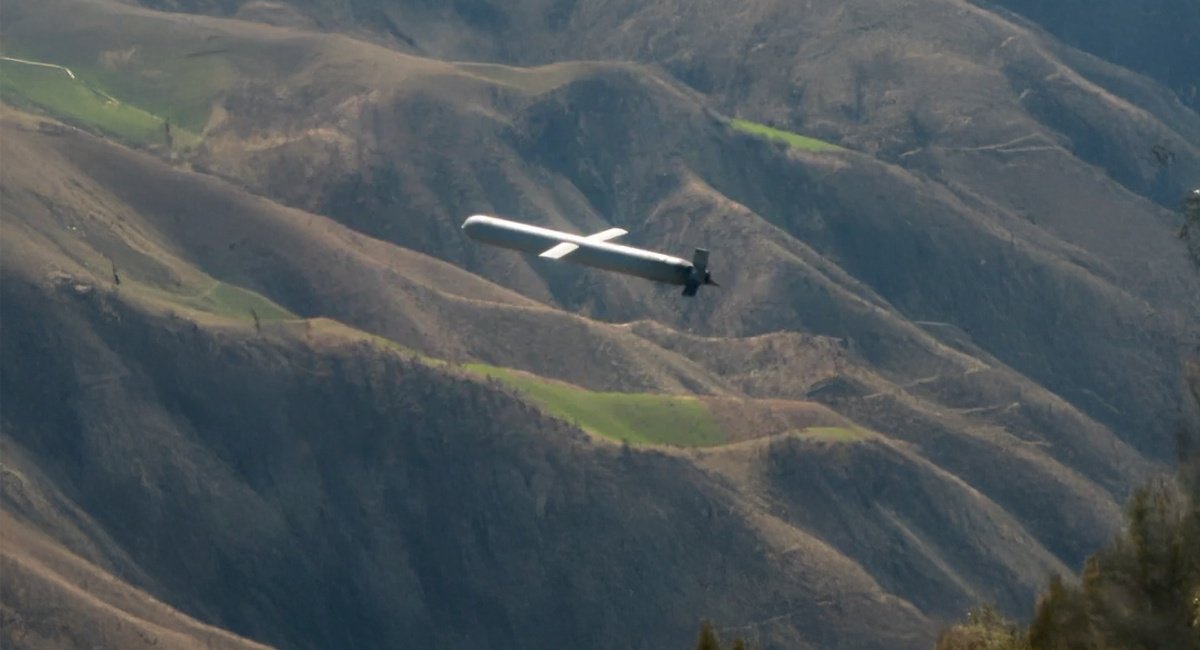
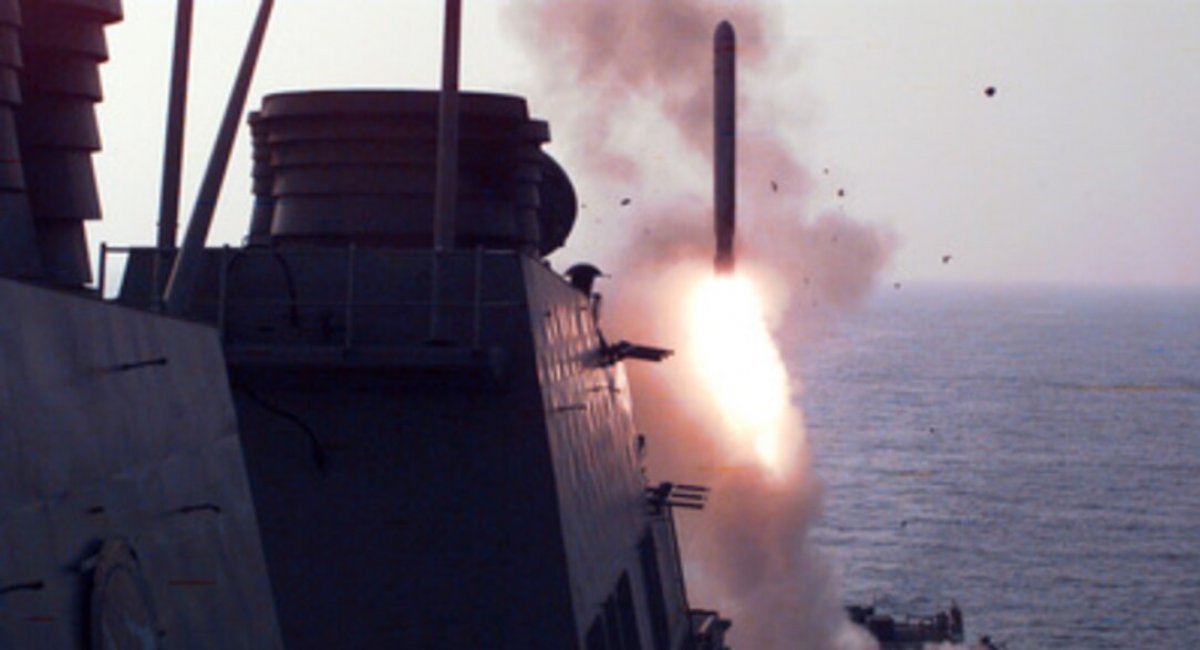
According to The Washington Post, over four weeks of conflict with Iran, U.S. forces launched more than 850 Tomahawk cruise missiles, averaging roughly 30 per day. At this rate, Pentagon officials are assessing not only the impact on Operation Epic Rage, but also the implications for future U.S. military operations.
Read more: U.S. Deploys GARC Unmanned Boats Against Iran for the First Time, but Only for Patrol Missions
Officials describe current stockpiles of these missiles as "alarmingly low." However, two key factors define the overall assessment: the total number of Tomahawk missiles available before the conflict and current production capacity.
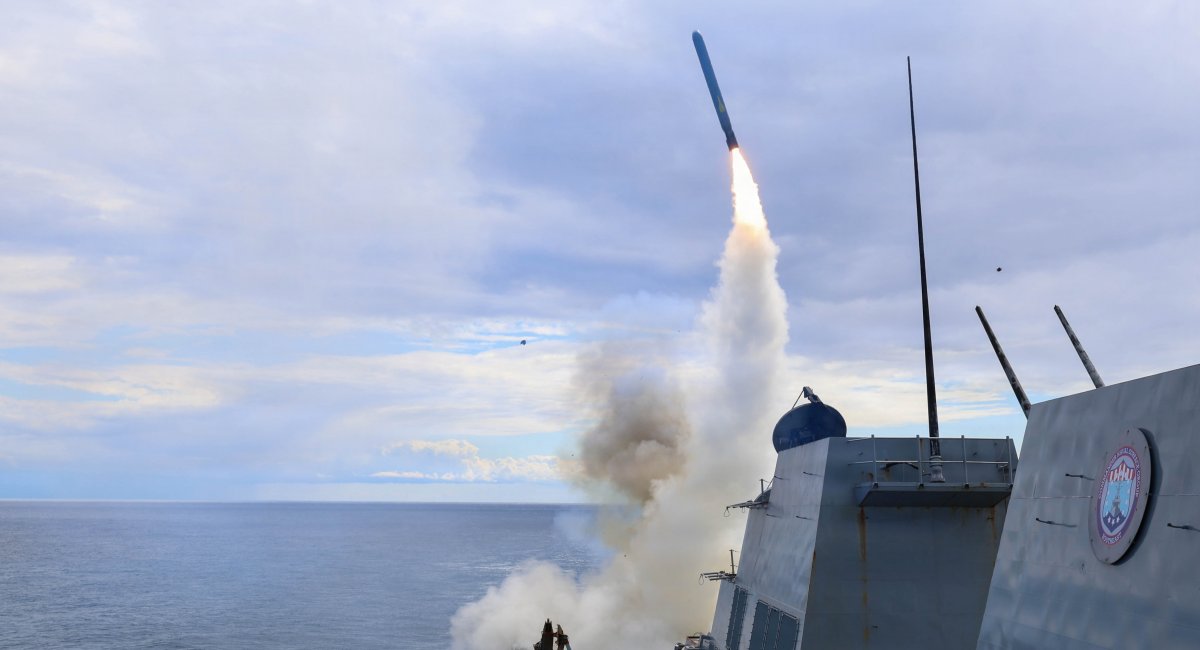
As official stockpile figures are not publicly disclosed, estimates vary. More pessimistic assessments suggest approximately 3,000 to 3,100 missiles, while more optimistic estimates place the figure at 4,000 to 4,500.
Even under the more optimistic scenario, the U.S. Navy has expended roughly one-fifth of its total stockpile in less than a month. Earlier, Defense Express assessed how long U.S. stockpiles would last under sustained strike rates. For Tomahawk missiles, assuming an initial inventory of 4,000, depletion could occur as early as mid-June under similar operational intensity.
Missile usage is not evenly distributed over time. The highest expenditure typically occurs during the initial phase of a campaign, after which the rate declines. Under such conditions, stockpiles may last longer. However, the broader conclusion remains that U.S. forces could reduce their inventory of long-range Tomahawk cruise missiles to near zero within three to four months, or at most within half a year.
Another major uncertainty is the production capacity of Raytheon. In recent years, procurement and output have been relatively low, with 68 missiles produced in 2023, 34 in 2024, and planned production of 22 and 57 missiles in 2025 and 2026, respectively. At the same time, according to analyst Colby Badhwar, production could potentially be scaled up to around 600 Tomahawk missiles per year.
In February, a framework agreement was signed with Raytheon to increase production to more than 1,000 missiles annually by 2033. However, this timeline and volume are considered insufficient by Washington. The key challenge remains how to rapidly scale up production multiple times.
Even with increased output, current consumption trends show that the U.S. Navy is expending the equivalent of annual production in just over a month during operations against Iran. This raises even greater concerns when considering a potential high-intensity conflict with a peer adversary such as China.
Earlier, Defense Express reported on a simple, but effective method identified by the United States to counter Iranian ballistic missiles in underground tunnels.
Read more: U.S., Israel Will Burn Through Blue Sparrow, ATACMS, Delilah Stocks by April at Current iran Strike Pace — RUSI Analysis