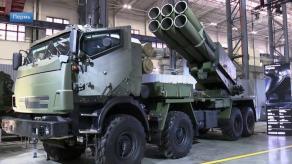



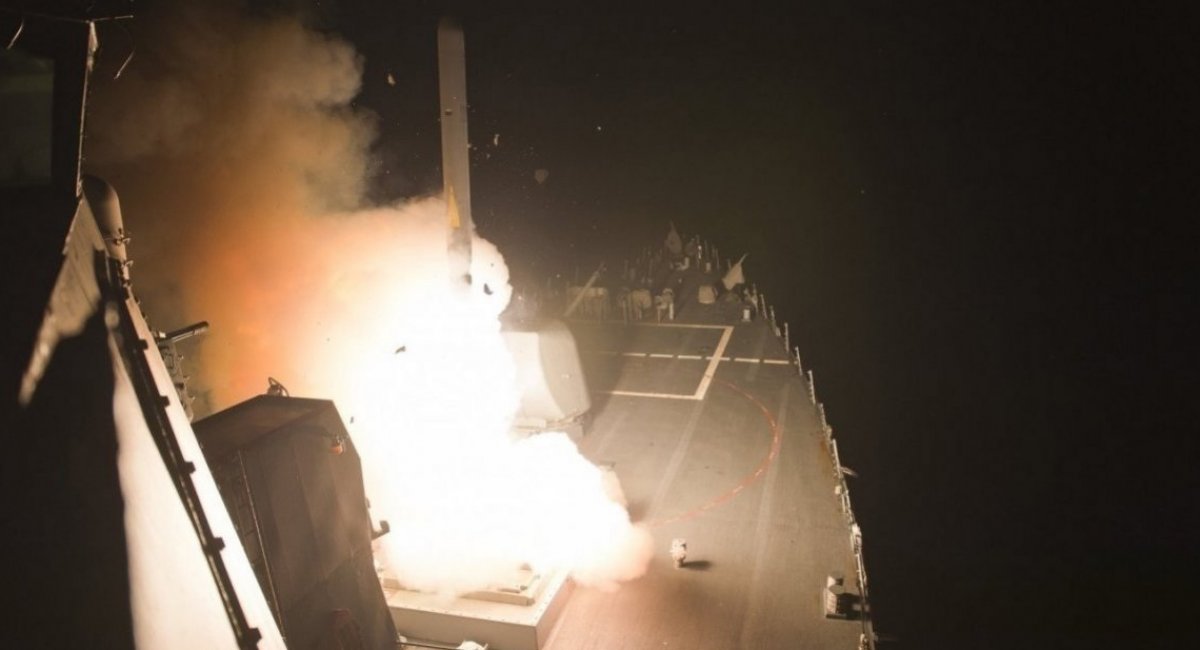
Timely munitions stockpile replenishment, increased production rates for both defensive and offensive weapons, and work on cheap countermeasure and strike assets an important list of tasks for modern defense-industrial complex. These problems first emerged after russia's full-scale invasion of Ukraine, and now the war in iran has clearly underscored them, when weapons stockpiles used in mere days will take months or even years to restore.
Authoritative analytical center RUSI published interesting material in which it thoroughly examined expenditures of various U.S., Israeli and allied munitions in the war against iran.
Read more: U.S. Air Force Praises New Low-Cost Cruise Missiles, From Concept to Contract in Just Four Months
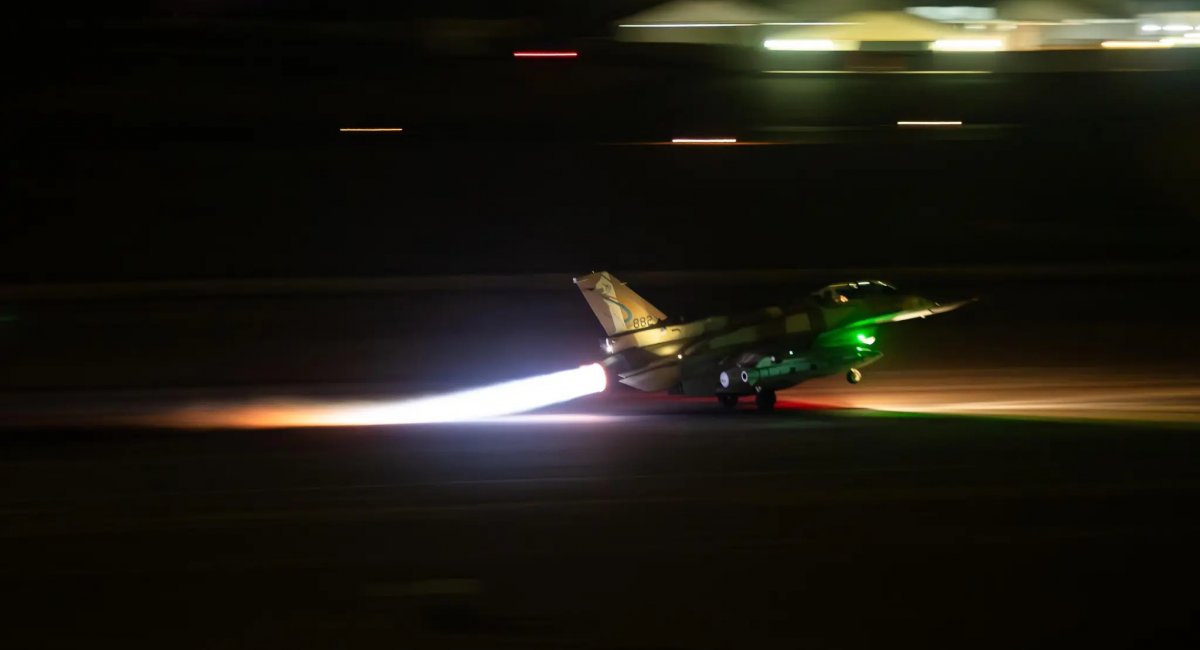
Previously we already reported which interceptor stocks thinned most, and in this material we will discuss offensive weapons in the context of expenditures, as well as how much longer various strike assets will last to destroy the regime in iran at the same pace, as this was defined as one of the operation's main goals.
As last time, recall the study evaluates data from the first 16 days of war in iran, meaning as of today indicators may already be much higher.
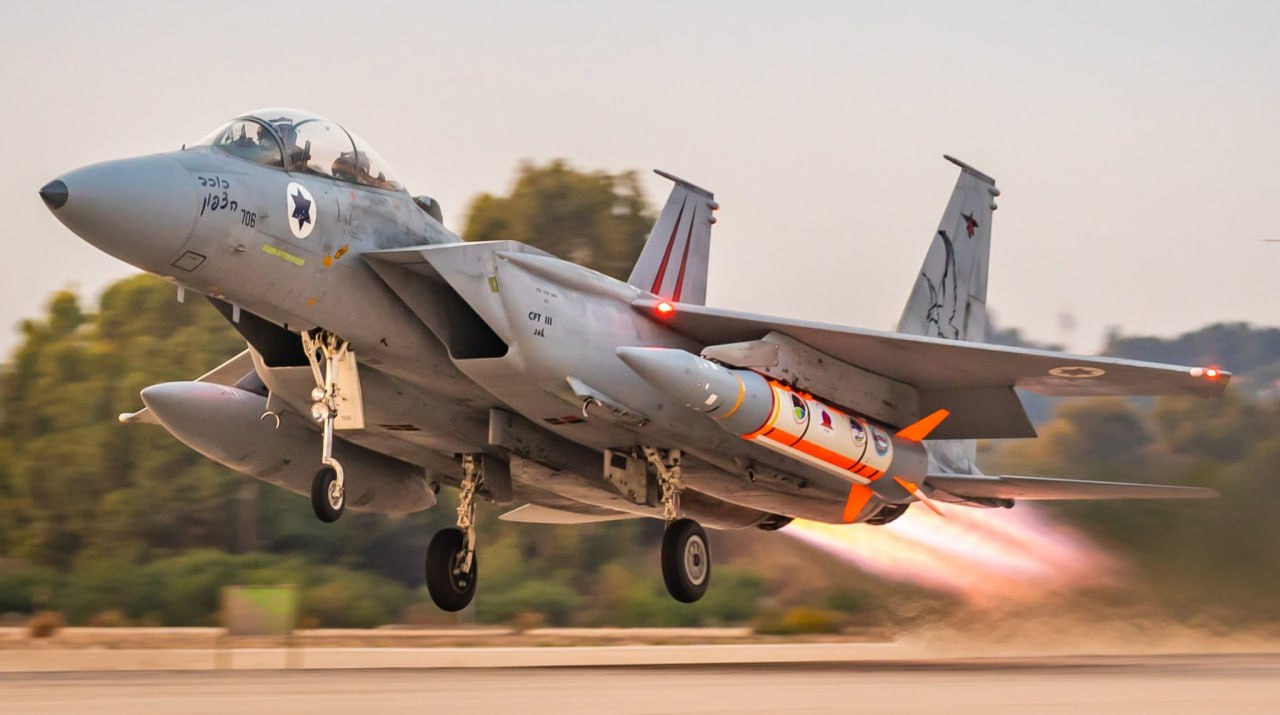
Overall it turns out that if the U.S. with Israel continue bombing iran at the same pace, they will run out of stocks by April of aeroballistic Blue Sparrow missiles (over half, 56 of 100); Rampage missiles created from EXTRA surface-to-surface missiles (244 of 500), ATACMS and PrSM ballistic missiles (320 of 700), Popeye Turbo/Crystal Maze II air-to-surface missiles (120 of 300); Delilah cruise missiles/loitering munitions (160 of 500).
This is, so to speak, the first and most risky category where the most critical positions are presented. However, not exactly a very good picture develops in the second category, which highlights weapons whose stocks will end in May-December this year. This is AGM-158 JASSM/JASSM-ER (912 of 3500); Spice-2000/1000 guided bombs (900 of 4000); Tomahawk cruise missiles (535 of 3200); AGM-158C LRASM anti-ship missiles (55 of 440); cheap strike drones like LUCAS/Scorpion (520 of 5000); Israeli JDAM stocks (551 of 8000).
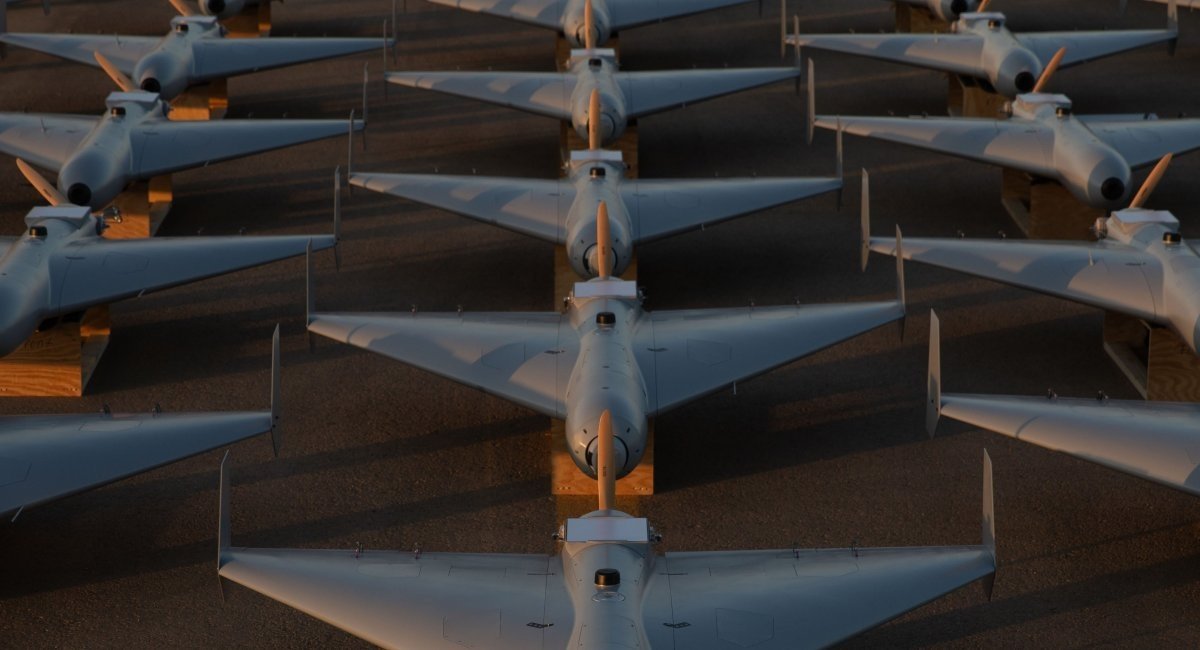
Finally, a range of munitions will last longer. For example, AGM-88 HARM/AARGM-ER, until January 2027, until May next year AGM-154 JSOW. In 2029 AGM-144 Hellfire stocks will end, in 2030 GBU-39 SDB and JDAM, and only in 2033 GMLRS/GMLRS-ER. Again, not that the U.S. or Israel expends fewer of these munitions compared to others simply their stocks are larger.
Another important thing worth mentioning when analyzing munitions expenditure is specifically strike effectiveness assessment. At least as of today, despite U.S. ultimatums to iran including desire to halt the country's nuclear program, Tehran at least publicly agrees to no concessions, putting forward its own demands in turn complete halt of attacks on the country, security guarantees, and so on.
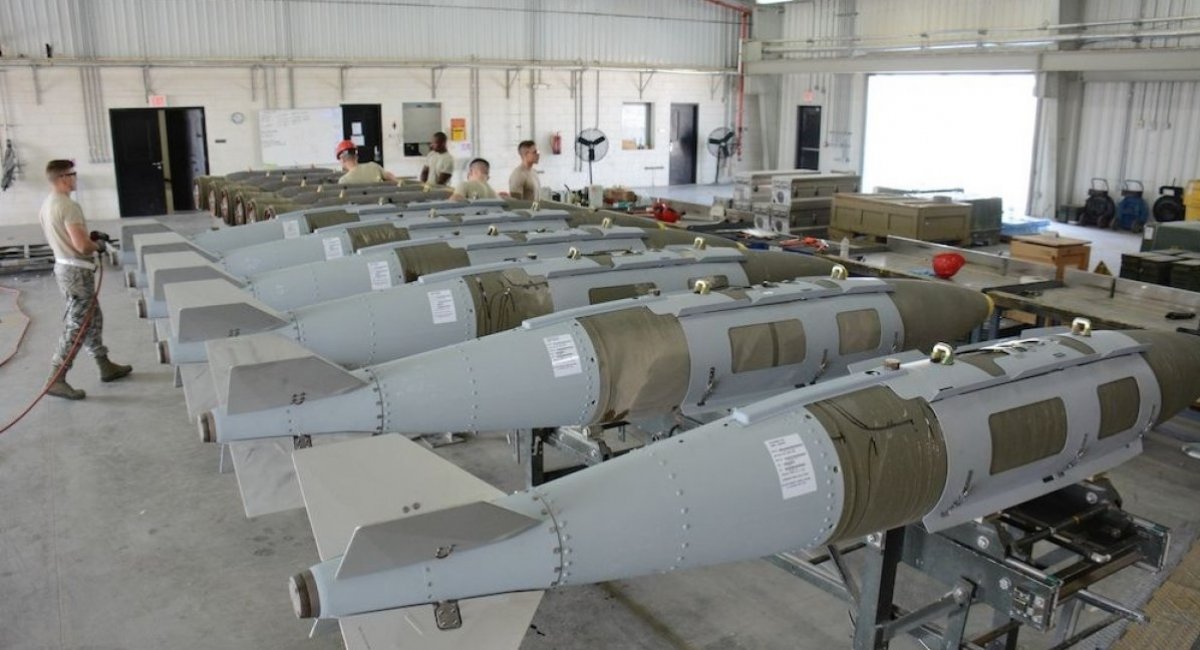
Nevertheless, the American and Israeli campaign has some effect, specifically significant thinning of iranian fleet, air defense, and so on. At the same time, given preparation for combat operations of elite 82nd Airborne Division, the U.S. will hardly finish the war against iran soon.
Read more: MBDA to Boost Missile Production by 40 Percent, Expanding Storm Shadow, Mistral, and Aster Output