


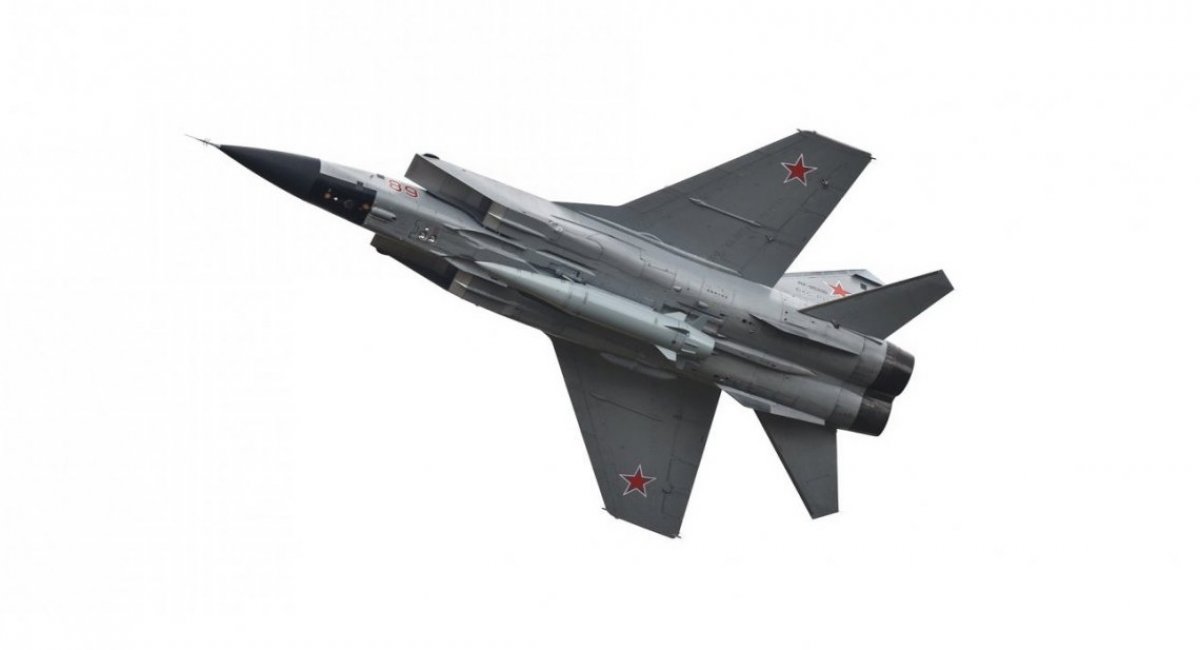
Soldiers of the Night Watch EW unit described these improvements to U.S. military journalist David Axe.
In his article for the Trench Art blog, Axe highlights an unusual detail: the Kinzhal missile is jammed using the patriotic song Our Father Bandera, transmitted through the upgraded Lima system. Over the past two weeks alone (likely from 27 October to 9 November), 12 russian aeroballistic missiles were launched and in one salvo, all six missed their targets.
Read more: Which of Ukraine's Neighbours Has Set Its Sights on the "Baguette" Anti-Drone Missile and Plans to Produce 10,000 a Year?
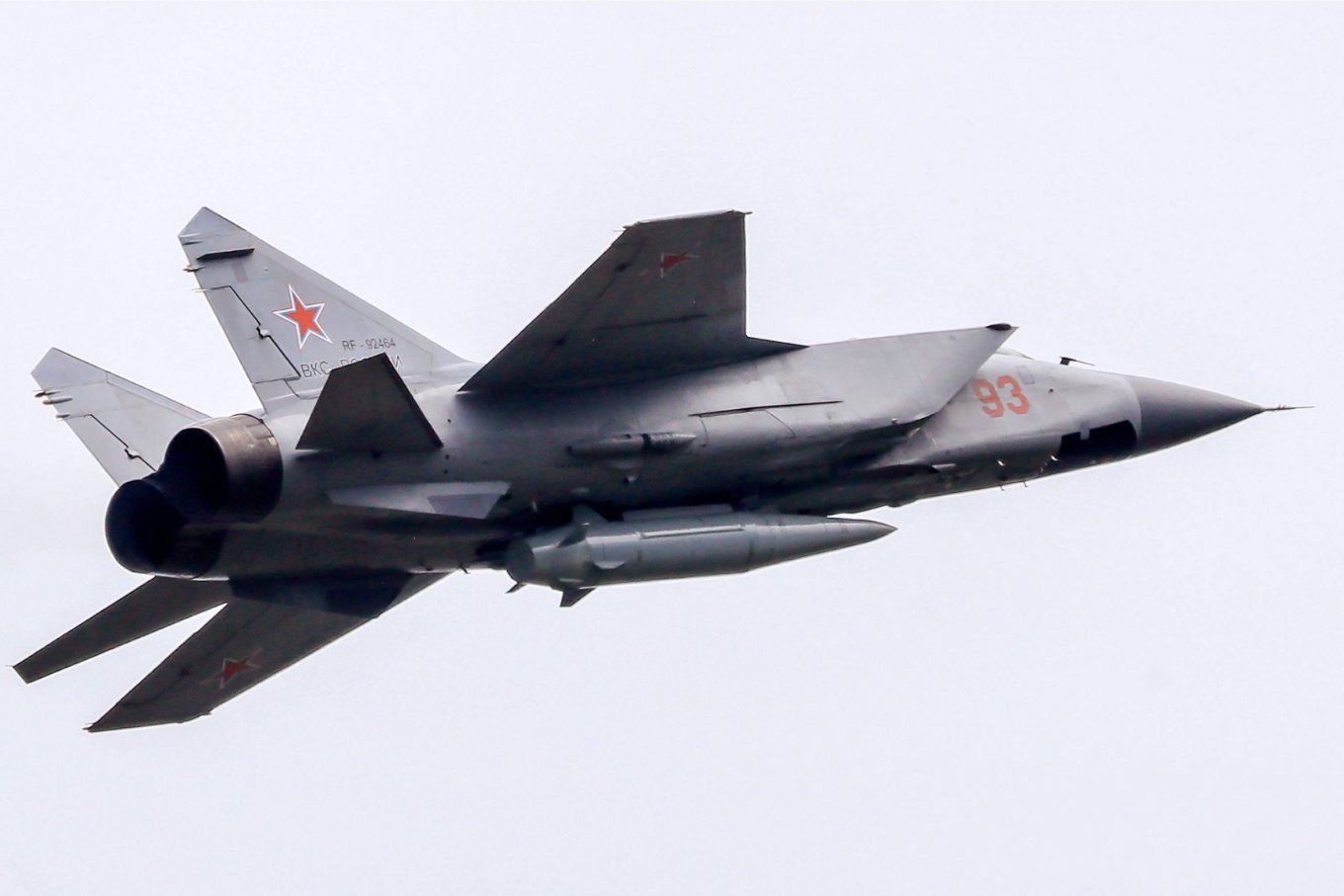
"Approaching a Ukrainian city or power plant, the Kinzhal "hears" a battle hymn instead of its normal signals. Confused, the missile veers off course and crashes, potentially hundreds of meters from the target," the article states.
Naturally, the effect does not come from the song itself. As the publication notes, any signal — even white noise — would work. The song is simply a symbolic choice. What actually matters is that the upgraded Ukrainian EW system disrupts the Kinzhal's navigation, robbing the missile of accuracy. Satellite images of the area around the Starokostiantyniv airfield — showing numerous craters left by russian missiles that missed — were cited as evidence.
A Russian military correspondent has published satellite images from the Starokostiantyniv area. The photos reveal craters from missiles that failed to hit their intended targets — in some instances, the deviation of the Kinzhal missiles reached up to 144 meters,… pic.twitter.com/yluCucJVs4
— NSTRIKE (@NSTRIKE01) November 10, 2025
The article also stresses that jamming the Kinzhal missile is far from simple. The missile uses an eight-element anti-jam satellite navigation receiver. It also employs radar guidance in the terminal phase and an inertial navigation system during mid-course flight.
From the perspective of Defense Express, it is worth recalling that the Night Watch EW unit has appeared in the public domain before, consistently demonstrating strong and effective performance. In September last year, part of its work suppressing Shahed and Geran drones was publicly shown.
It is also known that the Lima EW system is actively used to interfere with so-called glide bombs (KABs), which means it can counter CRPA-type antennas such as Kometa-M. And according to Axe's article, the Lima system — valued at roughly $1.2 million — has the capability to jam the Kinzhal's navigation channels.
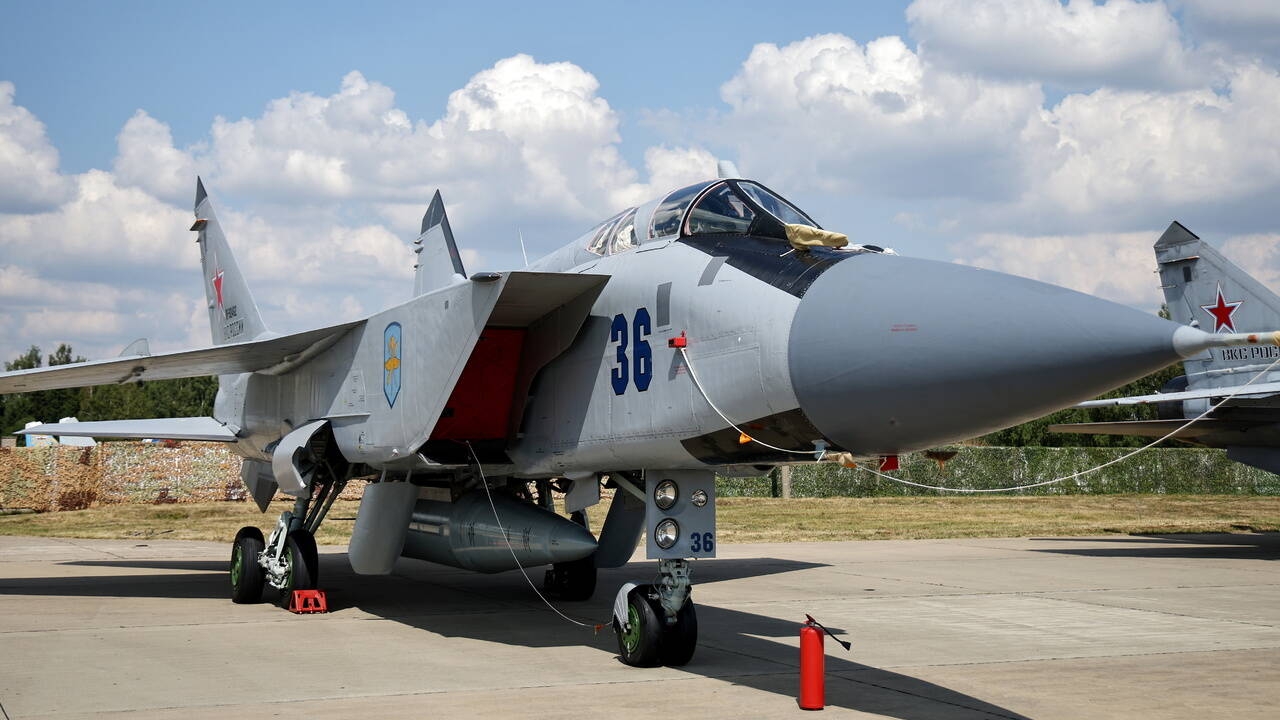
To achieve this, engineers first had to increase Lima's range, specifically its effective coverage by altitude, because the Kinzhal missile travels through the upper layers of the atmosphere. They also had to interfere with the missile's radar seeker, meaning they were working directly against a missile in its terminal attack phase. If these two navigation channels are suppressed, the Kinzhal is left only with its inertial guidance system, the accuracy of which degrades with distance due to accumulated error.
It is therefore entirely plausible that Ukrainian EW systems now have sufficient power to disable the Kinzhal's satellite navigation and then blind its radar seeker, resulting in a substantial miss.
However, EW effectiveness also depends on how long the target remains under jamming. This is why a Kinzhal — flying more than 500 km over Ukraine at an altitude of about 20 km — may be technically easier to jam than an Iskander ballistic missile, which flies roughly 300 km and follows a much steeper trajectory.
The article also notes that russia is aware of its missiles' declining accuracy and understands the reasons behind it. According to fighters from the Night Watch unit, russia will need 3–4 months to update the Kinzhal's systems. This gives Ukrainian engineers the same amount of time to upgrade their EW systems.
Read more: russia's Osa SAM System Footage Suggests russia Is Depleting Its Stock of Surface-to-Air Missiles Amid Ukraine's Drone Surge