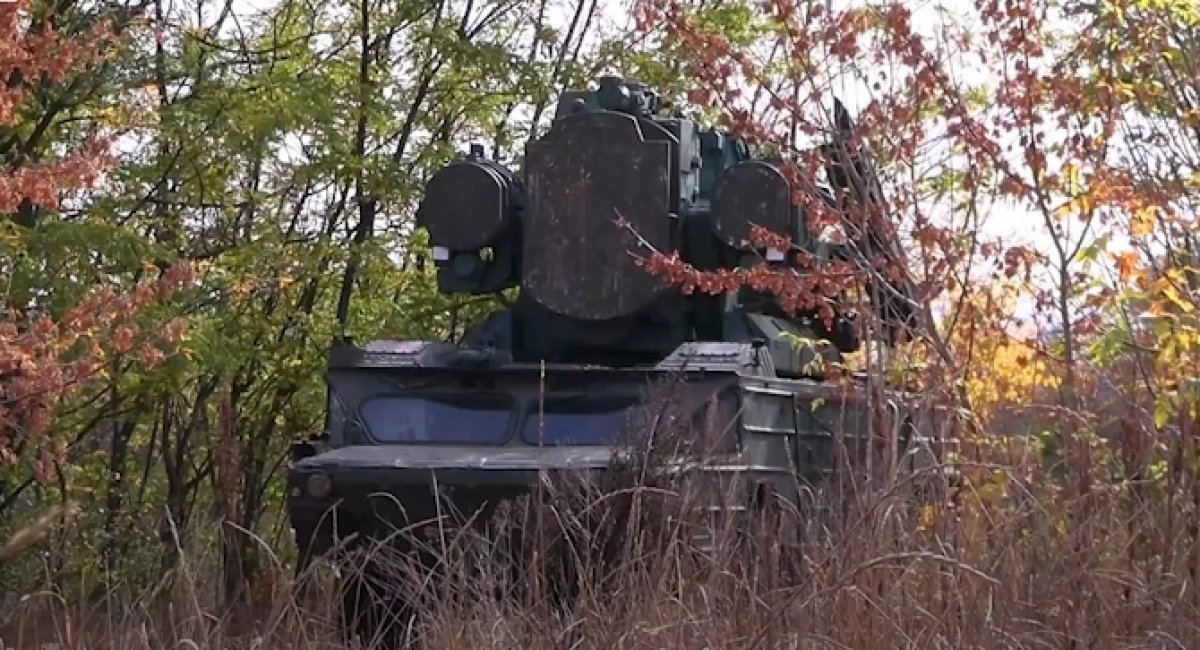
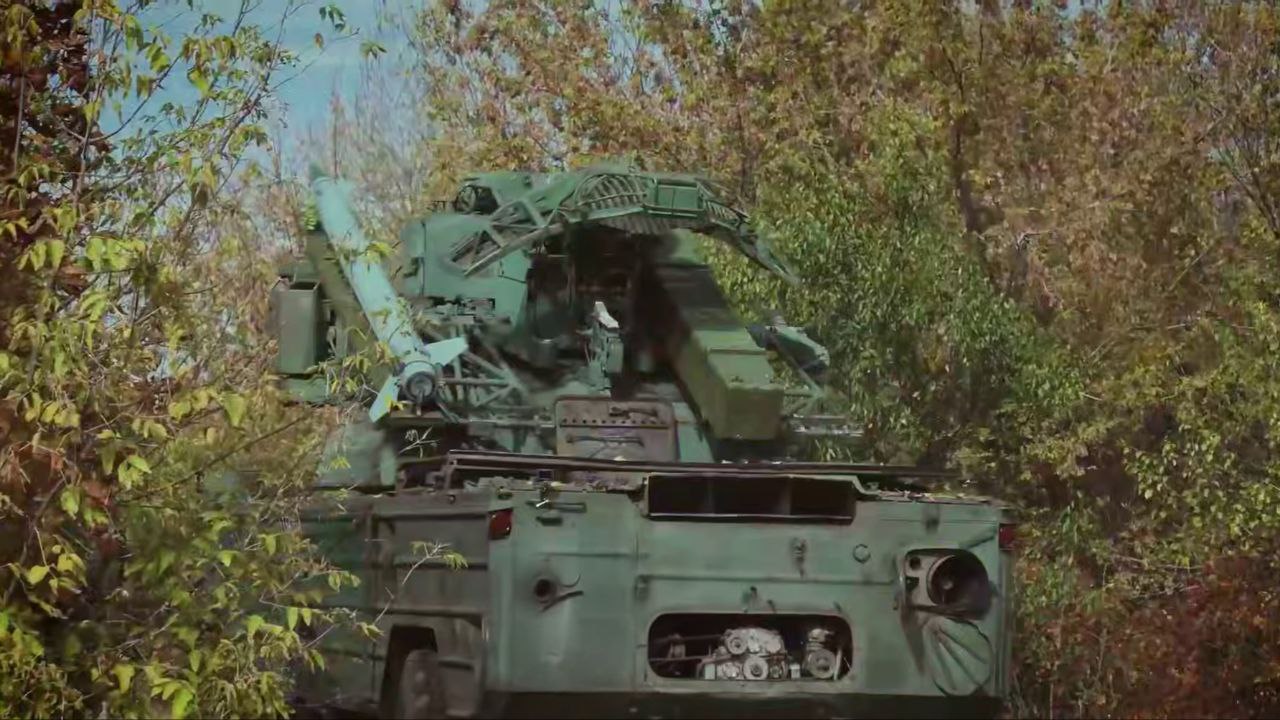
russian military bloggers published footage of a combat-ready 9K33M3 Osa-AKM loaded with aging 9M33 missiles from the original 9K33 Osa instead of the standard 9M33M3 used on the Osa-AKM.
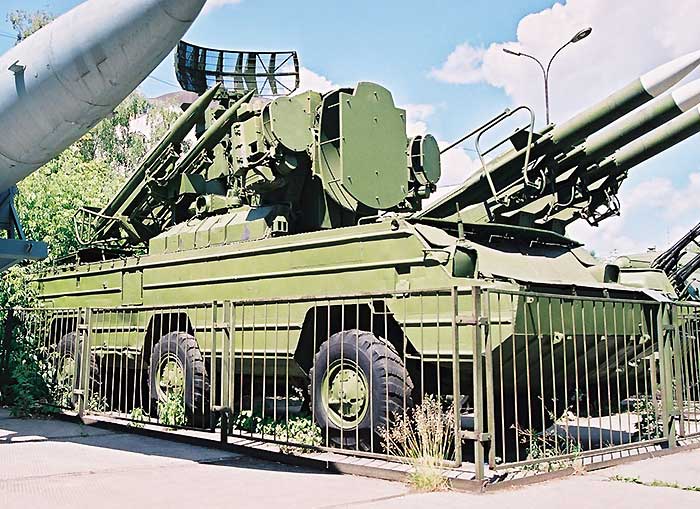
To understand the implications, it is worth recalling the system's modernization history. Serial production of the 9K33 Osa began in 1970. In 1975, the system was upgraded to the 9K33M2 Osa-AK, which introduced a redesigned launcher and increased the missile load from four to six.
Read more: Ukraine’s Military Are Already Using VPR-20 - One More Domestic Rocket-propelled Thermobaric System
This upgrade also brought new 9M33M2 missiles that replaced the earlier 9M33s. These newer missiles were stored in transport-launch containers (TPCs) and required a different mounting interface.
A subsequent upgrade followed in 1980, when the system became the 9K33M3 Osa-AKM. This variant adopted improved 9M33M3 missiles equipped with a modernized proximity fuze and updated electronics, offering better performance against aerial targets, especially helicopters.
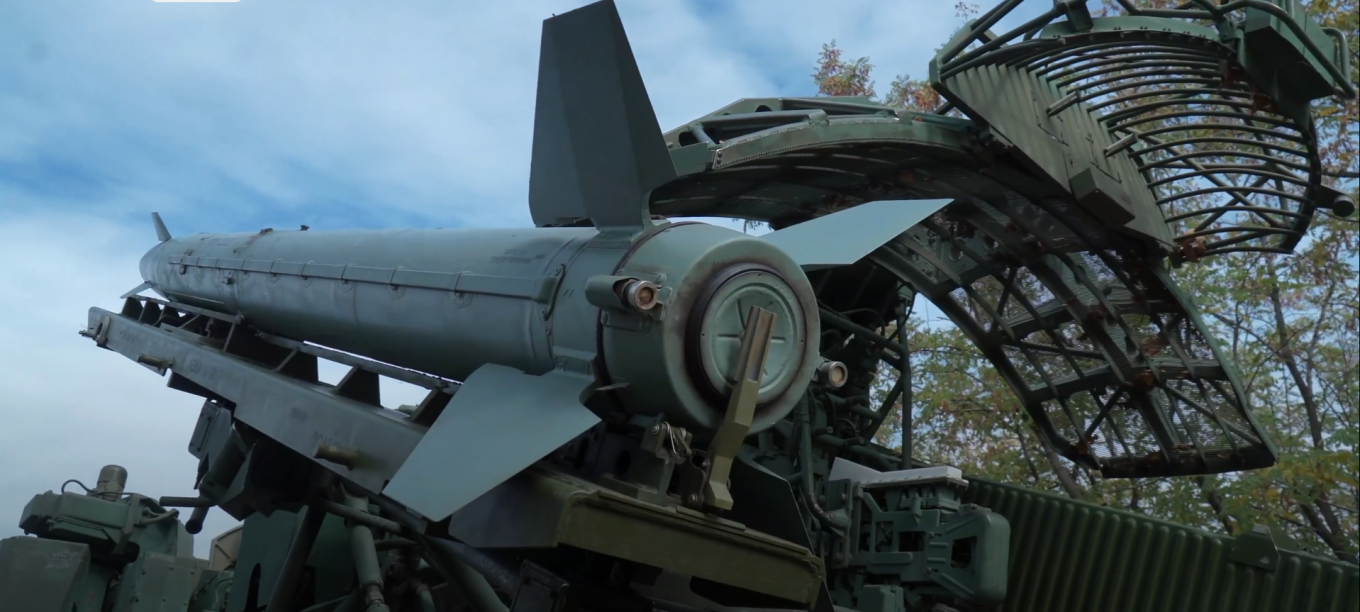
This brings us to the current development: russian forces have installed the much older 9M33 missiles—two generations behind and designed to be carried without a TPC—onto the Osa-AKM, which is not intended to use them.
To make this possible, they appear to have salvaged the original 9M33 mounting brackets from an old 9K33 Osa and bolted them directly onto the Osa-AKM launcher. This improvised modification likely required minimal software adjustments, if any.
Photographs show an old 9M33 mounted on the left launcher, while the right launcher still carries a missile in a TPC, meaning a 9M33M3 or 9M33M2.
This reintegration of legacy 9M33 missiles likely points to dwindling stocks of the newer variants. There is no publicly available information confirming ongoing production of the 9M33M3.
If production does continue, this adaptation suggests that Ukrainian drones are now so numerous that russia cannot produce interceptor missiles quickly enough to replenish stocks.
Although this configuration of the Osa is no longer in frontline service, russia should still possess substantial reserves of 9M33 missiles in usable condition. The naval Osa-M variant, deployed on several russian warships, also relies on them.
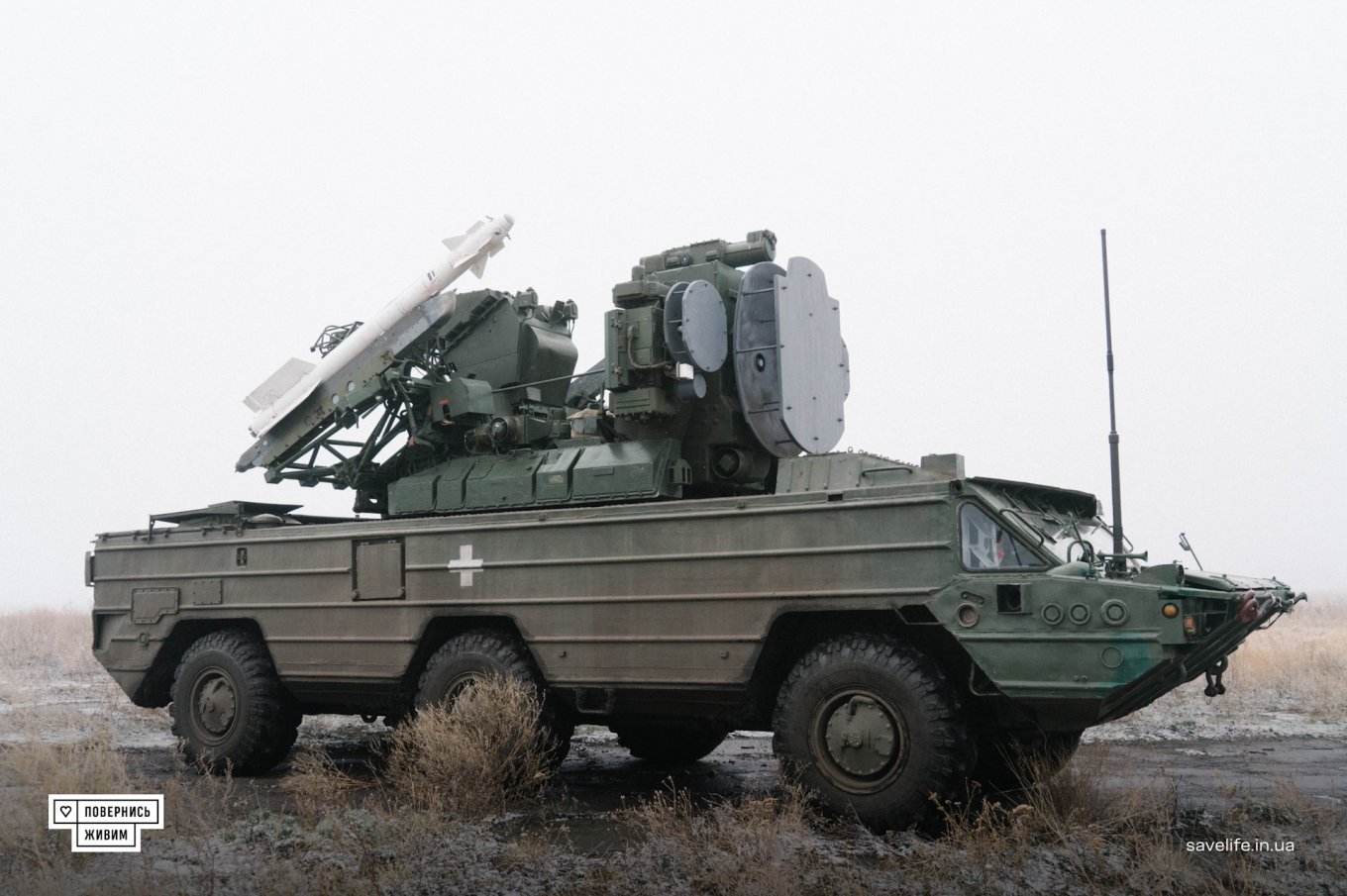
Recalling Ukraine's own experience with the Osa, it is worth noting that Ukrainian forces previously integrated R-73 air-to-air missiles onto the system—a far more complex modification, also driven by missile shortages, but significantly more technically demanding than the improvisation now seen on the russian side.
Read more: Drones Attacked Ryazan Again This Night - One of the Largest russian Oil Refineries Was Probably Hit