


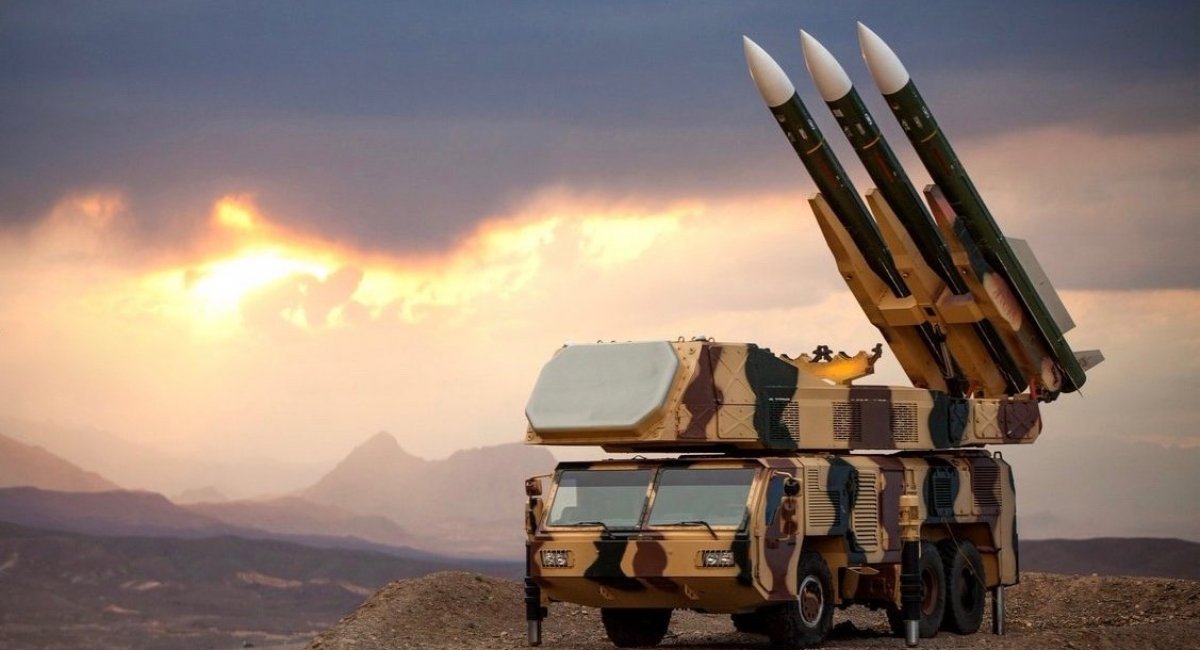
On Saturday, February 28, Israel and the United States launched joint airstrikes on Iran. Amid the geopolitical debate, one key question emerges: how strong is Iran's air defense network, and is it actually capable of resisting technologically superior Western aircraft and missiles?
Understanding Iran's air defense structure can be complicated due to its intricacy. Public data often mixes batteries, launchers, and fire units, while official reporting blends prototypes and operational systems. Still, using available open-source information, Defense Express is breaking the system down in chronological order - from long-range to short-range.
Read more: U.S., Israel Strike Iran – What Is Unusual Here
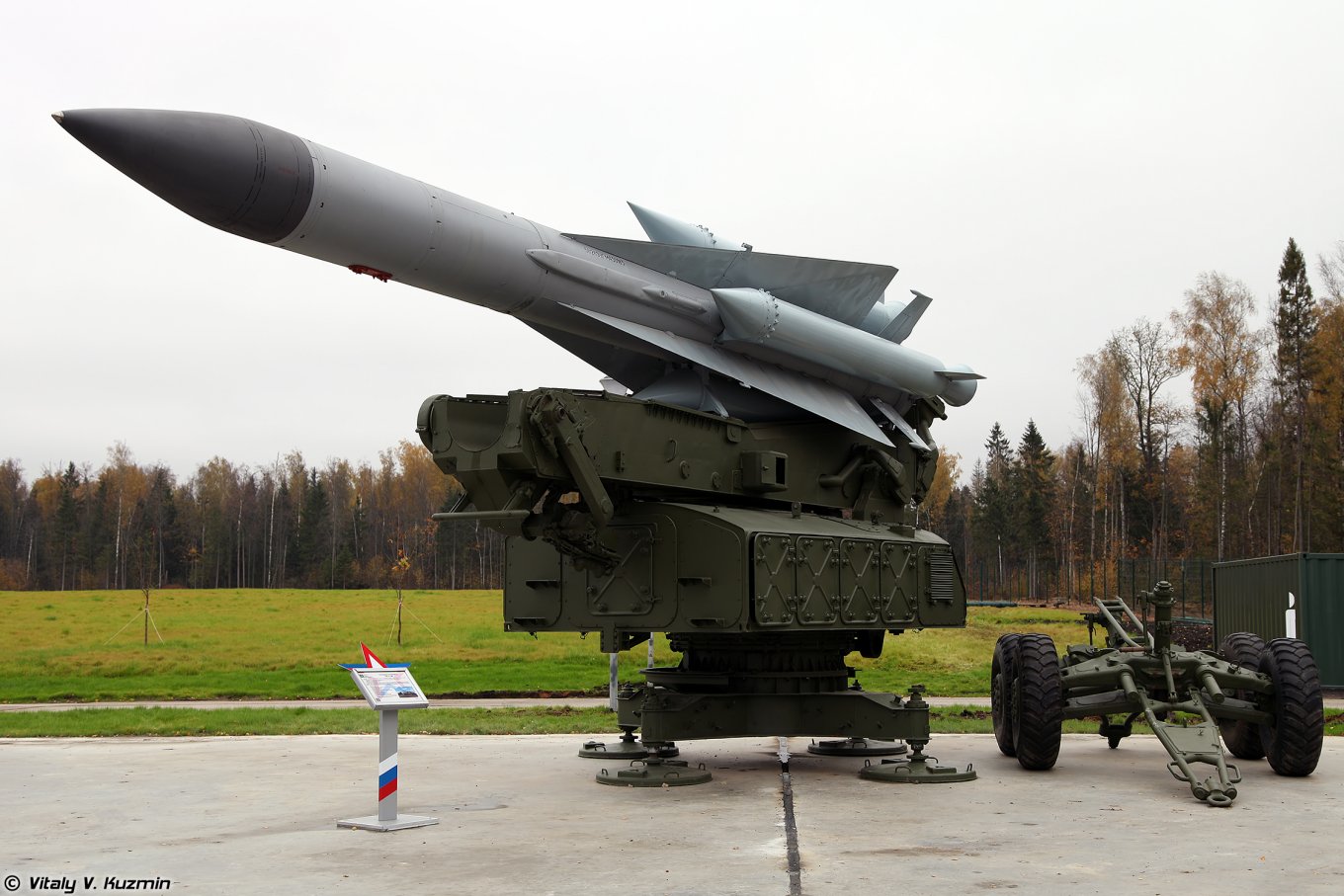
Iran's long-range story begins with the Soviet-era S-200, which formed the backbone of its strategic air defense. Over time, Tehran upgraded and localized elements of the system, using it as a foundation for radar coverage and domestic missile integration, while gradually preparing to move beyond dependence on foreign suppliers. Iran's domestic S-200 missiles are believed to have an operational range from 200 too 250 km using Fajr-8 missiles, up to 250 - 350 km using Ghareh missiles.
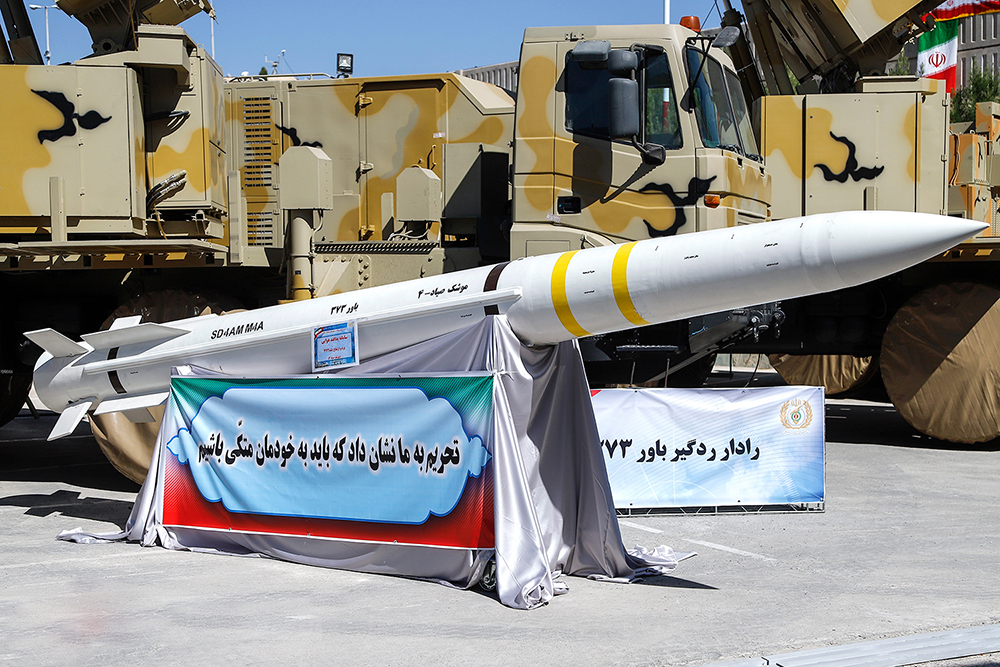
Parallel to this, Iran developed the Sayyad missile family, which became the common thread across multiple SAM systems.
- Sayyad-1 traces its origins to the Chinese HQ-2, itself derived from the Soviet S-75 Dvina (SA-2 Guideline) air defense missile system. Differenst sources speculate about Sayyad-1's operation range, varying from 20 to 60 km in its baseline variant, up to 80-100 km in it's later upgraded variant Sayyad 1A
- Continuing the tradition, Sayyad-2 is a somewhat upgraded reverse-engineered American RIM-66 (or SM-1) missile with a range between 60 and 100 km according to various sources. According to Army Recognition, Sayyad 2 has better precision rate, range and destruction power
- Sayyad-3 is a similar to Sayyad-2 missile, but with a longer operational range capability. It has a similar diameter as Sayyad-2 but also a longer body with different wings. According to various sources, Sayyad-3 is believed to have a range of between 150 and 200 km
- The more advanced Sayyad-4 was developed for strategic use with Iran's newest Bavar-373 air defense system, including modern guidance architecture and higher performance claims. It's operational range is believed to be up to 300 km
- The latest Sayyad-4B variant was presented as a flagship missile, introducing a two-stage propulsion system and active radar seeker, expanding its effective range up to 400 kilometers, signaling Iran's attempt to push into higher-end interception capability.
The Talash family emerged as Iran's primary domestically built long-range air defense architecture. Talash-1, introduced in 2015–2016, was built around the Sayyad-2 missile and relied partly on legacy radar infrastructure, including integration with S-200 engagement radars. Talash-2, unveiled in 2017, expanded capability by incorporating Sayyad-3 missiles, extending engagement ranges and improving multi-target tracking. Talash-3 reportedly integrated elements of the S-200 missile family with upgraded radar and fire-control systems. Talash-4, also revealed in 2017, introduced the Sayyad-3C interceptor and the Ofogh fire-control radar, enabling improved engagement of low-RCS targets and higher-altitude threats, also improving operational range up to 200 km.
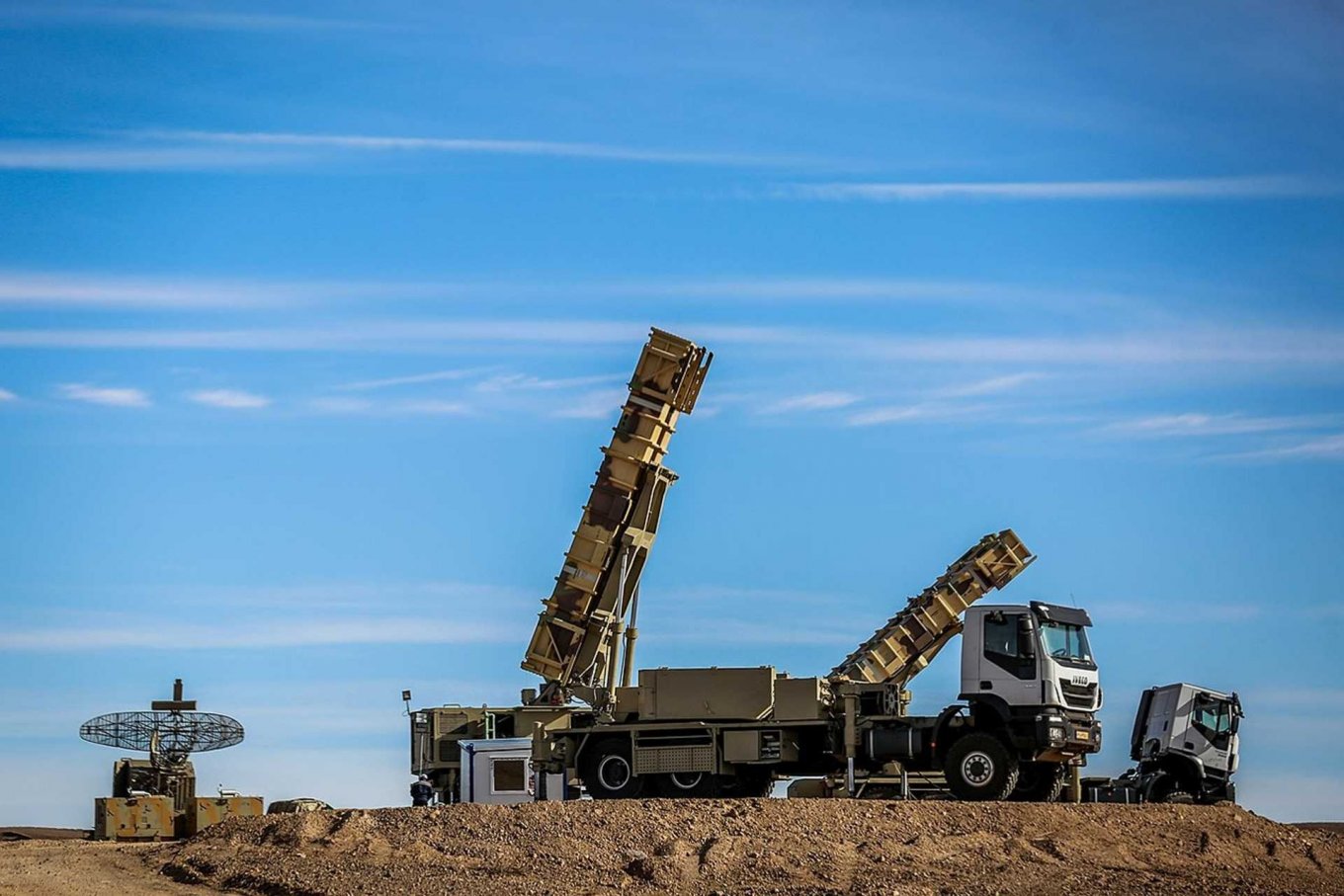
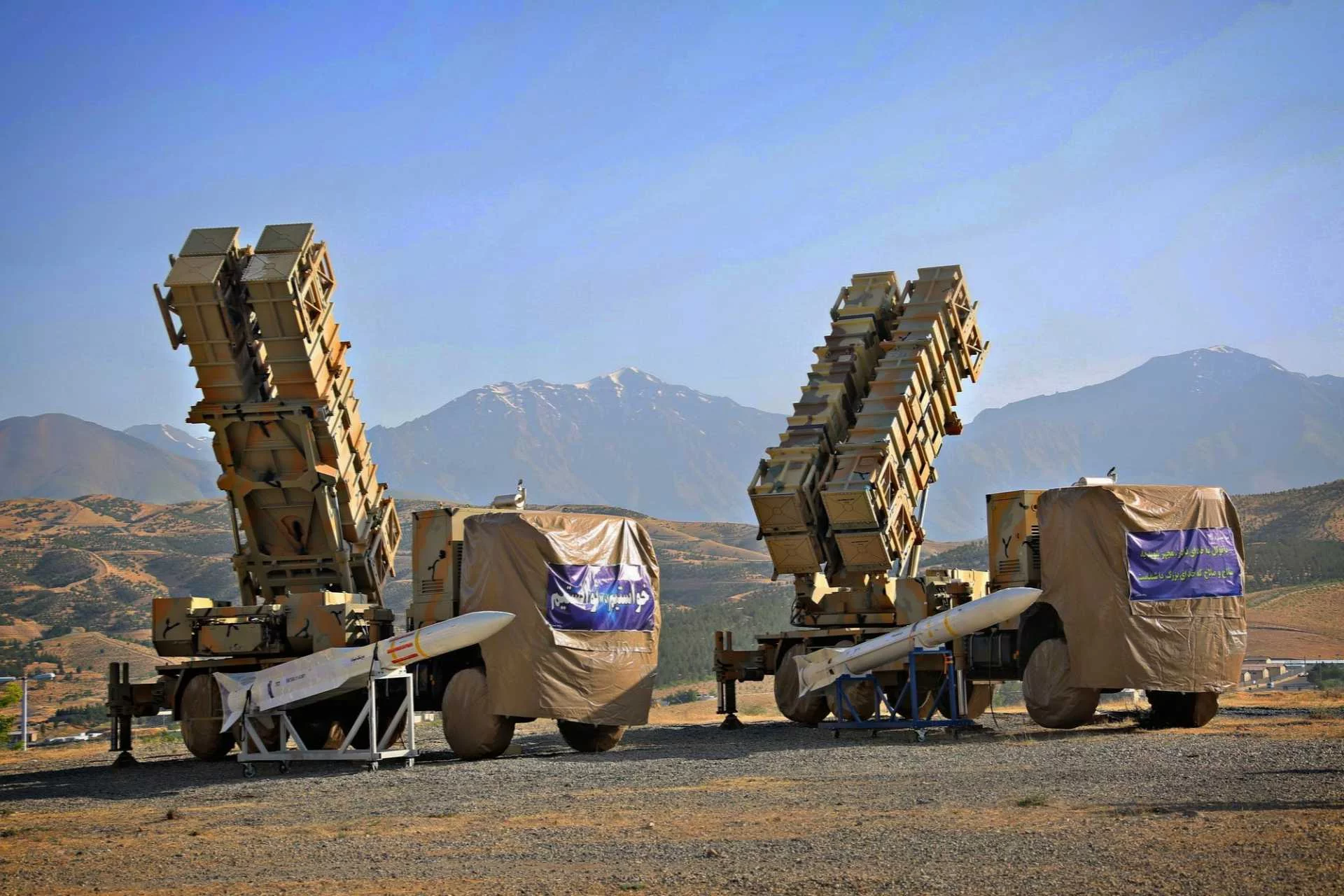
The 15th Khordad system, while often mentioned alongside Talash, serves a more modern and specialized role. Unlike Talash, which evolved from integration with legacy infrastructure, Khordad-15 was designed as a fully mobile, radar-integrated system optimized for faster deployment and multi-target engagement. It is built around advanced phased-array radar and Sayyad-3 derivatives, reportedly capable of engaging multiple targets simultaneously at significant range. Operationally, Khordad-15 is positioned as a more agile and technologically superior platform compared to earlier Talash variants, intended to counter multiple modern aerial threats including low-observable aircraft and cruise missiles with a range of up to 150 km. In short, Talash provides mass and layered depth, while Khordad-15 provides mobility, better radar system, and higher responsiveness in contested environments. In many ways, Khordad-15 represents Iran's attempt to move from adaptation to true system-level modernization.
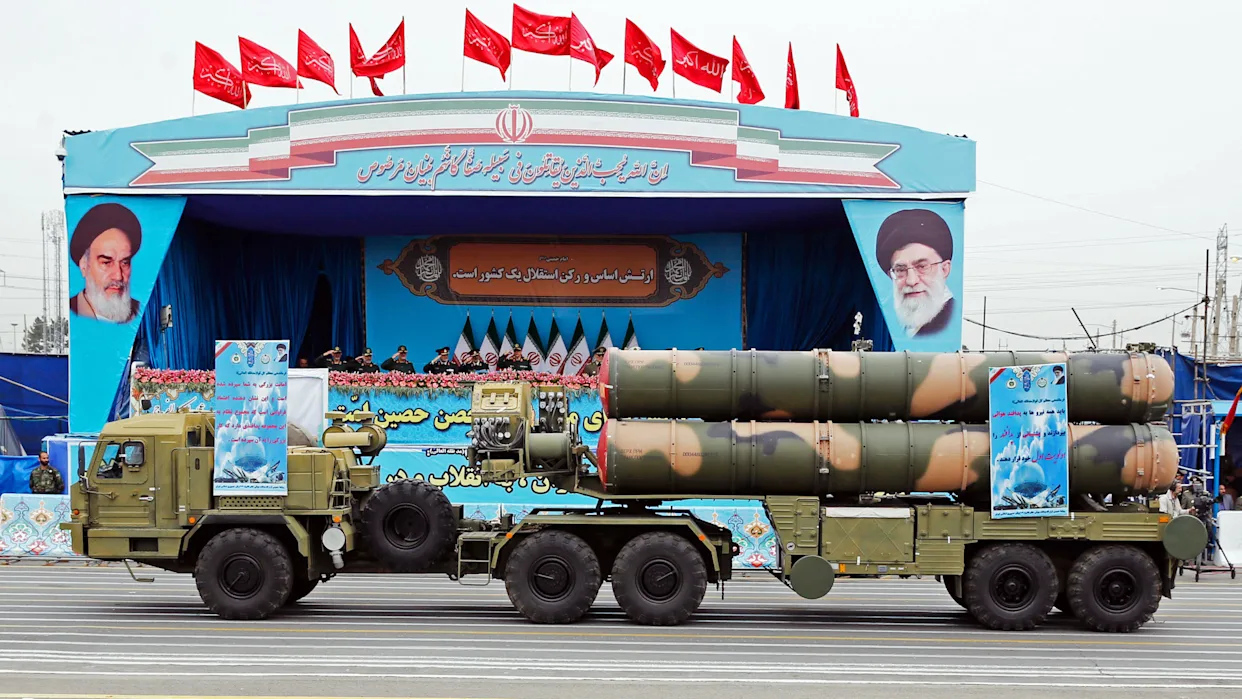
After years of political pressure and renewed negotiations, russia finally delivered four S-300PMU-2 batteries to Iran in 2016. Originally signed in 2007 and frozen under international sanctions in 2010, it took Iran 9 years to acquire russian air defense systems. S-300PMU-2 (SA-20B) significantly strengthened Iran's high-altitude, long-range air defense, offering engagement ranges of up to 200 km and interception capability against aircraft, cruise missiles, and certain ballistic targets using the 48N6E2 missile. Unlike earlier Iranian systems, the S-300 brought proven multi-target tracking, modern phased-array radar architecture, and hardened command integration. However, with only four batteries covering a country of Iran's size, these systems are used to protect only critical infrastructure, such as nuclear sites, rather than forming continuous nationwide coverage. For years, the S-300PMU-2 symbolized the peak of Iran's air defense capability.
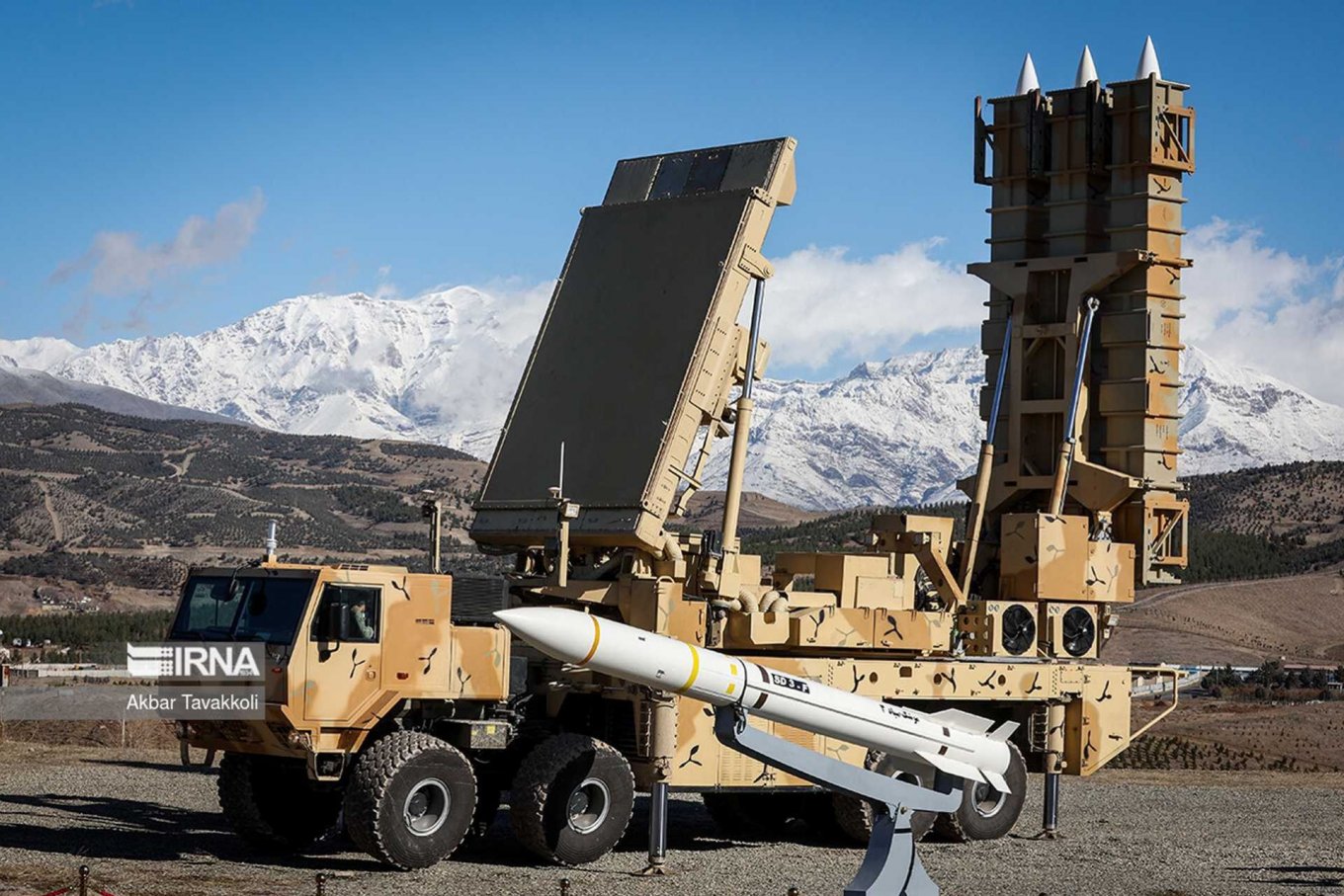
Iran later introduced Bavar-373 as its domestic strategic equivalent to the S-300. Open-source assessments indicate at least two operational batteries. Built around the Sayyad-4 interceptor, Bavar-373 is positioned as Iran's most advanced indigenous long-range system. In 2024, Iran also unveiled the Arman anti-ballistic system, described as capable of engaging multiple targets at roughly 120 km, though confirmed deployment scale remains classified.
At the medium-range level, Iran's structure combines legacy imports and domestic mass production. The inventory reportedly includes around 150+ American MIM-23 Hawk launchers or its modernised Mersad variant. Back in the day, these systems formed the older core of Iran's area defense.
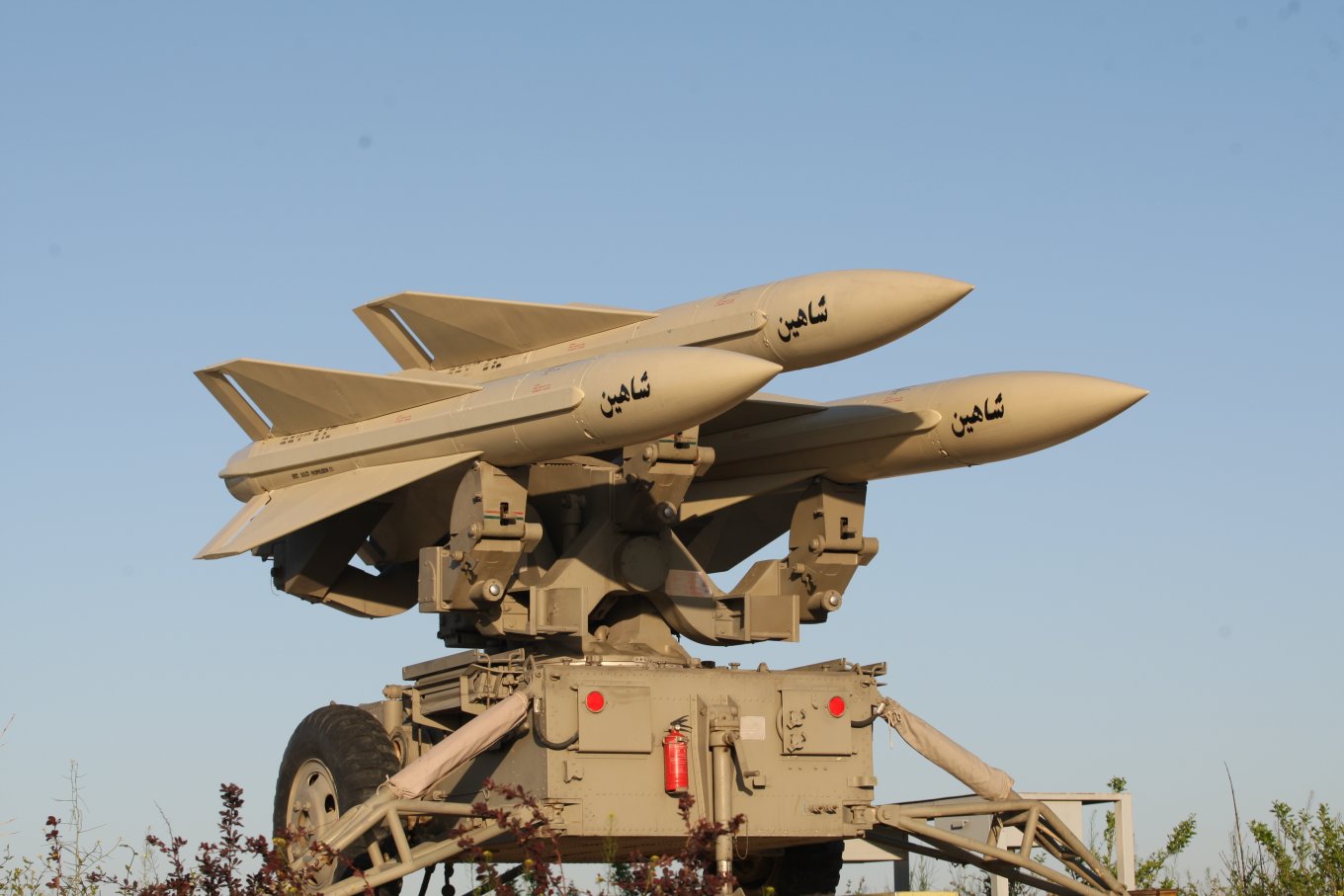
Mersad is a reverse-engineered and upgraded version of the American MIM-23 Hawk system, developed as a major domestic replacement after the 1979 revolution, when Iran was no longer able to acquire additional Hawk systems from the United States. Alongside it, the Raad-1, Raad-2, and 3rd Khordad families significantly expanded medium-range coverage and today represent the backbone of Iran's modernized mid-tier air defense network.
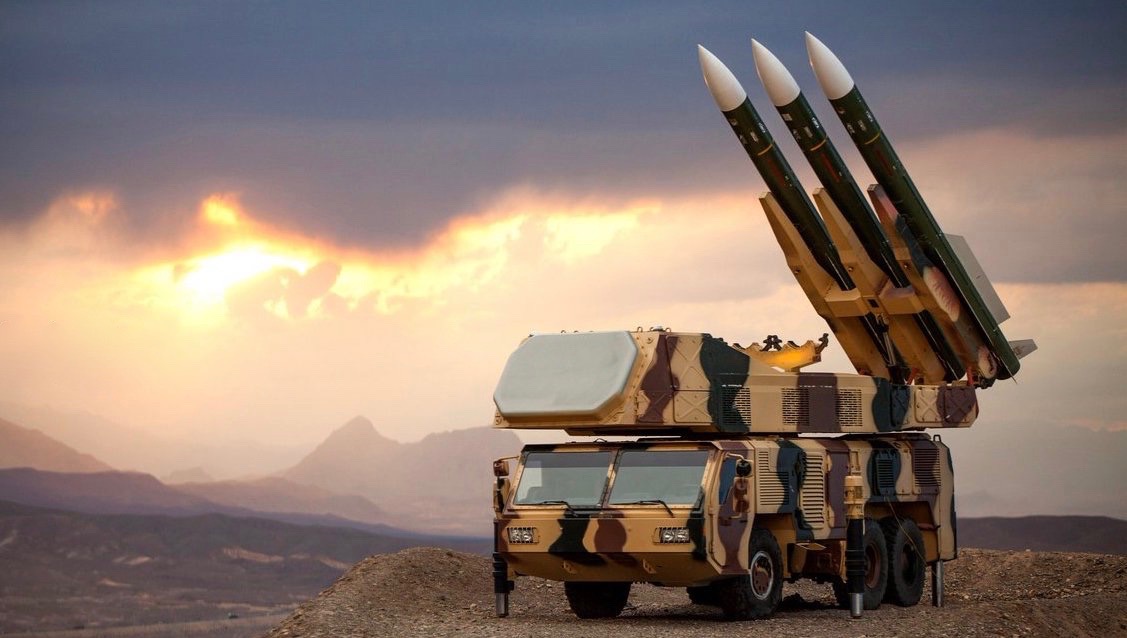
At short range, Iran's structure evolved from imported systems like the British Rapier toward domestically produced point-defense solutions. Ya Zahra-3 and Herz-9 illustrate a clear emphasis on quantity and dispersal over quality. Imported Tor-M1 systems, along with domestic Azarakhsh and Zubin platforms, complete the short-range layer intended to counter low-altitude aircraft, cruise missiles, and drones.
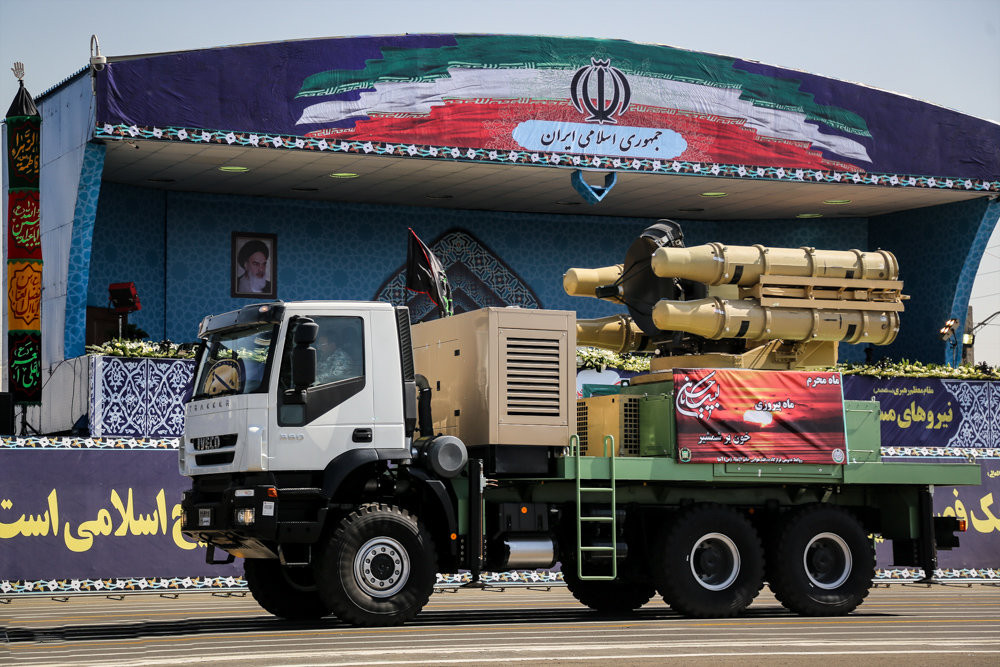
While open-source platforms such as Wikipedia often cite extremely high numbers of Iranian air defense batteries and launchers, these figures must be treated with caution. Due to strict military secrecy and limited independent verification, it is nearly impossible to confirm the real operational strength of Iran's air defense network. Some aggregated estimates suggest that Iran could possess thousands of surface-to-air missile launchers across all ranges — numbers that, if taken at face value, would rival or even exceed the combined inventories of NATO and russia. For a country that has operated under heavy sanctions for four decades, such figures raise serious logistical and industrial questions. Maintaining several thousand air defense launchers would require vast production capacity, sustained supply chains, and tens of thousands of trained personnel - a scale that is difficult to independently verify.
In practice, air defense strength is not measured by how many systems appear in open-source tables, but by how they perform under real combat pressure. Integration, command survivability, radar redundancy, mobility, and resistance to electronic warfare matter far more than headline range figures. According to reporting by The Jerusalem Post, during Israeli strikes in October 2024 parts of Iran's radar network were reportedly disrupted, with operators describing screens "freezing" during the attack. The same reporting suggested that elements of Iran's S-300PMU-2, considered among the most capable systems in its inventory, may have been damaged. If accurate, such incidents highlight the gap that can exist between declared capabilities and battlefield resilience.
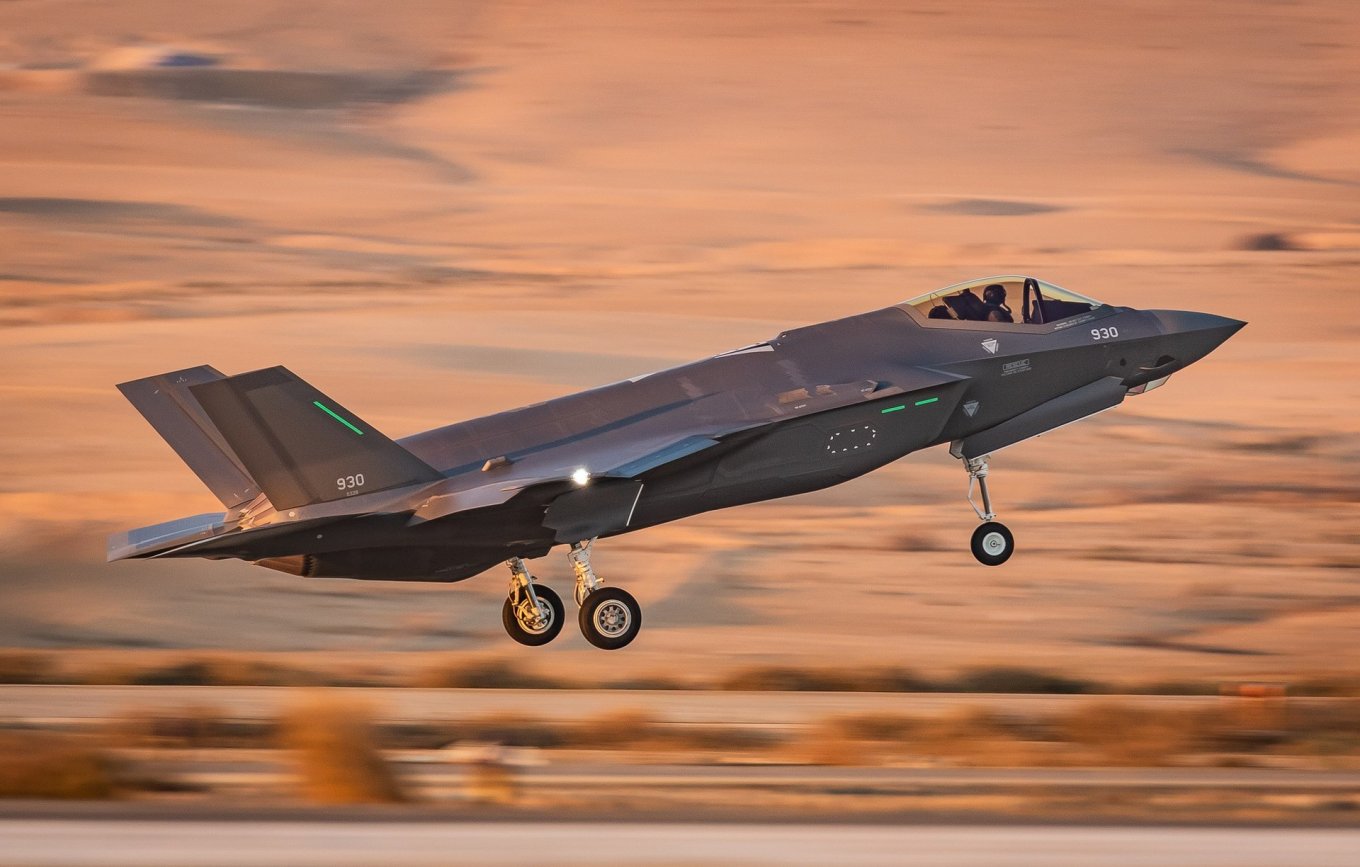
Answering the original question — Iran's air defense is dense and layered on paper, but its real strength will ultimately be determined by its ability to survive the first wave of a modern air campaign. Based on both last year's reported Israeli Air Force strikes and this year's Operation Epic Fury breaches of Iranian airspace, Tehran's air defenses have shown strong vulnerabilities that suggest their practical combat effectiveness may be significantly lower than declared.
1st of March 14:00 UTC Update: The onset of a major U.S.–Israeli air campaign against Iran, referred to by the Pentagon as Operation Epic Fury, has provided a harsh real-world test of Tehran's air defense network. Coordinated strikes have reportedly successfully targeted Iranian military, leadership, and strategic sites, and both U.S. officials and Iranian state media confirmed that Iranian Supreme Leader Ayatollah Ali Khamenei was killed during the operation, with Tehran announcing a period of national mourning.
While details of the full campaign are still emerging, the fact that foreign aircraft were able to penetrate deep into Iranian airspace and strike high-value targets, including command centers and senior leadership, raises serious questions about the operational capabilities of the Iranian Air Defense Force.
Read more: iran May Have Shot Down Second U.S. MQ-4C Triton Drone — In Exact Same Spot as 2019 Incident