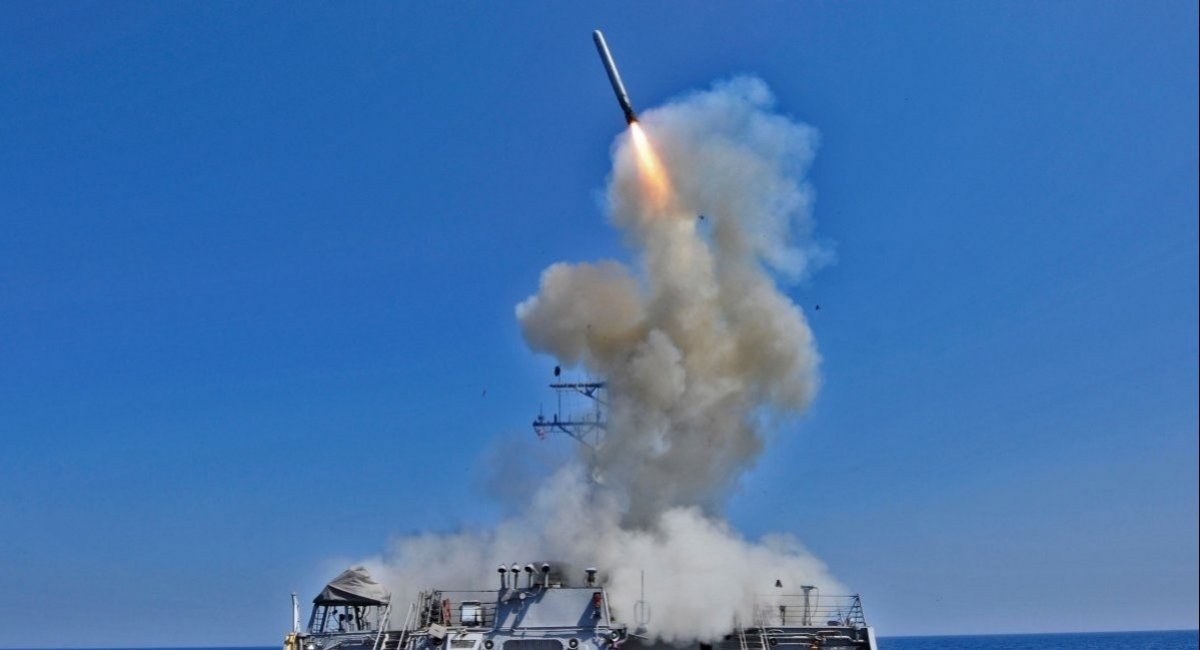
The Israel Defense Forces (IDF) and the United States Armed Forces have launched a new large-scale campaign to strike Iran. Strikes on a number of sites in the country began in the early morning of February 28 (which, by the way, is quite unusual, since such campaigns usually begin at night). The operation was called "Roar of the Lion" in the Israeli version, and "Operation Epic Fury" in the American version.
This operation was quite expected – given that the U.S. negotiations with Iran on a nuclear arms deal have not yielded any success. Tehran rejected Washington’s offer, which in fact provided for the complete abandonment of nuclear weapons, including the destruction of the country’s three main nuclear facilities.
Read more: Nuclear-Powered USS Gerald R. Ford Aircraft Carrier Enters Mediterranean, Launching "Countdown" Toward Strike on Iran
According to Reuters, the U.S. and Israel have been planning this large-scale operation to strike Iran for the past few months, and the start date was decided a few weeks ago. Given this, the U.S., it seems, already expected that any negotiations with Iran on nuclear weapons would not be successful and that Tehran would not make any concessions.
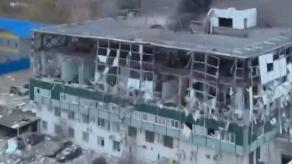
According to a number of media outlets, a number of facilities in Iran have already been hit, primarily in the country’s capital, Tehran. The targets were the buildings of the defense and intelligence departments, the atomic energy agency, the presidential palace and a number of other facilities. A number of military facilities were also hit (command posts, launch pads, air defense systems). In Isfahan, facilities of Iran’s so-called nuclear program were hit too. Judging by this, the U.S. and Iran planned, first of all, to paralyze the country by destroying important structures that participate in decision-making and influence the country’s governance and defense capabilities. In total, about 30 facilities in Iran were hit.
On Saturday morning, unconfirmed information spread across the network that the commander-in-chief of the Iranian armed forces, Amir Khatami, was allegedly killed as a result of the strike on Iran.
There were also reports of an attempt to assassinate the country’s president, Massoud Pezeshkian, while Tehran said he had survived. Finally, Western media reported that Iran’s supreme leader, Ayatollah Ali Khamenei, had left Tehran and was in a safe place.
During the strikes on Iran, Israel preemptively declared an air alert against the backdrop of a possible retaliatory strike, which had already been announced by the Iranian side. In particular, a state of emergency was declared in Israel, under which only vital enterprises would operate in the country. At about 10 am, it was reported that the first Iranian ballistic missiles had been launched at Israel. Iran had already stated that it would retaliate and deliver a devastating retaliatory strike.
The airspace over Israel, as well as over Iran, was closed. Recall that a number of embassies from different countries of the world have recently urged their citizens to refrain from traveling to Iran due to the worsening security situation as well as number of embassies have urged their citizens to leave Israel.
It is reported that Israel and the United States will carry out strikes on Iran for at least several days. As stated by the President of the United States of America Donald Trump, the Iranian terrorist regime will never be able to have nuclear weapons, emphasizing the plans to destroy the missiles, destroy the missile industry and the fleet. The Prime Minister of Israel Benjamin Netanyahu thanked the U.S. President "for his historic leadership".
President Donald J. Trump on the United States military combat operations in Iran: pic.twitter.com/LimJmpLkgZ
— The White House (@WhiteHouse) February 28, 2026
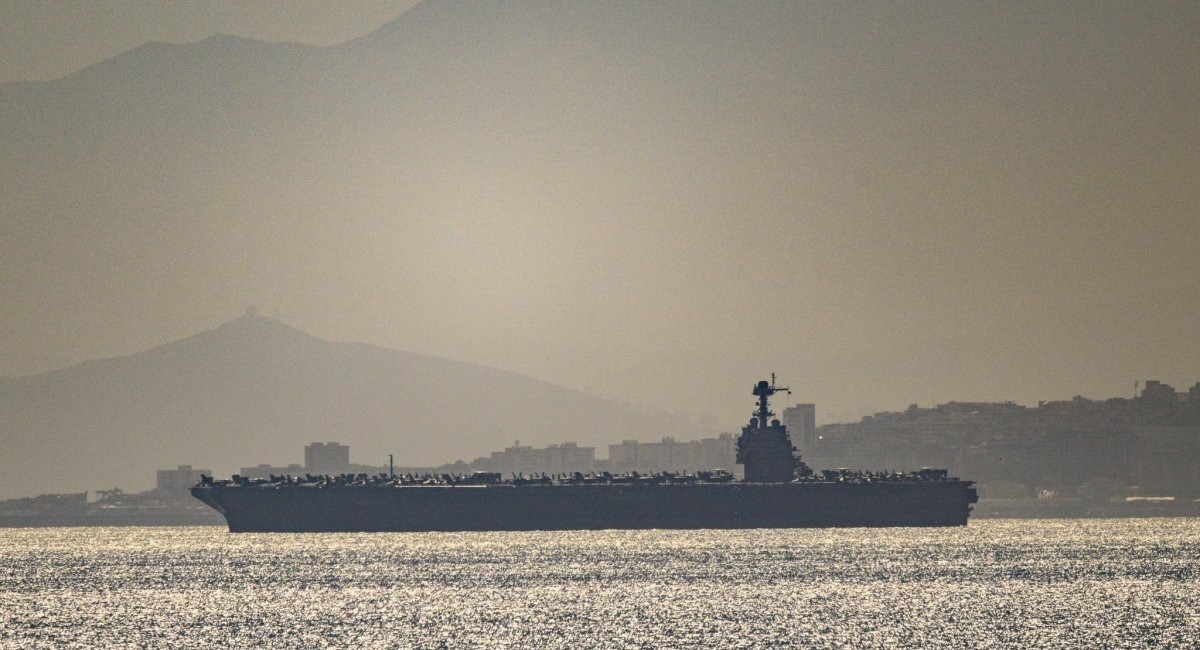
Defense Express previously reported that USS Gerald R. Ford (CVN-78) nuclear-powered aircraft carrier took up position to strike Iran, with a delay due to toilets. Given the events unfolding on the last day of February 2026, it seems that this was a smokescreen by U.S. intelligence agencies to make the start of Operation Epic Fury a surprise for Iran.
Read more: How U.S. Strike on Iran Would Impact russia and Why Every Scenario Favors Ukraine