


This year's Munich Security Conference takes place almost a week before the fourth anniversary of russia's full-scale invasion of Ukraine. During this time, the war and its needs have fundamentally evolved, yet they remain a critically important topic for discussions and decision-making.
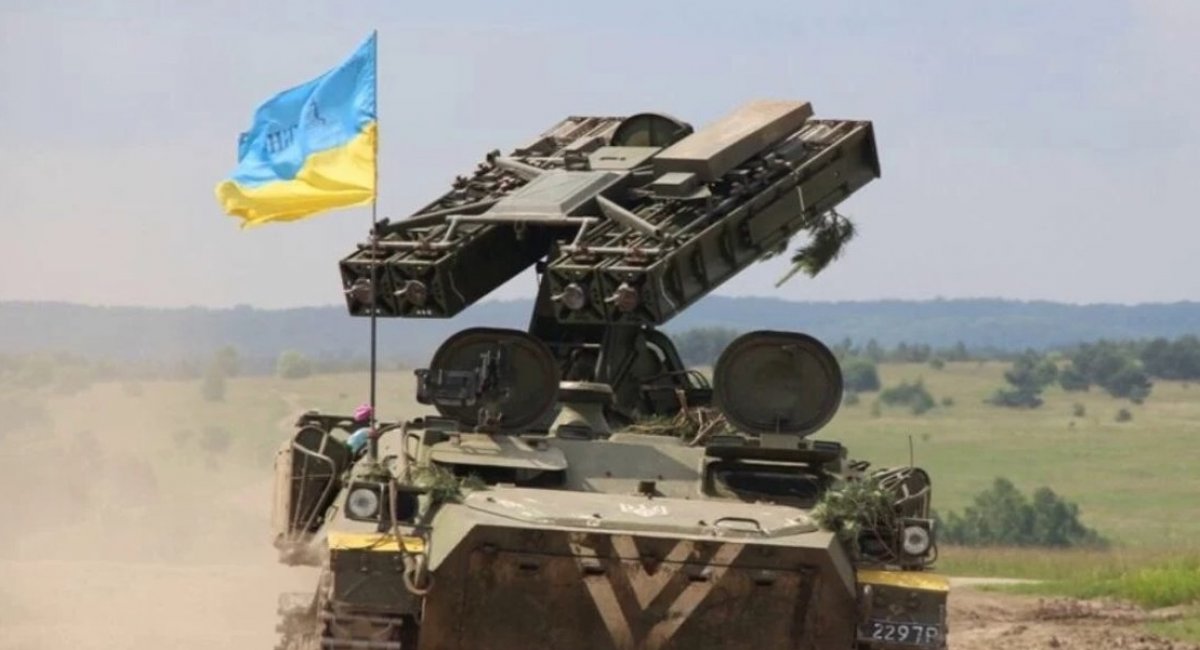
Lithuanian President Gitanas Nausėda emphasized this during one of his speeches: "At the beginning, we debated whether to transfer body armor to Ukraine. Today we discuss the number of air defense systems and ammunition volumes in new aid packages."
Read more: U.S. Ready to Boost Nuclear Arsenal With MIRV-Equipped Minuteman III and Nuclear-Armed B-52s After New START Expiry
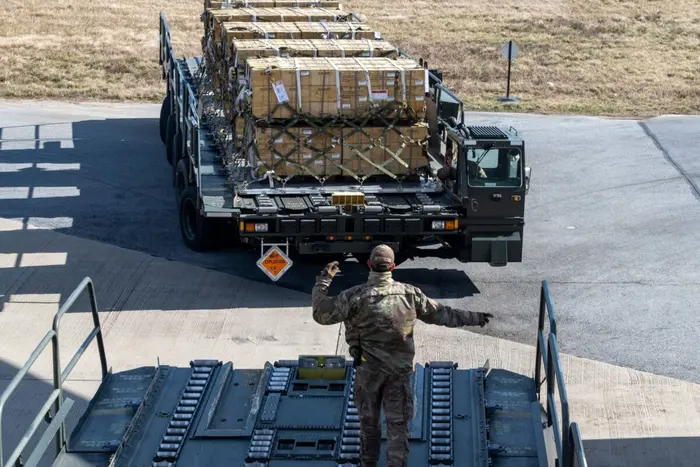
Lithuania remains one of Ukraine's most consistent allies. Recently, $265 million in aid was agreed upon within the Ramstein format. Lithuania is the world's third-largest supplier by share of GDP directed toward supporting Ukraine, having pledged over €465 million in military aid. Even before the 2022 full-scale invasion, the Lithuanian government transferred body armor and Stinger MANPADS with 24 missiles to the Ukrainian army — essentially the first to provide weapons of this class.
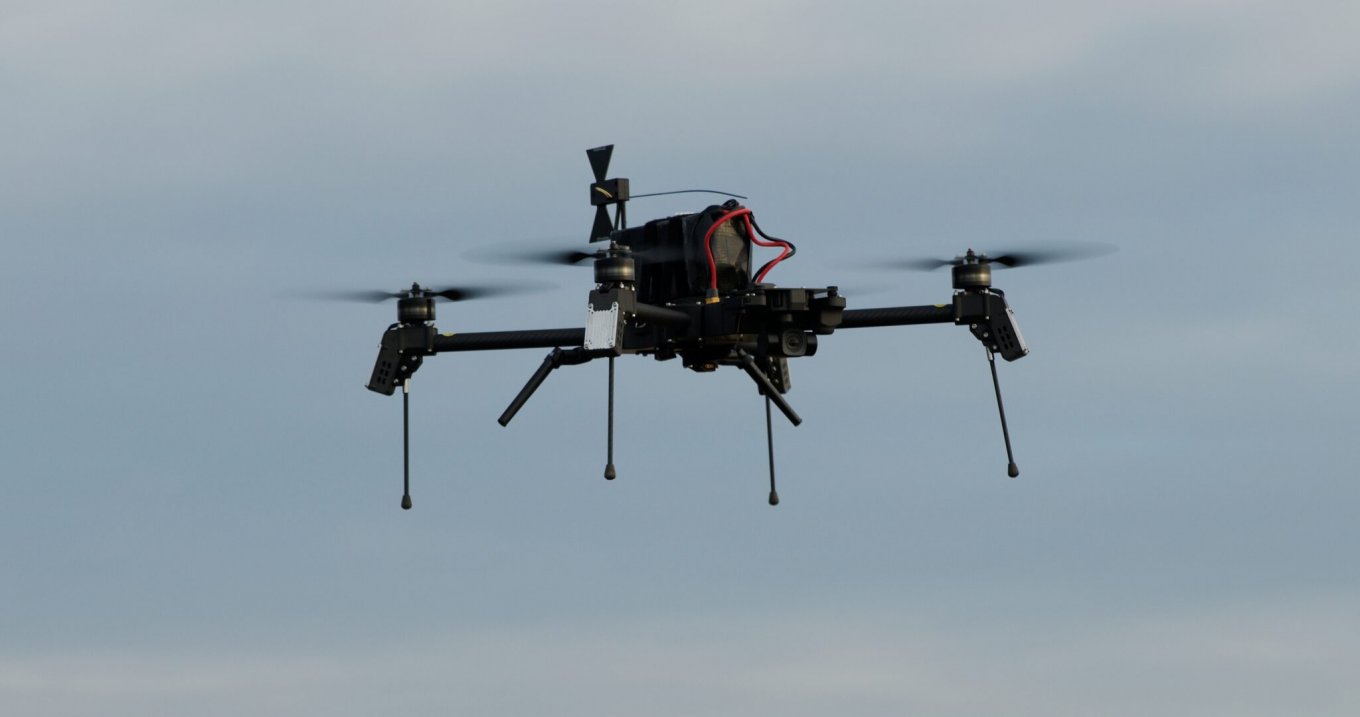
Germany in February 2026 is allocating at least €1 billion for drone procurement for Ukraine, funding the air defense dome project over Ukrainian cities, as well as supporting drone-assault units within an overall aid budget of €11.5 billion. We recently revealed that Quantum Frontline Industries in Germany presented the first Ukrainian Linza 3.0 UAV. Overall, 10,000 UAVs are planned for transfer to Ukraine by year's end. This is quite a significant announcement, as joint production was announced less than two months ago, with the first results now ready and presented.
Against this backdrop, the argument voiced by Polish Foreign Minister Radosław Sikorski is increasingly heard: Europe now bears a significant portion of the war's financial support. Support leverage is shifting. The U.S. remains a key partner; however, new aid packages no longer pass through Congress as quickly as in 2022. From the beginning of the full-scale war through the end of 2024, the U.S. allocated $182.8 billion in emergency funding for the region, of which $83.4 billion was actually provided in funds and weapons.
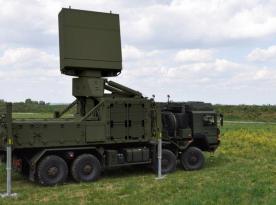
Today, the Prioritized Ukraine Requirements List (PURL)mechanism is gaining increasing importance. It allows allies to finance procurement of American weapons for Ukraine, including missiles for air defense systems. Volodymyr Zelenskyy in Munich emphasized the critical importance of this tool for protecting Ukrainian skies, especially amid a pause in direct U.S. supplies. In parallel, Kyiv is promoting the idea of creating joint defense enterprises in Europe.
Despite external support, Ukraine is actively building its own defense-industrial base in cooperation with partners. Defense Express previously reported that ten factories for producing Ukrainian drones in Europe are planned to open in 2026.
Read more: Ukraine’s Defense Intelligence States DPRK Is Gaining Unprecedented Combat Experience - Just Three Armies in World Are Fighting Like This