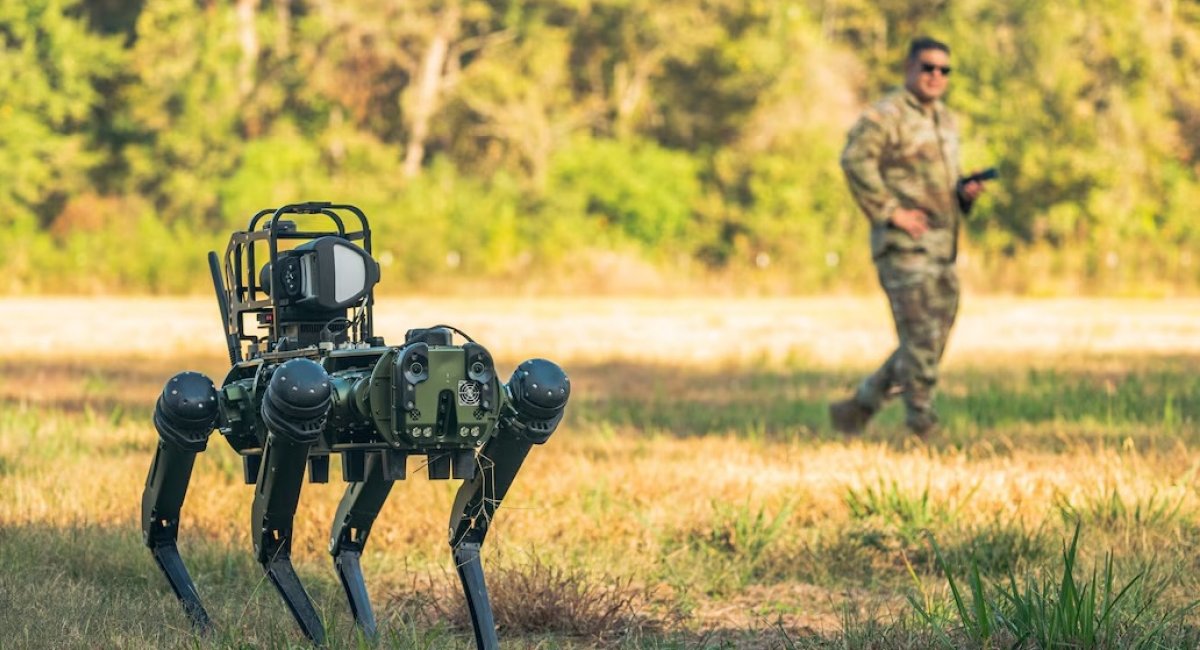
New analytical report by NATO's Strategic Communications Centre of Excellence describes the emergence of what it calls the NextGen Information Environment. Its defining characteristic: autonomous systems that don't merely transmit information but generate, filter, and optimize it without direct human intervention. Competition is shifting from the level of narratives to the level of algorithms.
What is taking shape is a new algorithmic front, where machines compete for control over the information environment. Where information operations once relied on media and social networks, AI models now increasingly determine what a user, military analyst, or even a unit commander will see.
Read more: February Surge After January Lull: russia Ramps Up Drone War Against Ukraine's Energy Grid

Control over training datasets, computing resources, and AI infrastructure is gradually becoming a matter of national security.
Ukraine is already operating in the environment that NATO is only beginning to conceptualize as the future. Algorithmic speed, multi-source data integration, and autonomous analytical elements have become part of battlefield practice.
One of the clearest examples is the mass use of drones integrated into unified battle management systems. Ukrainian forces actively use networked situational awareness platforms.
For example the Kropiva system, which enables real-time transmission of target coordinates, artillery correction, and unit synchronization. This is an already functioning element of the algorithmic detect–decide–strike cycle.
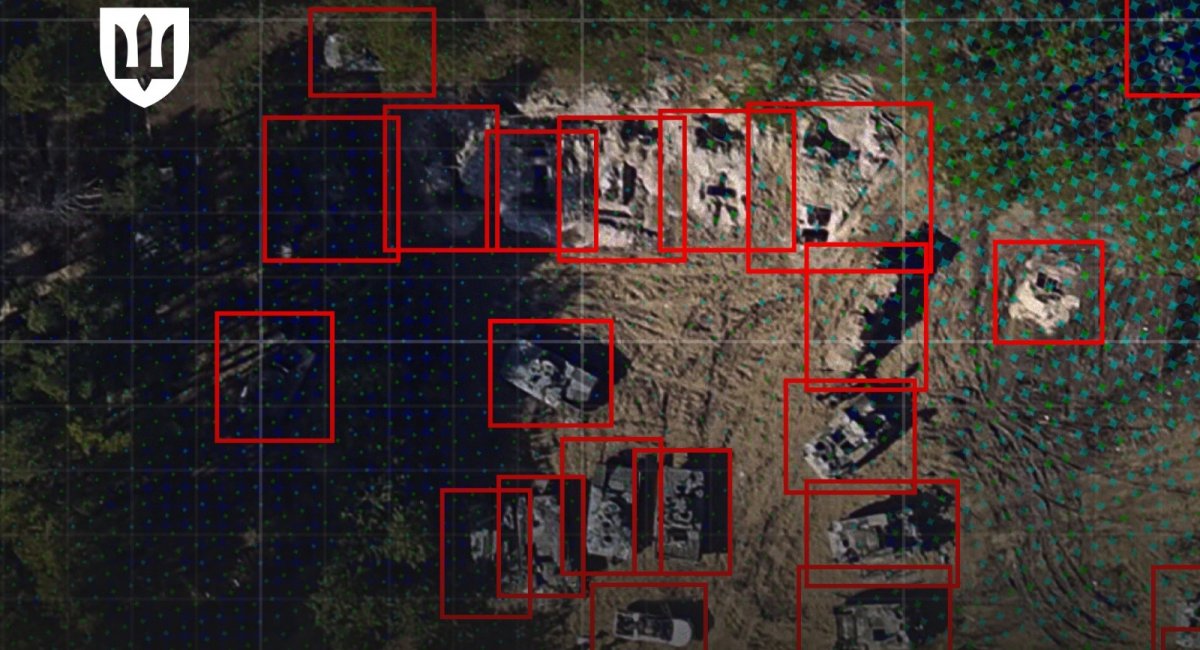
The second area is the broad use of OSINT and automated analytics. Ukrainian investigative communities such as InformNapalm and international partners including Bellingcat demonstrate how large volumes of open-source data can be rapidly converted into intelligence. Processing satellite imagery, geolocating social media footage, analyzing digital traces of russian units all of this is increasingly automated and amplified by algorithmic tools.
The third area is the application of AI elements in counter-drone operations and electronic warfare. Ukrainian units are actively testing systems for automatic drone-type recognition, frequency analysis, and detection of enemy control channels. This allows faster threat response and reduces operator workload. Looking ahead, algorithms may well determine target prioritization within drone swarms or identify optimal interception methods.
The report also highlights a distinct systemic challenge: dependence on external AI infrastructure. European states rely heavily on the technological ecosystems of the United States or China. In a crisis, this could constrain strategic autonomy, particularly in military applications. Control over the AI stack from chips and cloud services to proprietary models is gradually becoming as critical as control over airspace or air defense systems.
Previously, Defense Express reported about Ukraine's new AI-driven air defense system, and what It really is.
Read more: Poland Enforces Ban on Chinese Cars in Military Over Espionage Concerns