


Ukraine is expected to strengthen its air defense with a new system that will make extensive use of artificial intelligence algorithms. This is intended to significantly increase overall effectiveness and counter russia's reliance on massive, combined long-range strike campaigns.
Information about this initiative first appeared in The Washington Post, in a blog post by journalist and author David Ignatius. He described a meeting with Ukraine's newly appointed Minister of Defense, Mykhailo Fedorov, who announced the deployment of a "new generation of domestically produced AI-based air interceptors."
Read more: Anti-Aircraft FPVs vs. Drones with Machine Vision: New Footage of Aerial Combat
A key element of this initiative is cooperation with the American IT giant Palantir under the Dataroom project. Whenever Palantir is mentioned, it is worth recalling that Switzerland's Ministry of Defense previously rejected an intelligence system developed by the company due to concerns over the potential transfer of sensitive data to the United States.
"The system will use millions of bits of sensor and image data collected by Ukraine over four years of war to train AI systems capable of predicting russian attacks and then directing cheap autonomous interceptors to counter them," the publication states.
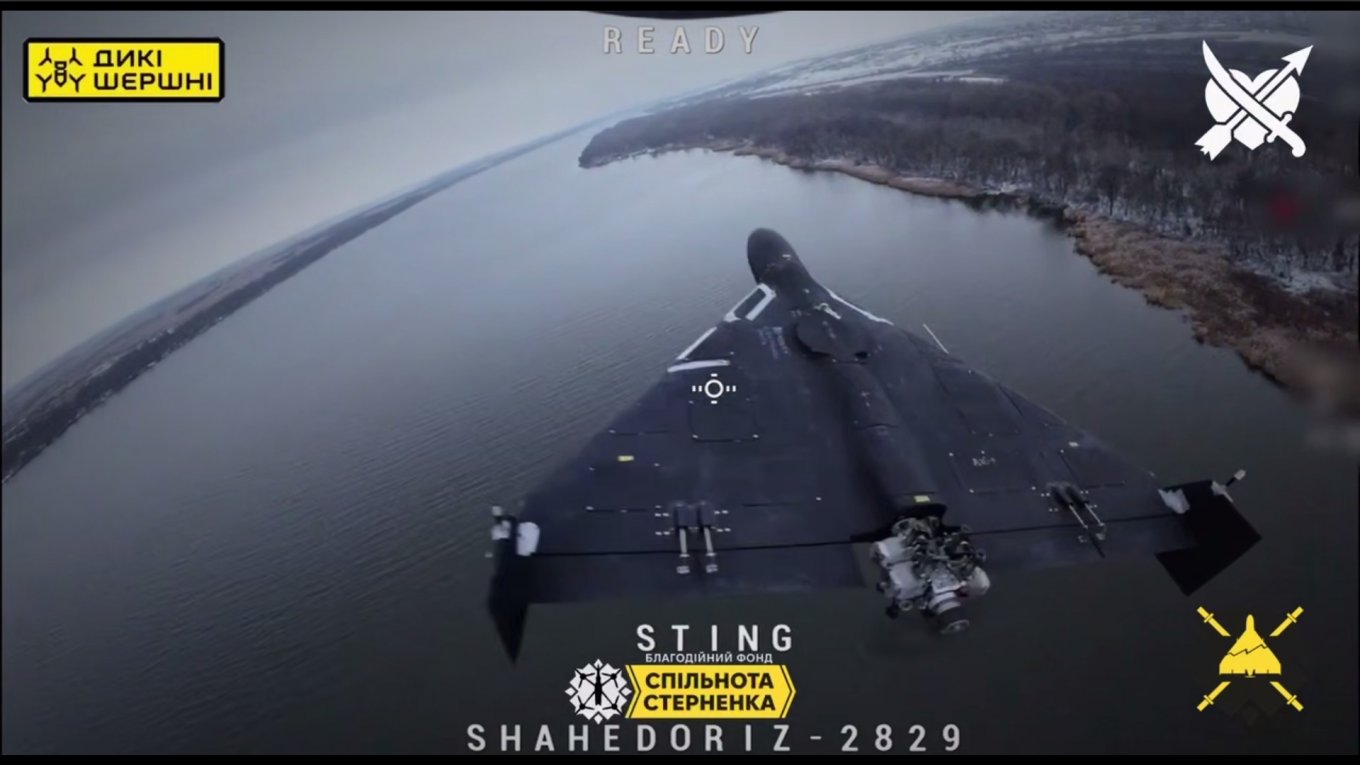
It was also claimed that "within six months, Ukraine will have the foundation for a nationwide system of autonomous air-defense missiles that can finally secure Ukrainian cities from russian attacks." At the same time, this literary presentation has clearly obscured the real substance of the system and its actual capabilities.
In practice, the Ukrainian government has indeed signed an agreement with Palantir as part of the Dataroom project. Ukraine's Ministry of Digital Transformation announced the launch of the Brave1 Dataroom, described as "a secure environment for testing and training artificial intelligence using real battlefield data." The Dataroom itself is a platform built on Palantir's solutions and already contains visual and thermal databases of aerial targets, including enemy Shahed drones, with continuous expansion planned.
Thus, the discussion is about a solution based on long-established machine vision technology, which has been actively discussed in the military sphere since 2024. The project clearly envisages integrating this guidance system into anti-aircraft drones (rather than missiles, which already have their own homing systems), as well as, returning to the American publication, the centralized management of air defense operations using these interceptor drones.
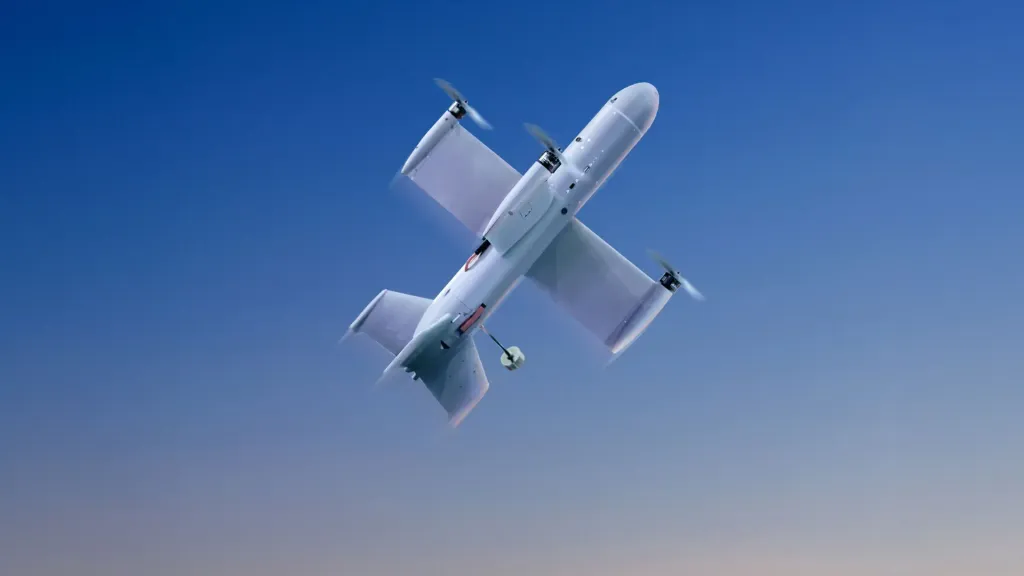
Defense Express has repeatedly written about the promise of integrating machine vision into anti-aircraft drones. This approach reduces dependence on operator skill and enables the creation of autonomous systems capable of swarm employment. It removes a critical limitation, where a single interceptor drone operator effectively has only one opportunity to engage a single target at a time.
At the same time, the real capabilities of such a drone-based air-defense system are limited to countering conventional Shahed-type drones. Even so, if implemented, this would already represent a major achievement. It is precisely these propeller-driven Shaheds that carry a many-times greater cumulative warhead mass in russia's combined strike packages than all other missiles combined.
Ви колись бачили зі сторони, як дрон-перехоплювач збиває шахед?Ну от маєте таку унікальну можливість Дивіться, яка краса!Але перегляд платний — киньте 5 гривень на наш терміновий збір! https://t.co/C34y9AT2LO pic.twitter.com/EMGcyiwTg1— Serhii Sternenko ✙ (@sternenko) December 6, 2025
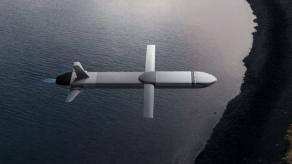
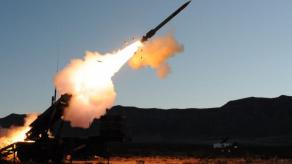
Meanwhile, while such a system will not be capable of countering cruise, ballistic, or hypersonic missiles, it can free up traditional surface-to-air missile systems to engage those high-priority threats.
Read more: Why russia's Idea of Using Surface-to-Air Missiles Against Ukrainian Octopus Interceptor Drones Makes Little Sense