



The Polish General Staff has banned Chinese-made cars from entering secure facilities and has introduced additional instructions for their use by employees. In particular, Polish military personnel are now prohibited from linking their work phones to these cars. Other personal vehicles with location, camera, or audio recording capabilities are also banned, but may be allowed in secure areas if these features are disabled.
"Modern vehicles equipped with advanced communication systems and sensors can collect and transmit data, which requires appropriate security regulations for their use in protected areas. These measures are preventive and consistent with practices used by NATO countries and other allies to ensure strong standard for defense infrastructure protection. These steps are a part of a larger process of modifying security protocols to the evolving technological landscape and contemporary demands for safeguarding vital infrastructure," the statement reads.
Read more: Britain Can't Build Main Battle Tanks Where Vickers Factory Once Stood, Now It’s Housing, But Won't Consider Light Tanks on ASCOD Chassis Either
With this move, Poland joins other NATO countries in prohibiting Chinese cars from military facilities. Poland was one of the first NATO countries to explicitly ban Chinese cars.
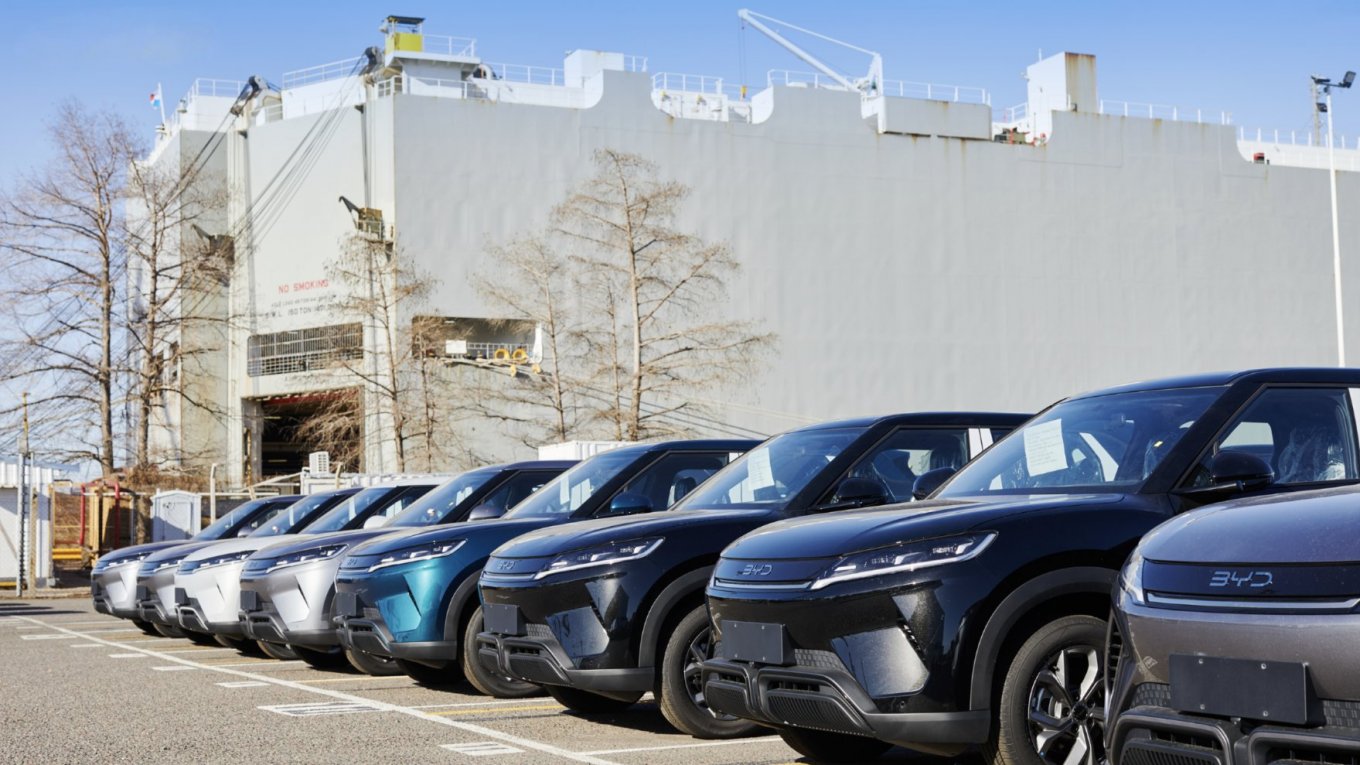
In particular, in 2025, the UK began imposing bans on Chinese cars for certain military units. One well-known public example is Wyton Air Base, home to a British intelligence facility. The ban applies not only to access but also to parking personal Chinese vehicles within a two-mile radius of the facility.
At the beginning of the year, Germany announced that it had banned "certain types of vehicles" in order to protect against espionage, but without providing any further details. The U.S. already has a general ban on importing Chinese cars, effectively resolving the issue.
Beyond NATO, Israel banned Chinese vehicles in late 2025. Initially, the IDF issued these vehicles as aid to military personnel with large families, but they are now being confiscated and replaced. In addition, senior officers were required to use only iPhones and banned Android smartphones.
The reason for such security measures is the same for all countries. Modern cars, especially affordable Chinese electric cars, have a huge set of sensors that allow them to collect a vast amount of information. Using external cameras, and sometimes lidar, they can monitor the outside environment, while microphones allow them to record conversations between the driver and passengers inside the car. If connected to multimedia systems, these vehicles can also access data from smartphones. Moreover, if drivers install car apps on their phones, the apps can gain full access to all files.
Essentially, these vehicles function as ready-made spy cars. The concern is that the Chinese manufacturer has full access to data, with no guarantees that it isn't already shared with Chinese intelligence services.
Read more: Six Weeks from Concept to Flight: Quantum Systems and Airbus Unveil RAT Jet Drone