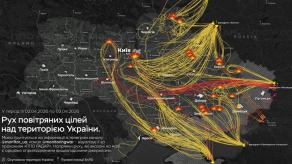



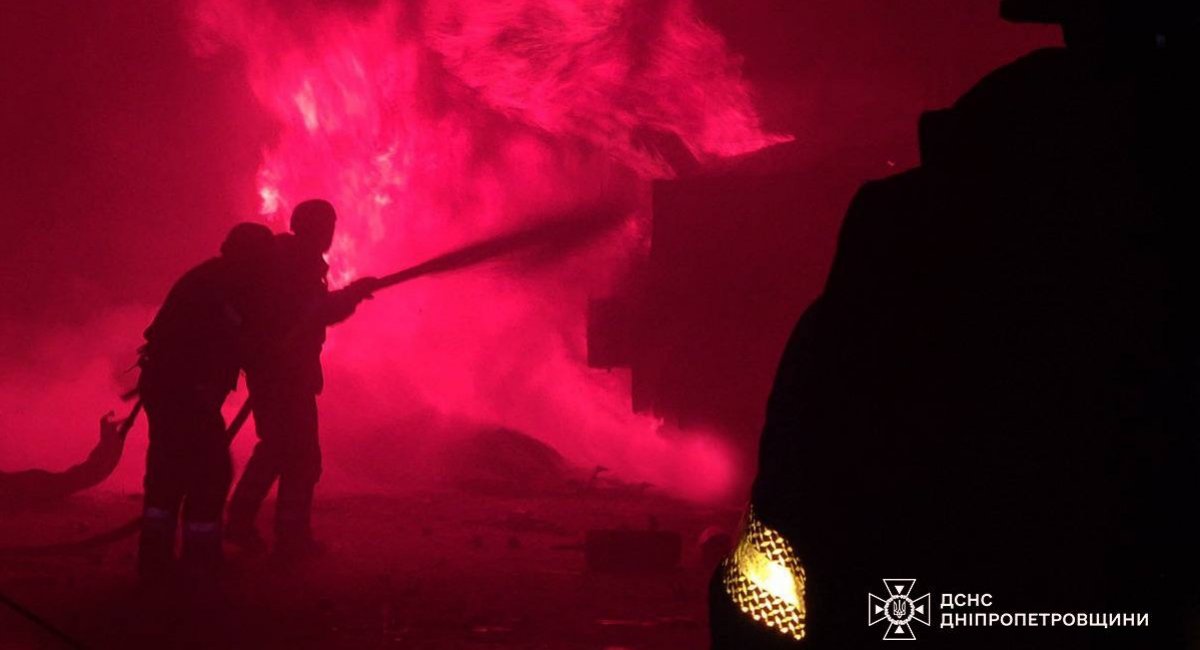
In January 2026 russia launched approximately 4,400 one-way attack unmanned aerial systems (OWA UAS) against Ukrainian targets. This was a moderate decrease from the approximately 5,100 OWA UAS that russia launched in December 2025, almost certainly due to poorer weather conditions in January 2026, according to UK Defense Intelligence.
Daily launch rates increased significantly in the first two weeks of February 2026, with russia averaging approximately 190 per day compared to approximately 140 per day in January 2026. This follows a short pause in energy strikes from January 28 to February 2 that both sides broadly observed. Russia immediately returned to widespread energy sector targeting in Ukraine on February 3, 2026.
Read more: UK Defense Intelligence: russian Daily Casualties Fall to 1,023 in January After December Peak
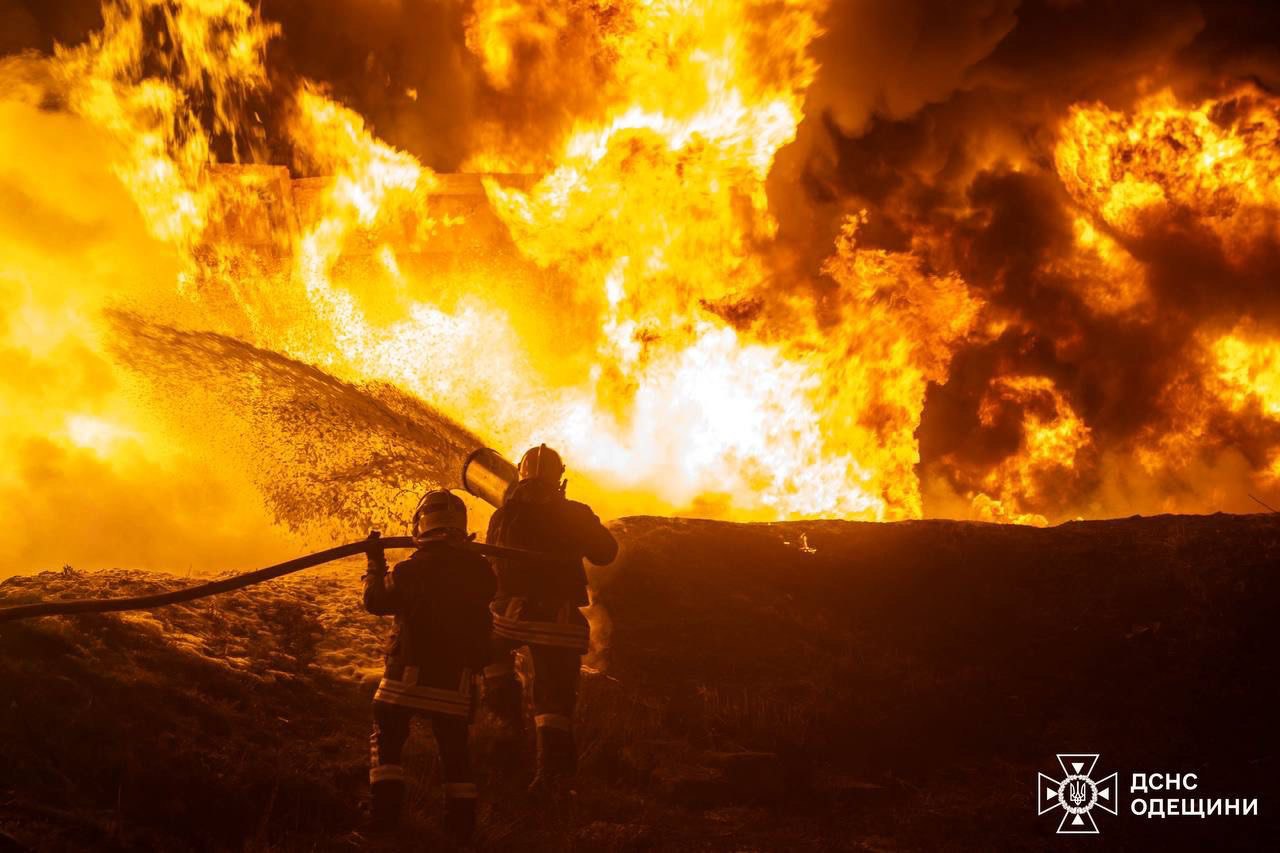
Energy-related critical national infrastructure (CNI) has been russia's primary target since the beginning of October 2025. Russia has launched more than 20,000 OWA UAS and more than 300 of its premier air launched missiles, fired by its long-range bomber fleet, in attempts to systematically destroy Ukraine's electrical grid and heat generation capacity.
Water provision is also being impacted by this concerted campaign as a second order effect.
Any pause in this missile usage allows russia to build its stocks for future strikes with its primary target almost certain to remain energy CNI. Russia can also offset any gaps in long-range bomber usage by drawing on its arsenal of deep strike weapons.
Short range ballistic missiles have been heavily relied upon by russia for this purpose, used in far greater numbers during this winter strike campaign than previously in the conflict.
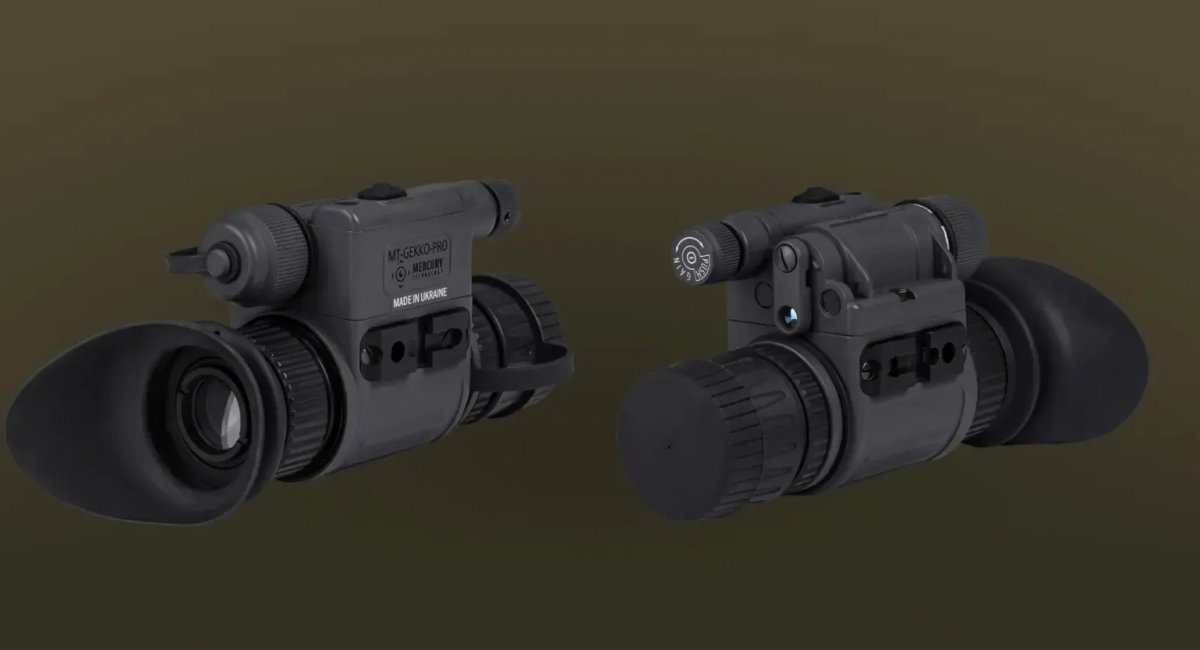
As Defense Express previously reported, Ukraine's Ministry of Defense has formally approved the domestically produced MT-GEKKO-PRO-40 and MT-GEKKO-PRO-50 night-vision monoculars for operational use within the Armed Forces. The decision, announced on February 18, marks another step in Ukraine's effort to expand locally manufactured battlefield equipment and reduce reliance on foreign suppliers.
Read more: Ukraine Expands Night Capability with MT-GEKKO-PRO-40 and 50 Systems