

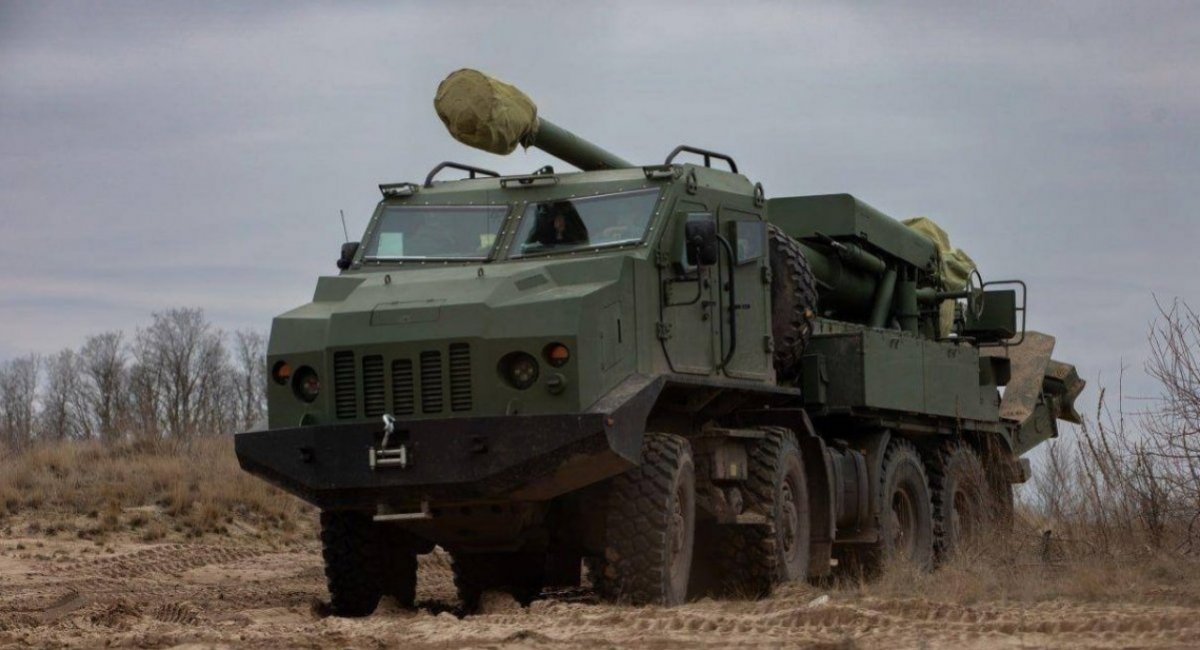

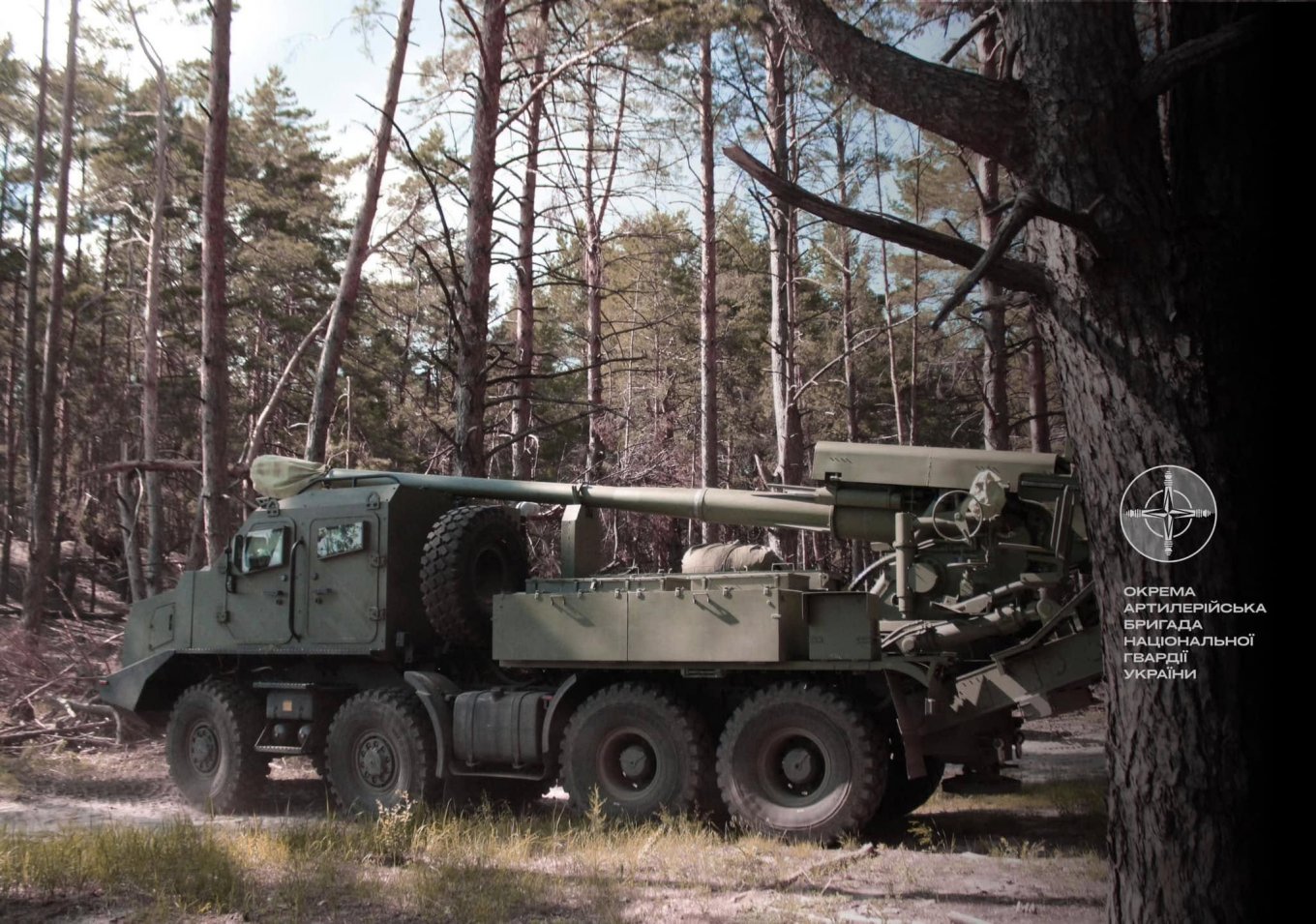
Ukraine's 155mm Bohdana artillery systems have come a long way — from a troubled prototype to a serially produced system that can be mounted on multiple chassis. But what will it take for them to achieve the status of Ukraine’s main artillery platform?
Despite the dominance of drones on the modern battlefield, artillery remains essential — both for offensive and defensive operations. That creates a pressing and sustained demand from Ukrainian forces.
Read more: Baykar Launches World's First Mass Production of Kizilelma UAV with Ukrainian Engine
Since russia's full-scale invasion in February 2022, partner countries have supplied Ukraine with a large number of artillery systems, including both Soviet-era designs and advanced Western models.
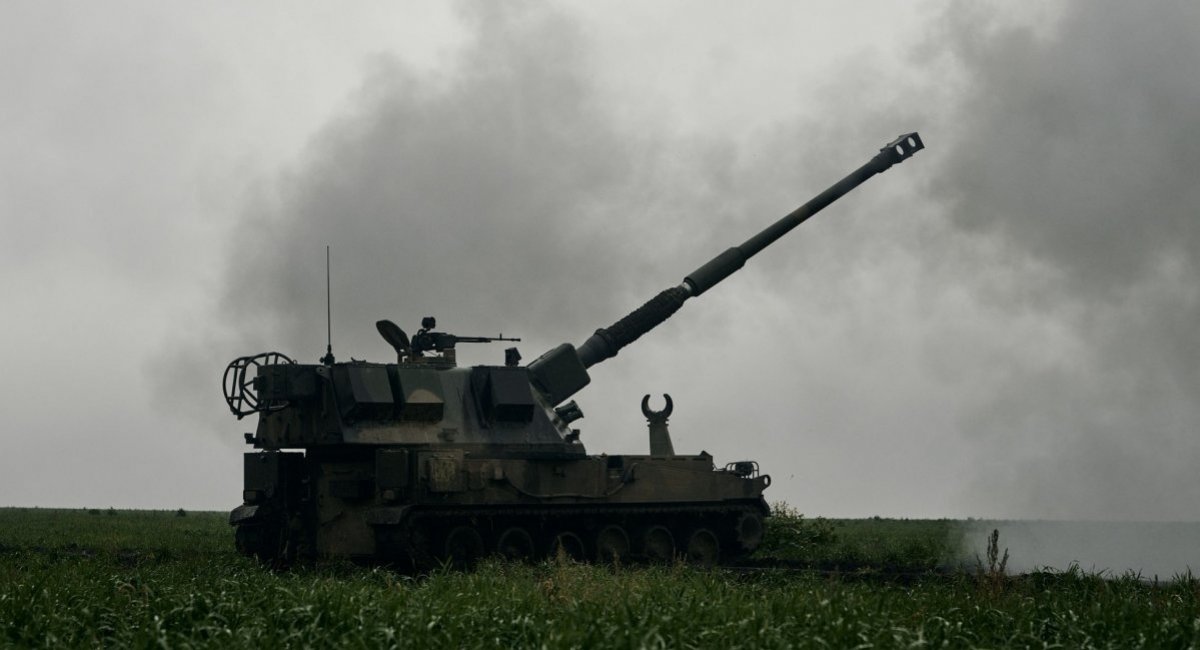
Some of the transferred systems were older but reliable, like the various M109 variants, while others were modern and high-tech, such as Caesar, Archer, Krab, and PzH 2000. In some cases, Ukraine received over a hundred units of a single model.
As of 2021, Ukraine had approximately 1,176 artillery pieces (excluding mortars), with 746 of them in the 152mm caliber, 421 in 122mm, and 13 in the 203mm category.
Since the start of the war and the creation of new military units, that number has increased due to foreign deliveries, domestic reactivation of mothballed equipment, and Ukraine's own purchases. The result is a very large and diverse artillery park.
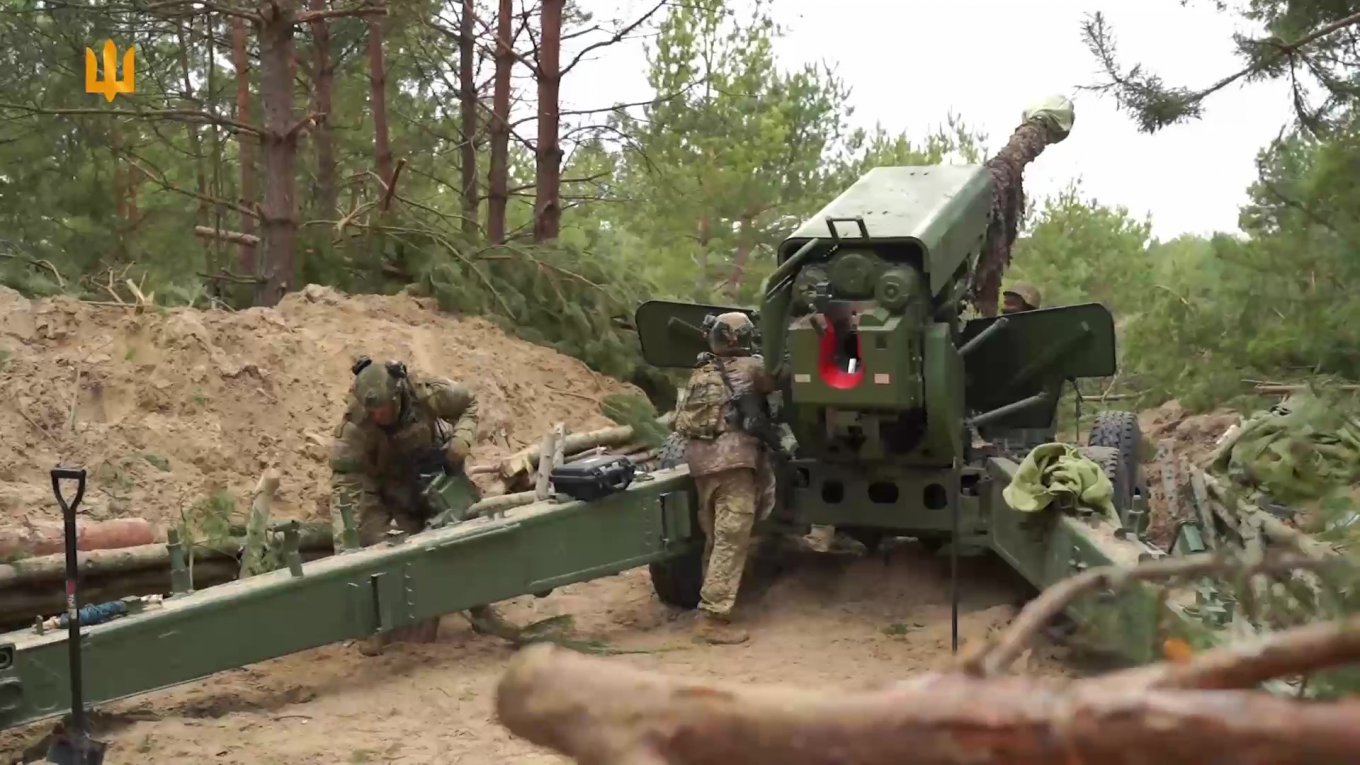
This long introduction is necessary to explain why the Bohdana, which only entered serial production in 2022, simply hasn't been produced in the quantities needed to be considered a "main" system — yet. But that could change soon.
Currently, domestic manufacturers are producing Bohdanas at an impressive rate — about 30 units per month. The production figures for the towed variant have not been disclosed, but Armed Forces of Ukraine have received at least five batches of those within the first six months of 2025.
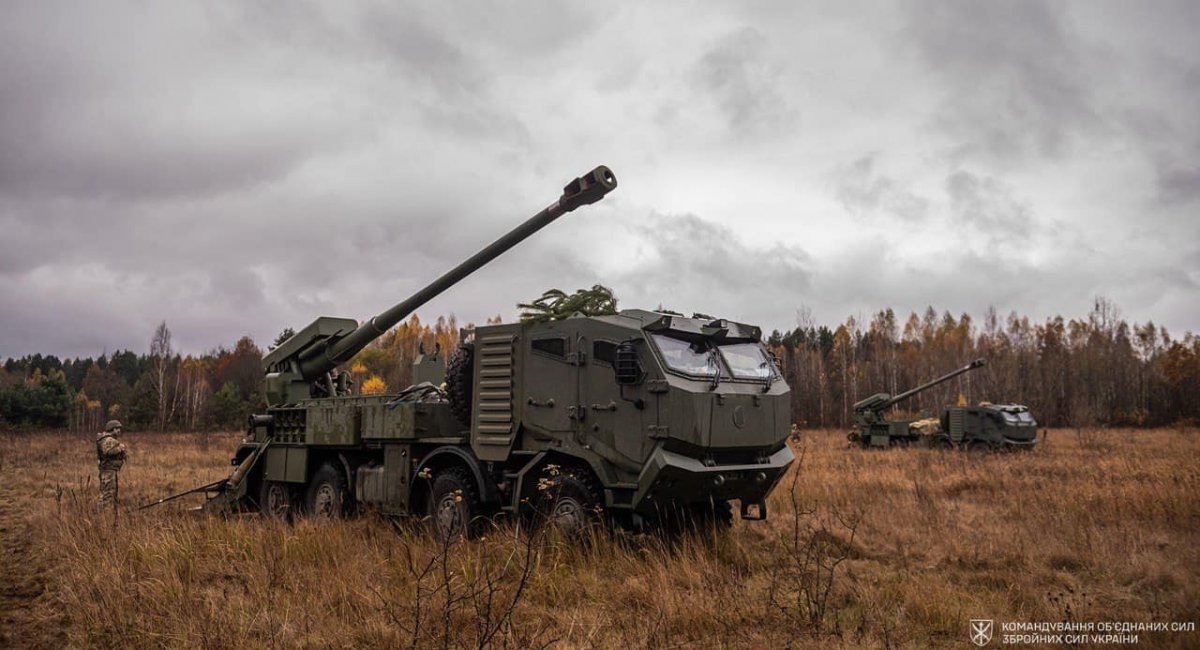
This means that, with adequate funding, Ukraine's Defense Forces could receive up to 360 self-propelled Bohdanas per year. Based on rough estimates, the Bohdana could become the most widespread artillery system in Ukraine within just 2–3 years.
That would bring significant benefits in terms of unification, simplified maintenance, and easier barrel replacement — the latter being a critical issue that has plagued several Western systems in Ukrainian service.
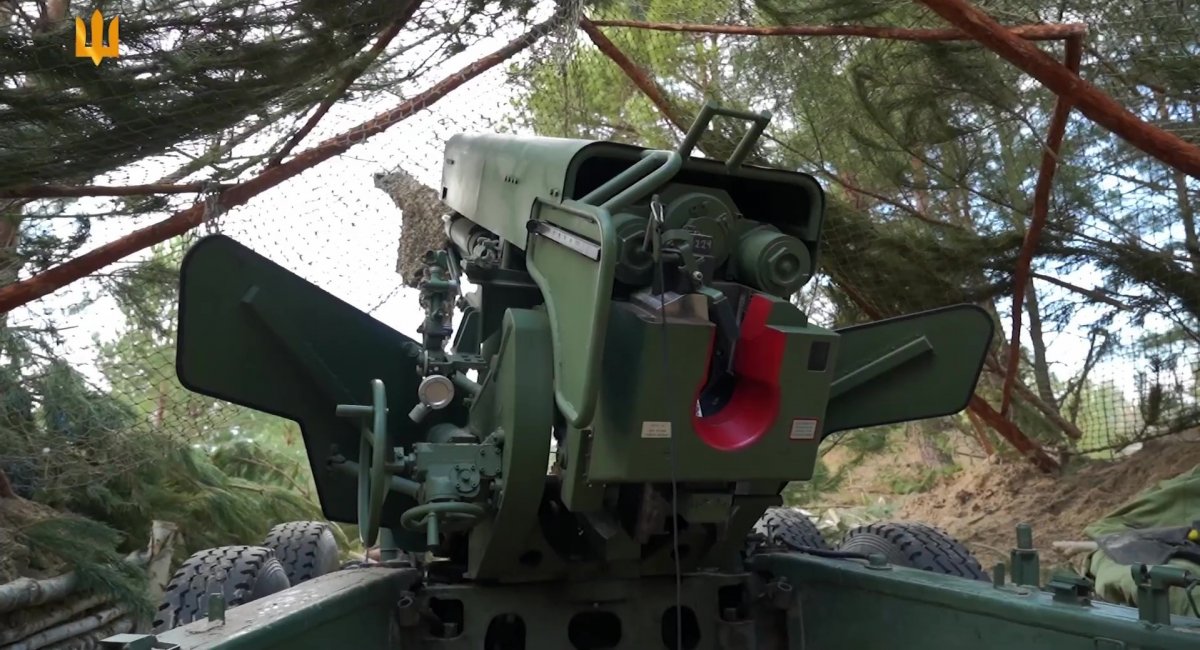
Of course, the Bohdana is still outclassed by top-tier systems like Caesar, Archer, or especially the PzH 2000. But those advanced platforms can be used by specialized units, while the Bohdana fills the role of a mass-deployable frontline asset.
In this way, Ukraine's domestic defense industry continues its confident progress — not only delivering more systems to the frontlines but also making incremental improvements. That's especially important given that some issues with the system have yet to be fully resolved.
Read more: With $6.7B Contract on K2PLs Signed, Poland's Tank Industry is Set For Revival