


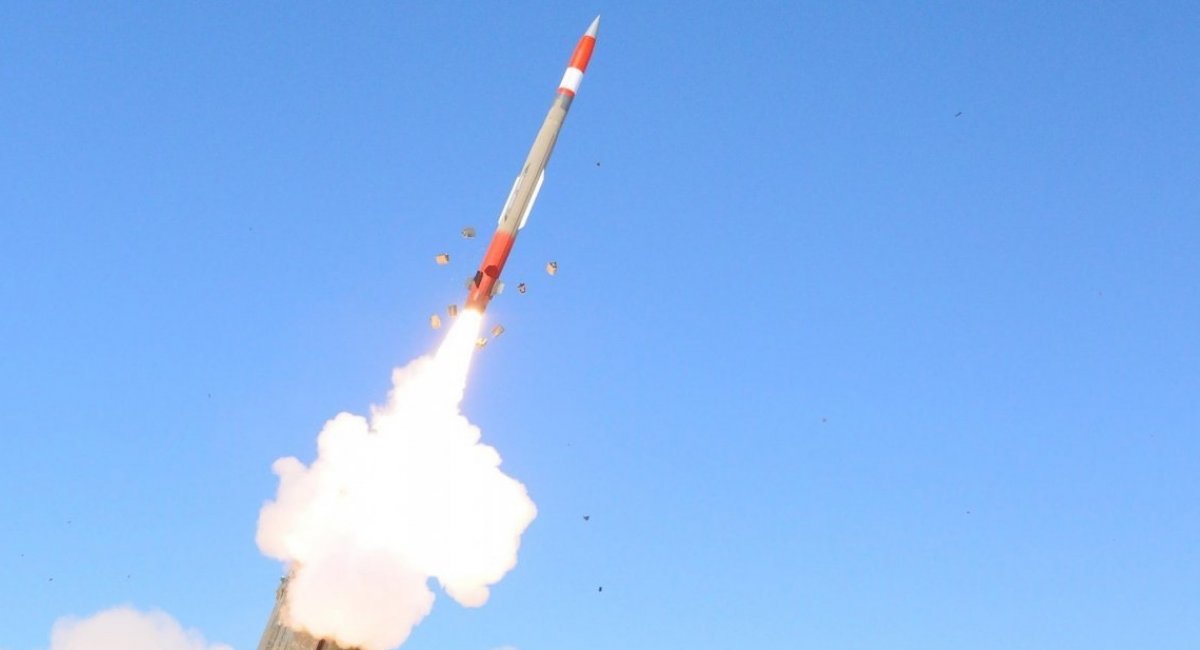
U.S. is allocating 7 years to ramp up interceptors for russian and iranian ballistic missiles. They're taking a comprehensive approach by supporting not only assembly but also required components.
According to a Pentagon statement, an agreement has been reached to triple production of seekers for Patriot PAC-3 MSE surface-to-air missiles. This is one of the critical elements ensuring missile effectiveness for shooting down assets like Iskander and Kinzhal.
Read more: From Joysticks to Neural Implants: What BCI Technology Means for Drone Warfare
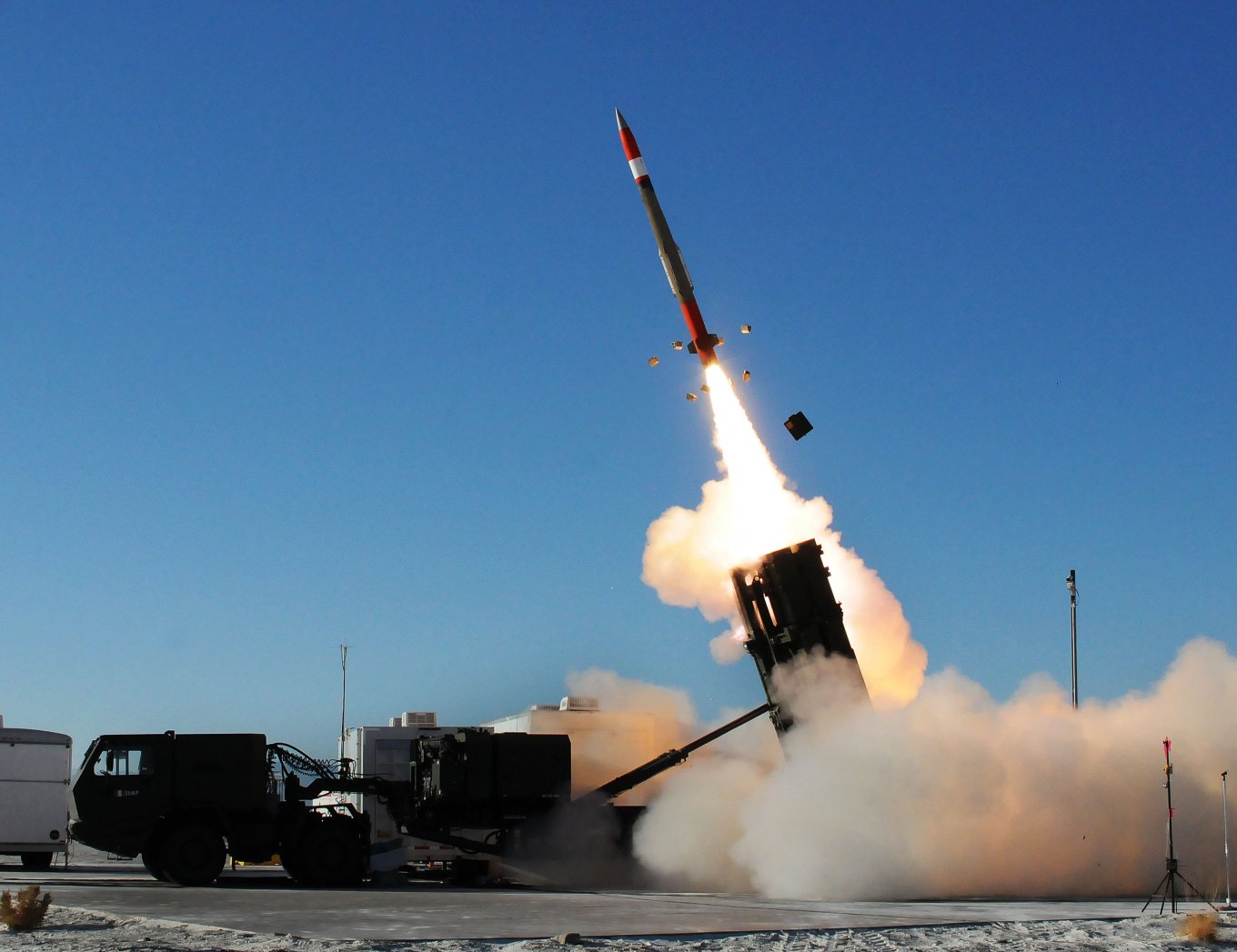
The U.S. Department of War emphasizes that this agreement represents a new approach, where they interact directly with weapons component suppliers. This ensures long-term reliability of supply chains.
Boeing was scheduled to manufacture 650-700 seekers for PAC-3 MSE in 2025, with annual volume subsequently at approximately 750 units. However, under the new agreement, within 7 years this number should reach up to 2,100 units.
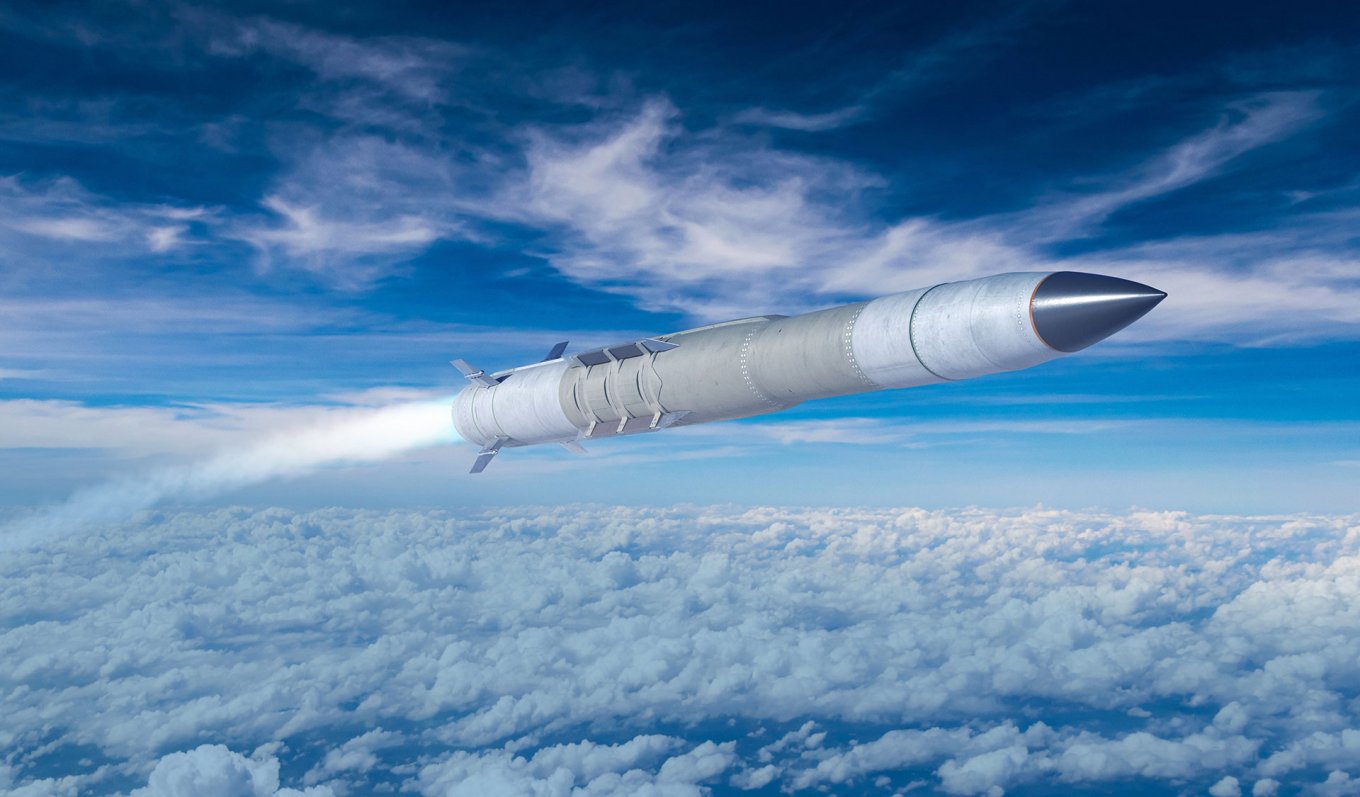
This more than corresponds to the already existing seven-year framework agreement with Lockheed Martin, which provides for tripling missile production itself, somewhere to 2,000 units per year. In other words, component supply is being pulled up to finished product plans.
It turns out that although the White House talked about rapidly increasing weapons production after high expenditures in the Middle East, the pace will remain the same as set before the war with iran began. This is largely due to the fact that this is actually quite a complex process with a whole set of problems.
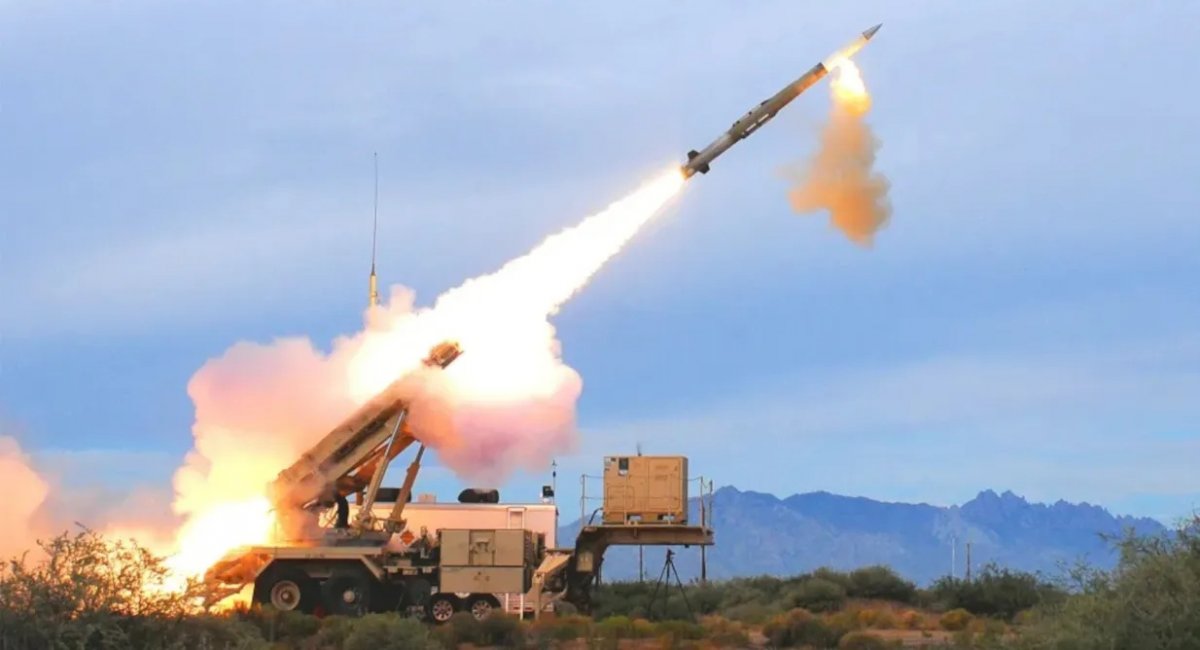
Interestingly, one element of production scaling is issuing licenses for manufacturing to other countries. The seeker is a very sensitive and unique component that provides advantage over competitors as well as high effectiveness, so technology transfer for it becomes a complex issue.
Currently, Boeing produces seekers only at its own facility in Alabama, USA. It will be interesting to see whether anyone else will receive manufacturing, or they will rely exclusively on American industry.
Read more: New TigerShark Strike Drone With 1,000 km Range Completes First Flight, Could Be Supplied to Ukraine