



Following reports that Ukrainian-made Octopus anti-aircraft drones will be produced under license in the United Kingdom, russian propagandist media widely circulated comments by one of their so-called military experts, retired Colonel Anatolii Matviichuk. He claimed that russia's occupying forces would allegedly be able to actively shoot down Ukrainian anti-aircraft drones.
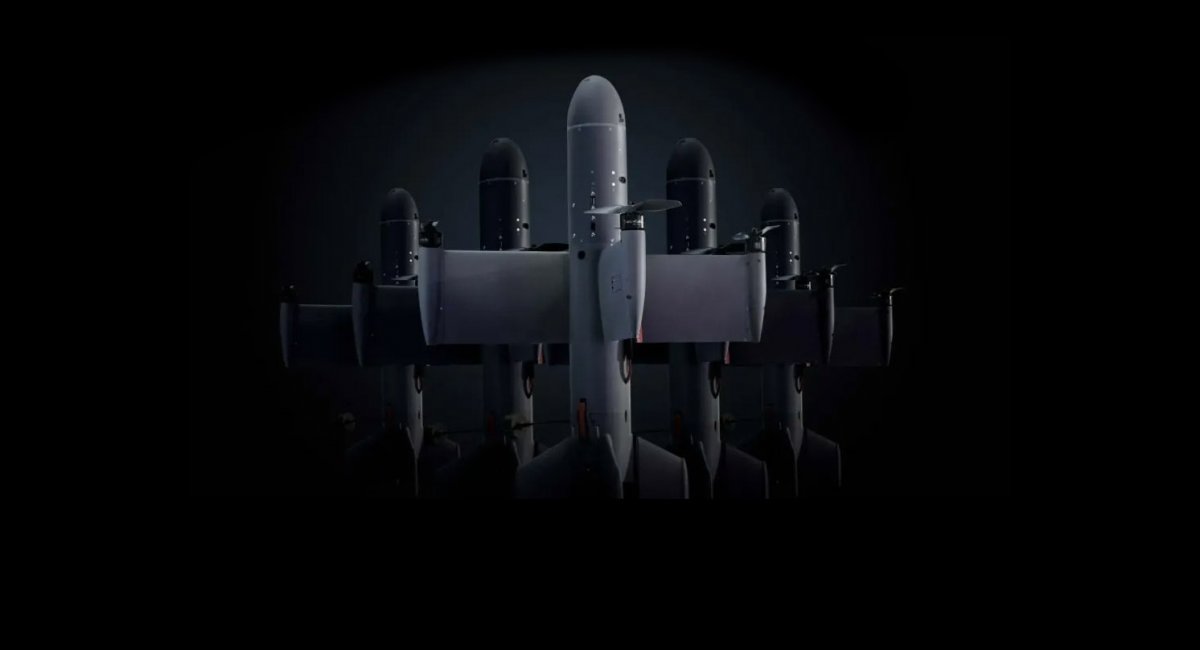
According to Matviichuk, Octopus drones in service with the Ukrainian Armed Forces would be countered by similar interceptor drones. In addition, russian forces would supposedly use the Verba man-portable air-defense system, the Strela surface-to-air missile system, and the Pantsir air defense system to destroy them. "We have everything we need to shoot down any new weapon or any new drone. I think nothing serious will happen on the battlefield," he said.
Read more: Ukraine, UK Conclude Agreement on Licensed Production of Octopus Interceptor Drone - What is Known About It
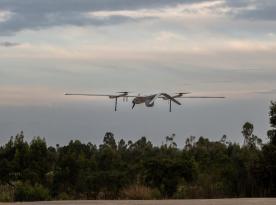
These claims, however, appear questionable at best. Octopus anti-aircraft drones are primarily designed to counter long-range strike UAVs such as the Shahed/Geran and Gerbera types. As a result, they are expected to operate in areas where russian drones or surface-to-air missile systems would be unable to reach them.
Even if Octopus drones were to intercept Shaheds along Ukraine's state border or operate closer to the front line against strike and reconnaissance UAVs, using surface-to-air missile systems against them would amount to literally "shooting sparrows with a cannon."
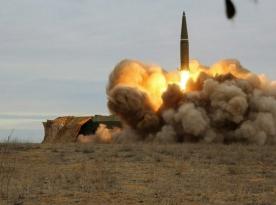
Globally, military planners are seeking ways to reduce the cost of countering missiles and drones. Against this backdrop, russia is proposing to use expensive, and in some cases scarce, surface-to-air missiles to destroy relatively inexpensive interceptor drones.
There is already a telling precedent. russian Osa-AKM air defense systems have repeatedly been observed using older 9M33 missiles instead of the standard 9M33M3 variants. This strongly suggests that russia may be experiencing shortages of air-defense missiles due to sustained Ukrainian drone operations.
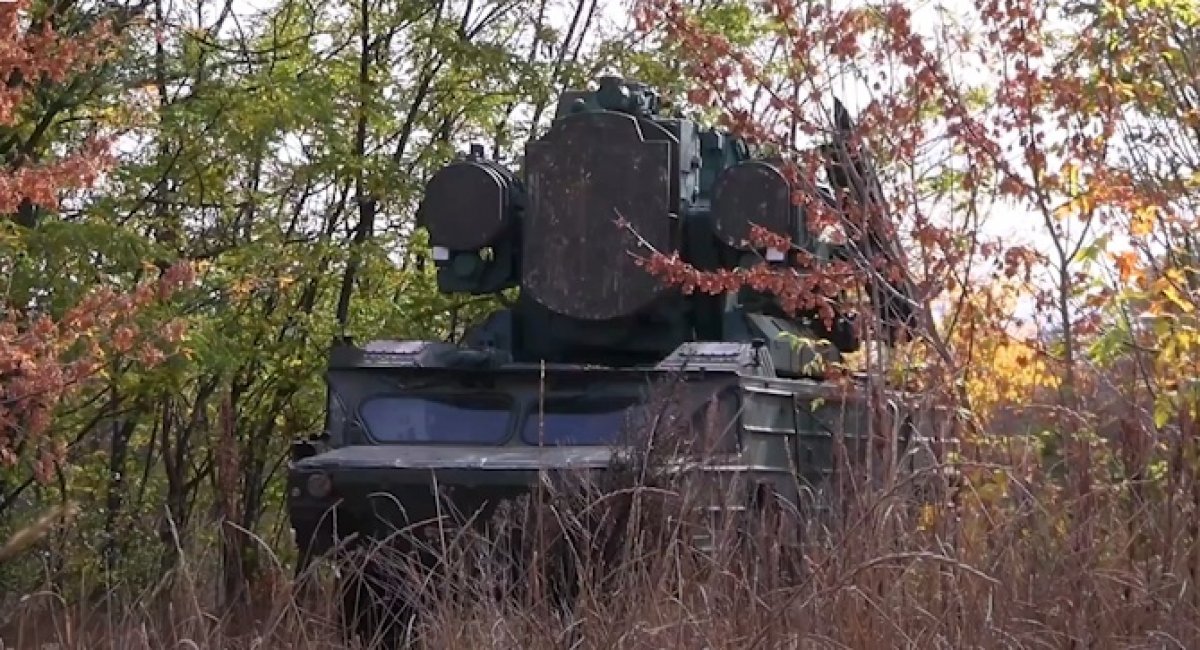
In any case, claims that russian forces will routinely use surface-to-air missiles against interceptor drones should not be taken seriously. Greater attention should be paid to improving anti-aircraft drones themselves and to the fact that russia is actively adopting similar tactics. russian forces have already learned to shoot down Ukrainian long-range UAVs such as the FP-1, Liutyi, and E-300 using interceptor drones, which represents a genuinely serious challenge.
Read more: Anti-Aircraft Drones from Ukraine May Become One of Solutions for U.S. to Be Protected Against UAVs