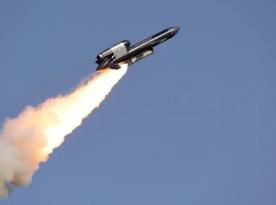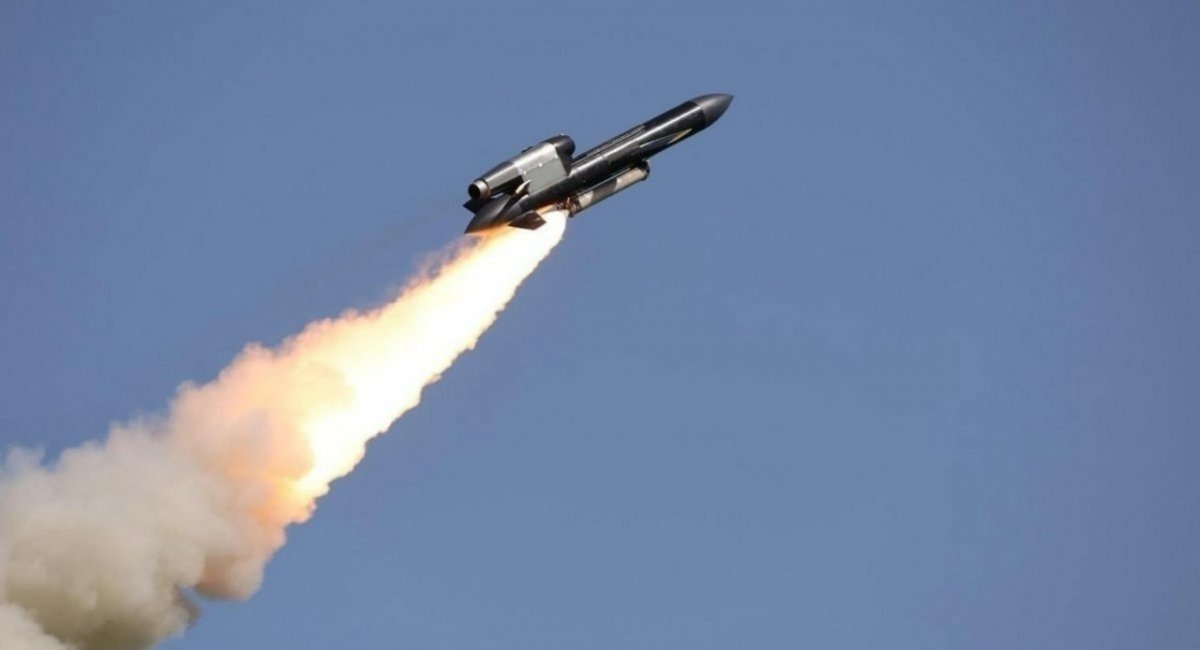
It has been reported that Renault and Turgis Gaillard, the developer of the Aarok drone, are working on a system comparable to the FP-5 Flamingo. The project has received €35 million in funding from France's defense procurement agency, the Direction générale de l'armement.
According to Opex 360, the Chorus system is expected to have a maximum range of 3,000 km, a warhead weighing up to 500 kg, and a flight speed of around 400 km/h. The unit cost is estimated at approximately €100,000.
Read more: Ukrainian FP-5 Flamingo Missile Hits Plant of the Leading Explosives Manufacturer in russia (Video)
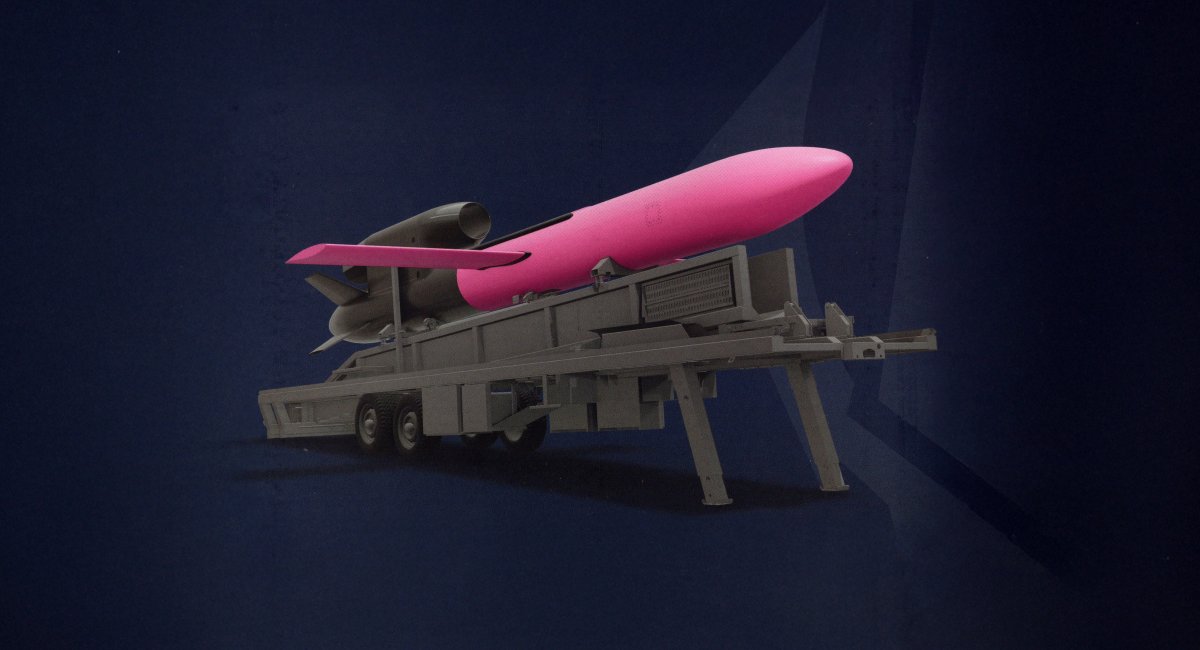
From Defense Express' perspective, the Ukrainian FP-5 Flamingo appears to offer superior performance. It is reported to carry a warhead exceeding one ton and reach speeds of up to 900 km/h, while maintaining the same 3,000 km range. This suggests that Chorus will likely be smaller and powered by a less powerful engine.
The FP-5 Flamingo has a launch weight of around six tons and is powered by legacy AI-25 or AI-25TL engines, which are also used on Czech L-39 Albatros aircraft. Even so, Chorus remains a capable long-range strike system, although in France it is positioned as a drone.

It should be noted that Renault and Turgis Gaillard's plans to produce Chorus became known in January. At the time, it was assumed to be closer to a Shahed-136-type system due to the lack of disclosed specifications. It is also possible that Chorus could eventually be supplied to Ukraine, at least for testing.
France does not currently plan to mass-produce Chorus or procure large quantities. Instead, the concept is that Renault will be able to rapidly scale up production "when the time comes," most likely in the event of a conflict when such systems are urgently needed.
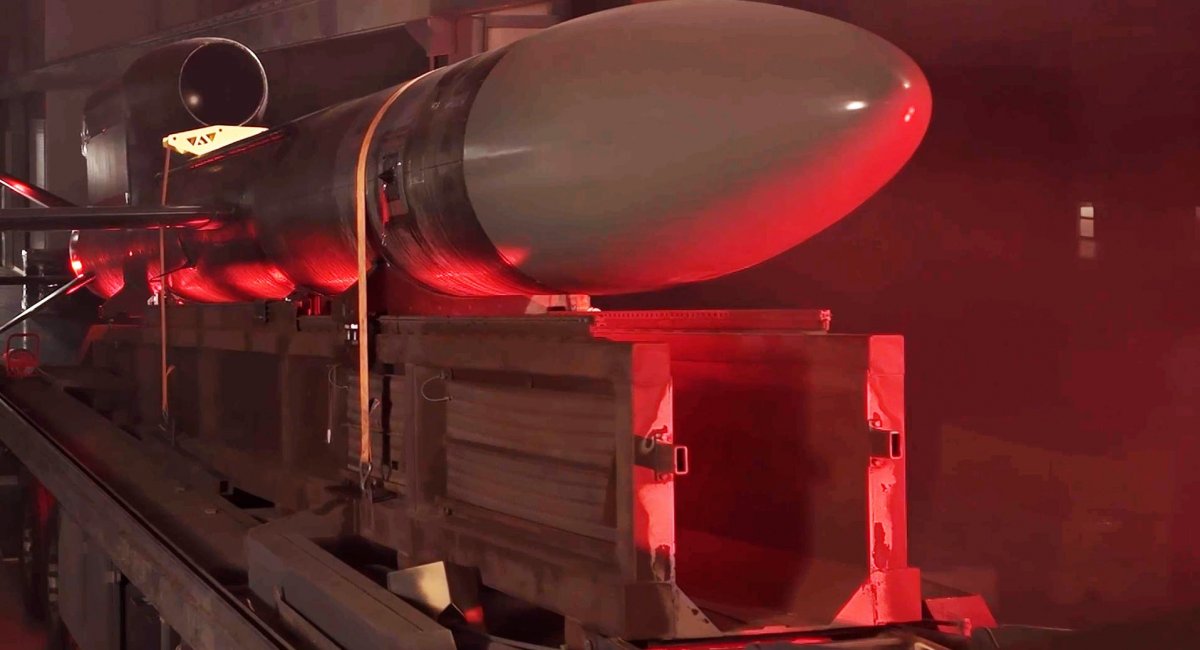
This approach appears practical. If large quantities were procured in advance, it is unclear how long they would remain in storage. Over time, such systems may become outdated or degrade, as relatively low-cost weapons typically have limited shelf life and cannot be stored for decades.
A similar model may be relevant for Ukraine in the future, once active hostilities end. For example, current-generation FPV drones are not well suited for long-term storage. Maintaining minimal stockpiles while ensuring the ability to rapidly scale production when needed may be the optimal solution.
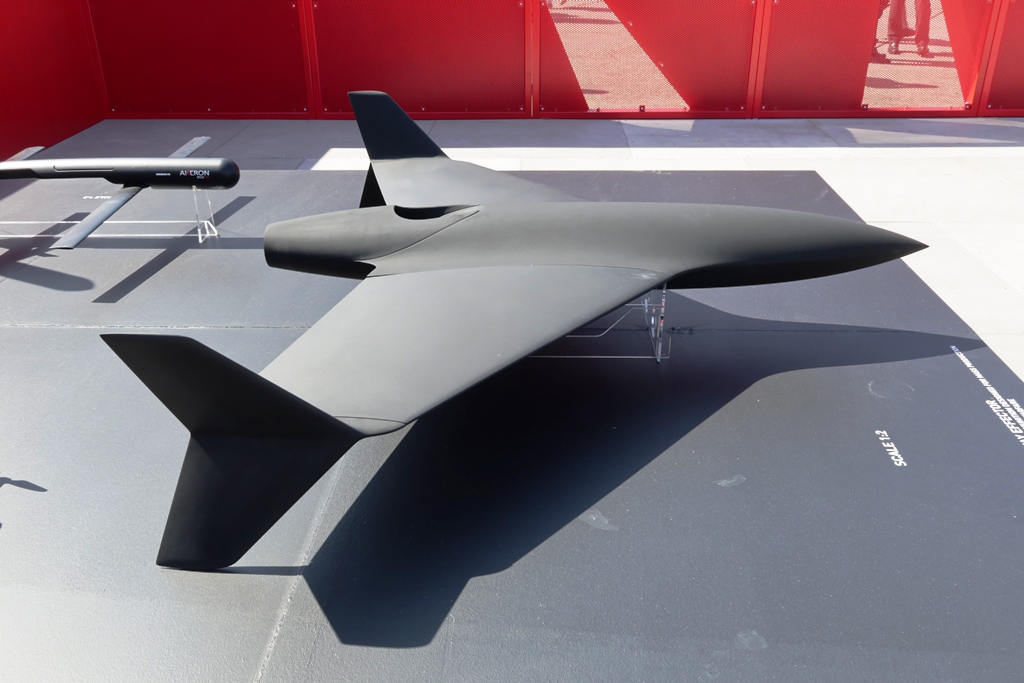
Opex360 also suggests that Chorus could be used in combination with jet-powered one-way attack drones, known as One-Way Effector, currently being developed by MBDA and Aviation Design. These systems are expected to be produced at a rate of up to 1,000 units per month and could help saturate enemy air defenses and open corridors for Chorus strikes.
Read more: Frame-by-Frame Analysis of FP-5 Flamingo Strike on russia's Votkinsk Plant, Where Iskander, Oreshnik Missiles Are Produced