


The UK government has announced a significant order for Skyhammer anti-aircraft drones designed and produced by the startup Cambridge Aerospace, which are designed to counter the Shahed-type UAVs. The volume of the order remained undisclosed, but deliveries under this "multi-million contract" are due to begin in May 2026.
These Skyhammers will not only strengthen the British army, but, as noted in London, will also be supplied to the Gulf countries. This means that the interceptor drones are direct competitors for Ukrainian solutions that have already been tested in real battles and have proven themselves to be effective.
Read more: russia Debuts Geran-5 Jet-Powered Strike UAV in Attacks on Ukraine
The characteristics of the Skyhammer were also announced: speed up to 700 km/h, range up to 30 km. It is also reported that the agreement for the supply of these means supports the existing 125 jobs of Cambridge Aerospace and will allow the creation of 50 more jobs.
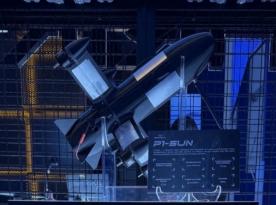
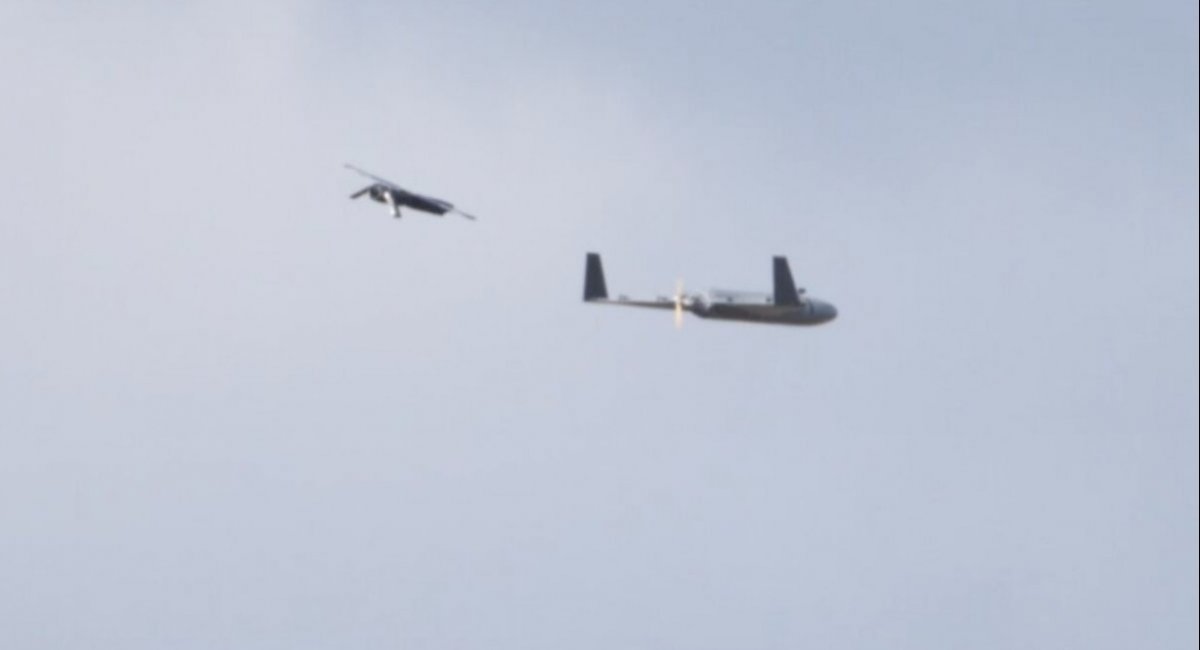
The only image published by the British government does not give much insight into the origin and characteristics of this drone. After analyzing the published images, one can only conclude that we are talking about an aircraft that is launched from a transport and launch container, as the drone has folding wings.
At first glance, it may seem that the Skyhammer came out of nowhere, like its developers. But in fact, it is the result of quite a long work. In particular, the Cambridge Aerospace startup itself was founded back in September 2024 by Stephen Barrett, a professor at the University of Cambridge, and Chris Silvan, former director of development of the British division of the American company Anduril. This startup received a rather big initial investment of 96 million pounds (over 130 million dollars).
The company first announced itself publicly in September 2025 at the DSEI UK defense exhibition, where it presented mock-ups of two of its developments, the Skyhammer anti-aircraft drone and the Starhammer anti-aircraft missile, which will apparently be ready later. At that time, company representatives stated that the development of the drone took just six weeks from the start of concept development to the first flight, which was carried out in early 2025.
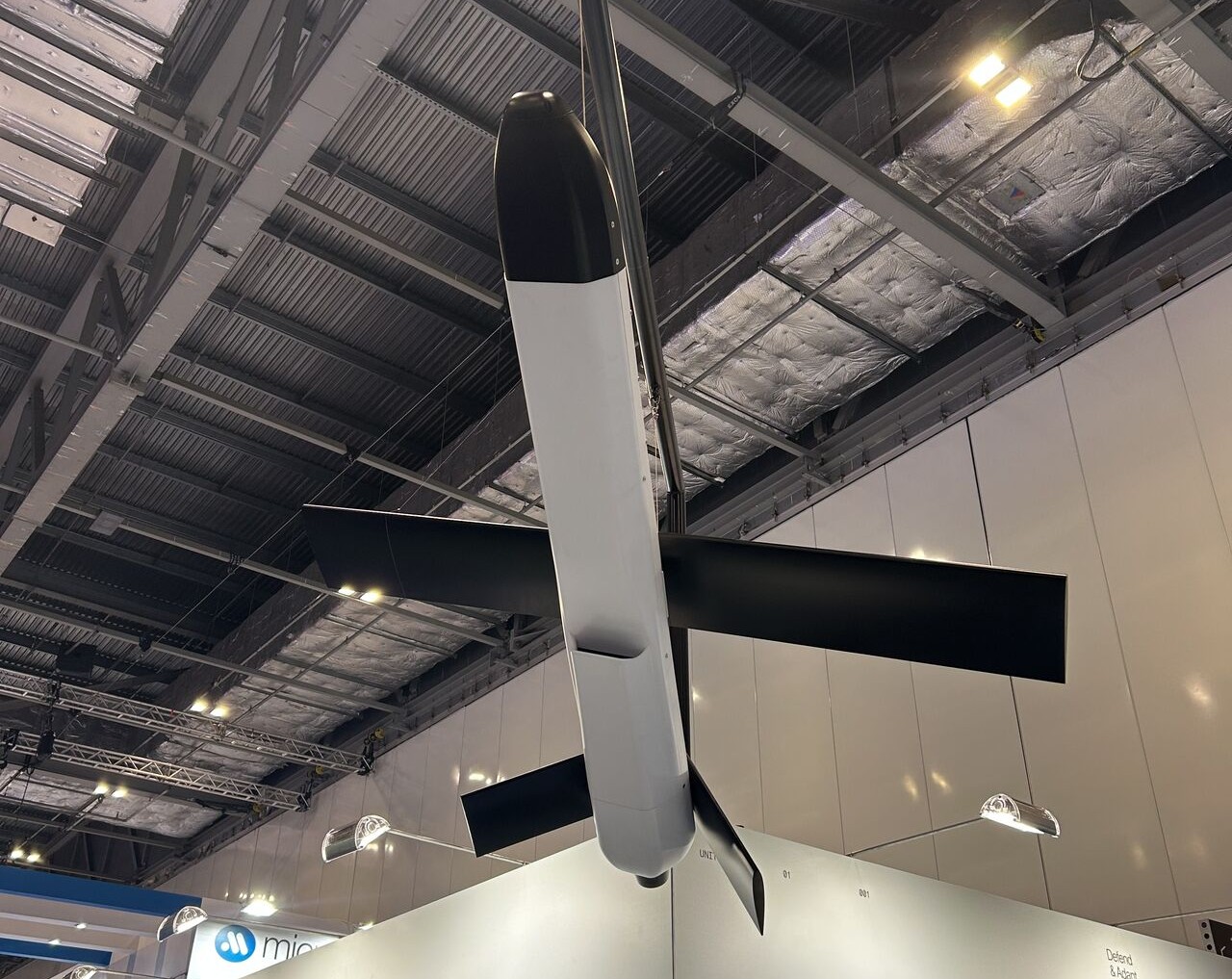
Also, then, in addition to the speed and range parameters, the maximum target height was mentioned – up to 4 km. At the same time, it was initially stated that the Skyhammer has an active X-band homing radar head of its own design and that it can fight not only drones, but also cruise missiles.
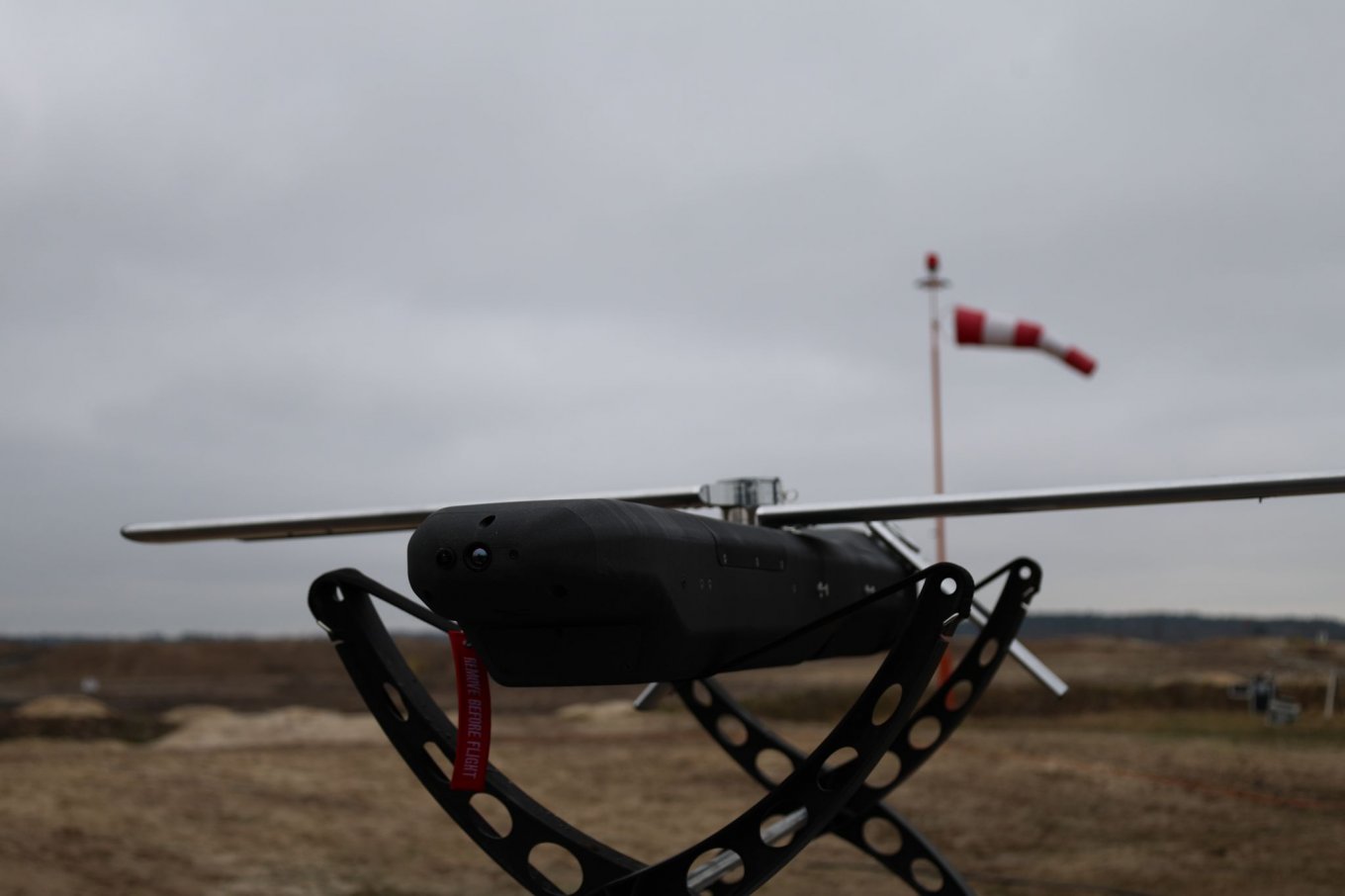
Apparently, the company's plans have changed slightly. The new photo of the drone shows that it has cameras and, most likely, is equipped with a visual homing head with AI algorithms.
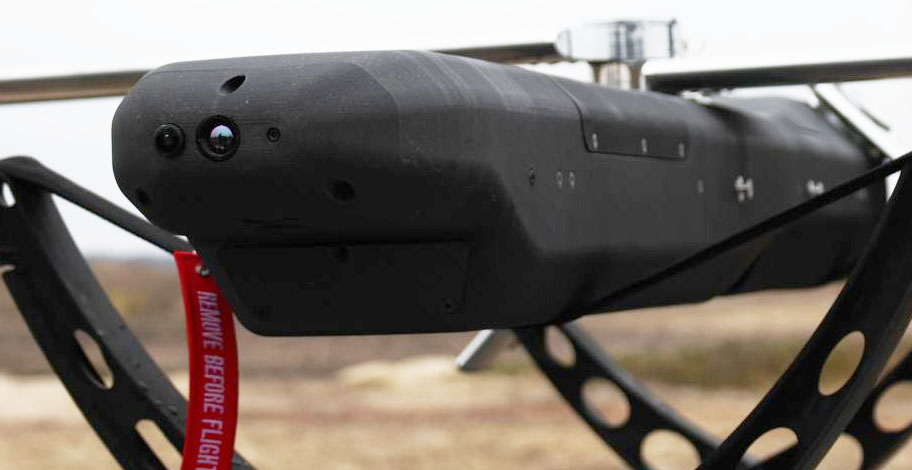
However, the Skyhammer still retains a certain drawback – a miniature turbojet engine, which accelerates this drone to a speed of 700 km/h. Its use immediately significantly increases the final price of the drone. But even this is not critical, because it is more important that such turbojet engines are currently a bottleneck in production - they are produced several orders of magnitude less than internal combustion engines used in Shahed-type strike UAVs. Therefore, the most effective use of the Skyhammer may be as an interceptor of long-range jet drones such as the Iranian Karrar and its russian copy Geran-5, which are capable of moving at speeds of about 450-600 km/h
Read more: Quantum Systems Not Only Supplies Drones to Ukraine But Also Invests in Ukrainian Manufacturers, with Germany Funding Interceptors