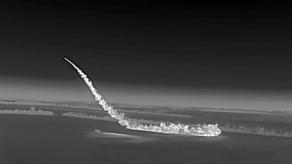
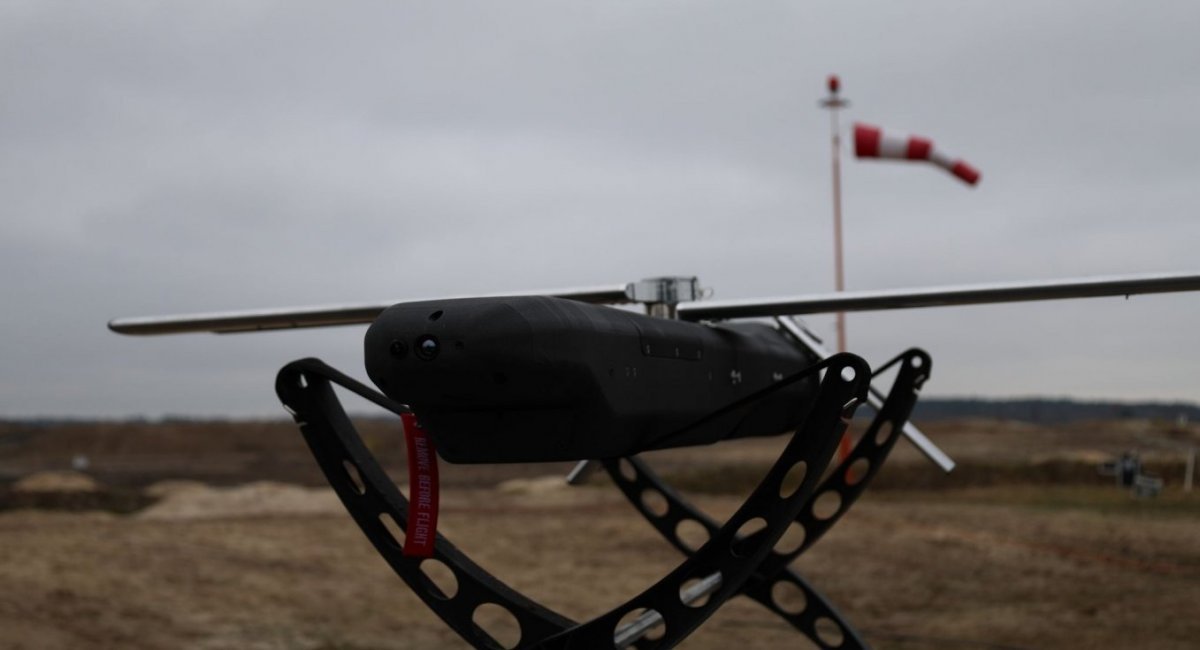
The UK recently tested its Skyhammer anti-drone interceptor missile, developed by the startup Cambridge Aerospace, at a site operated by the local defense company Deep Element in Jordan. The trials were conducted in challenging desert conditions and were deemed successful. They were also observed by the UK Minister for Defence Procurement and Industry, Luke Pollard.
In this context, Pollard emphasized the ability of the UK's defense industry to respond quickly to modern threats, drawing on lessons learned from conflicts in Ukraine and Iran.
Read more: What Key Technologies for Destroying UAVs Ukraine Mastered and Why Is This the Only System of Systems in the World
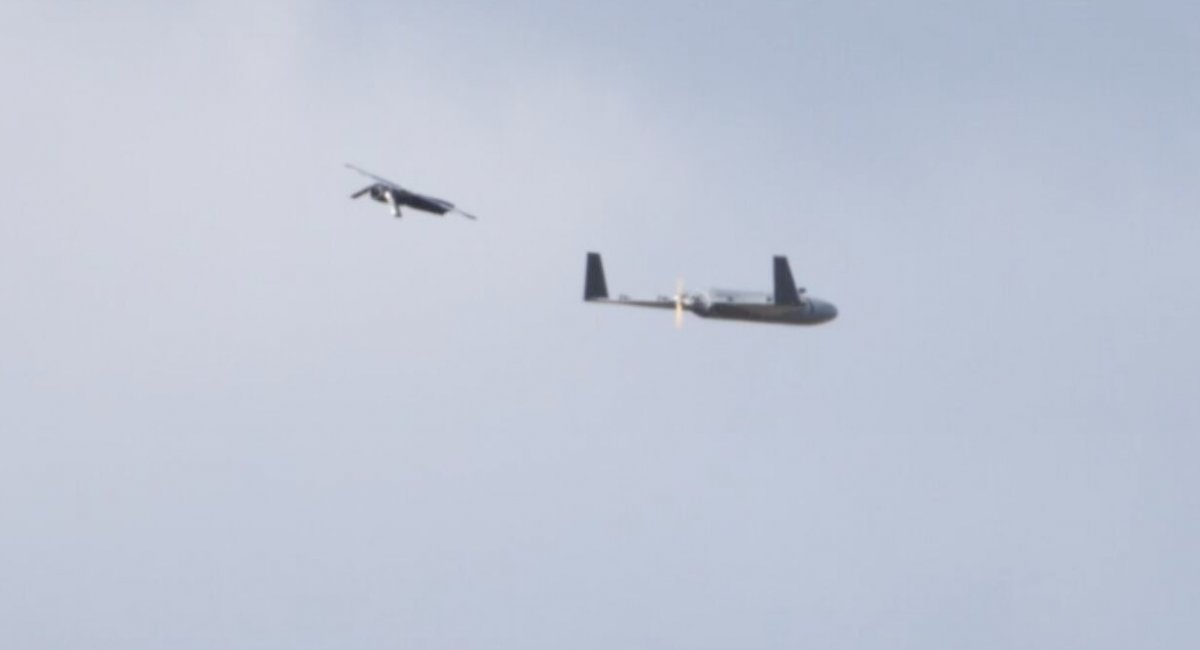
Meanwhile, Stephen Barrett, CEO of Cambridge Aerospace, highlighted that the Skyhammer interceptor is both a cost-effective solution for countering aerial threats and a system with strong operational potential, according to UK Defence Journal.
As an anti-drone system, Skyhammer offers notable performance characteristics, including a range of up to 30 km, speeds of up to 700 km/h, and an operational ceiling of up to 4 km. These parameters make it particularly relevant for intercepting high-speed jet-powered drones.
However, how low-cost Skyhammer actually is remains an open question. Its price is influenced by the use of a miniature jet engine, which is currently in limited supply. This makes Skyhammer more of a niche solution, particularly suited for countering fast jet-powered drones such as russia's Geran-5, while still retaining clear operational value.
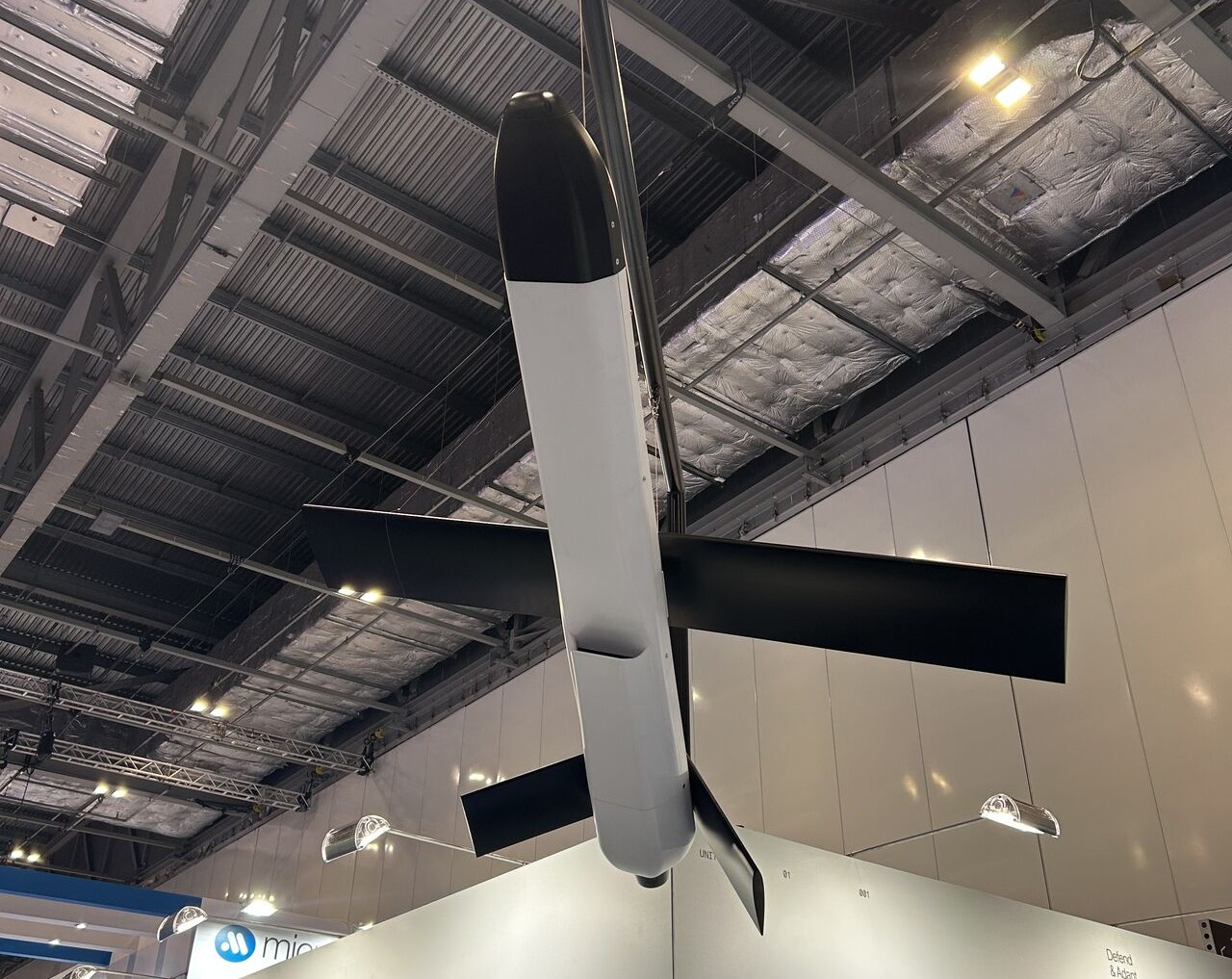
Earlier reports also indicated that the UK plans to supply these interceptors to Gulf countries. The fact that they were tested so quickly in Jordan may be a concerning signal for Ukrainian interceptor drone developers. It highlights how competitive the anti-drone interceptor niche is becoming, especially amid ongoing uncertainty over the opening of Ukraine's arms exports, which nonetheless appears increasingly likely.
A year or two ago, Ukrainian anti-aircraft drones were a unique phenomenon, shaped by real combat experience and rapid adaptation. Today, however, more startups and major defense companies are entering this field, including firms such as Rheinmetall. Countries like Jordan, which urgently need protection against long-range strike drones such as Iranian Shaheds, are actively seeking such solutions.
At the same time, it would be inaccurate to describe Skyhammer as a direct competitor to Ukrainian interceptor drones. The key advantage of Ukrainian systems lies in their scalability and relatively low cost. In contrast, Skyhammer appears to be a more specialized solution, with potential limitations in both price and production volume.
Earlier, Defense Express reported on the key technologies Ukraine has already mastered to counter Shahed drones, effectively creating the world's only true system of systems in this domain.
Read more: Rheinmetall Unveils New RV-005 Anti-Aircraft Drone Featuring AI Technology