


Ukrainian solutions are being actively studied in Taiwan, sometimes without explicit reference, as the island places its bet on modern, adaptive, and mass-produced defense concepts as a key element in deterring a potential intervention by mainland China. Earlier, Taipei looked to Ukraine's experience and planned to procure more than a thousand naval drones. Now, it is actively converting a target drone into a long-range strike system.
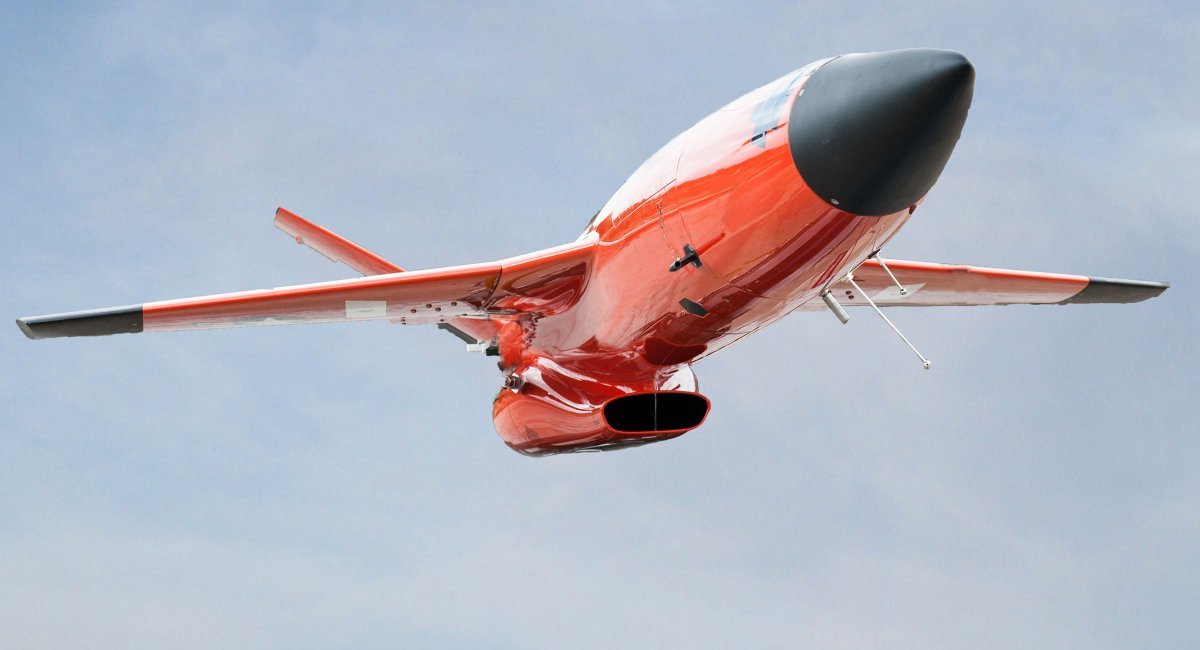
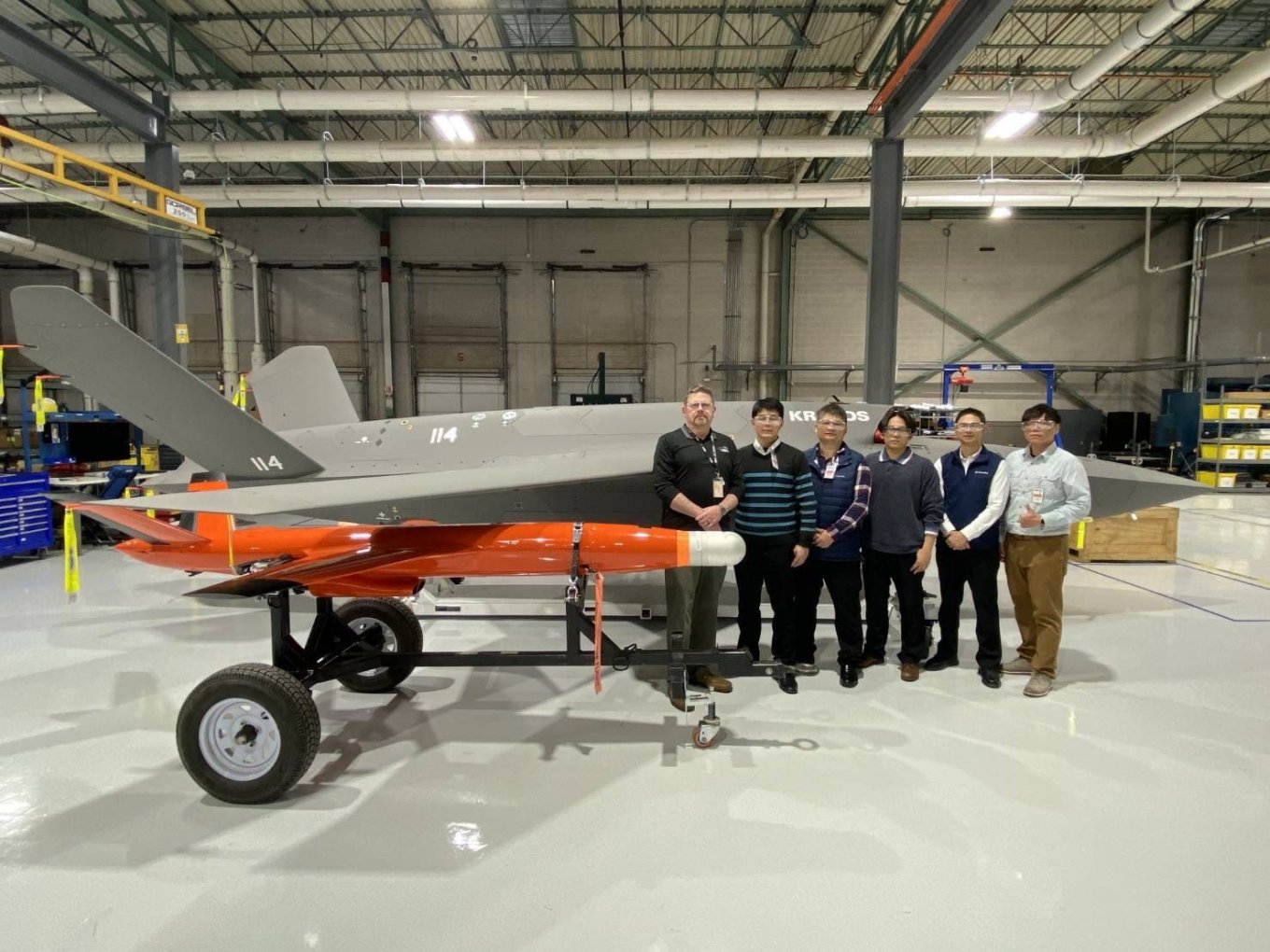
As announced by the National Chung-Shan Institute of Science and Technology (NCSIST), which despite its name is a powerful state-owned corporation responsible for developing missile systems and other weapons, a successful test of the Mighty Hornet IV strike UAV has been conducted. This system is a modification of the MQM-178 Firejet produced by the U.S. company Kratos.
Read more: China Built 500+ km "Wall" at Sea in Days — Dry Run for Taiwan?
The work has been carried out in close cooperation and is aimed at creating a low-cost, mass-produced long-range strike capability. According to the information released, the Taiwanese contribution focused on the development and integration of the payload into the target drone without altering the UAV's basic airframe. Flight tests of the system are scheduled to take place later this year. This represents a notably rapid development pace for the Western defense industry, especially given that the project was publicly announced only in September 2025.
Published imagery shows that the warhead has been installed in the nose section of the MQM-178 Firejet, replacing the standard nose cone. The weight and type of the warhead have not been disclosed. However, Kratos previously stated that the maximum payload capacity of this UAV is up to 35 kg when carried externally under the fuselage, and up to 32 kg when placed in an internal compartment.
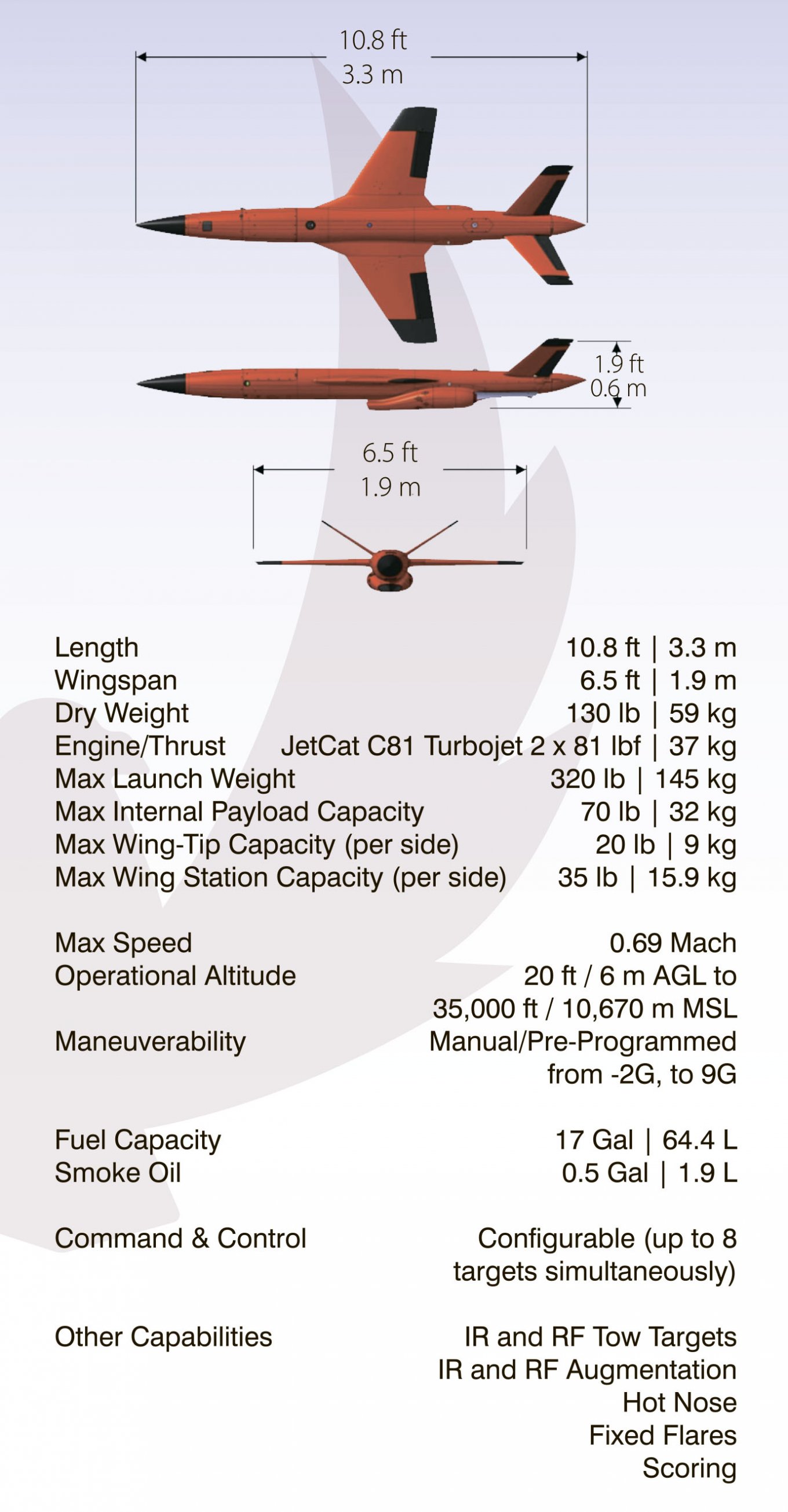
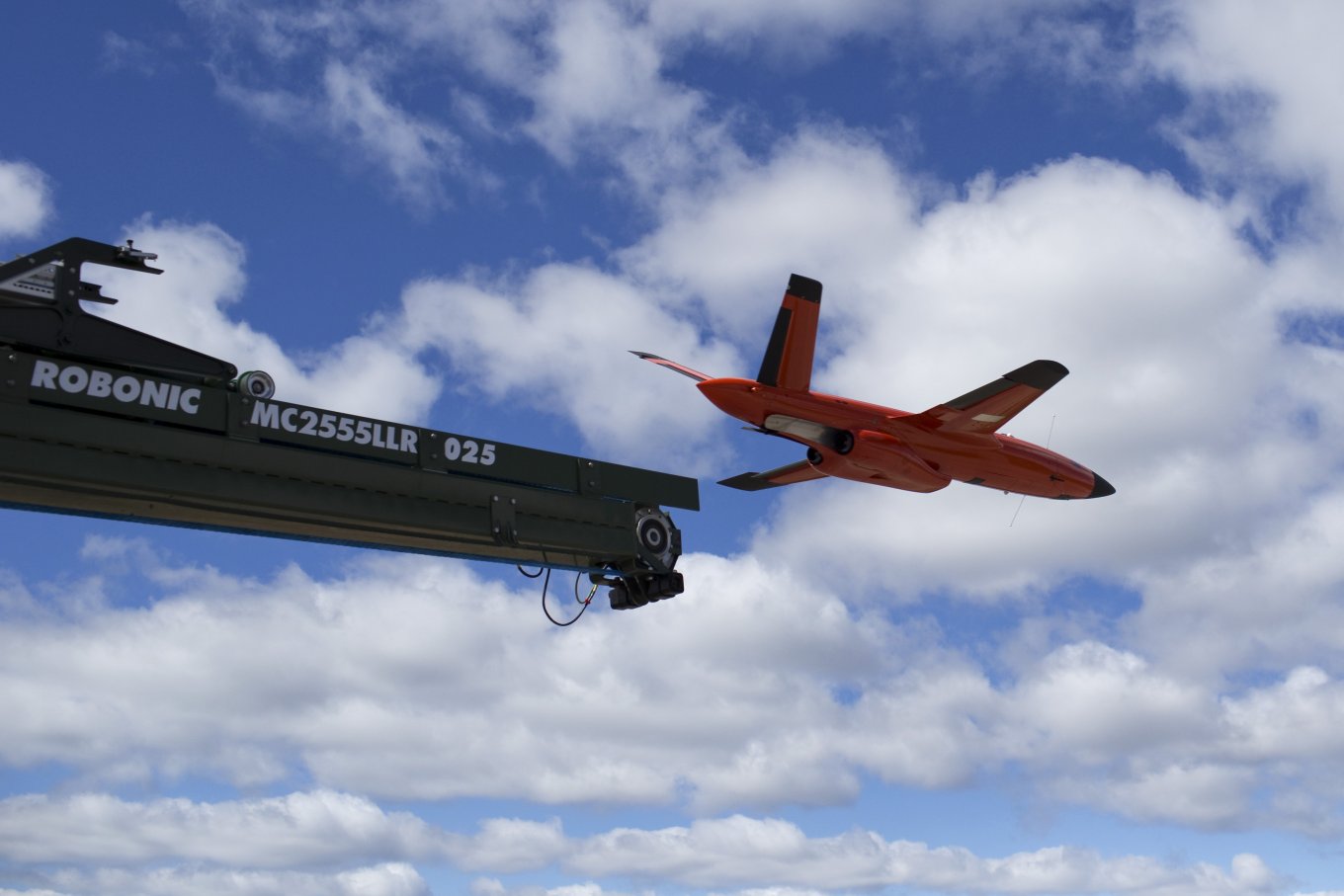
The MQM-178 has a wingspan of 1.9 meters, a maximum speed of up to Mach 0.7, a minimum flight altitude of just 6 meters, and a maximum altitude exceeding 10 km. It is also claimed to be capable of active maneuvering with load factors ranging from –2 g to +9 g. These flight characteristics are provided by a pair of miniature JetCat C81 turbojet engines, each producing 37 kg of thrust. The MQM-178 is launched from a catapult and does not require a solid-fuel booster.
However, for a cruise missile, another parameter is critical: a jam-resistant navigation system. The integration of such a system has not yet been announced, although it would be a highly expected step. This is particularly relevant given that Kratos, known for its XQ-58 Valkyrie unmanned fighter, clearly possesses the necessary technologies and experience.
The approach of converting a target drone into a cruise missile closely mirrors Ukraine's experience, not only with transforming the Tu-141 Strizh reconnaissance drones into improvised cruise missiles, but also with adapting Tu-143 Reis target drones. For Ukraine, this was largely a solution driven by necessity, adapting available assets to meet urgent long-range strike requirements. For Taiwan and Kratos, however, it represents a deliberate and pragmatic decision to repurpose an existing platform for new missions.
At the same time, the idea of repurposing target drones originally designed as low-cost systems is gaining traction beyond Taiwan. In particular, Canada's UVAD Technologies is pursuing a similar concept with its supersonic Falcon platform.
Read more: Secret Cruise Missile Spotted in Taiwan, Seen Only a Few Times Over 25 Years