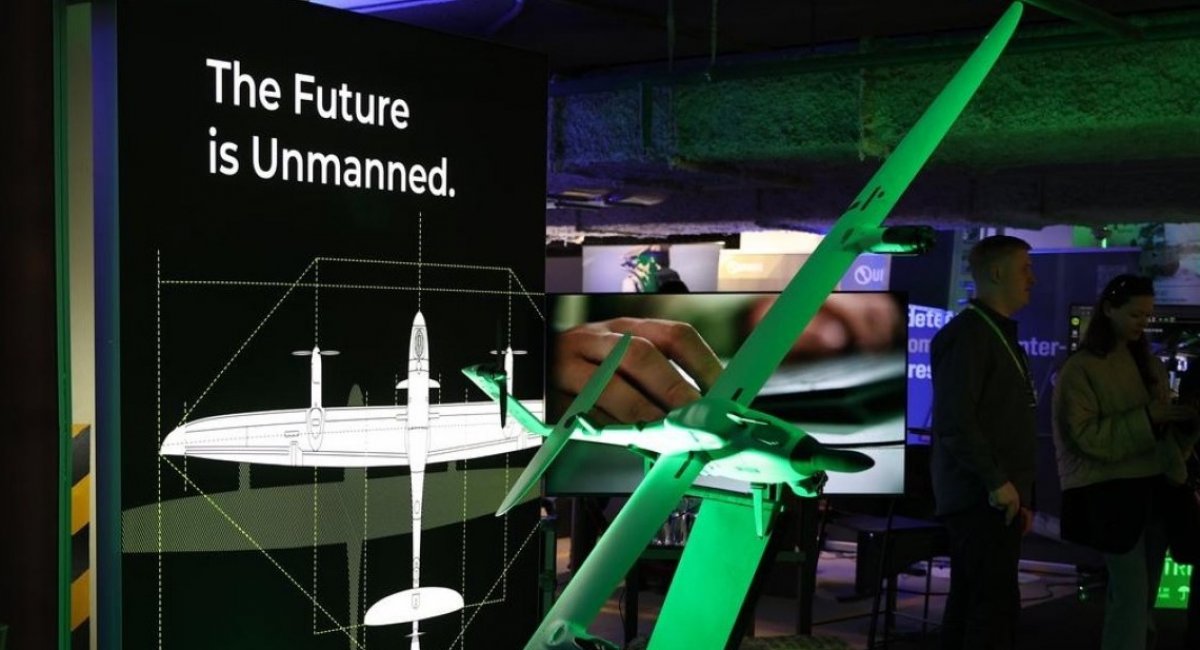
Public acknowledgments from the russian side regarding the effectiveness of Ukrainian Defense Forces' unmanned aerial systems have been appearing with increasing frequency — both at the front line and deep in the rear. These are not simply statements about the volume of strikes, but about the systematic nature, precision, and speed of adaptation that characterize Ukrainian drone solutions in modern warfare.
Speaking at the annual Kyiv Security Forum, Head of the Office of the President of Ukraine and former Chief of the Defense Intelligence of Ukraine Lieutenant General Kyrylo Budanov emphasized that such admissions from the enemy carry significant weight.
Read more: Pentagon Breaks New Ground, AI Agents Now Authorized to Work With Classified Military Documents
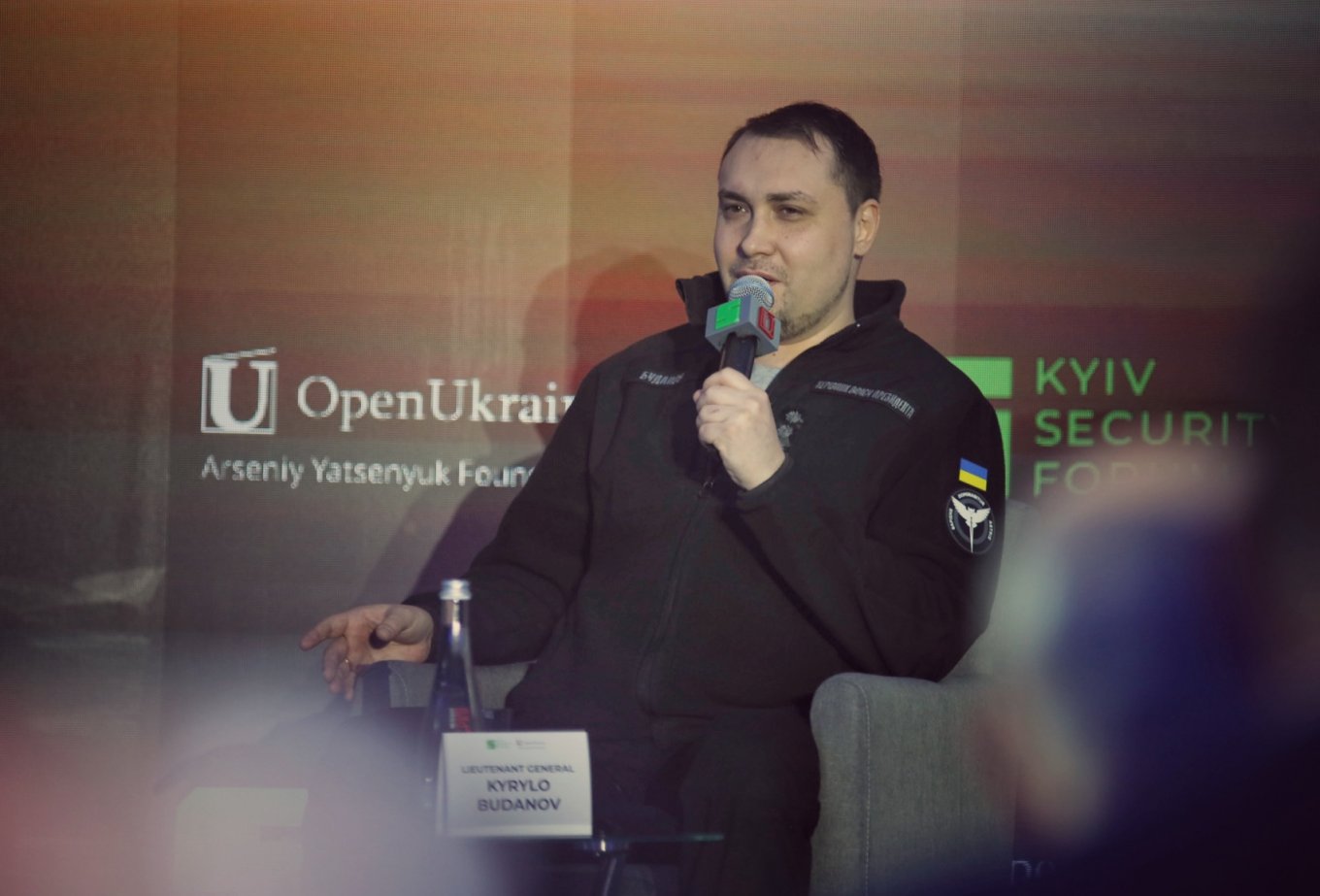
They demonstrate, he said, that Ukraine has effectively imposed its own rules of engagement in the unmanned systems domain. At the same time, he noted that the drone war itself is evolving continuously, and any technological advantage ceases to be absolute very quickly.
Just a few years ago, iranian-supplied Shahed-136 strike drones posed a serious challenge for Ukraine. Today, the battlefield has transformed into something far more complex: the mass use of FPV drones, digital communication channels, LTE solutions, and fiber-optic control systems. This is precisely why Ukraine needs a new technological breakthrough — without one, the effectiveness of UAV operations could begin to decline at an exponential rate. To some extent, this is already happening.
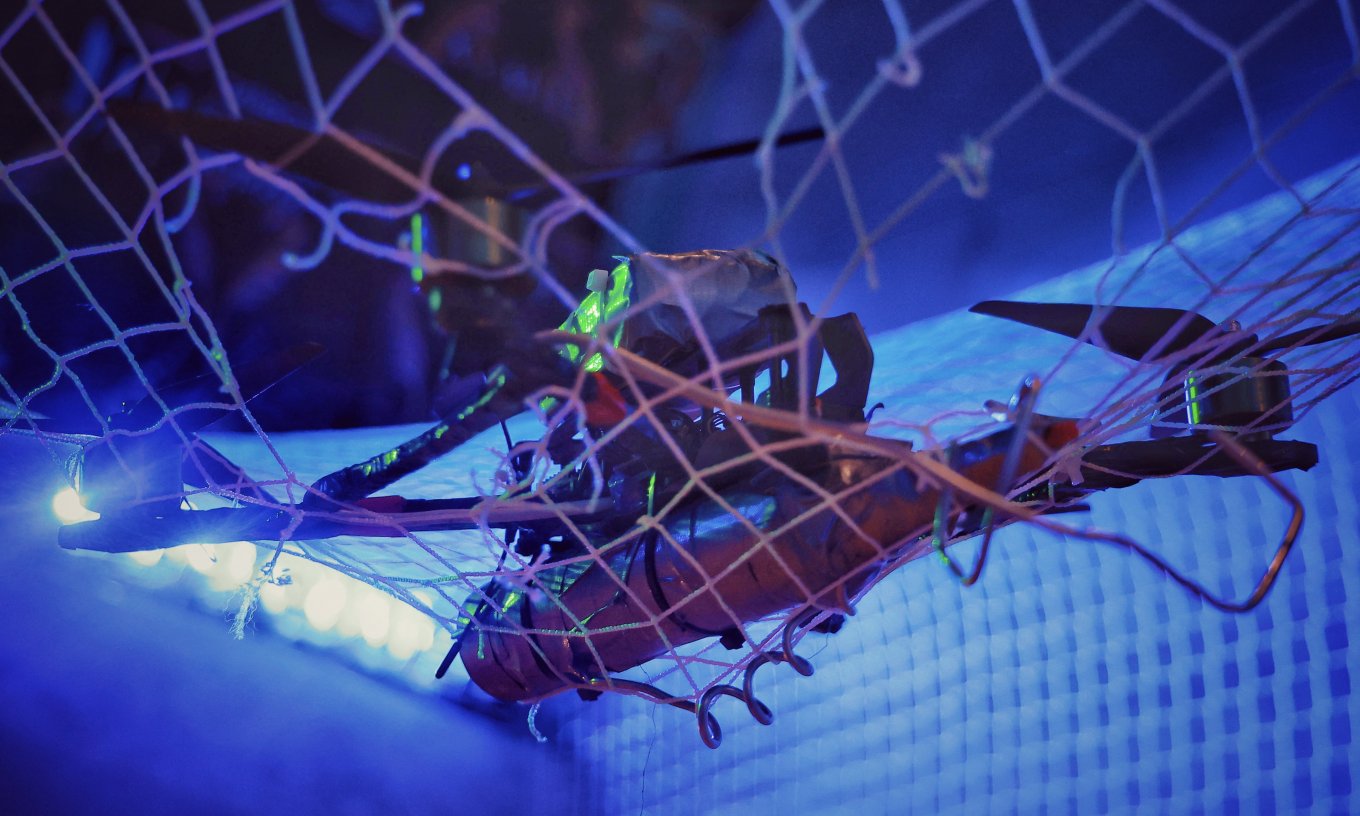
The primary driver of declining effectiveness is the mass proliferation of electronic warfare systems. Where an FPV drone could previously operate with relative stability even in difficult conditions, crews now must constantly switch frequencies, communication types, and control approaches. Specialized interceptor drones are also appearing in growing numbers, creating a new layer of threat to conventional strike UAVs.
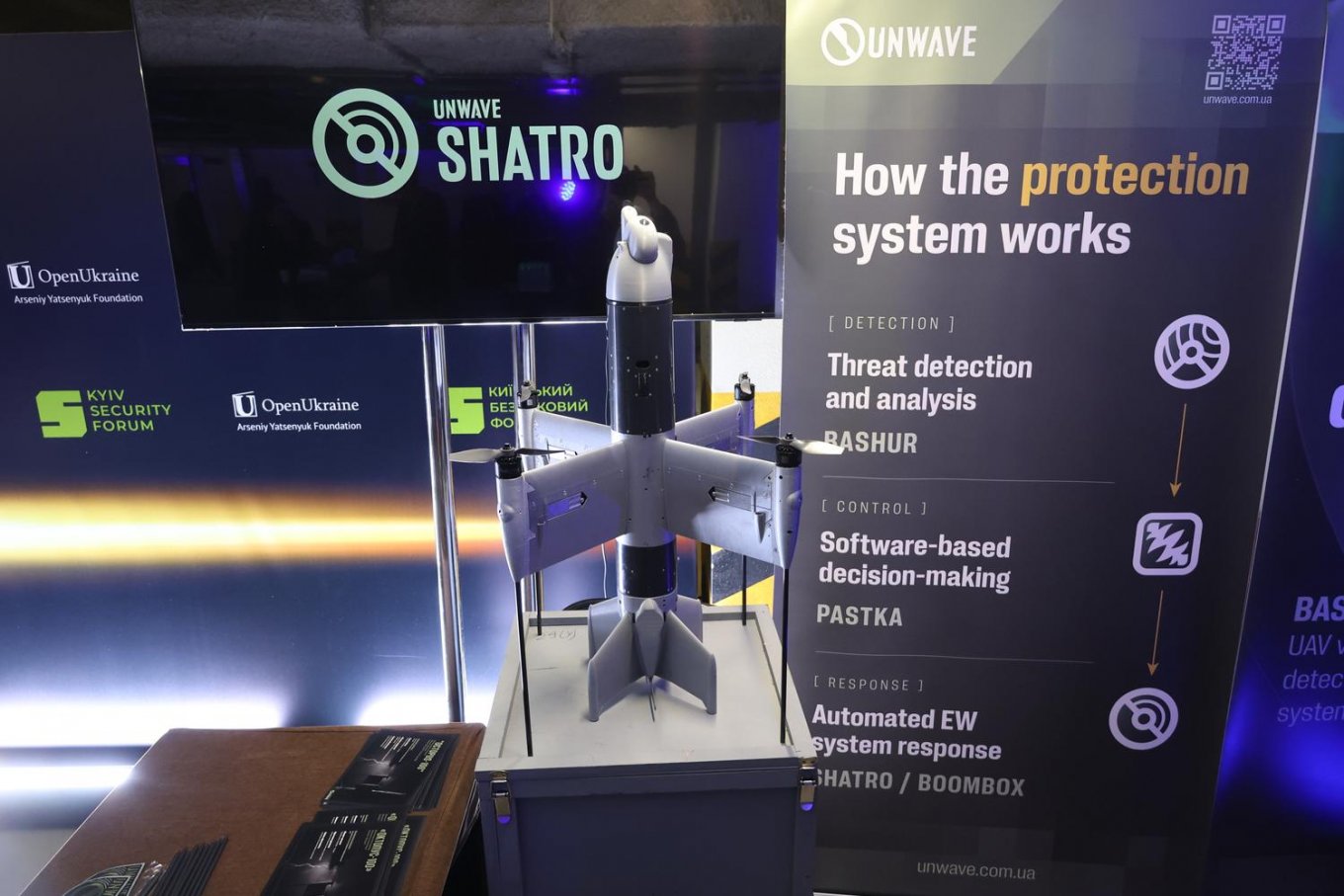
Ukrainian companies are already responding to these challenges, simultaneously developing and scaling production of both unmanned systems and the means to counter them. This is telling — it reflects the broader shift in the conflict away from the battlefield itself and toward a competition of technological capabilities and the ability to rapidly and systematically introduce new solutions.
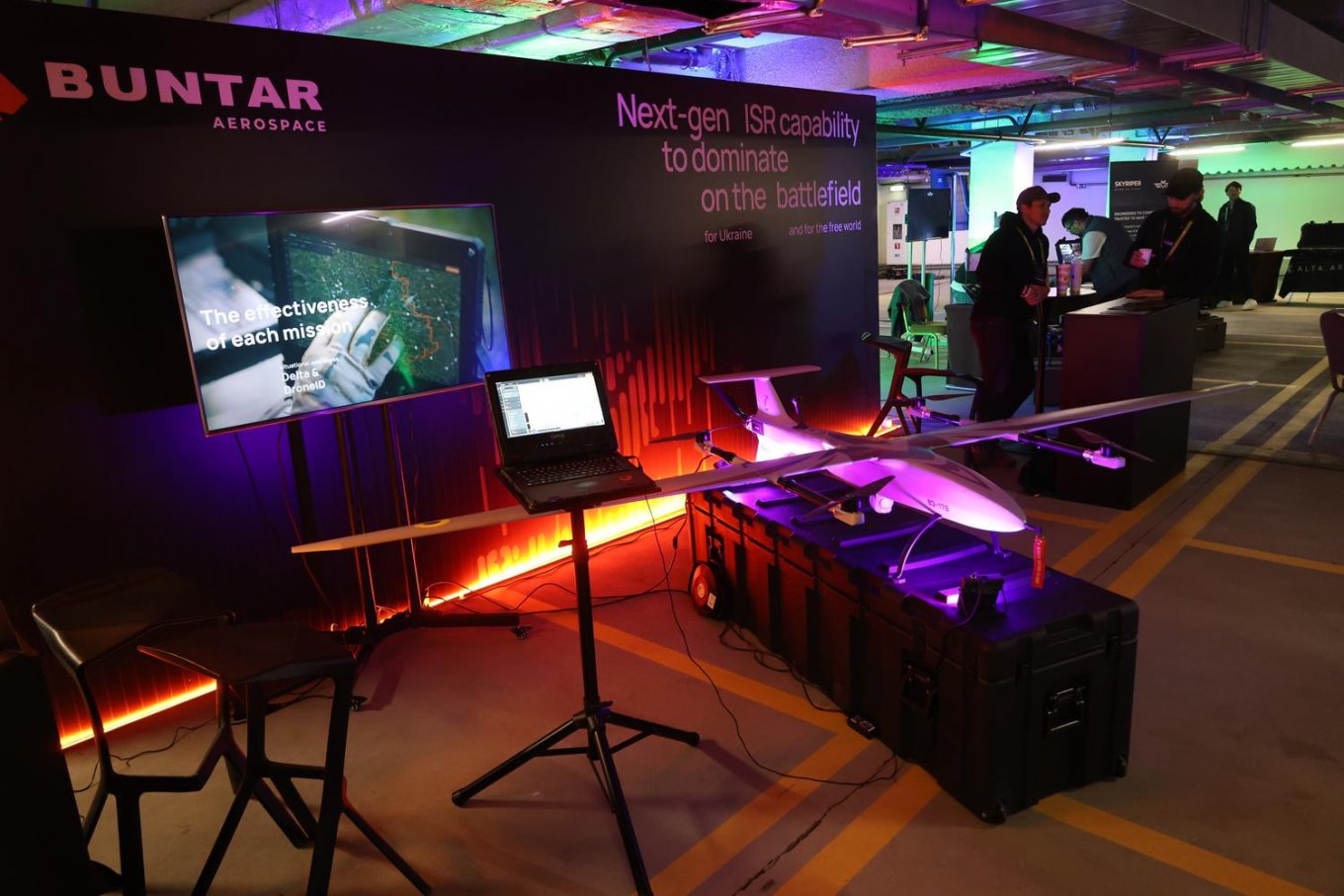
One of the leading development priorities has become fiber-optic drones systems that are virtually immune to traditional electronic warfare suppression. This is a direction being actively pursued by Ukrainian company TAF Industries, whose stand was featured at this year's Kyiv Security Forum.
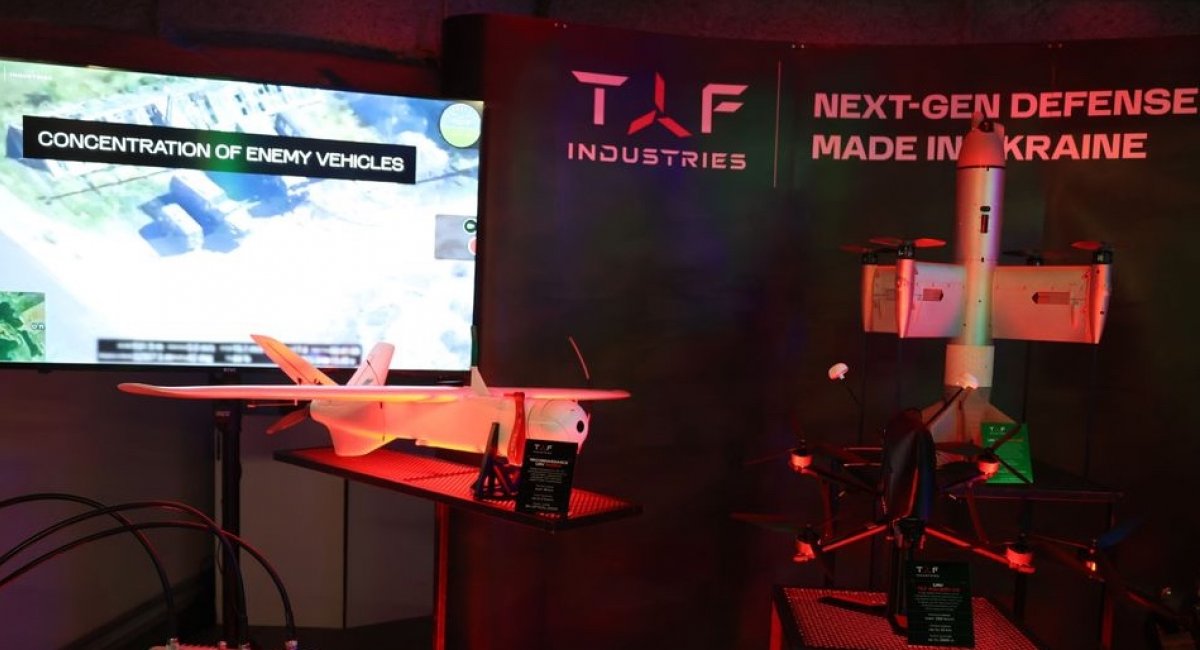
Among the new products on display was the SKYRIPER 15-O — an FPV system with fiber-optic control. Its defining feature is complete independence from conventional radio communication. Signal and video transmission occurs through a physical cable that trails behind the drone in flight, allowing it to avoid the effects of enemy EW stations and maintain stable control even in demanding environments. Declared video transmission range is up to 30 km. The system supports digital HD video and can operate in zones with high signal suppression density.
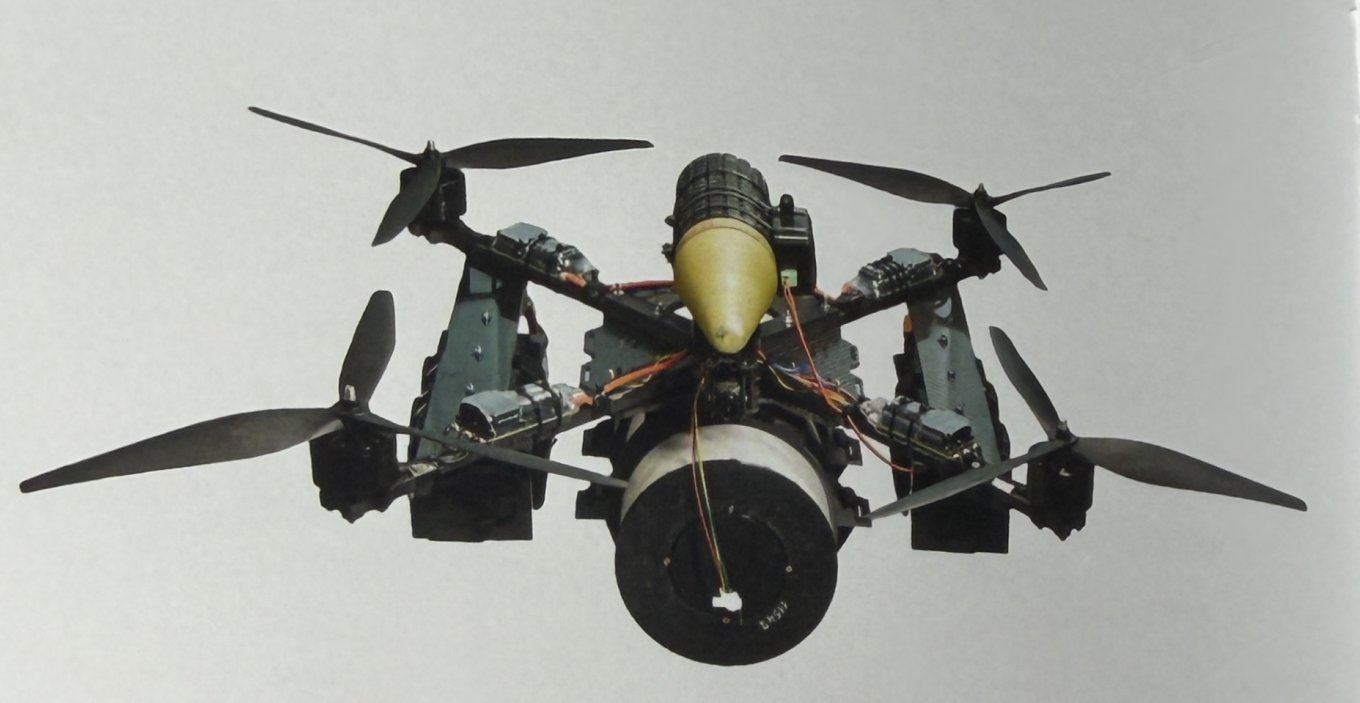
A significant drawback of such systems is their cost. Surging demand has driven fiber-optic prices up approximately fourfold, and the spools themselves remain expensive and resource-intensive. Ukrainian manufacturers are therefore simultaneously exploring alternative methods of protecting communication channels that do not rely on fiber optics.
One such solution is Herelink — an integrated digital communication system by CubePilot combining drone control, telemetry, and HD video in a single package. Operating on the 2.4 GHz band, it delivers low video latency and a working range of up to 20 km. Its advantage lies not only in connection stability but also in the difficulty an adversary faces in detecting and jamming the signal allowing combat missions to be carried out even in areas of active enemy EW activity.
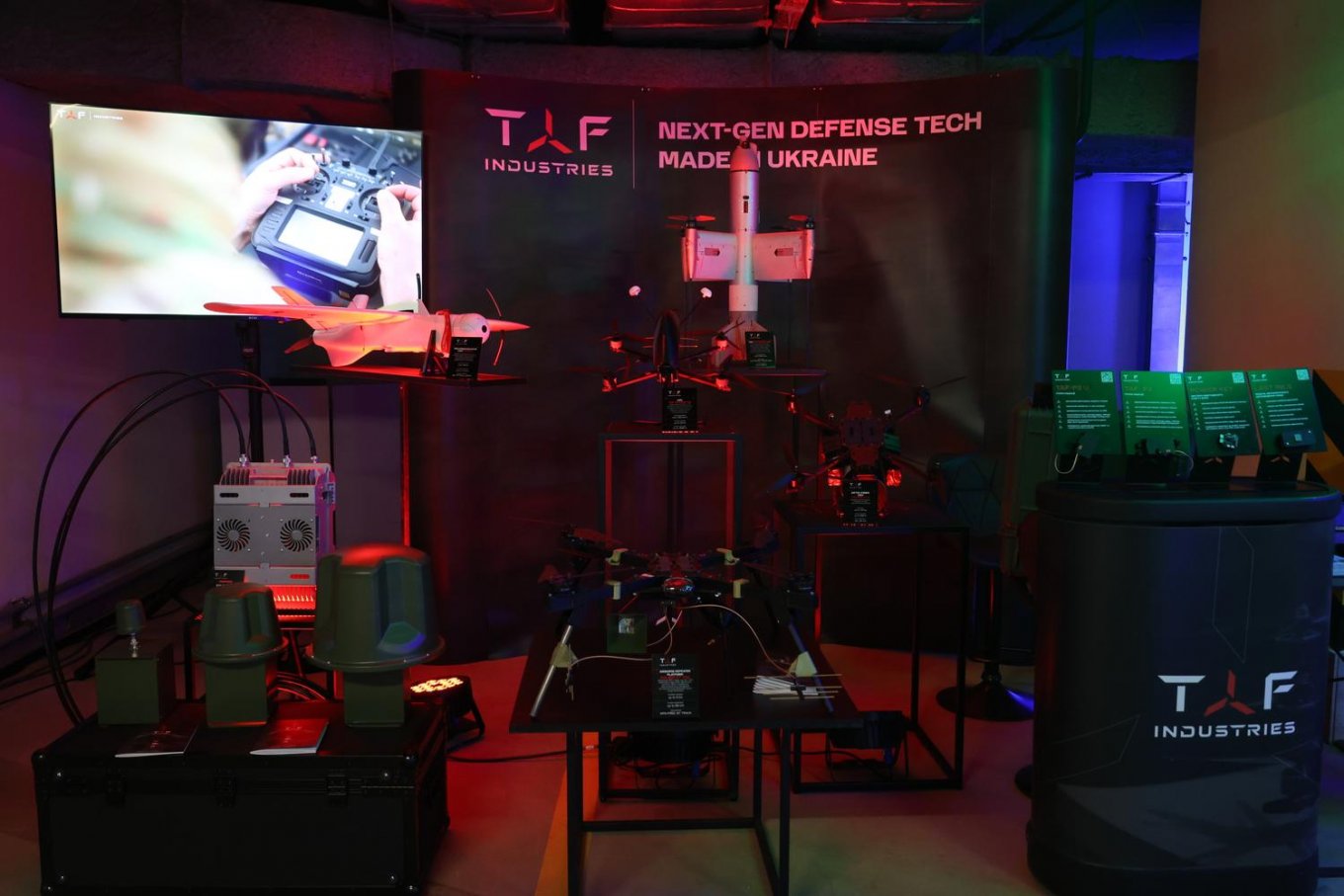
Another avenue is LTE solutions: specialized military data transmission networks that connect UAVs to digital infrastructure and enable control via the internet. The drone becomes less dependent on the classic radio link between operator and aircraft, enabling operation at greater distances while reducing the risk of losing control to electronic suppression.
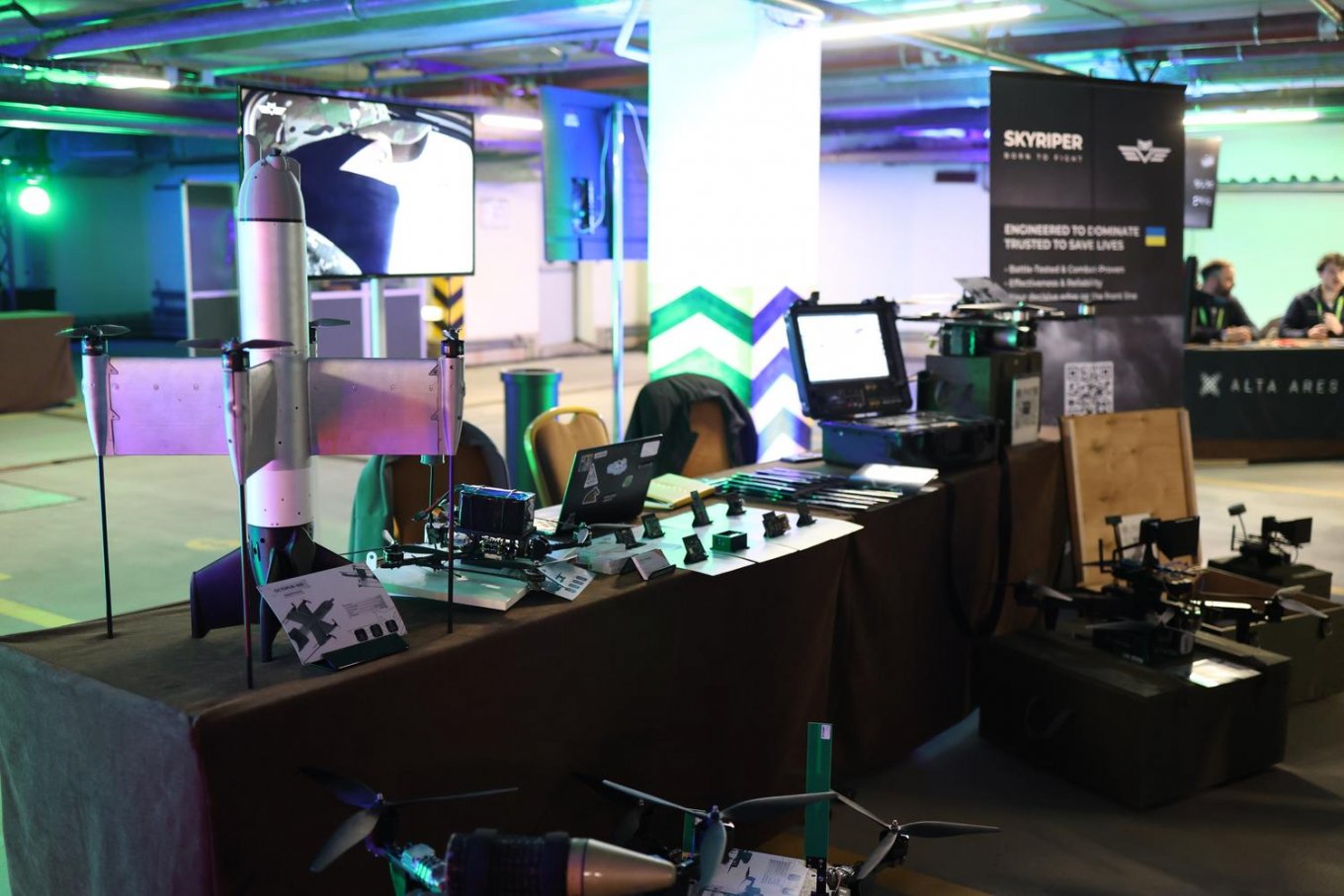
Interceptor drones are beginning to carve out their own niche. Where FPV systems were previously focused primarily on striking vehicles or personnel, a growing number of systems are now being designed specifically to engage other UAVs. Successful examples of this technology include the OCTOPUS-100 and TAF KOLIBRI-I10.
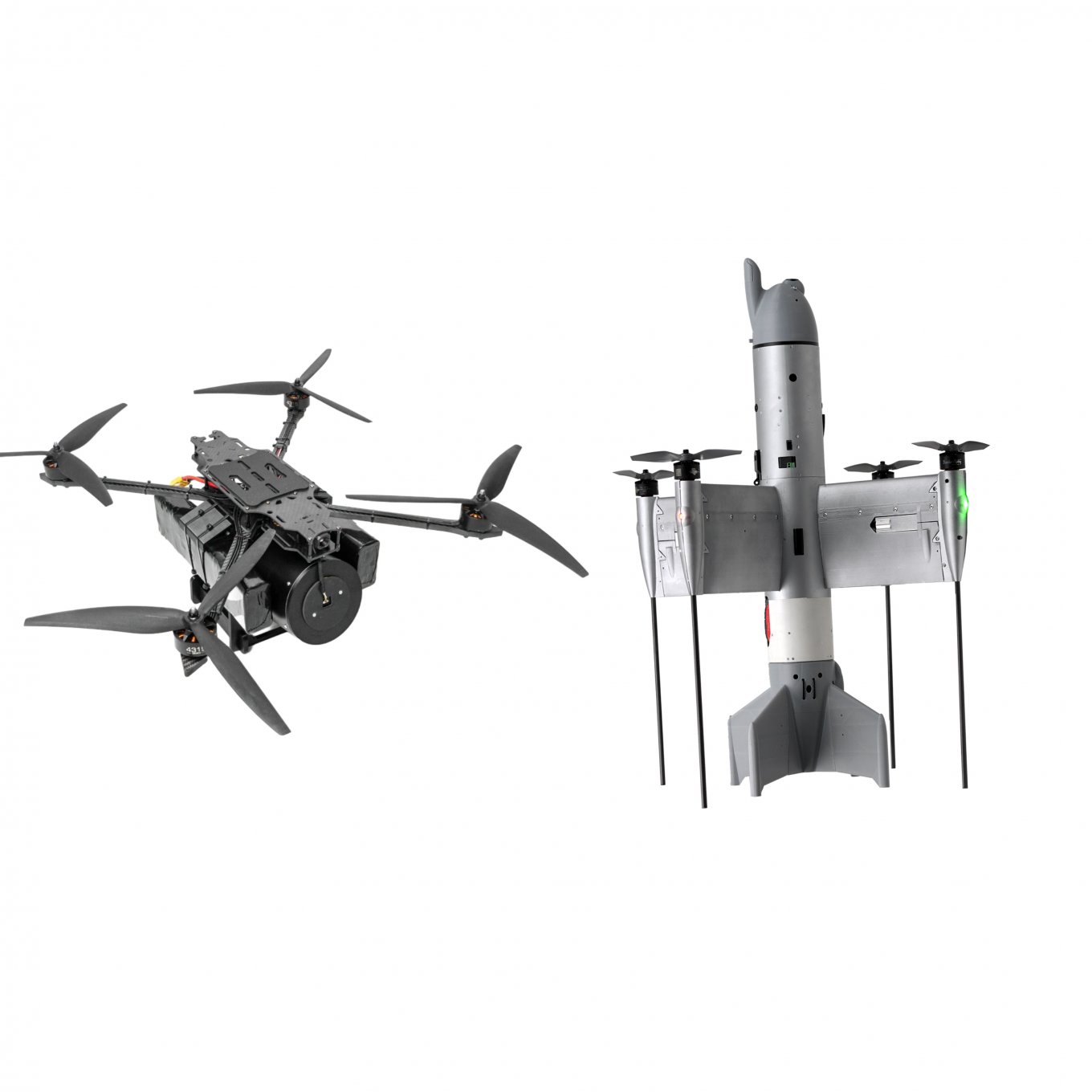
The OCTOPUS-100 is an interceptor drone that has confirmed its effectiveness against kamikaze drones and other aerial targets; its production is currently being scaled in Ukraine and partner countries. Its declared speed exceeds 300 km/h, with a ceiling of up to 4,500 meters. It represents an attempt to create a low-cost, mass-producible means of engaging aerial targets without the expense of anti-aircraft missiles.
The TAF KOLIBRI-I10 is a high-speed interceptor drone designed to engage reconnaissance and strike UAVs, featuring EW resistance and a protected MILES communication channel; with a 0.5 kg combat payload, it reaches speeds exceeding 200 km/h. A more budget-oriented variant, the TAF KOLIBRI I10, offers dual-frequency communication and flexible frequency selection across a wide range, allowing crews to switch between channels in real time while enemy EW systems are actively operating.
Technologies such as these may give Ukraine the ability to defeat a larger but less agile adversary like the russian federation. What seemed unattainable in 2022 is now systematically taking shape as the contours of Ukraine's future Victory — made possible by the heroism of soldiers on the battlefield, the intellectual and industrial capacity of the Ukrainian home front, the systematic work of state institutions, and mutually beneficial cooperation with partners who have a stake in Ukraine's experience of resisting russia, once considered the world’s second military power, which chose to break the international order for its own benefit and must now be held accountable for it.
This was affirmed by NATO's Supreme Allied Commander Transformation (SACT) Representative in Europe, MajorGeneral Constantin-Adrian Ciolponea, who stated: Ukrainians demonstrated brilliantly during the war — they were able to achieve local and temporary advantage through drones. What does this mean? It means that you can stand against a larger adversary with more resources and a bigger army, and by creating this local and temporary advantage, achieve tactical and operational objectives. He called this a very important lesson.
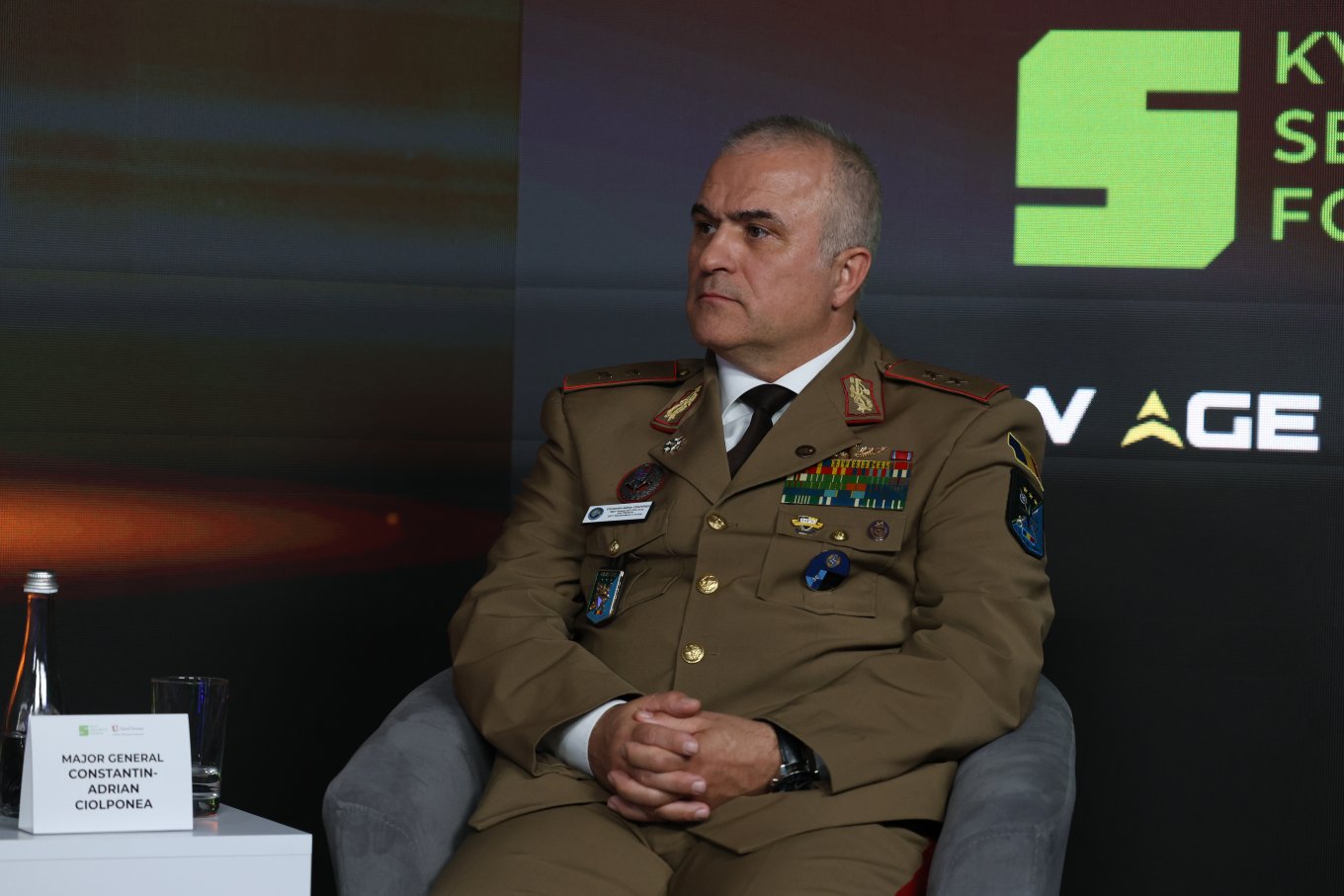
Ciolponea referenced the work of the NATO–Ukraine Joint Analysis, Training and Education Centre (JATEC) in Poland as a mechanism for transferring Ukrainian combat experience to the Alliance particularly in the areas of drone employment and counter-drone operations. His forecast was unequivocal: We will face a wave of robots in approximately five to ten years. The first wave will be fully autonomous, and robotics will be embedded in the force structure mixed between unmanned and manned systems.
It is fair to conclude that the drone war has entered a phase of permanent technological competition. Where the mere possession of FPV drones once conferred an advantage, what now determines outcomes is the speed of adaptation to new countermeasures — and in that arena, Ukraine's twelve years of live combat experience against russia is an advantage no ally can replicate on a training range.
Ukraine's ability to achieve qualitative superiority in the use of unmanned systems on the modern battlefield — while simultaneously gaining a technological edge in countering the adversary's drone systems — must become the decisive factor in defeating russia and restoring an order grounded in international law and respect for it.
Read more: Carrier Crew With Zero Laser Training Shot Down 100% of Targets After Just Tens of Minutes With Locust