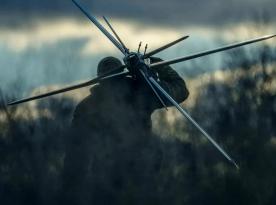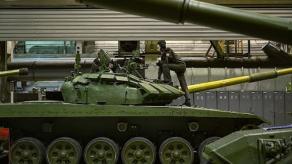
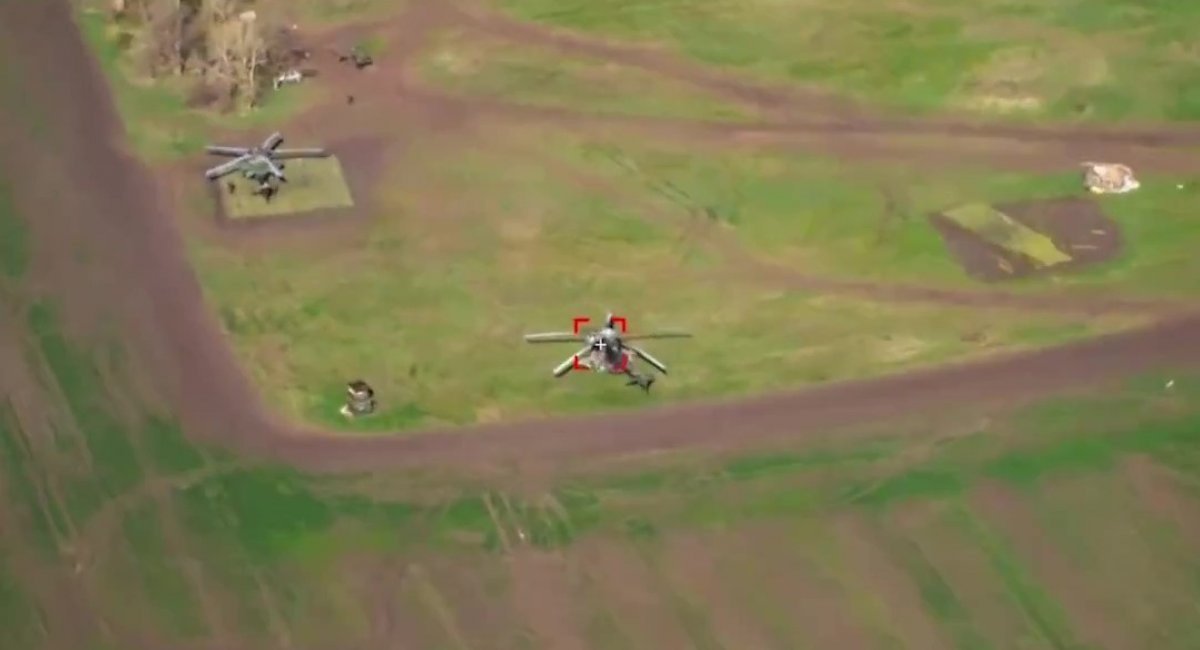
Footage captured both by the strike drones themselves and by a reconnaissance UAV clearly shows two consecutive strikes against a russian Mi-17 transport helicopter and a Mi-28 attack helicopter.
The helicopters were located at a forward field "jump" site, where aircraft undergo maintenance, refueling, and rearming between combat sorties.
Read more: Ukrainian Deep Strikes Hit Over 50 russian Targets in Two Nights (Video)
It was initially reported that both helicopters were located somewhere in russia's Voronezh region. However, the OSINT community Dnipro later identified the exact location: 152 km from the Ukrainian border and around 10 km from the city of Rossosh.
This makes it a genuinely long-range strike and highlights a high level of coordination and professionalism among Ukrainian defenders.
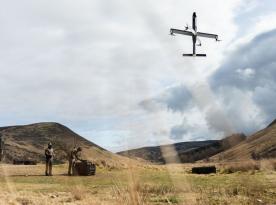
A separate question remains regarding which exact drones were used in the attack. The footage shows not only very high image quality, but also extremely smooth control of the kamikaze drone, which appears to fly into the targets almost as if on rails.
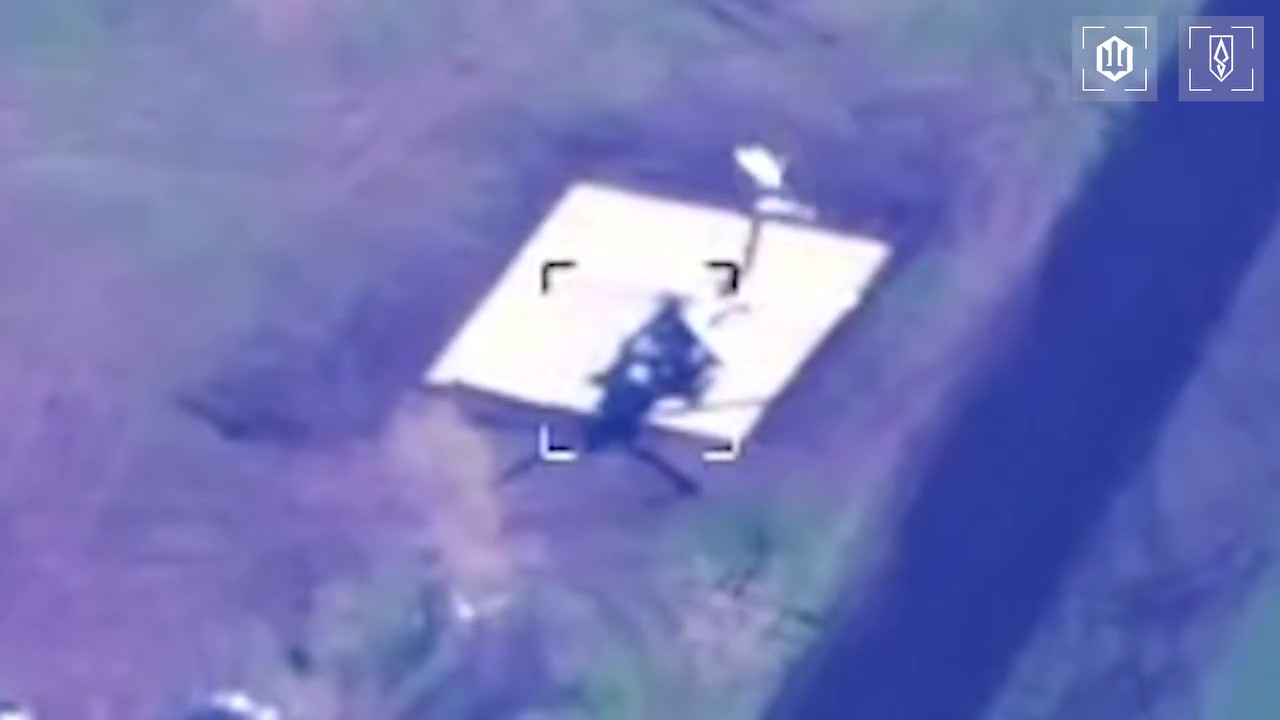
At the same time, the drone produced very little noise, making the strike a major surprise for the enemy. One of the frames also clearly shows that it was a fixed-wing drone.
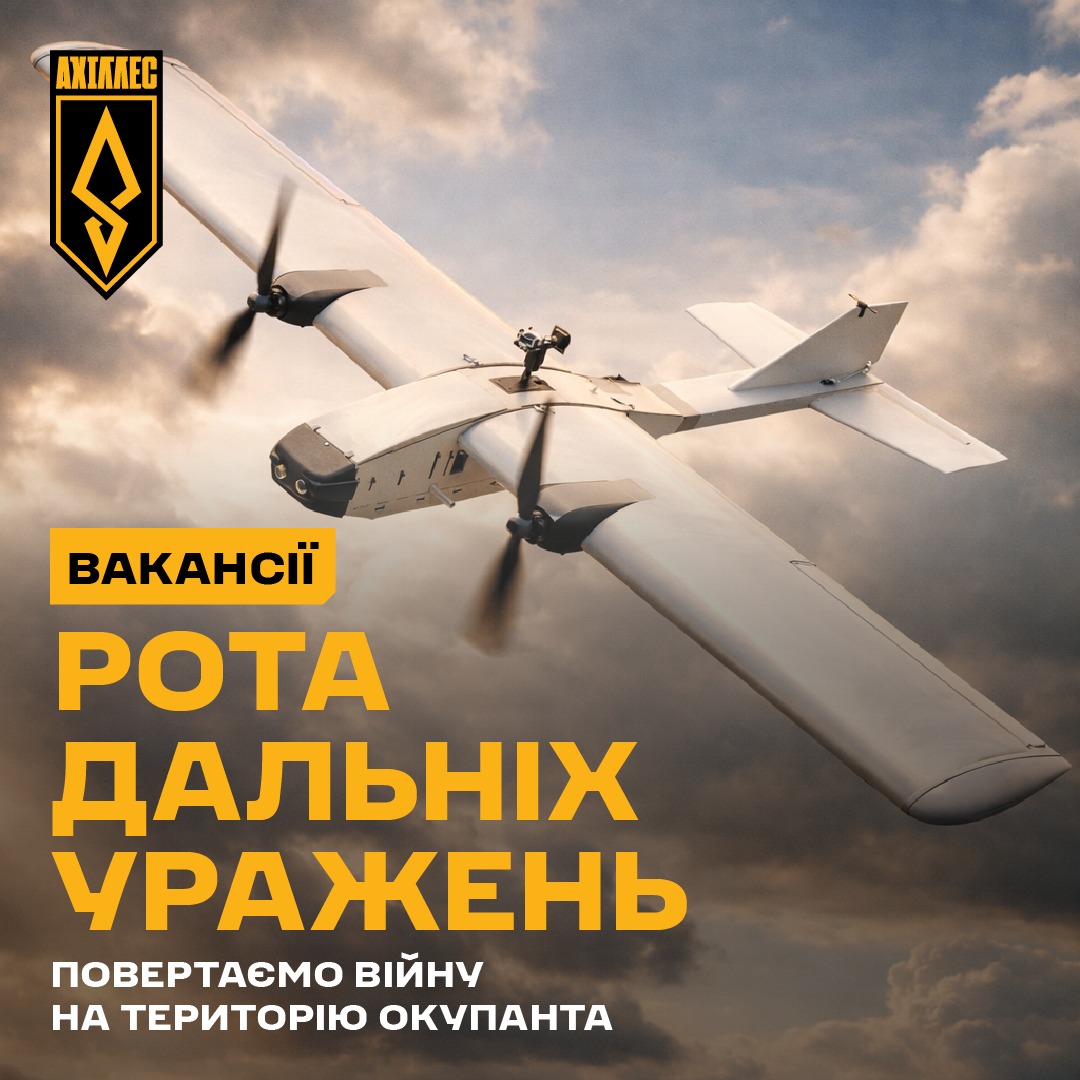
The 429th Brigade itself does not make much of a secret of its tools and openly states that it uses a specific drone type for long-range strikes: the twin-engine Darts DM developed by the Ukrainian company Darts.
The brigade has consistently demonstrated an increase in such long-range strikes against russian targets on enemy territory.
For example, on April 27, brigade operators struck a Kasta-2E radar station in russia's Belgorod region, around 80 km from the Ukrainian border.
Earlier today, on April 29, the brigade also reported the destruction of a Nebo-M radar system located 100 km from the Ukrainian border, also in Belgorod region.
As can be seen, the interface shown in all of these strike videos is identical.
That is why it is highly likely that the same Darts system was used in all of these cases. According to the developer, the twin-engine Darts DM has a range of more than 120 km and can carry a 10 kg warhead.
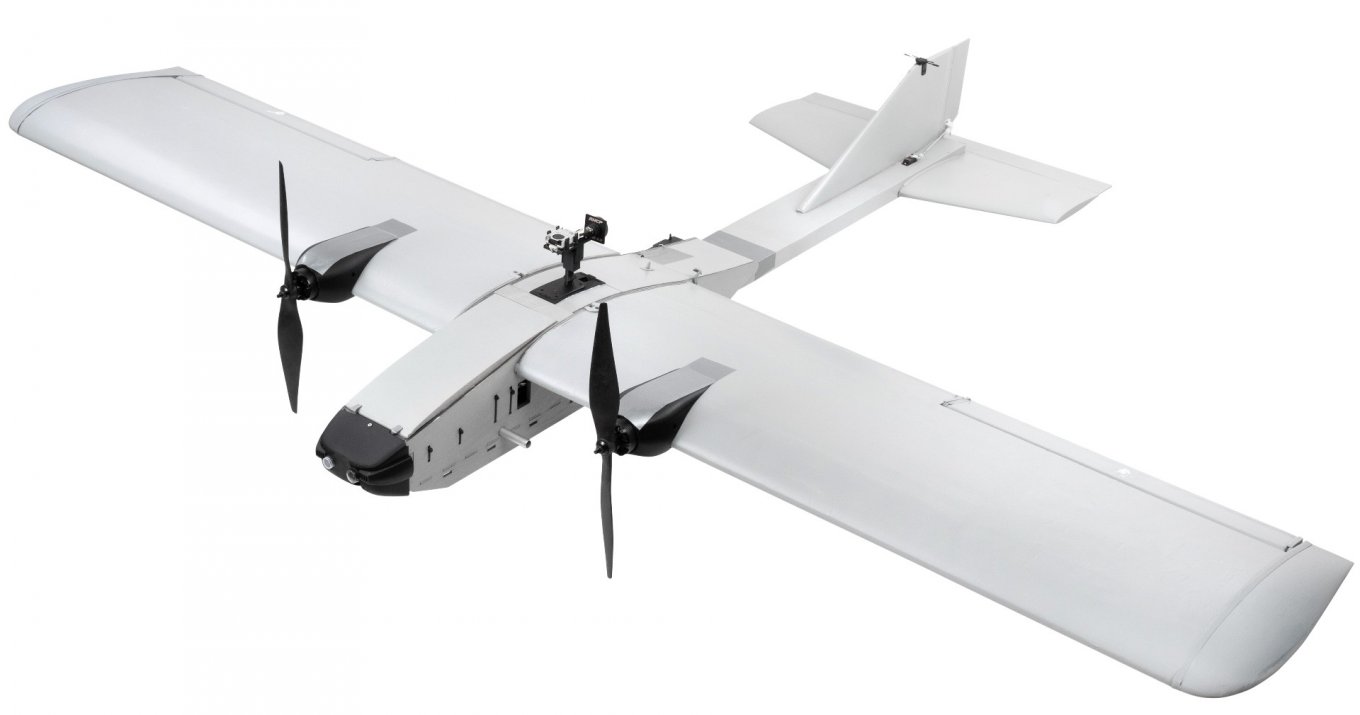
At the same time, a new-generation version, Darts 2, has already been announced, with a range of more than 200 km and a payload capacity of more than 8 kg.
Read more: Lasers Haven't Overcome "Niche" Use Against Drones, But U.S. Already Attempts Scaling Technology for Cruise Missile Countermeasures Under JLWS Program