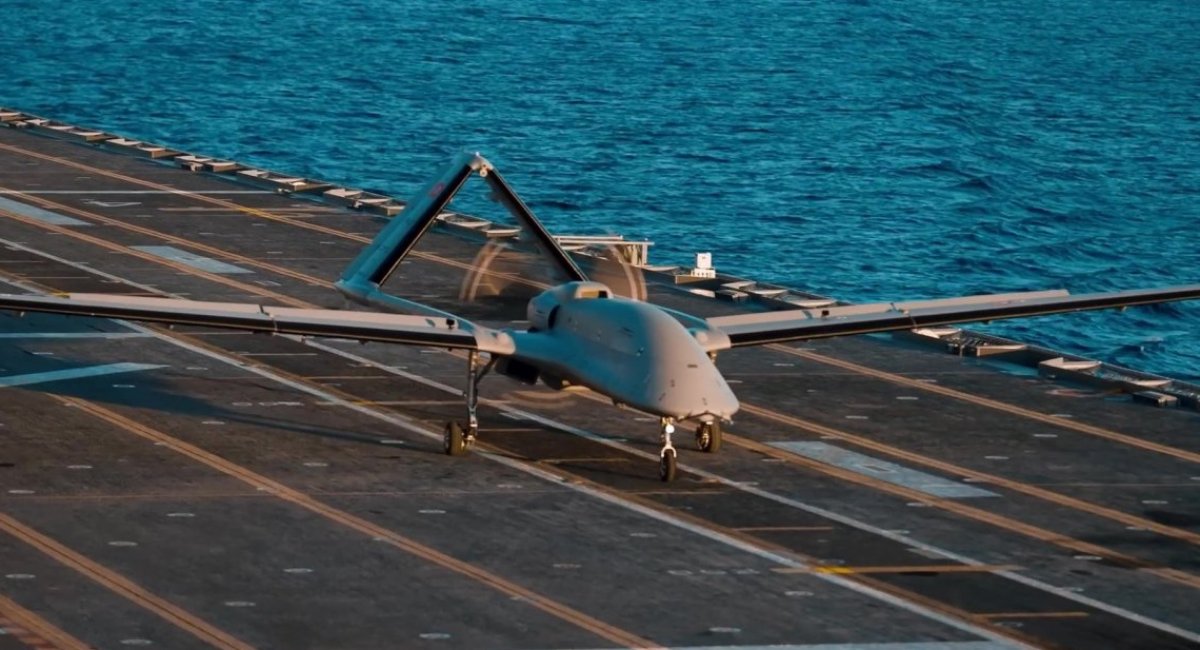
Ankara officially made a proposal to Tokyo to strengthen itself with Bayraktar TB2 strike-reconnaissance UAVs and its deck version Bayraktar TB3 from Baykar company. A corresponding statement was made by Turkish Defense Minister Yaşar Güler, emphasizing that these drones can contribute to Japan's defense capability.
Moreover, a Japanese delegation visit is expected in March to discuss defense industry issues and conclude a framework agreement. And overall in Ankara they are interested in combining Japan's advanced technological achievements and Turkiye's flexible manufacturing capabilities.
Read more: Ukrainian Tank Anti-Drone Protection Proves So Effective It's Replicated in Syria
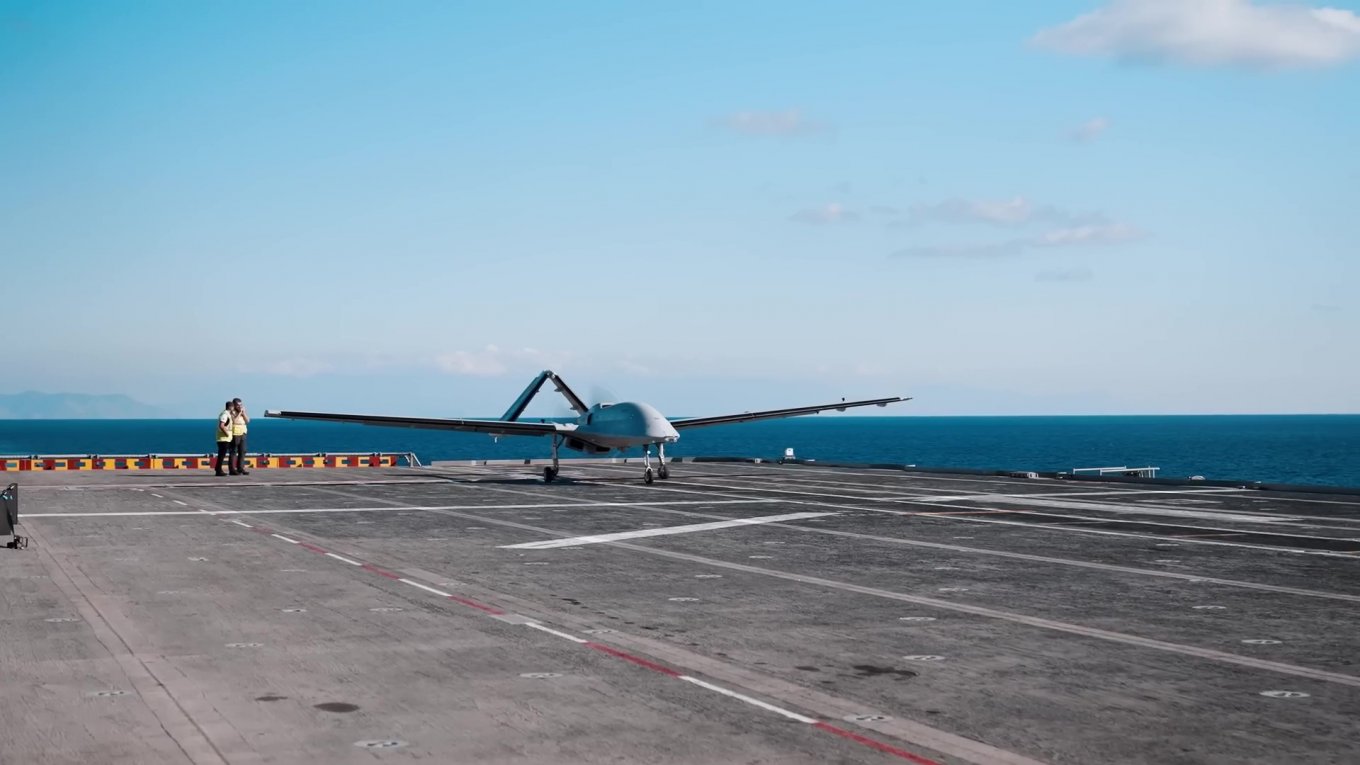
And although at first glance it may seem that offering to Japan is a very futile matter, actually the Turkish proposal has significant grounds. Because despite the image of a country of the future that formed in the 90s, modern unmanned solutions never reached the defense sphere.
In particular, Japan Self-Defense Forces have three strategic reconnaissance RQ-4B Global Hawks, three leased patrol unarmed MQ-9B Sea Guardians, as well as a small number of MQ-27 ScanEagle reconnaissance UAVs. That is, there's no talk of robotization or dronization of the homeland of transformers military.
That's precisely why in Turkiye they can quite expect that their proposal may indeed interest Japan. Especially since it's even unique, because no other developer can currently offer strike-reconnaissance UAVs in two versions, for ground and deck basing. And for Japan, receiving precisely a pair of Bayraktar TB2 and Bayraktar TB3 could indeed be a winning solution.
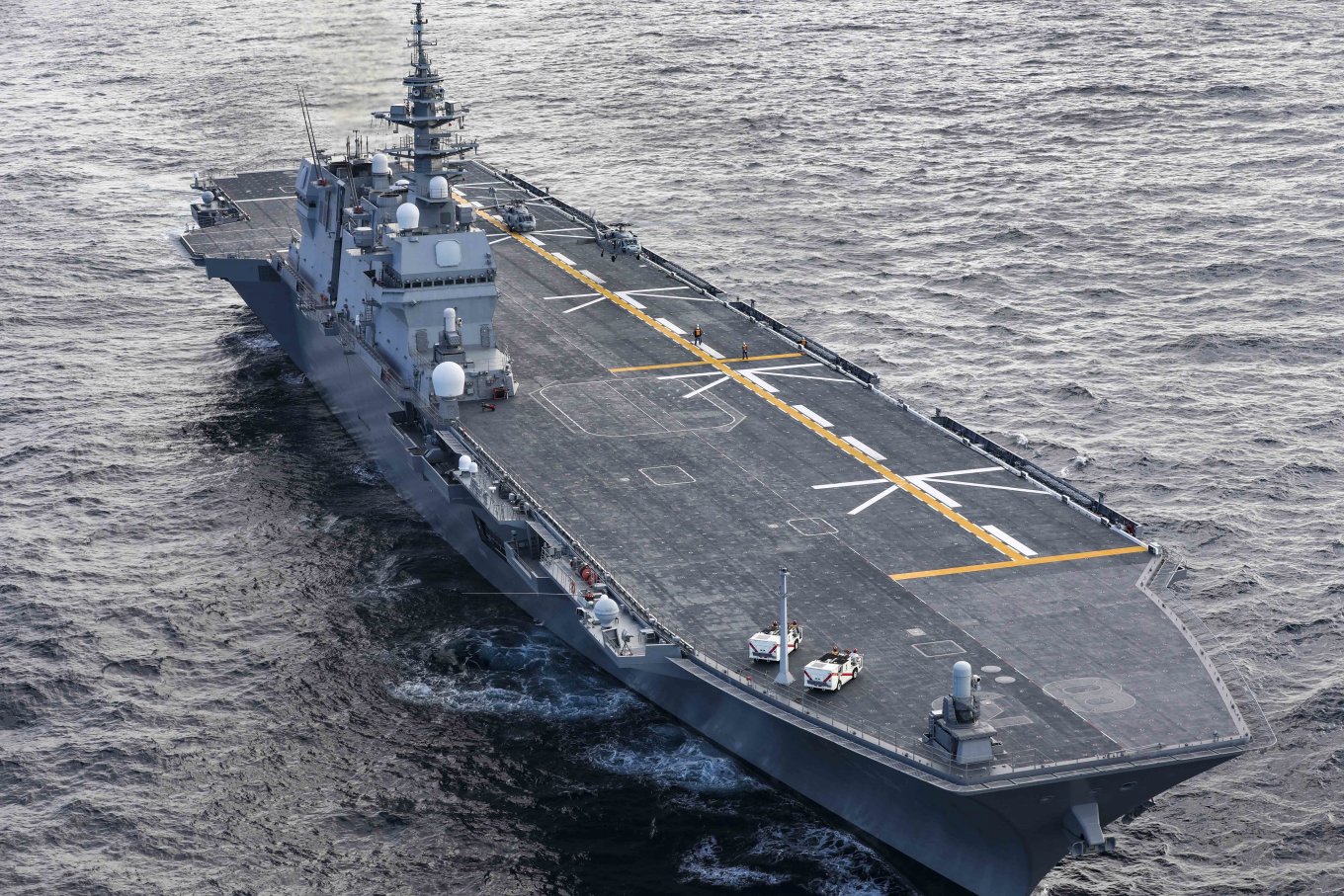
In particular, the Japanese fleet has two classes of aircraft carrier ships, two ships in each class. This is the Izumo class, which is in fact a light aircraft carrier with F-35B, although it's sometimes called a destroyer-helicopter carrier. As well as pure helicopter carriers of Hyūga class.
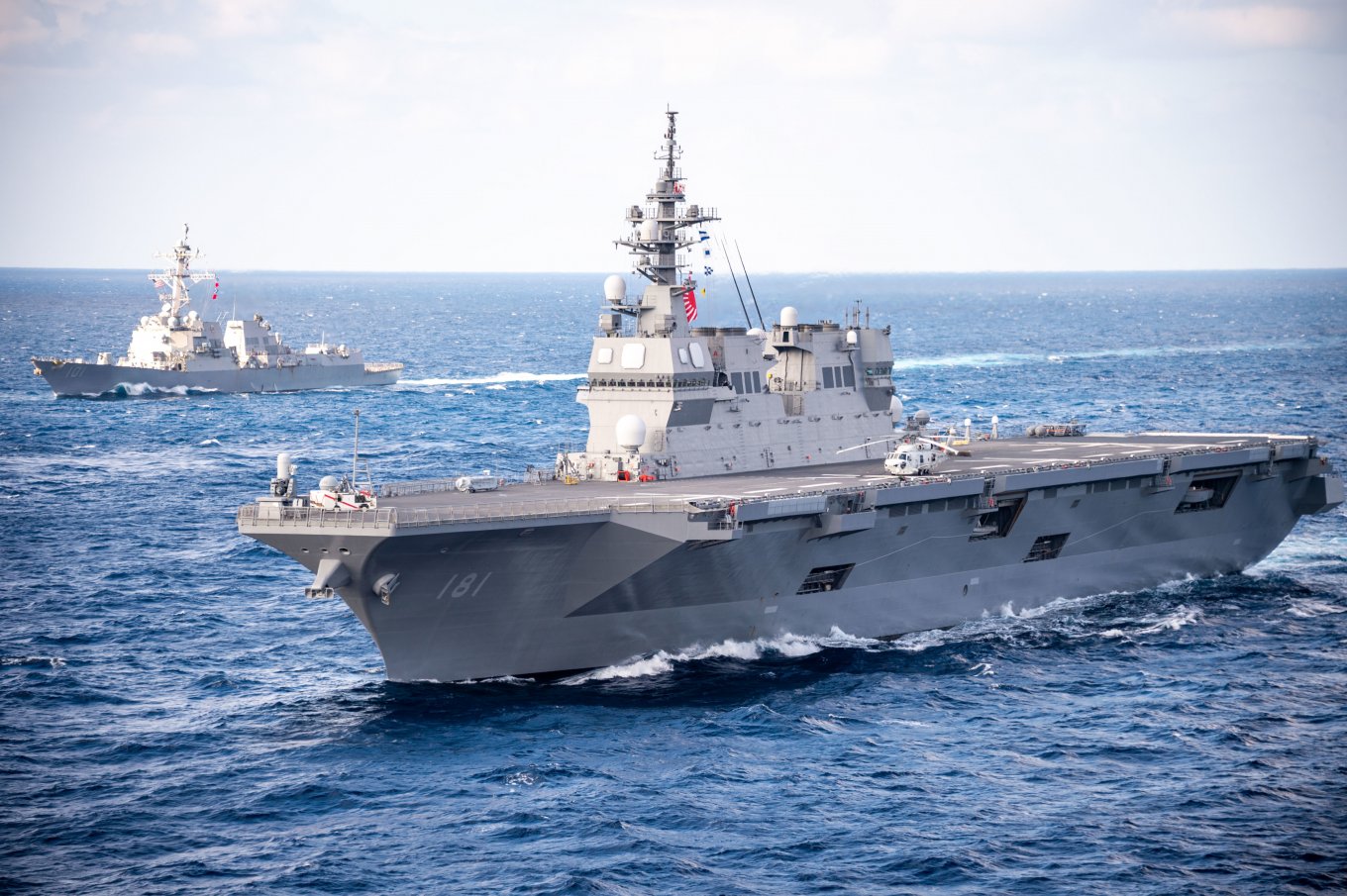
If Izumo-class ships, which have an air wing of up to 28 aircraft, are quite a powerful asset even without drones, then Hyūga is a more likely candidate.
Ultimately, maximum placement of up to 18 helicopters with only three SH-60K and one MCH-101 as standard really poorly corresponds to the potential combat capability of a ship with full displacement of 18 thousand tons, which can be effectively expanded thanks to Bayraktar TB3.
Recall that Bayraktar TB3, which has a maximum takeoff weight of up to 1,600 kg, can carry up to 280 kg of payload, stay in the air for over 21 hours. At the same time, it i quite possible that to place them on Japanese aviation ships, they will need to be equipped with a ski-jump. At minimum, currently TB3 demonstrates real capability of deck operation from TCG Anadolu, which has such a means.
Read more: India Shows Its First Locally Built PULS-Based MLRS, Named Suryastra — with Extra Visual Intimidation