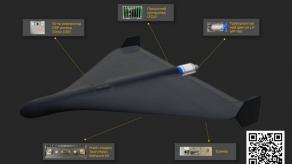
Germany wants to deploy six batteries (companies) of medium-range strike drones, at the level of Ukrainian Bulava or russian Lancet, in its military by 2029. Also, one more battery of 60-150 soldiers will be created, equipped with long-range deep strike drones.
This was reported by Army Inspector Lieutenant General Christian Freuding at the parliamentary evening of the German Army Support Association in Berlin. The Bundeswehr is currently testing corresponding assets, which are called loitering munitions.
Read more: Rheinmetall to Begin Production of Hundreds of Israeli HERO Strike Drones for NATO
It's also mentioned that work is underway on projects to detect enemy drones and protect infrastructure from them. Well, and in the manner of any modern speech, the importance of data and artificial intelligence was emphasized.
2029 is quite far off, considering the threat from russia exists today, and the first medium-range battery should be ready for combat operations in 2027. So the Lieutenant General said that a search for solutions to close gaps is underway.
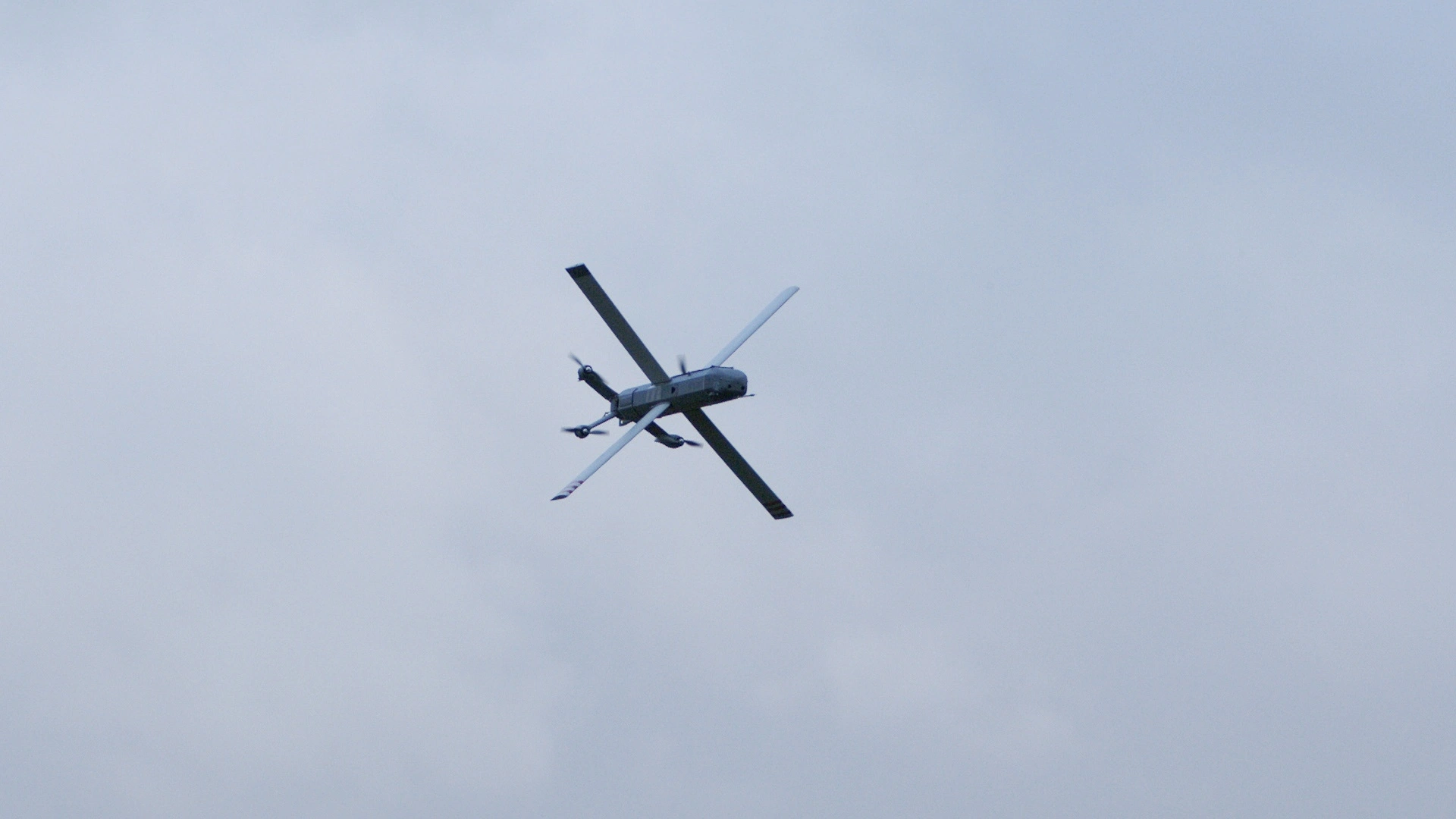
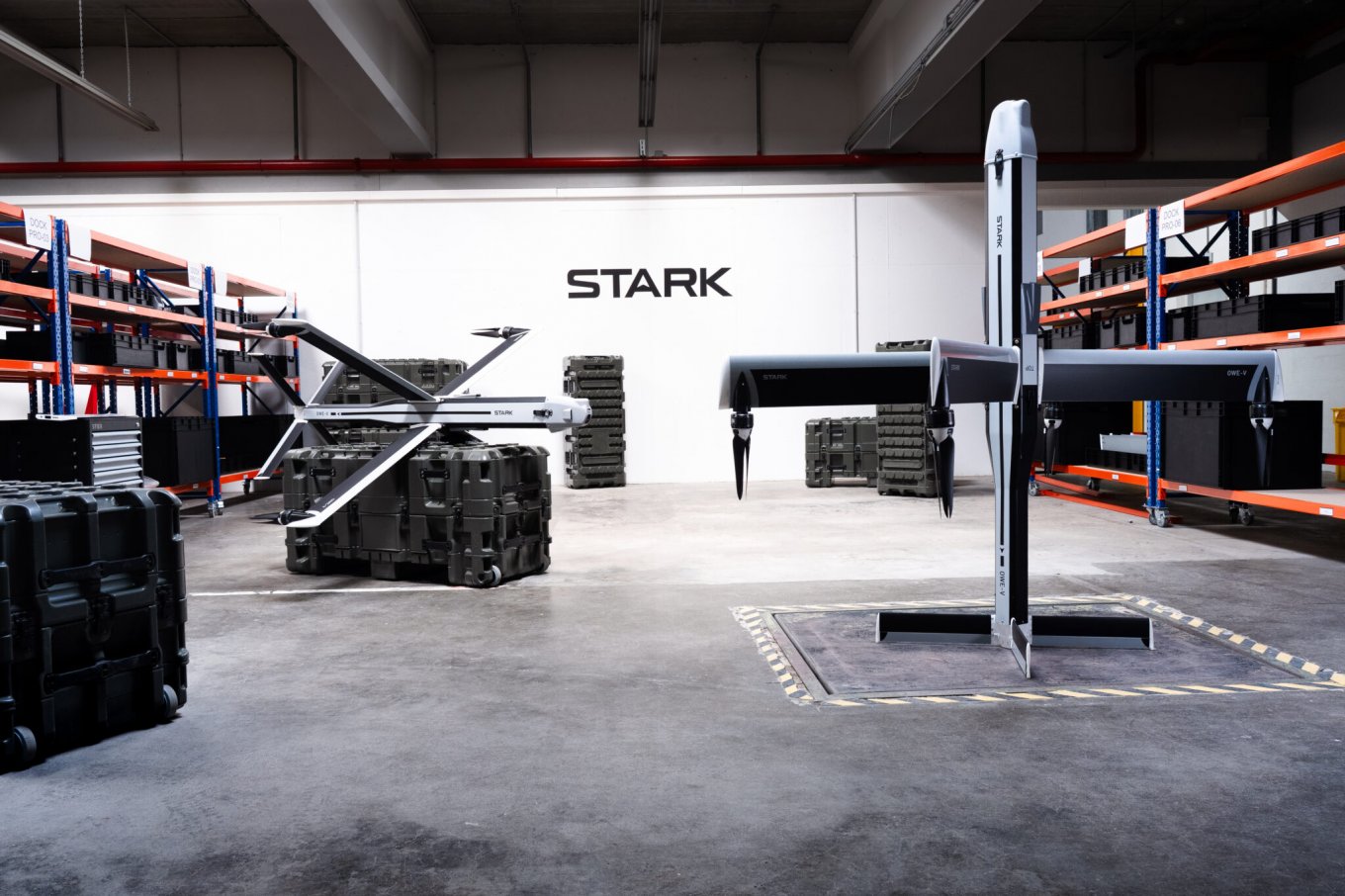
Defense Express notes that this is a good example of the fact that Europeans, despite all assurances, need time to equip themselves with modern unmanned combat systems. And although systems tested in Ukraine are used, such as from companies Helsing and Stark, all steps of Western bureaucracy must be passed.
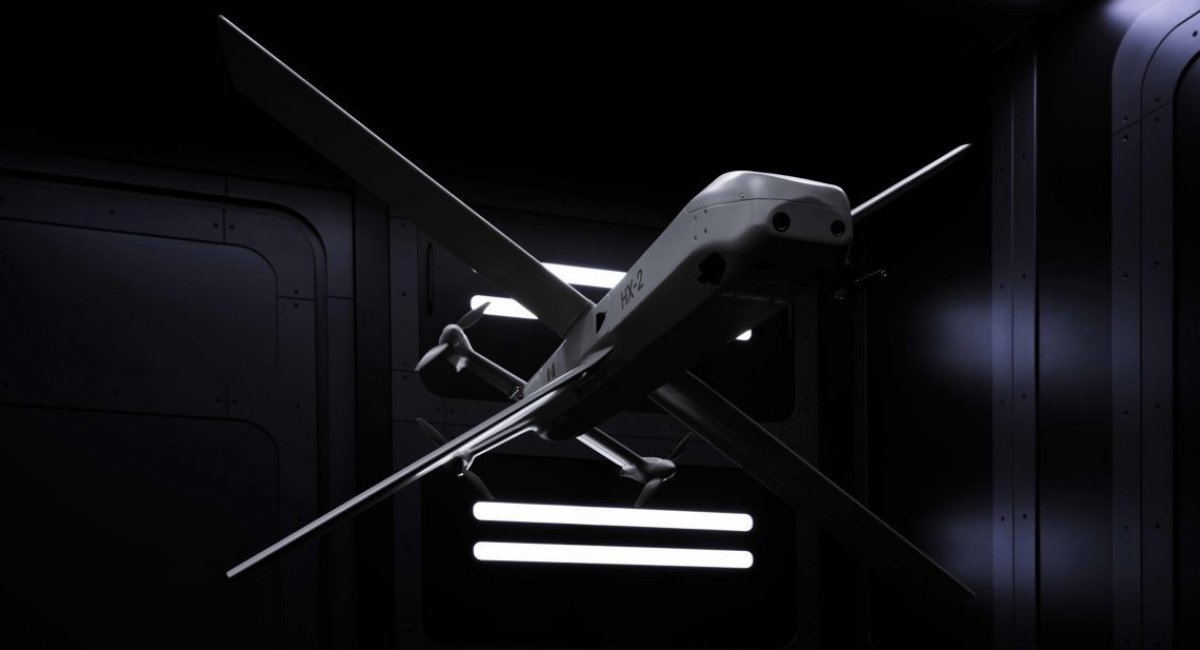
Here it can be mentioned that during testing of medium-range UAVs, only one of three participants showed results, however a contract was given to all. So both HX-2, Virtus, and Rheinmetalls proposal will enter the German arsenal.
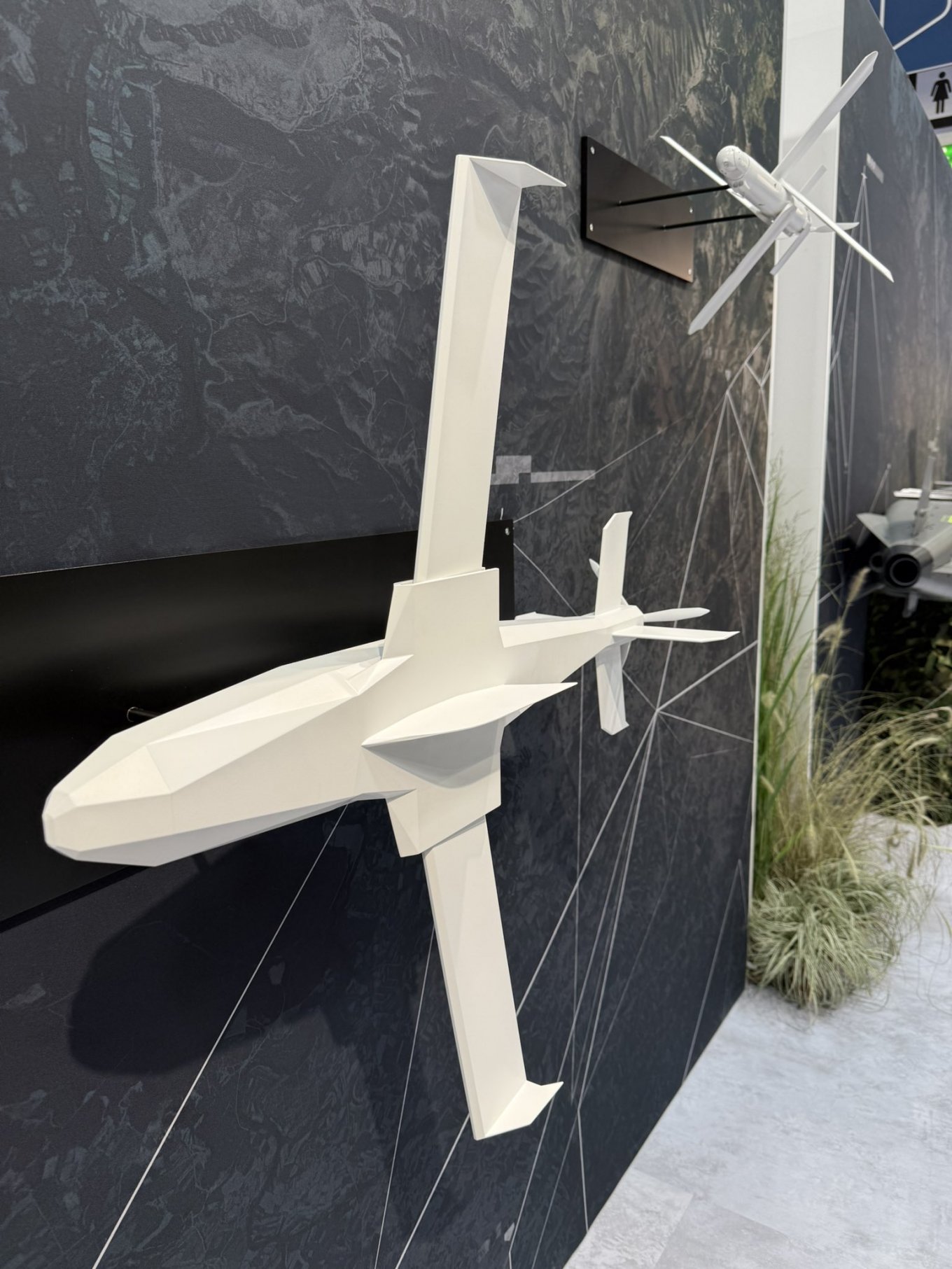
Of course, explanations later emerged regarding iterative development of assets, which takes into account problems and new requirements. And the Bundeswehr wants a somewhat different approach to using such drones themselves, in contrast to Ukraine, where reconnaissance and strike drones often work together.
That is, there are many problems and limitations that need to be overcome to arm Germany with new strike UAVs. However, at least work is being done in the right direction with technology adaptation, rather than just discussing the need.
Read more: Ukraine, UK Conclude Agreement on Licensed Production of Octopus Interceptor Drone - What is Known About It