


Qatar has already conducted strikes against Iranian targets in retaliation for attacks on its civilian infrastructure. Moreover, Saudi Arabia is reportedly preparing to join operations targeting Iranian facilities.
Israeli media outlets, including The Times of Israel, have actively reported on these developments. From an analytical standpoint, such a decision was predictable given the scale and intensity of Iranian attacks. Earlier assessments have already examined the overall strength of the Gulf Arab air forces in this context.
Read more: What Is Known About the Military Forces of Arab States in the Persian Gulf Amid Iranian Strikes
The strikes by Qatar and potentially Saudi Arabia are retaliatory in nature. Iran has conducted dense and sustained attacks across the region.
As of the morning of March 3, Qatar reported intercepting 98 of 101 ballistic missiles, 3 of 3 cruise missiles, and 24 of 39 drones. It also claimed the downing of two Iranian Su-24 aircraft.
Saudi Arabia has not yet released official interception figures. However, its facilities, including critical oil infrastructure, have reportedly been targeted by Iranian strikes.
A major concern for regional states is interceptor depletion. Within the first two days alone, countries in the region reportedly shot down roughly 400 ballistic missiles. This has significantly strained stocks of interceptors for the MIM-104 Patriot system. At the same time, drone attacks, particularly those involving Shahed-type systems, have demonstrated a persistent threat. The situation is further complicated by Iran’s declared blockade of the Strait of Hormuz.
The forces that Qatar and especially Saudi Arabia could bring to bear may substantially accelerate efforts to neutralize Iran’s military capabilities.
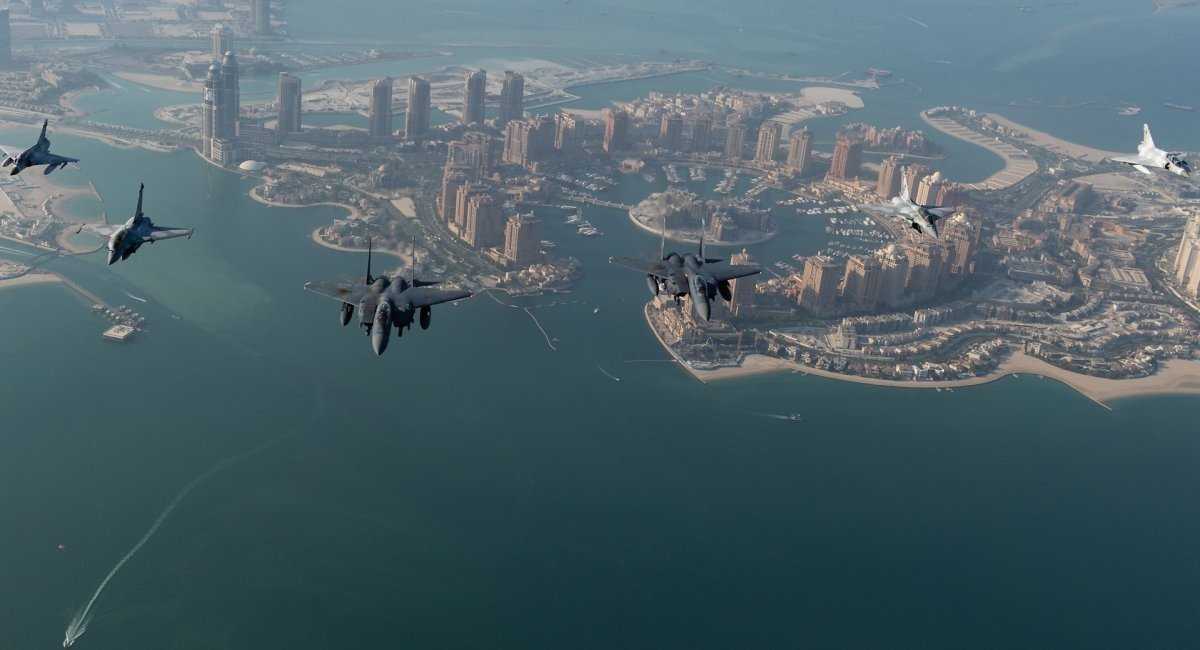
These two countries have the largest and most capable air forces in the Gulf. Qatar can field 22 Eurofighter Typhoon, 40 F-15QA, and 36 Rafale aircraft. Saudi Arabia operates 68 F-15C/D, 149 F-15S/SR/SA, 71 Eurofighter Typhoon, and 77 Tornado aircraft.
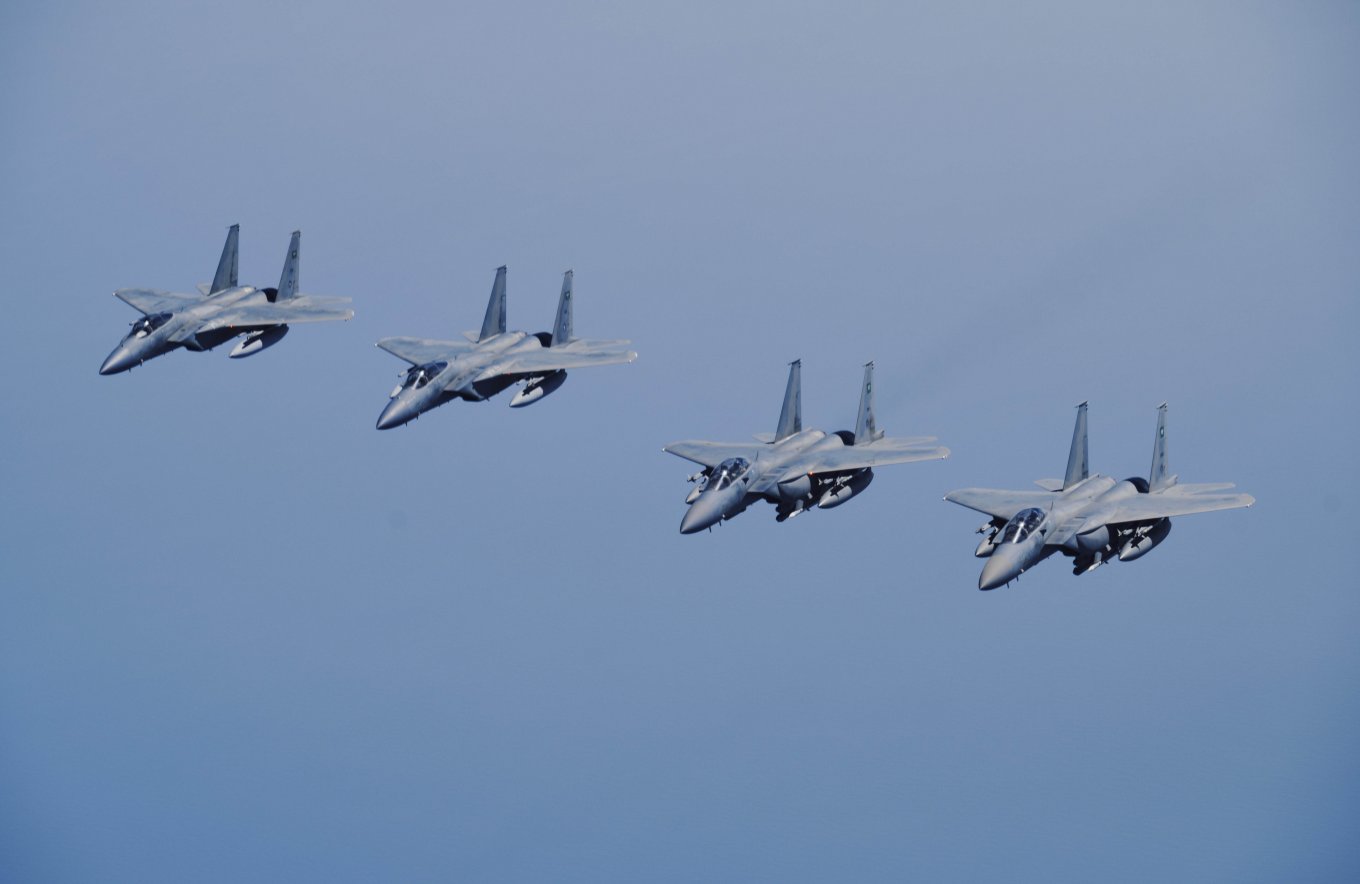
In total, this amounts to approximately 457 fighter aircraft, multirole fighters, and fighter-bombers. This combined force does not significantly lag behind the airpower currently employed by Israel and the United States in ongoing operations.
The addition of these forces could accelerate the pace of operations against Iran. However, such an expansion would require close coordination among four national air forces to avoid operational mishaps.
This concern is not theoretical. Kuwait’s air defense recently carried out what may be the most expensive friendly fire incident in modern history, shooting down three U.S. F-15E Strike Eagle aircraft in a single day.
The core strike capability of Qatar and Saudi Arabia would likely focus on the F-15QA and F-15S/SR/SA fleets. These are advanced derivatives of the F-15E Strike Eagle, with Qatari and some Saudi variants approaching the capabilities of the F-15EX Eagle II.
These aircraft are fully capable of conducting deep strike missions against strategic targets in Iran’s rear areas, including long-range precision operations.
Read more: Day Two of the U.S.-Israeli Attacks on Iran: Khamenei Dead, Tehran Under Air Siege, Region on Edge