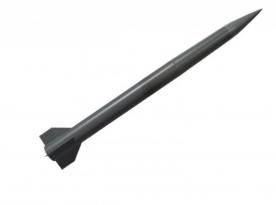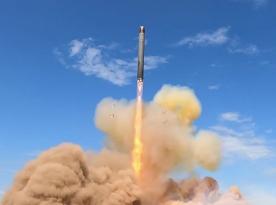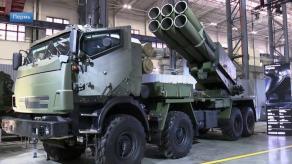



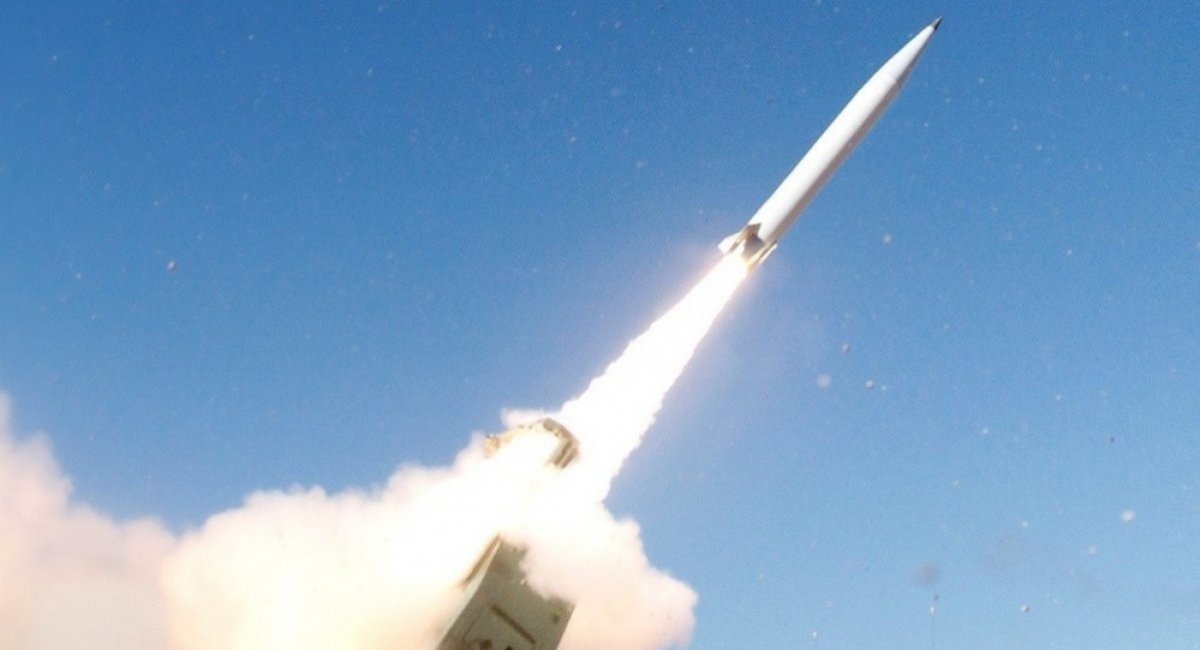
Following rapid depletion of munitions in Iran, the Pentagon is working to replenish its stockpiles. It has signed a framework agreement with Lockheed Martin to quadruple production of PrSM ballistic missiles for HIMARS to replace ATACMS.
The new agreement follows an April 2025 order worth up to $4.94 billion. The agreement also allows negotiations on a new contract for a term of up to seven years, provided Congress grants the necessary multi-year authority.
Read more: Vampire Air Defense Systems Used to Shoot Down Shaheds in Ukraine to Increase in Number with New Production Line
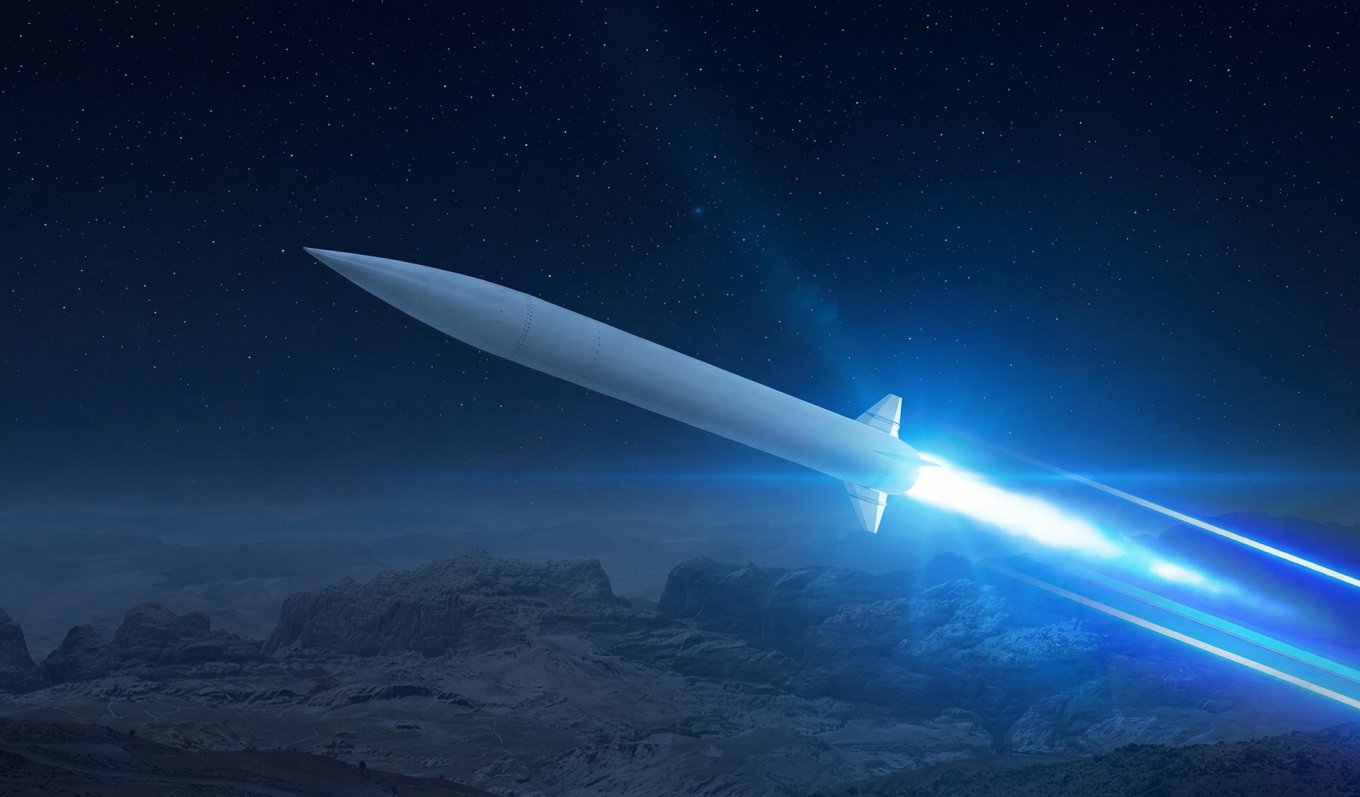
Lockheed Martin emphasizes that the new agreement highlights the company's commitment to the White House's pledge to increase production of missiles and ammunition. To achieve this, next-generation technologies will be utilized.
The announcement does not currently specify how long it will take to increase production of PrSM missiles fourfold. However, this will take years, with results expected only after 2030.
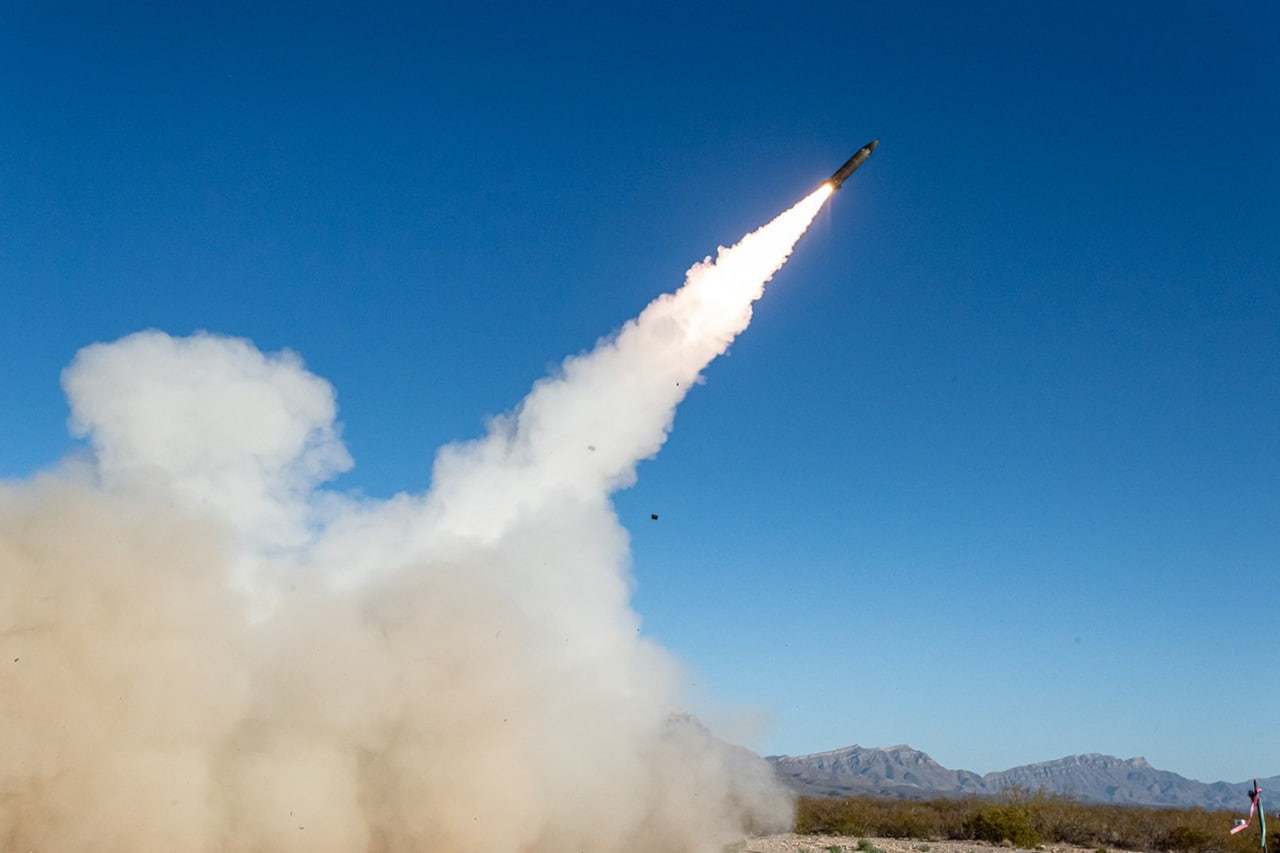
PrSM ballistic missiles have a range of 500 km and a 91-kg warhead, while their predecessor, the ATACMS, had a range of 300 km and a 300-kg warhead. However, the manufacturers seek to offset the lower warhead power with greater accuracy and by deploying two missiles per launch pad instead of one.
Meanwhile, PrSMs have already undergone combat testing, as the U.S. deployed them during strikes against Iran. Therefore, ramping up production will support not only the replacement of older systems but also the deployment of new ones in combat.
Currently, the Increment 1 variant has a range of 500 km, but active improvements are underway, and Increment 4 is expected to reach a range of 800 km. Flight tests were recently conducted on Increment 2, capable of striking moving targets.
Lockheed Martin has already signed agreements to increase production of PAC-3 MSE anti-aircraft missiles to 2,000 units and more powerful THAAD missiles to 400 units per year. Meanwhile, Raytheon has also secured agreements to ramp up production to over 1,000 Tomahawks, 1,900 AIM-120s, and 500 SM-6s per year.
Read more: Rheinmetall Unveils New RV-005 Anti-Aircraft Drone Featuring AI Technology