

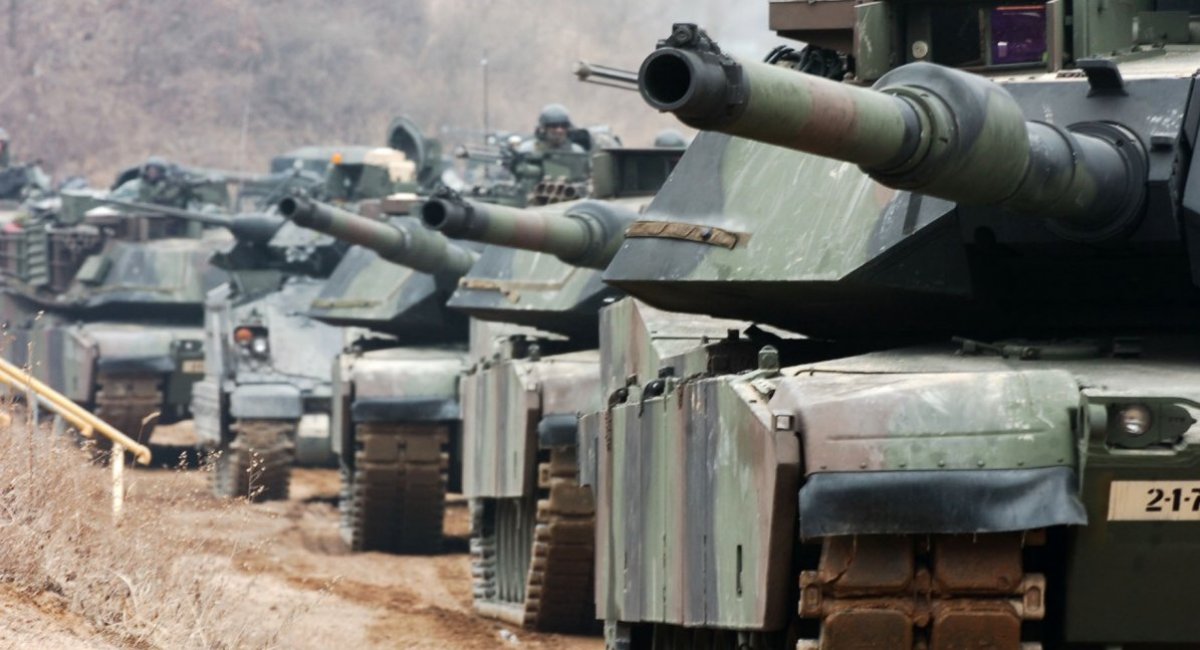
The US Department of Defense is preparing a large-scale transfer of used weapons and equipment and has already informed several allied countries about a series of offers covering artillery, armored vehicles, and helicopters.
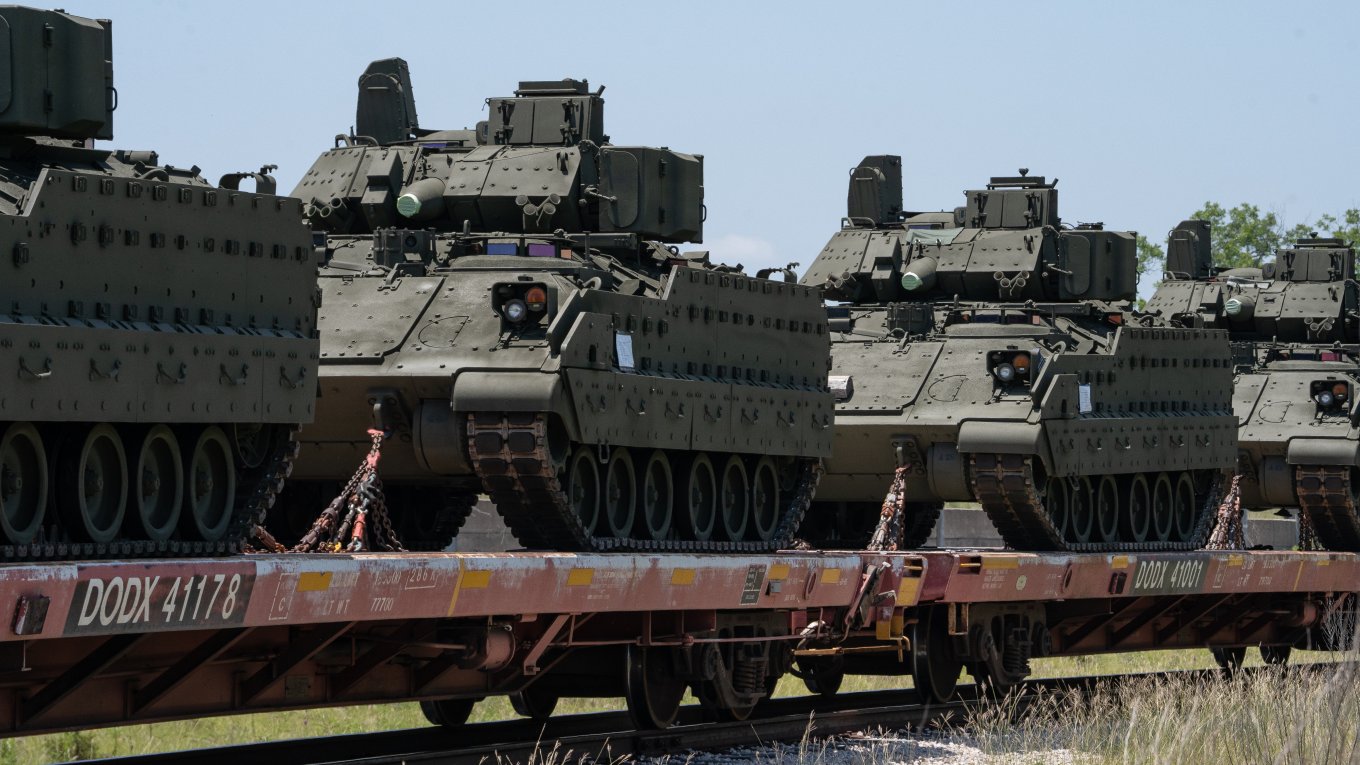
Proposed items include M109A5 and A6 self-propelled howitzers, M1 Abrams tanks in A1 and A2 versions, Bradley M2 infantry fighting vehicles in A3 configuration, AH-64 Apache attack helicopters, UH-60M Black Hawk transport helicopters, HMMWVs, drones, and other materiel. All of this is expected to be offered under the Excess Defense Articles program.
Read more: As Poland Eyes U.S. Stryker APCs, Will Ukraine Get More Armored Vehicles?
The Greek outlet Pentapostagma, citing its own sources, reports that Greece's Ministry of Defense is already interested in acquiring M109A5/A6 howitzers. The US has not disclosed the total quantities available under the EDA framework.
Defense Express notes that the EDA mechanism allows the US to transfer surplus defense items to partner nations. Although formally handed over at no purchase price, the program often serves as an alternative to the cost of disposal.
In practice, "free" does not mean cost-free for recipients. Under the program, they must cover all expenses for repair, refurbishment, and modernization — typically carried out in the United States by American contractors at foreign-customer rates. Recipients also pay transportation costs and, under separate contracts, purchase spare parts, ammunition, and training services.
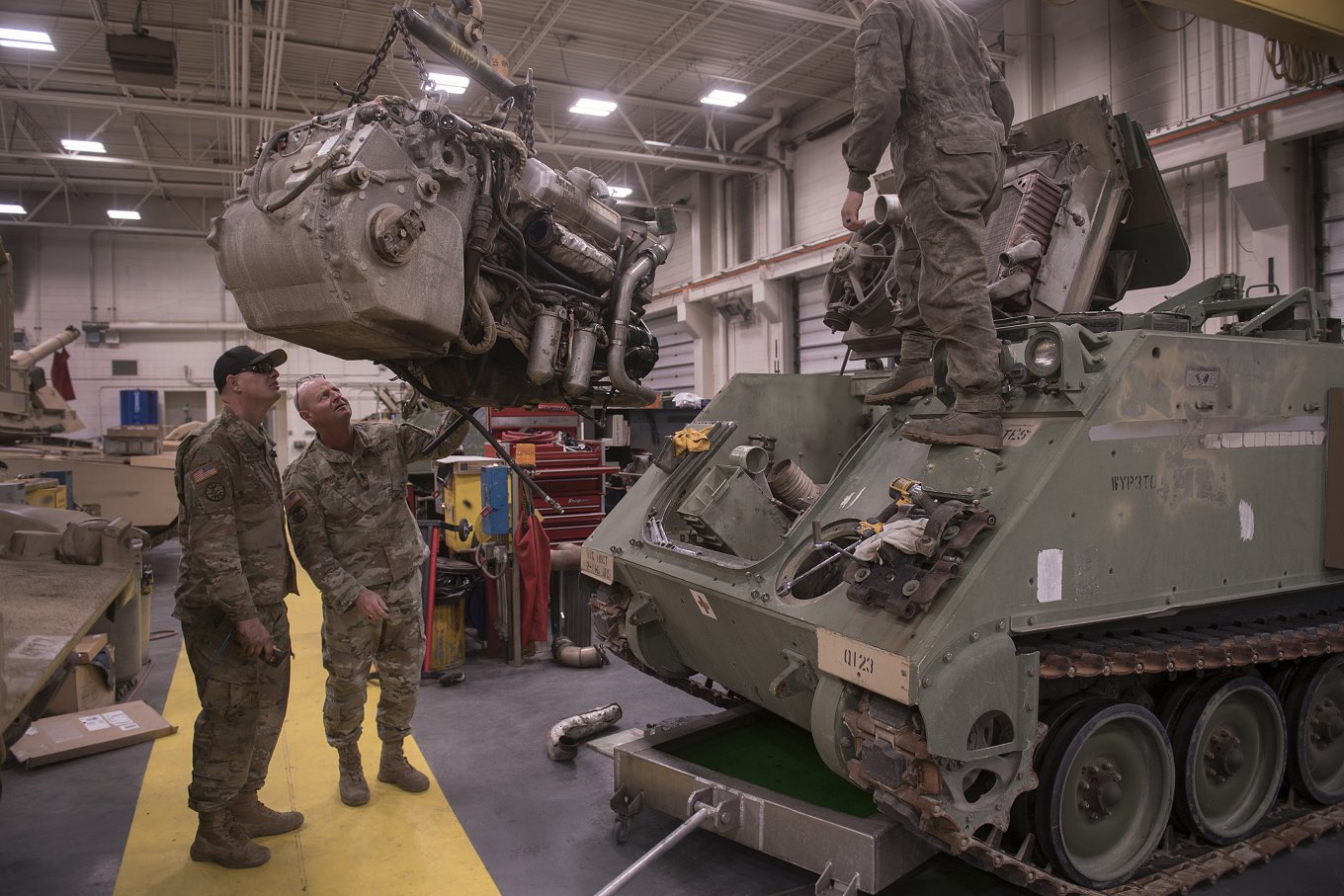
For this reason, EDA-supplied equipment can become quite expensive overall. Greece provides a clear example: in 2024, it declined EDA-offered Bradley IFVs after an inspection of 164 vehicles in US storage deemed refurbishment economically unviable. Repair costs for each Bradley were estimated at around €8 million. By comparison, a brand-new IFV such as the latest Swedish CV90 costs roughly €11–12 million.
Therefore, Ukraine should approach these proposed transfers with measured judgment rather than uncritical enthusiasm. Each item requires a careful cost-benefit assessment. This will remain essential even if European partners use mechanisms such as PURL to strengthen Ukraine's armed forces.
Read more: U.S. Reverses Decision Restores E-7 Wedgetail AWACS Program Due to Lack of Alternatives