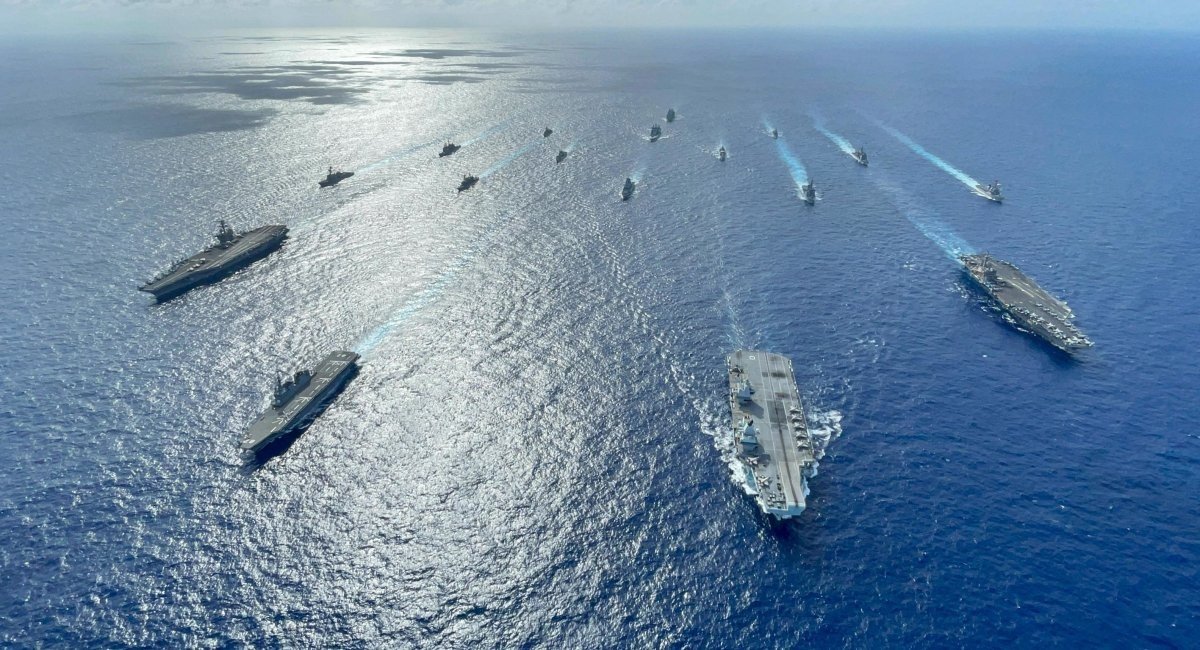
The U.S. Navy has plans to change the traditional model of its strike carrier groups. This initiative by the Chief of Naval Operations, Admiral Daryl Caudle aims to form specialized forces that could provide greater flexibility for the military. New plans for creating such specialized forces have already been developed, according to reports. This refers to new Fighting Instructions released Monday, February 9.
As Caudle emphasizes, the changes are based on the idea that the Navy should do something more than this all or nothing approach. In particular, this means giving commanders the flexibility to deploy exactly the number of forces needed for a mission. It is reported by USNI News.
Read more: After Eight Years Underwater russia Lifts PD-50 Dry Dock Sunken in Admiral Kuznetsov Accident
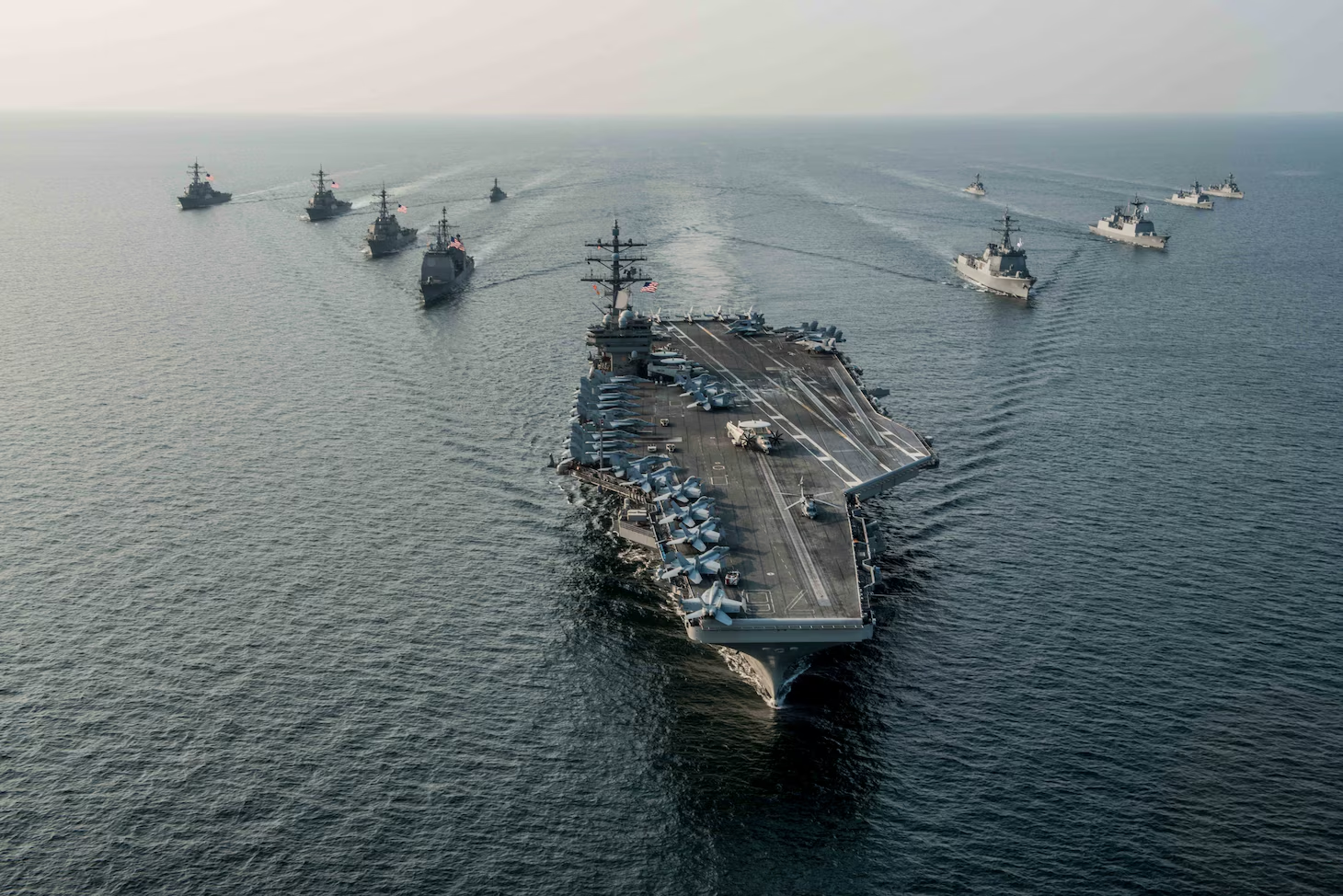
This requirement stems largely from the constraints of limited resources. "If I had a lot of strike groups, I could place these things all over the world," Caudle noted. At the same time, now the Navy doesn't need a full carrier strike group for every mission. This may include protecting certain narrow areas, conducting reconnaissance, engaging in anti-submarine warfare, and more.
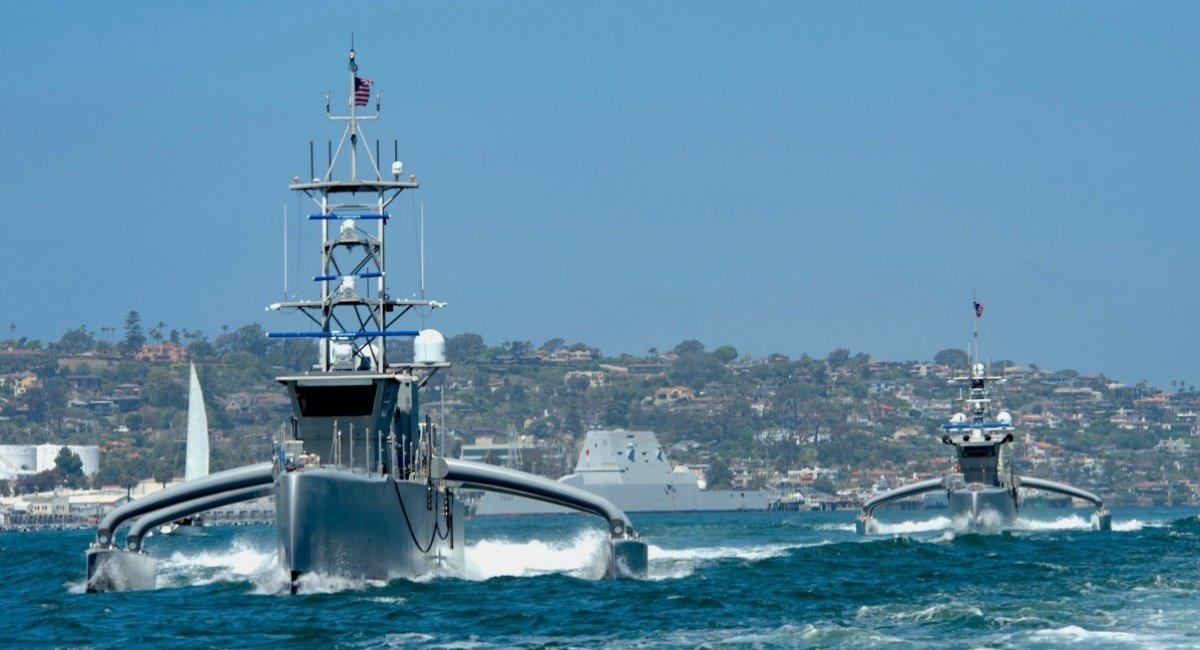
The Fighting Instructions also describe a so-called defense strategy that involves the active use of surface and underwater drones. These roles will be handled by small units, each performing specialized tasks.
The publication emphasizes that naval analysts have long warned the current carrier strike group model is reaching its limits, citing maintenance challenges, extended gaps between deployments, and other issues.
Therefore, Caudle is currently working to optimize forces and identify the most effective ways to use the existing fleet of nearly 300 ships efficiently, while covering remaining gaps with naval drones.
Read more: New Threat to Ukraine: russia Unveils Skorlupa USV with Fiber-Optic FPV Drones, Claims Serial Production