


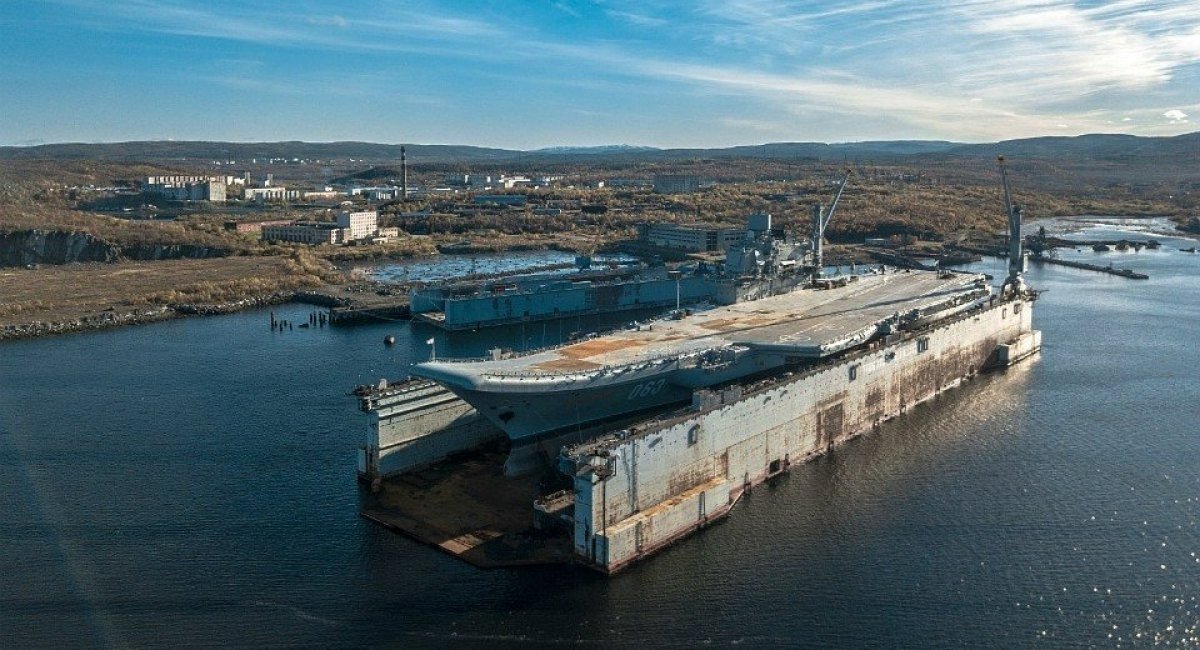
russia has signed a contract with JSC Lenmorniiproekt to conduct underwater surveys of the sunken PD-50 floating dock. The contract is valued at 240 million rubles.
These funds will be used to carry out a complete diving and technical survey of the floating dock's hull, including all internal compartments. In addition, all structures of the floating dock will be photographed and filmed.
Read more: U.S. Warship Docks at Chinese-Built Cambodian Base, Raising Questions About Beijing's Response
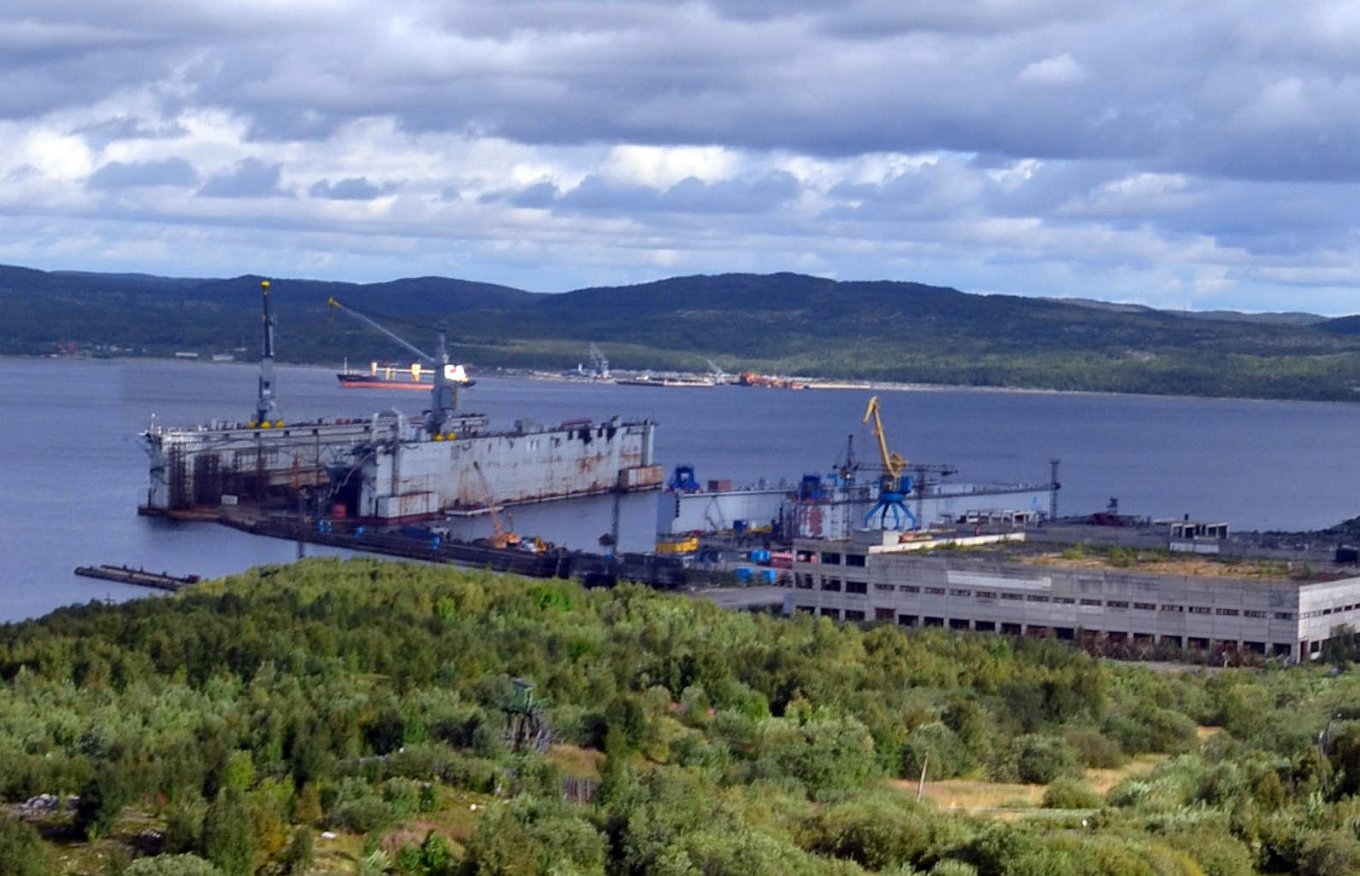
Corrosion levels will be evaluated, the angles of list and trim measured, and the dock's penetration into the seabed determined. After a complete inspection, an accurate 3D model of the PD-50, its surrounding area, and the future transport route will be created.
As a reminder, on the night of October 29–30, 2018, PD-50 suffered an accident and sank near the 35th Ship Repair Yard in Kola Bay.
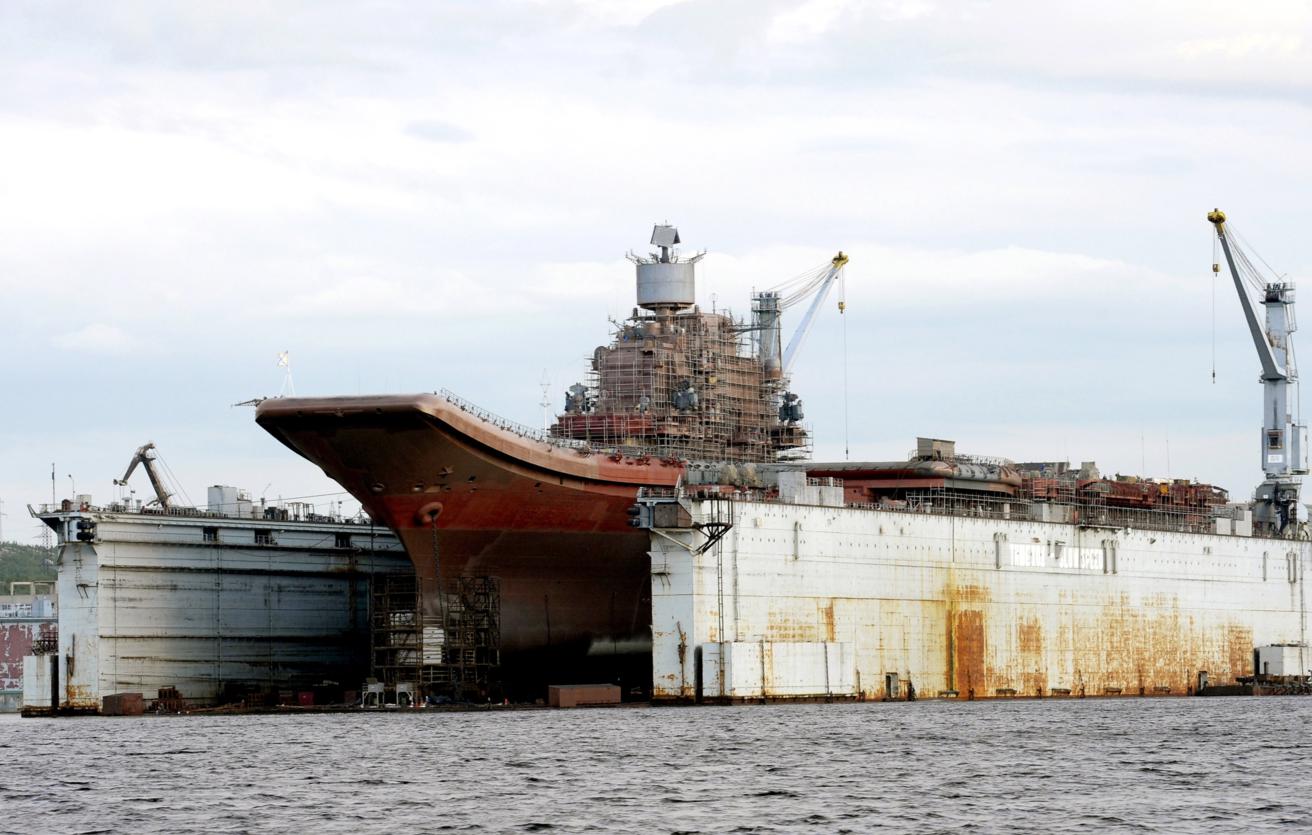
At the time of the sinking, russia's only aircraft carrier, Admiral Kuznetsov, was on board. It sustained serious damage but remained afloat.
Now, almost eight years later, russians have decided to raise the PD-50, but it appears that this is not for restoration purposes, but rather to send it to the scrapyard. This is despite the fact that russia has only two floating docks capable of replacing it, both of which are located in the Far East.
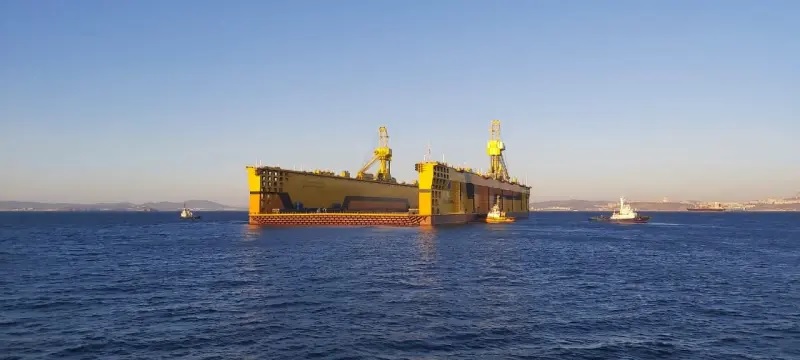
However, none of them were built in russia due to the lack of suitable production facilities and were always constructed by countries near their intended locations. For instance, the PD-50 was built in Sweden in 1979, the similar PD-41 in 1978 in Japan and the larger PD-100 in 2022 in China.
The russian federation is unable to build floating docks of such large displacement on its own, even though they are essential for the maintenance and repair of its large ships and submarines.
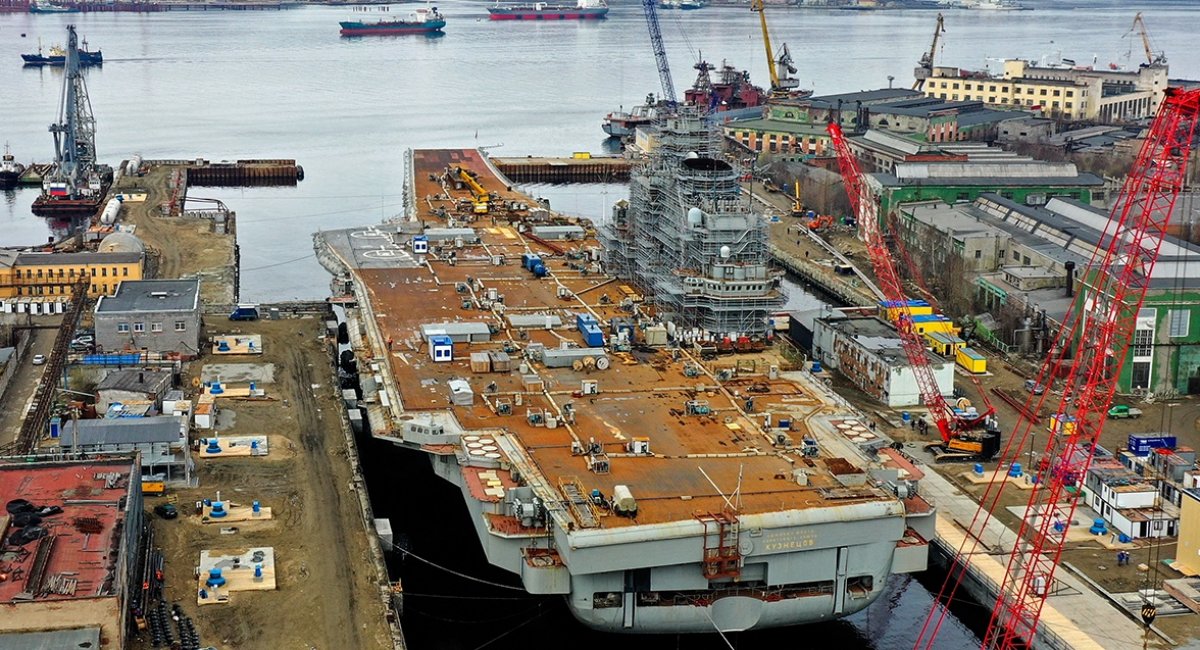
It should be noted that in 2025, the Admiral Kuznetsov will likely be sent to the scrapyard, after numerous promises of imminent repair completion, bringing an end to its long history of decay, repairs, and costly spending.
Read more: New Threat to Ukraine: russia Unveils Skorlupa USV with Fiber-Optic FPV Drones, Claims Serial Production