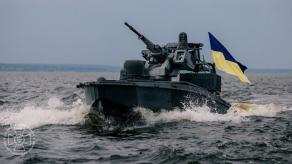
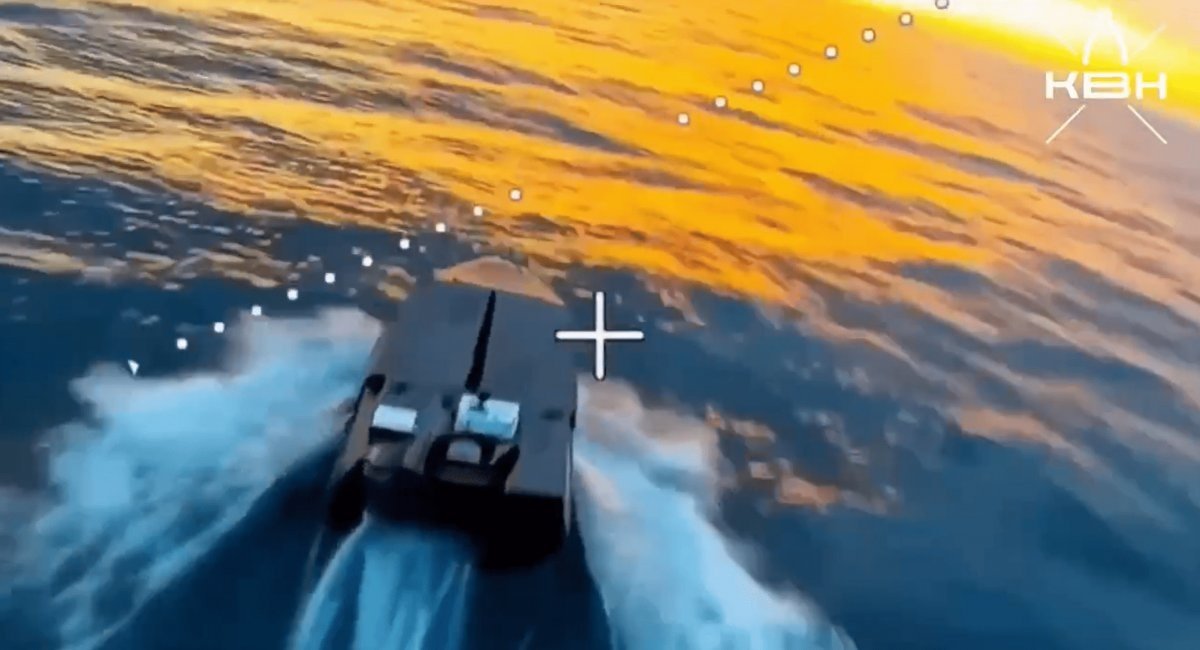
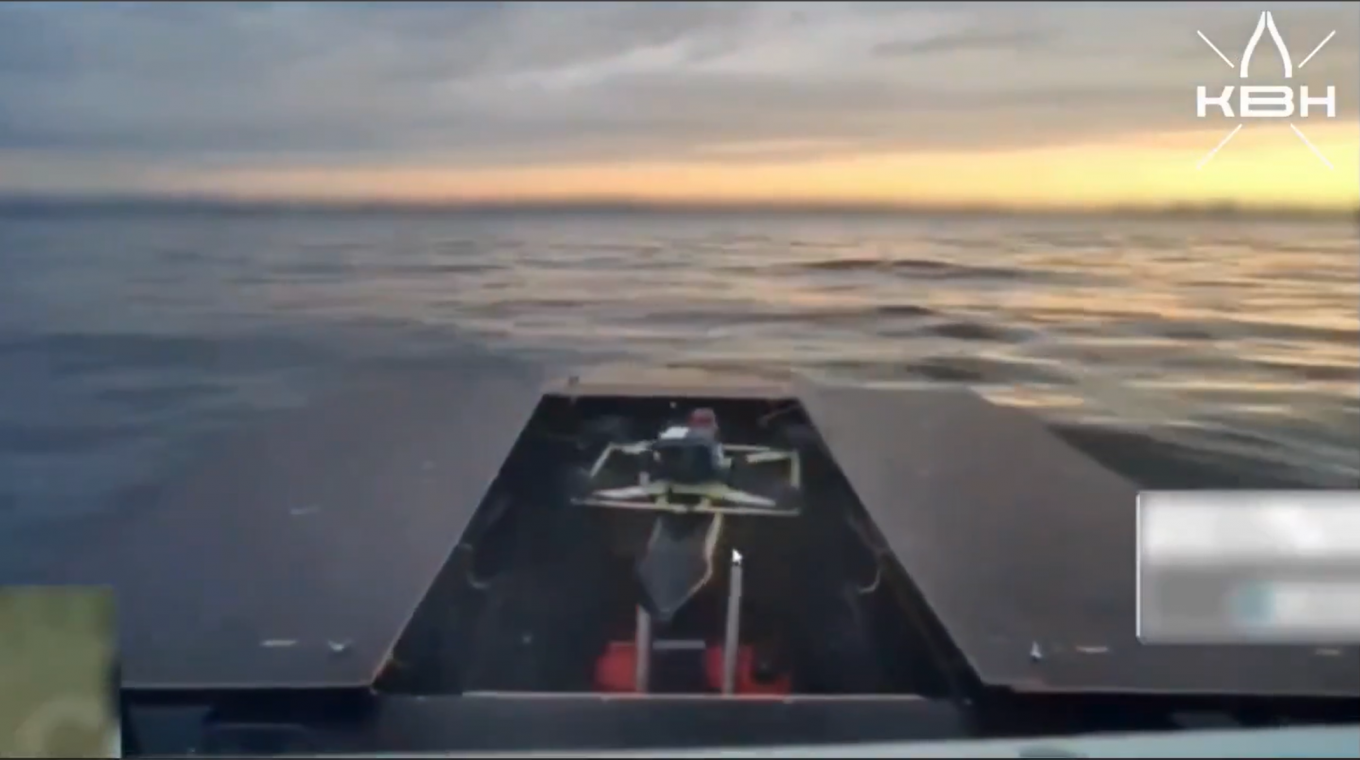
The russian Scientific and Production Center (SPC) Ushkuynik has conducted trials of a new uncrewed surface vessel known as Skorlupa. Its defining feature is a control and communications system based on a fiber-optic cable. The hull includes a dedicated compartment with sliding doors designed to house FPV drones.
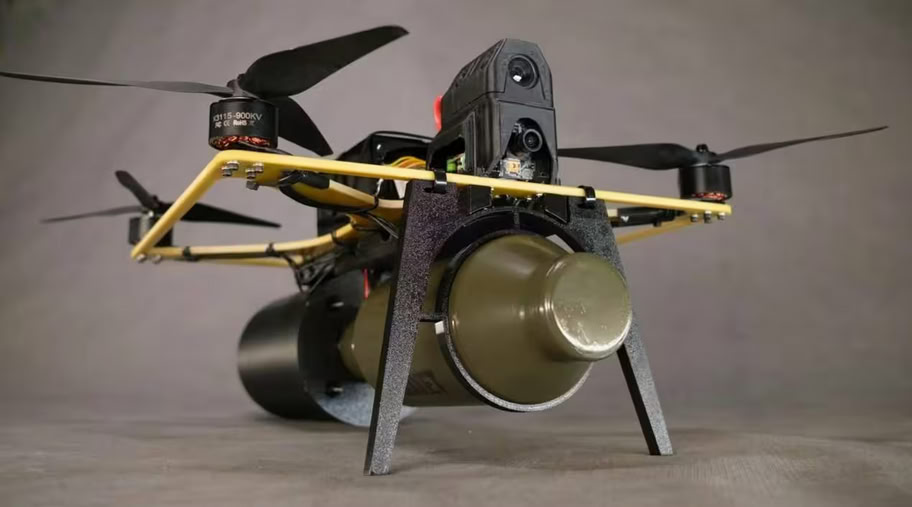
Based on the available footage, the compartment can accommodate up to two drones. The system employs fiber-optic FPV drones already widely used by russian forces, specifically the Prince Vandal (or Prince Vandal of Novgorod).
Read more: russia Develops Unified UAV Ecosystem with Lancet-Like Loitering Munition and 500 km/h Jet-Powered Strike Drone
Ruska firma „Ушкуйник“ je uspešno testirao lansiranje optičkih dronova sa serijski proizvođenog USV„Skorlupa“ u Crnom moru – prvog ruskog USV sa optičkim kanalom upravljanja. Čamac se može koristiti samostalno za izviđanje i patrolu. Počela proizvodnja stotine komada mesečno. pic.twitter.com/ZVjujZIXv9— Front Channel (@ChannelFront_sr) February 5, 2026
According to reports, the trials took place in the Black Sea. The released video shows the compartment doors opening, followed by the launch of an FPV drone from inside the hull. The drone then flies for some time before simulating an attack either on the same Skorlupa USV from which it was launched or on a similar vessel used as a target.
russian developers have been working on fiber-optic-controlled USVs for some time. However, Skorlupa appears to be the first such platform that russia claims is already in serial production. Compared to earlier experimental designs, Skorlupa indeed looks closer to a standardized, production-ready system.
The vessel's range and other performance characteristics remain undisclosed. Nevertheless, despite its relatively small size, Skorlupa is capable of carrying a fairly large fiber-optic cable spool. In this case, the limiting factor for operational range is not the weight of the spool itself, but signal attenuation within the cable. Beyond a certain distance, additional signal-boosting equipment would be required, otherwise control would be lost.
Judging by the nature of the tests, russian forces likely intend to use Skorlupa USVs to intercept Ukrainian uncrewed surface vessels far out at sea, away from the coastline. At the same time, there are no technical obstacles preventing their use in strike missions against Ukrainian coastal cities such as Odesa or Mykolaiv, which are located approximately 60 km from russian-controlled territory.
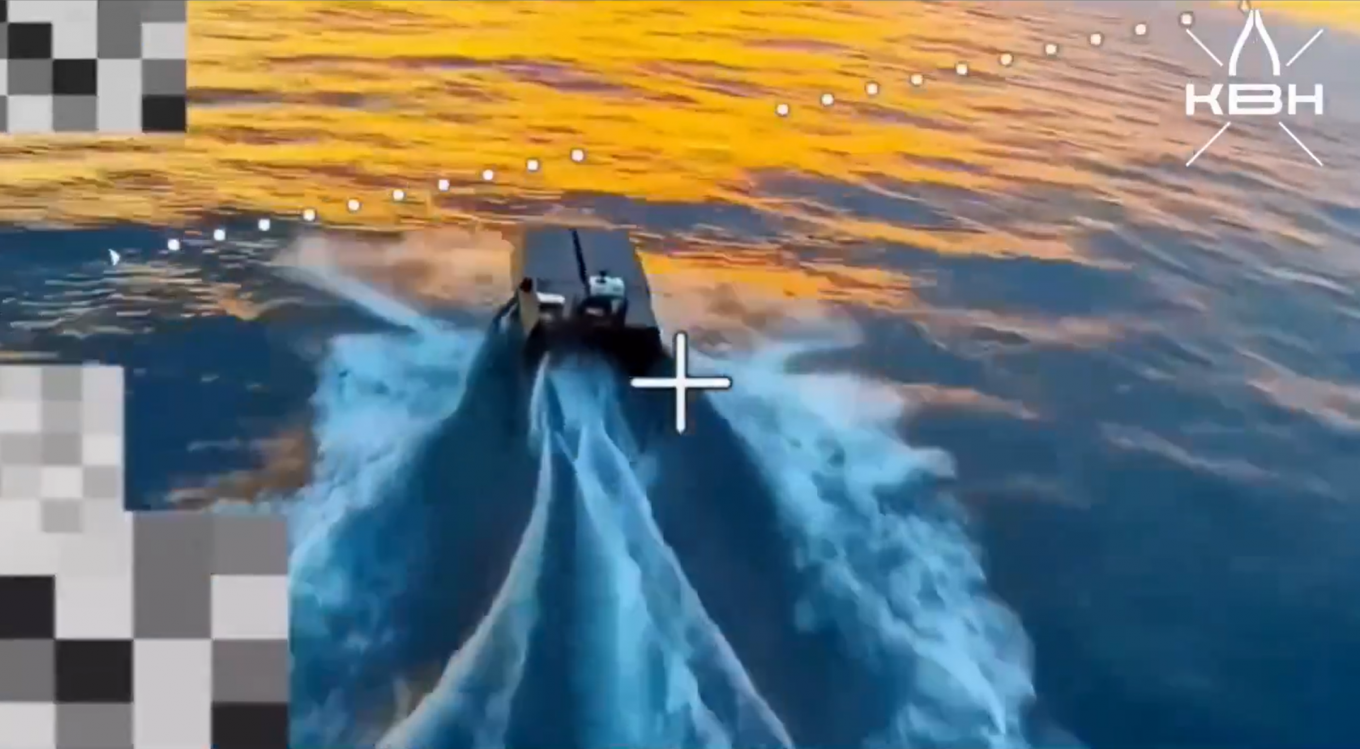
Detecting USVs like Skorlupa is particularly challenging due to their small size and the absence of radio emissions, as communications are conducted exclusively via a fiber-optic cable. In addition, the vessel carries fiber-optic FPV drones, which are also difficult to detect and intercept.
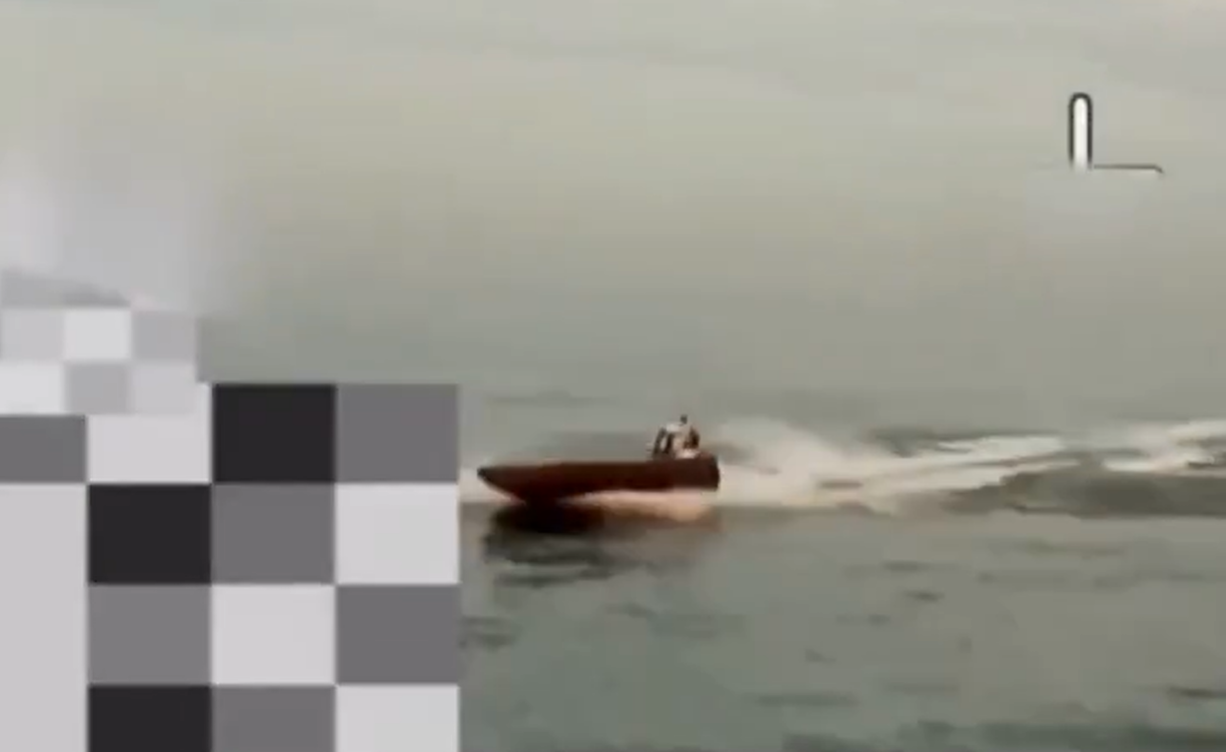
The primary targets for these FPV drones are likely to include various air defense assets deployed several tens of kilometers inland from the coastline.
For the fiber-optic version of the Prince Vandal FPV drone, the modernized variant is claimed to have a range of 50–65 km. At the same time, the USV itself would not need to approach the shoreline directly and would more likely operate several kilometers offshore.
It is worth noting that the Security Service of Ukraine has been preparing countermeasures against russian naval drones for some time. As part of these efforts, a dedicated variant of the new-generation Sea Baby uncrewed surface vessel was developed specifically to hunt such targets.
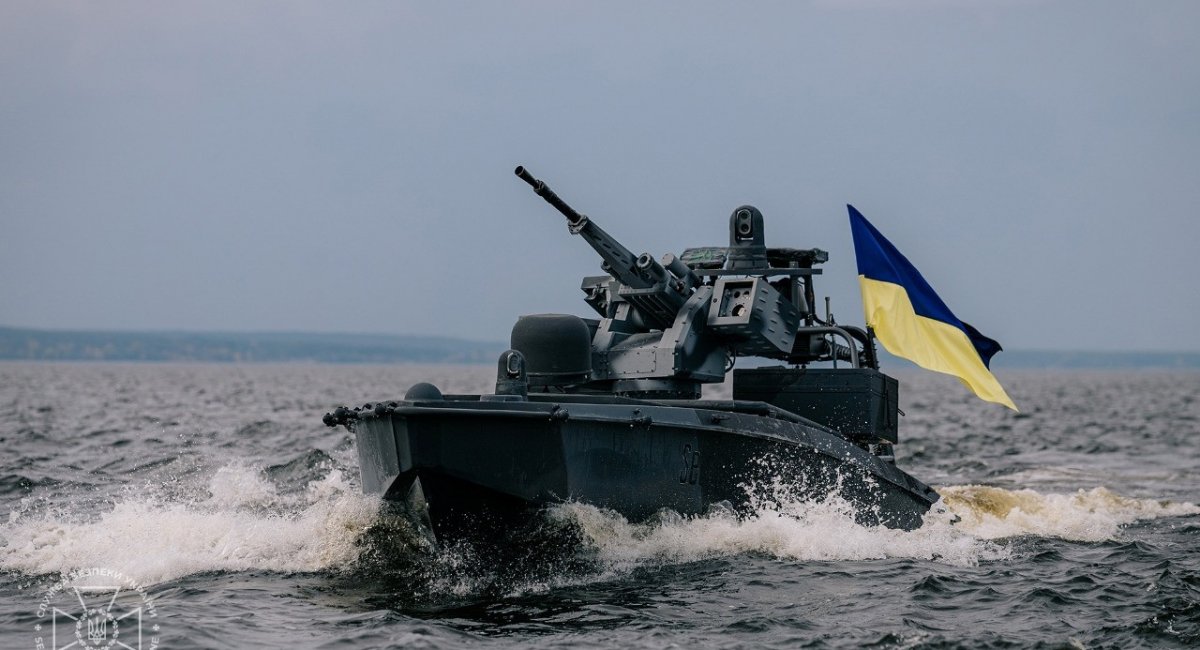
This Ukrainian USV is armed with the Tavriya combat module featuring a stabilized 14.5 mm KPVT heavy machine gun. It also carries two FPV drones intended to engage enemy uncrewed surface vessels at extended range.
Notably, in October 2025, the Ukrainian Navy released footage showing the destruction of an unidentified russian USV. Despite the low video resolution, the destroyed vessel displayed several features similar to those of the Skorlupa.
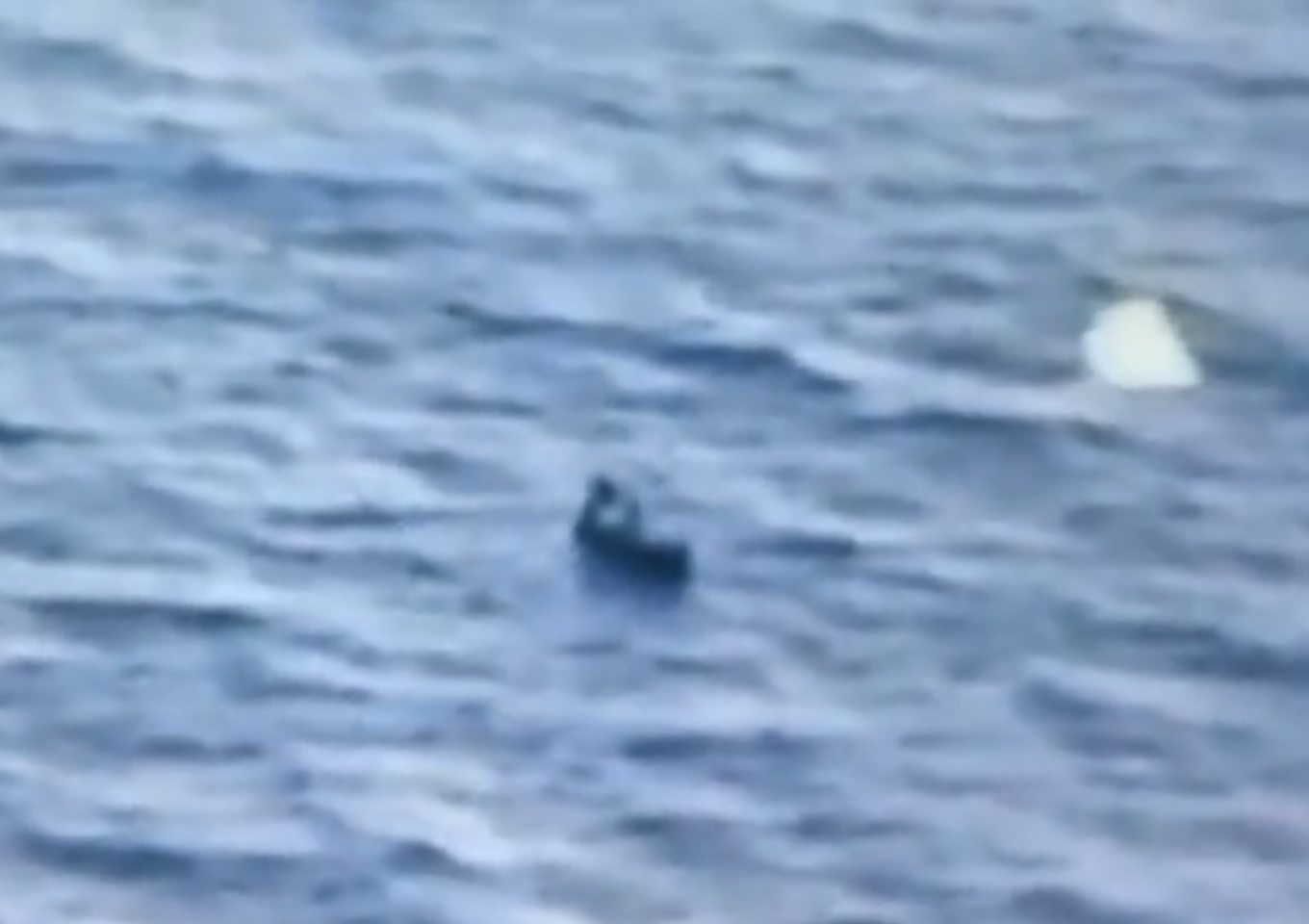
In particular, it had an elongated hull with a flat deck and a superstructure positioned toward the stern. This makes it plausible that the vessel destroyed at that time may indeed have been a Skorlupa, hit during one of its early operational trials.
Read more: russia Deploys Gerbera UAV as FPV Drone Mothership for the First Time