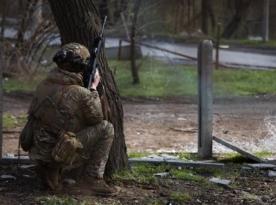



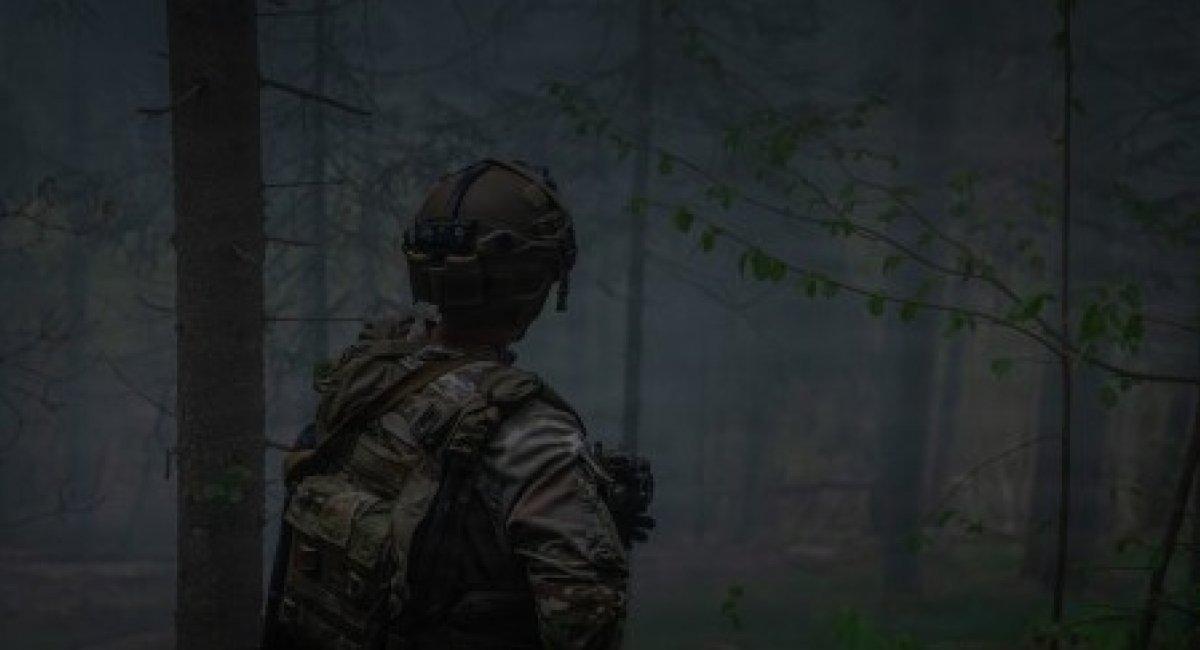
The United States conducted a two-week exercise in Lithuania, Project FlyTrap 5.0, an initiative of the U.S. Army’s V Corps focused on countering unmanned aerial vehicles. The exercises took place at one of the largest training areas in the Baltic states, the Pabradė Training Area, located a few dozen kilometers from the Belarus border. British military personnel also participated in the exercises.
According to Breaking Defense, during the exercises, troops practiced detecting aerial threats using both visual and acoustic methods. In other words, they listened for and visually identified simulated enemy drones, then neutralized the targets.
Read more: U.S. Forces in Europe to Deploy Ukrainian-Origin Stork UAVs for Reconnaissance Missions, Produced by Czech U&C UAS
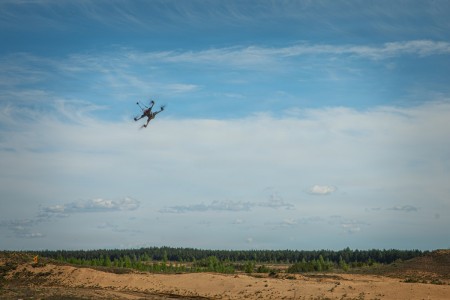
While official U.S. training programs do not yet include such exercises, Sergeant First Class Tyler Harrington, who led drone countermeasure training during Project FlyTrap 5.0, said the experience could serve as a foundation for future development in this field.
The U.S. military also takes into account lessons learned from the Ukrainian Armed Forces when it comes to detecting drones on the battlefield.
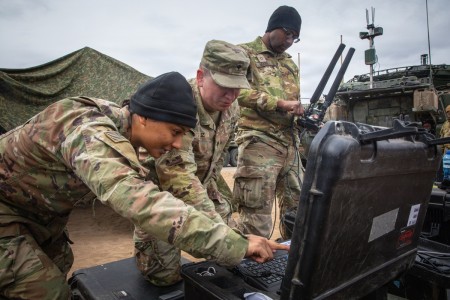
From Defense Express we would like to note that, According to a U.S. Army press release, the exercises included more than just visual and auditory drone detection. In total, over 50 different technologies were integrated and tested during the exercises. These included not only detection systems but also UAV countermeasures, all integrated into a single network.
This could be interpreted as a form of course correction in response to reported equipment losses during Operation Epic Fury in Iran.
This is not only about losses caused by Shahed drones or cruise and ballistic missiles, but also about the threat posed by FPV drones, which struck a Black Hawk helicopter and a radar belonging to the NASAMS air defense system. The latter was destroyed.
Now the U.S. military is focusing more on the practical aspects. Knowing what enemy drones look and sound like is an important skill, but it must be combined with other measures, such as drone detection systems.
While open sources do not specify the exact types of drones used in the exercises in Lithuania, they likely focused on small systems, including reconnaissance and FPV drones.

Read more: Two EA-18G Growler EW Aircraft Lost at Gunfighter Skies Air Show – What It Cost the U.S.