


American technology company Base Molecular Resonance Technologies (BMRT) has announced significant progress in developing a new technology capable of detecting whether a drone is carrying explosives.
During trials, BMRT specialists successfully tracked nitrocellulose propellant in a 9mm cartridge attached to a fiber-optic drone. The drone was detected at an altitude of over 200 feet (60.9m), the maximum range evaluated during the tests.
Read more: Israeli Tech, American Production, Anduril Software: How Elbit Is Positioning Sigma as an All-American Howitzer
According to BMRT, the technology detects the unique molecular resonance signatures associated with specific materials and compounds. In practical terms, it could determine whether any given drone is carrying explosive material.
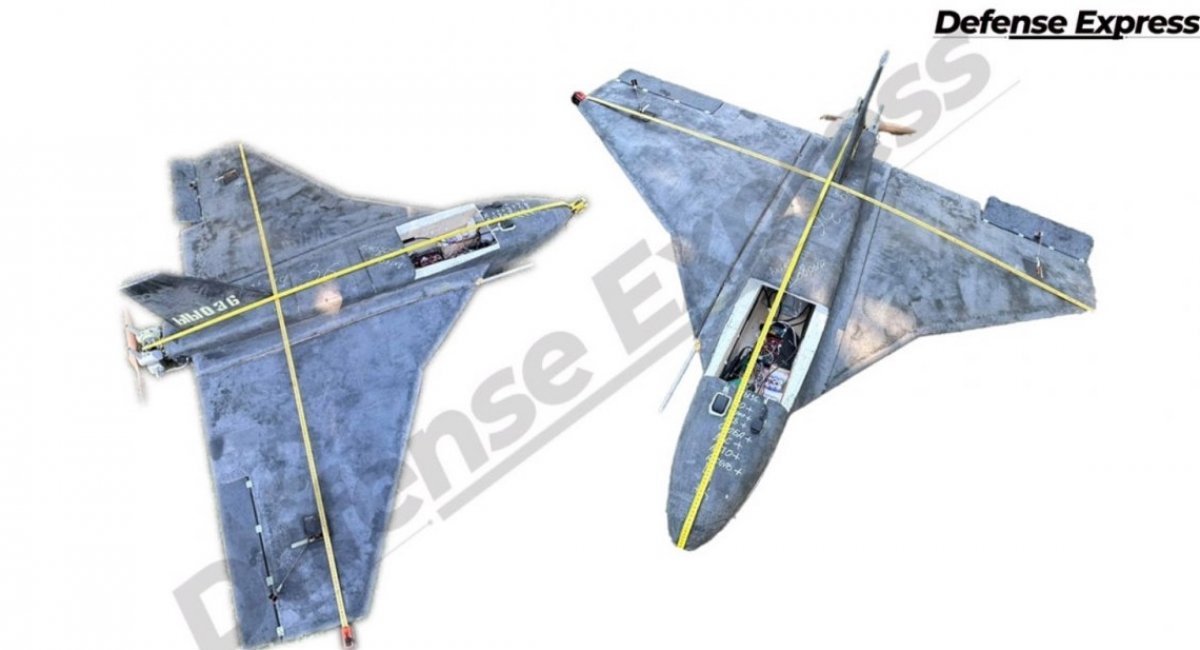
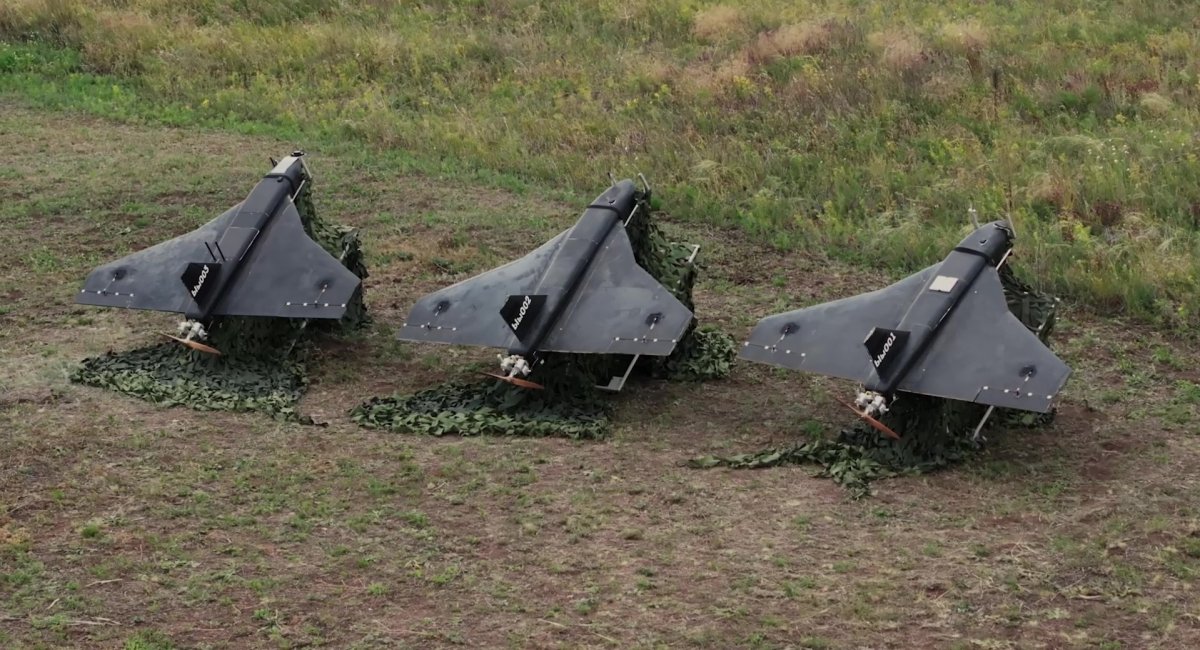
Defense Express notes that the technology looks genuinely interesting in the drone era, when adversaries deploy large numbers of long-range strike drones alongside decoys essentially empty airframes with no warhead, designed to draw the attention of air defence systems.
russia has been using long-range Gerber drones in this decoy role since 2024. These are difficult to distinguish from strike drones even visually, as they share a similar form factor with the Shahed/Geran. Even if the Gerber had a different appearance, drones of this type can also be configured as strike variants, making the ability to distinguish armed from unarmed drones a genuinely valuable capability.
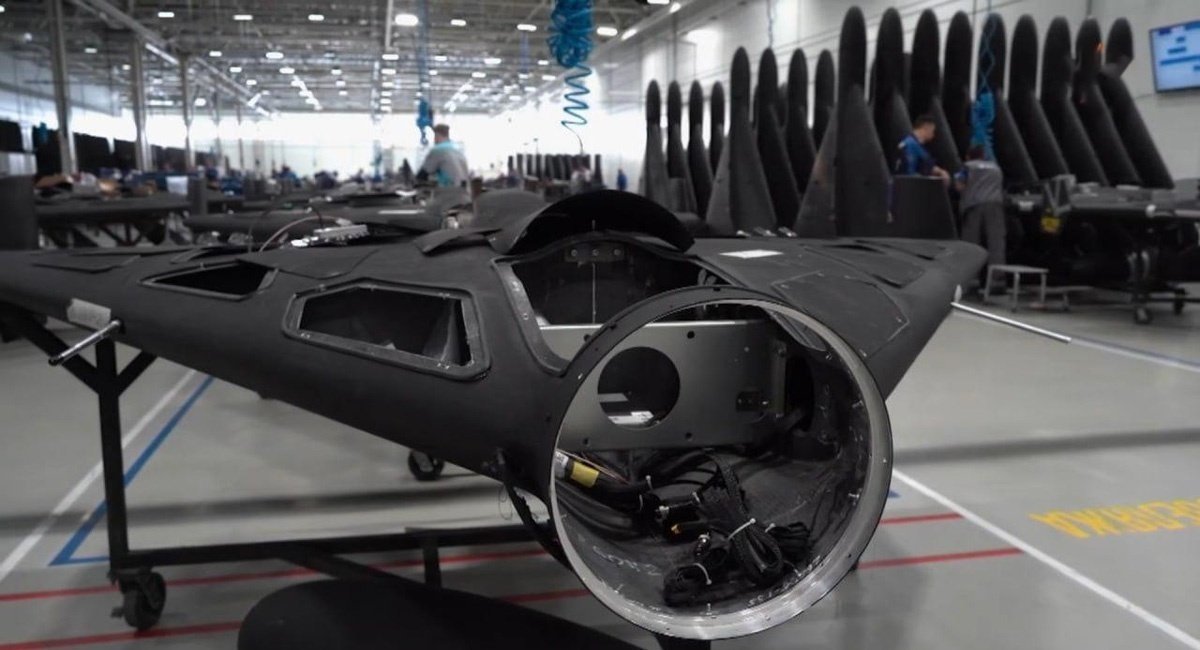
Under ideal conditions, the correct approach is to engage all drones. Even an unarmed Gerber can cause harm if it comes down in a populated area, particularly during the day and it can serve other purposes beyond acting as a decoy, including reconnaissance of air defence positions and carrying FPV drones.
That said, knowing whether a drone is armed is useful information in an environment where air defence assets are scarce. The key question is how mature the technology actually is and how quickly it could be ready for real-world deployment.
Drones can fly at low altitudes, but 60 metres is a very limited detection ceiling for practical use. It also remains unclear whether the technology can be scaled in the way acoustic sensor networks have been a system already well established across Ukraine and increasingly being adopted in the West, with Latvia among those drawing on that experience.

BMRT's press release makes repeated reference to the russo-Ukrainian war, during which drone technology has advanced rapidly. russias occupying forces were the first to scale the concept of long-range strike drones, procuring and refining the Iranian Shahed; over recent years Ukraine has built up its own long-range drone production, inflicting serious damage on the enemy through strikes on targets inside russia and on temporarily occupied territory.
Read more: Ukraine Targets russian Hybrid Courier UGV and Giatsint-B Artillery System (Video)