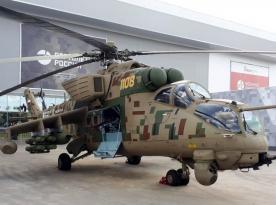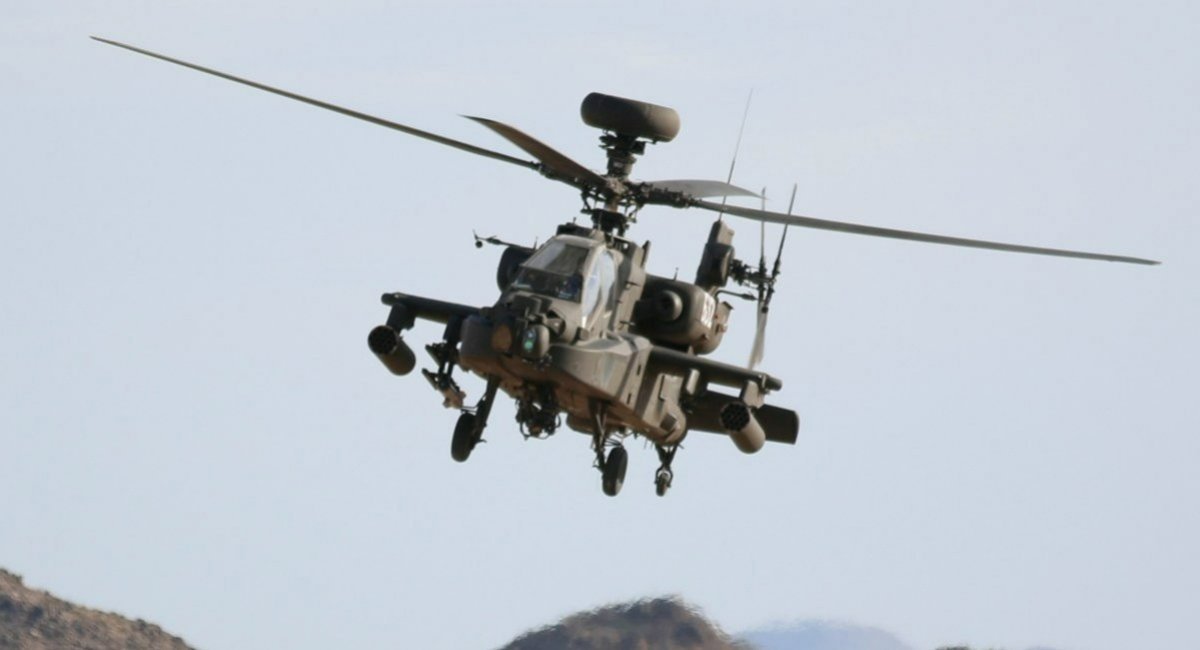
U.S. President Donald Trump stated that Iran had shot down an AH-64 Apache over the Strait of Hormuz. At first glance, it was reasonable to assume that the helicopter had been hit by a surface-to-air missile, given that Iranian air-defense systems operate in the area.
However, U.S. officials later indicated that the helicopter had been lost as a result of a drone engagement. According to CNN, citing sources familiar with the incident, the aircraft was reportedly struck by a Shahed drone.
Read more: U.S. Army Turns AH-64 Apache Into Drone Hunter With New Proximity-Fused 30mm Rounds
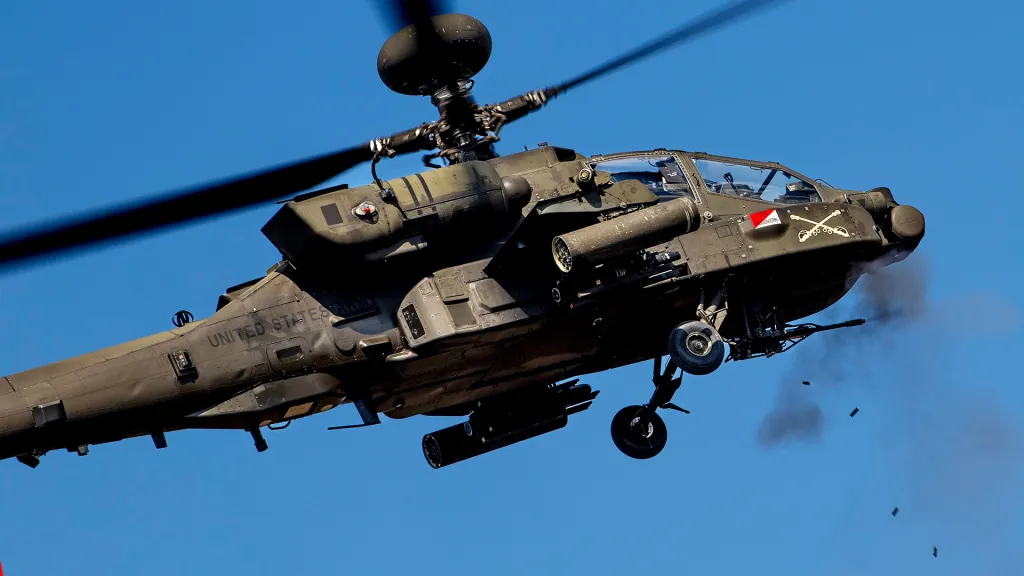
At first glance, this could suggest that the Shahed was manually guided onto the helicopter by an operator. However, unlike russia, Iran has no publicly documented history of employing Shahed drones with real-time manual guidance capabilities.
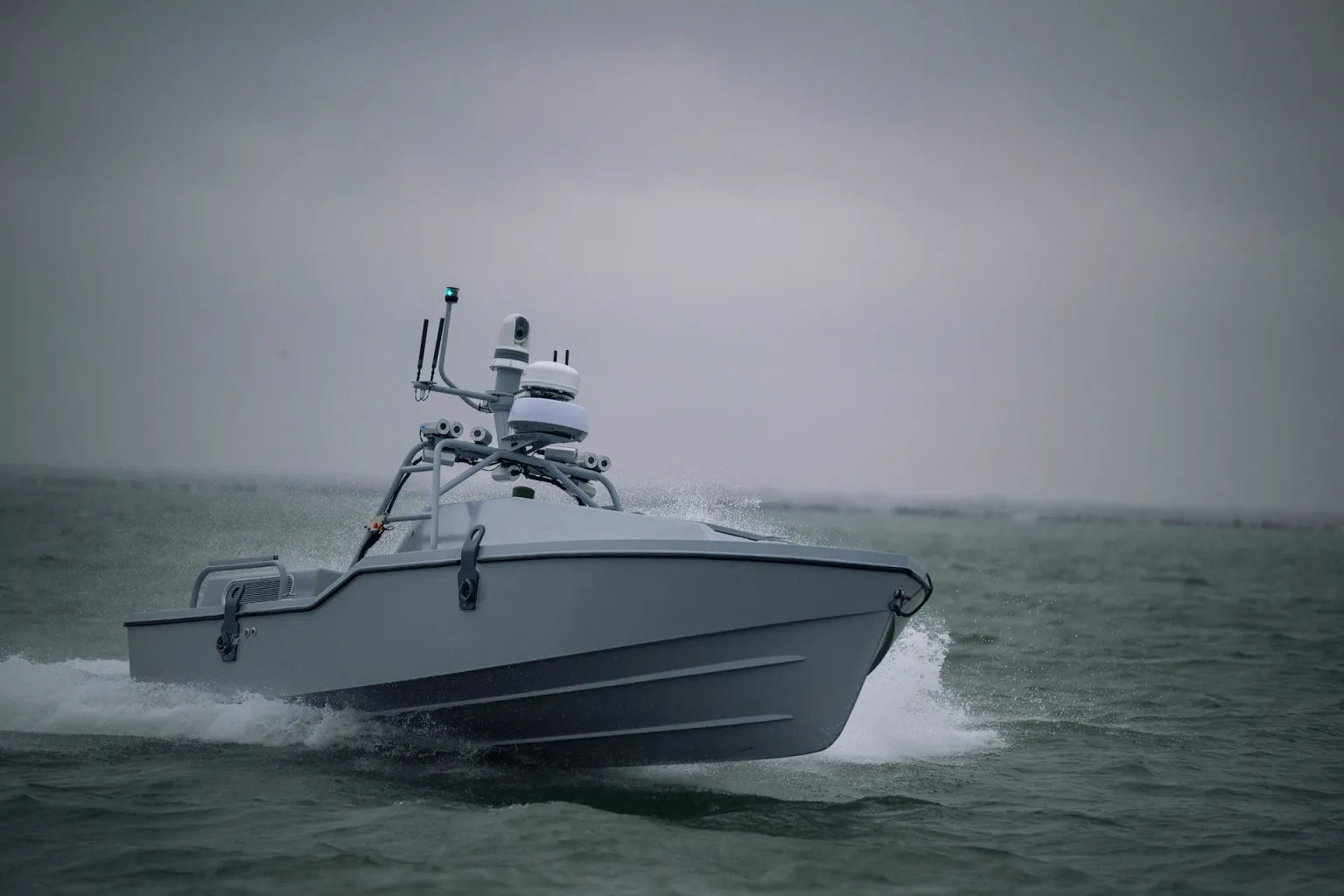
Another important detail is that the AH-64 Apache appears to have remained largely intact after the incident. Both crew members survived, suggesting the helicopter was able to make a controlled emergency landing on the water. According to Bloomberg, the crew was subsequently rescued by a Corsair unmanned surface vessel developed by Saronic Technologies.
This detail is significant because a Shahed carries a relatively large warhead. A direct impact would likely have inflicted catastrophic damage on the helicopter. In such a scenario, the aircraft could have broken apart in flight, making crew survival highly unlikely.
For that reason, despite the fact that the official investigation is still ongoing, and no definitive cause has been announced, one possible explanation is that the Apache was damaged by the blast effect of a detonating Shahed rather than by a direct collision.
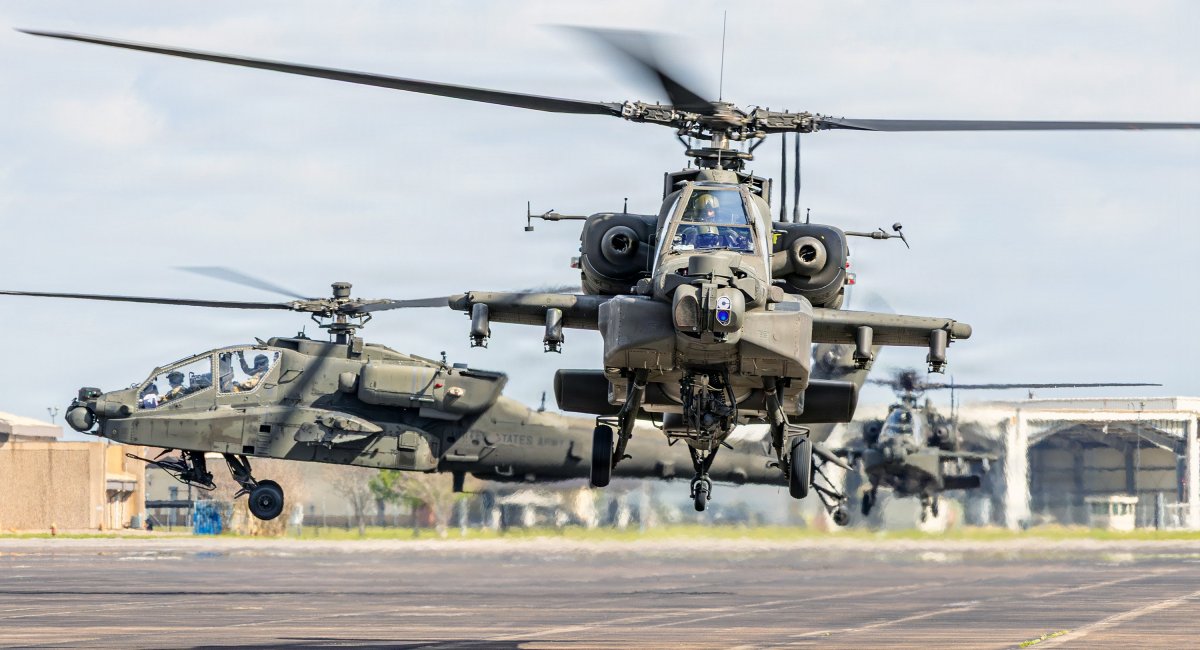
The helicopter may have been attempting to intercept Iranian drones while conducting a patrol mission, using its onboard 30 mm cannon and/or APKWS guided rockets. During an attempt to destroy one of the incoming Shaheds, the AH-64 may have approached too closely, placing it within the lethal radius of the drone’s warhead when it detonated.
Under that scenario, the explosion could have inflicted severe damage without immediately destroying the helicopter, leaving the crew unable to reach shore and forcing them to perform an emergency water landing.
For now, this remains only a working hypothesis based on the information currently available. The official investigation is still underway, and no final conclusions have been announced.
Read more: Europe's 9-Year, Three-Country Fighter Program FCAS Dies Without Single Prototype Built, Now Germany Eyes GCAP While Spain Is Left Stranded Without Carrier Jets