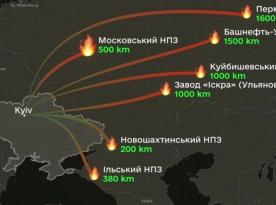
Ukrainian forces conducted a series of strikes on russian military-related infrastructure overnight on March 14, targeting energy and logistics facilities used to support Moscow's war effort. According to Ukrainian officials, the operation focused on reducing the military-economic capacity of the russian federation by hitting key industrial and transport assets inside russian territory.
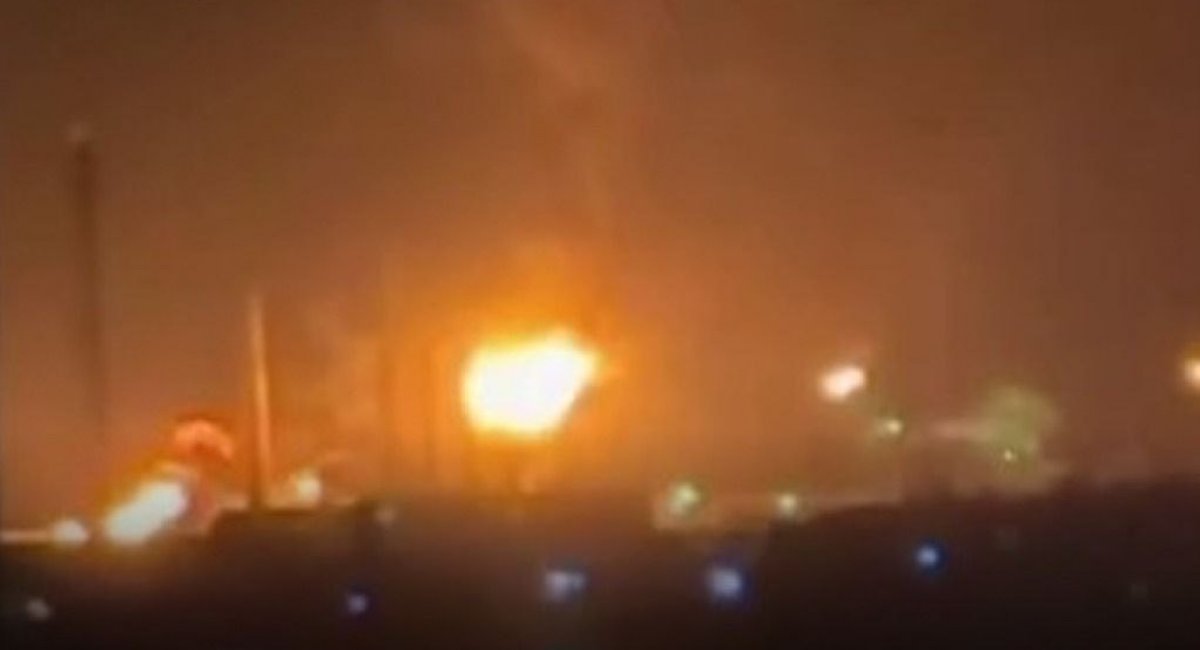
One of the primary targets was the Afipsky oil refinery, located in the settlement of Afipsky in russia's Krasnodar region. Ukrainian sources report that the facility was successfully struck, resulting in a fire on the refinery's territory. The plant is considered an important component of russia's fuel supply chain.
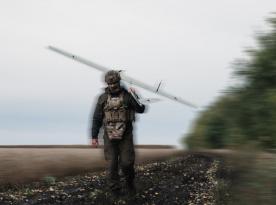
Read more: Ukrainian FP-2 Drones Destroy russian S-300V Launcher, Tor Air Defense System and Fuel Train in Night Strikes (Video)
The Afipsky refinery processes around 6.25 million tons of crude oil annually, accounting for roughly 2.1% of russia's total refining capacity. Facilities of this scale play a significant role in producing fuels used by both civilian infrastructure and the military, making them strategically valuable targets in efforts to disrupt russia's logistics and energy supply.
In addition to the refinery strike, Ukrainian forces also targeted infrastructure at Port Kavkaz, located near the Chushka Spit in Krasnodar region. The port serves as a major logistics hub in southern russia, particularly for maritime transport routes linking russia with temporarily occupied territories.
Preliminary information indicates that port infrastructure sustained damage during the strike. The facility is used to handle cargo shipments and transport flows that support military logistics, including supplies moving toward the Black Sea region and temporarily occupied areas of Ukraine.
Both the refinery and the port are believed to contribute directly or indirectly to sustaining russian military operations. Ukrainian officials emphasize that such facilities are considered legitimate targets because they help supply fuel, materials, and logistical support for russian forces engaged in the war against Ukraine.
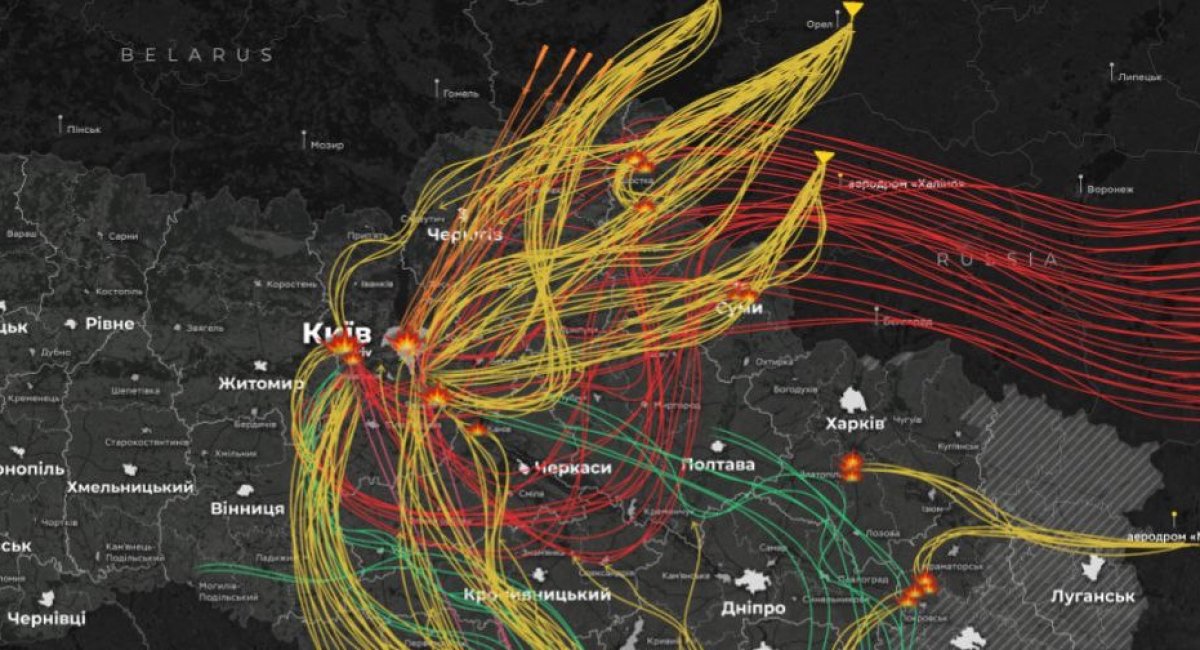
As Defense Express previously reported, russia launched one of the largest combined air assaults against Ukraine overnight on March 14, targeting critical infrastructure across the country with a mix of drones and missiles. According to the Air Force, the attack began at 18:00 on March 13 and involved nearly 500 aerial threats, making it one of the most massive strikes recorded during the war.
Read more: russia Fires Zircon, Iskander, Kalibr Missiles and 430 Drones in Massive Night Strike on Ukraine