


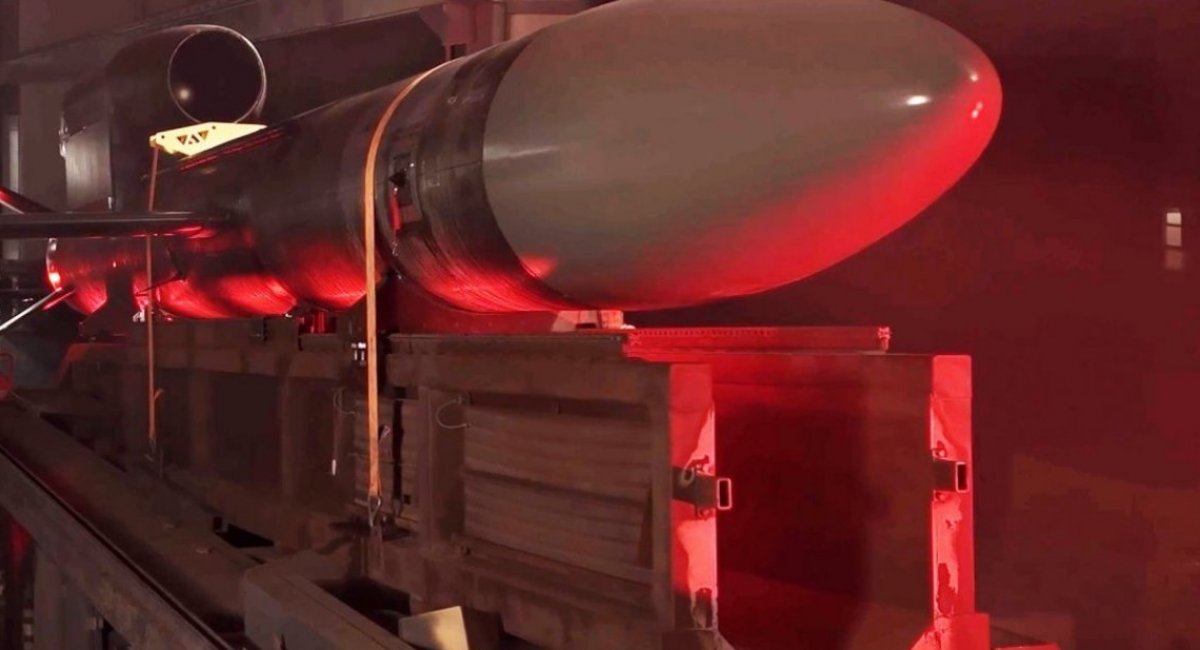
Ukrainian Fire Point, known for strike UAVs and missiles, has refused to deploy production in the Netherlands. The reason is excessively complex regulations and bureaucracy, described as running with a lead backpack.
This was stated by the company's chief designer and co-owner, Denys Shtilerman, in a comment to Nieuwsuur. According to him, preparing all the required documents would take too much time. In particular, it would take about one and a half years just to obtain a permit to build a factory.
Read more: UK Ministry of Defence: UK Typhoon, F-35 Jets and Wildcat Helicopters Fly 2,000+ Hours Over Middle East
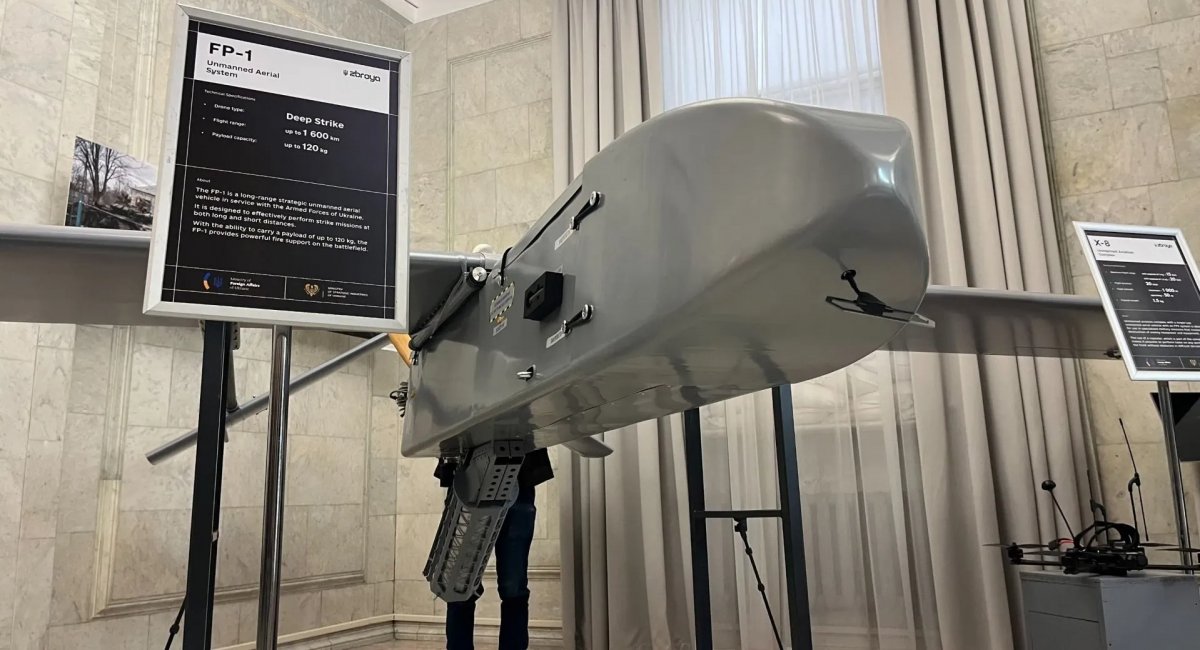
Shtilerman also noted that the company would need more personnel to navigate the maze of European regulations than to actually deploy production of missiles and drones. At the same time, Fire Point continues to purchase components in the Netherlands.
Denmark is cited as an exception, where the Ukrainian company plans to deploy fuel production. It is emphasized that the Danes managed to waive some rules, making it possible to operate there.
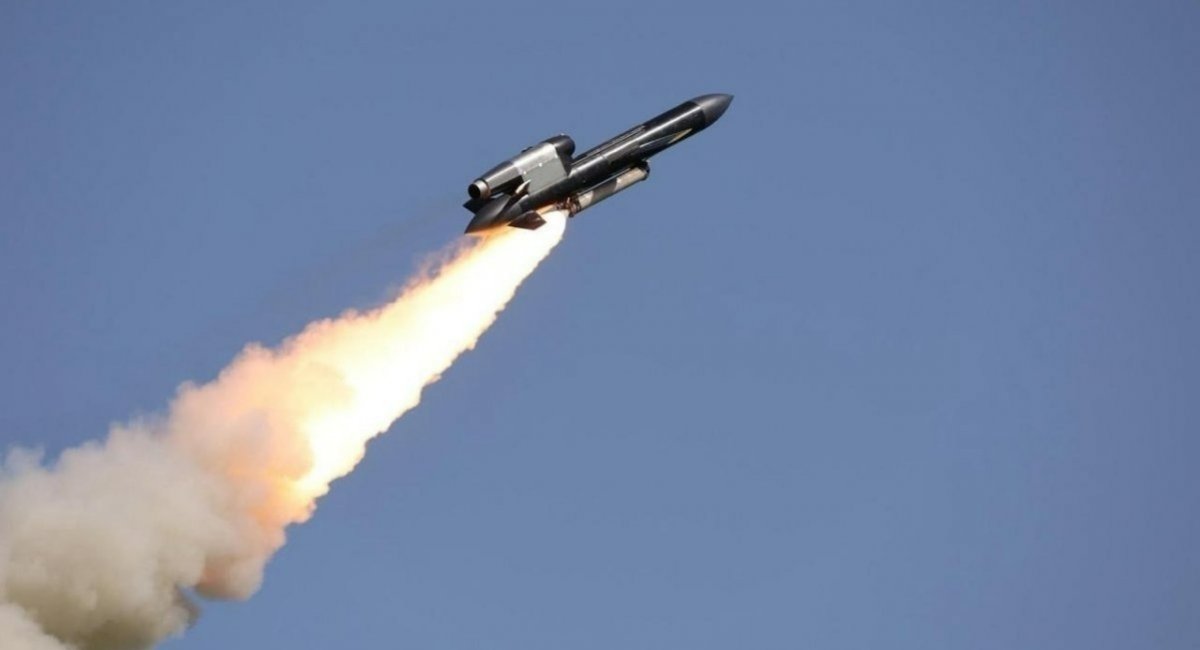
From the Dutch side, industry representatives agree that it is more difficult to manufacture offensive weapons in the country compared to defensive systems. This requires a different licensing procedure, and investors are less willing to invest in such projects.
At the same time, they note that the Netherlands is ready to produce drones and weapon components jointly with Ukraine, and describe complaints about regulatory barriers as an oversimplification. The rules are justified by the fact that compliance provides businesses with a sense of certainty. However, they acknowledge that the approach should be reviewed, as it was developed in peacetime and may not meet current challenges.
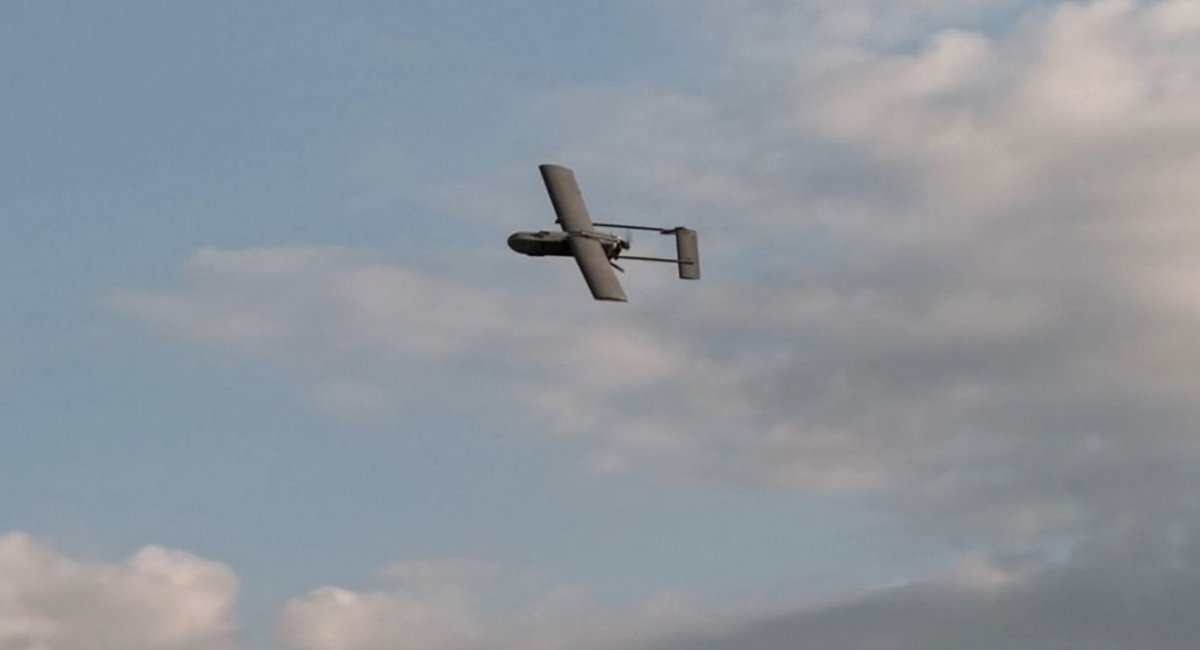
From Defense Express, this case illustrates the interaction between the Ukrainian defense industry and European regulations. These are often described as overly complex for the needs of rapidly scaling military production. Many of the current procedures were created in peacetime and may now require adjustment. However, this likely requires not isolated exceptions, but a broader revision of the overall approach to the sector.
It is worth recalling that the Netherlands participates in the Build with Ukraine program, under which it will contribute to the production of Ukrainian UAVs. Funding has already been allocated, including 248 million euros, indicating clear interest in cooperation.
Additionally, the Ukrainian Defense Forces use the Ruta missile developed by the Dutch company Destinus for strikes against russia. The company is currently organizing cooperation with the German Rheinmetall to scale up production.
Read more: France to Pick HIMARS Replacement Within Weeks as M270 LRU Retires From 2027, But Only 300 Rockets Through 2030 Raises Concerns