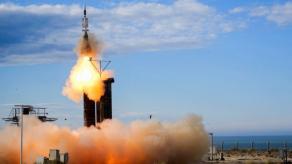



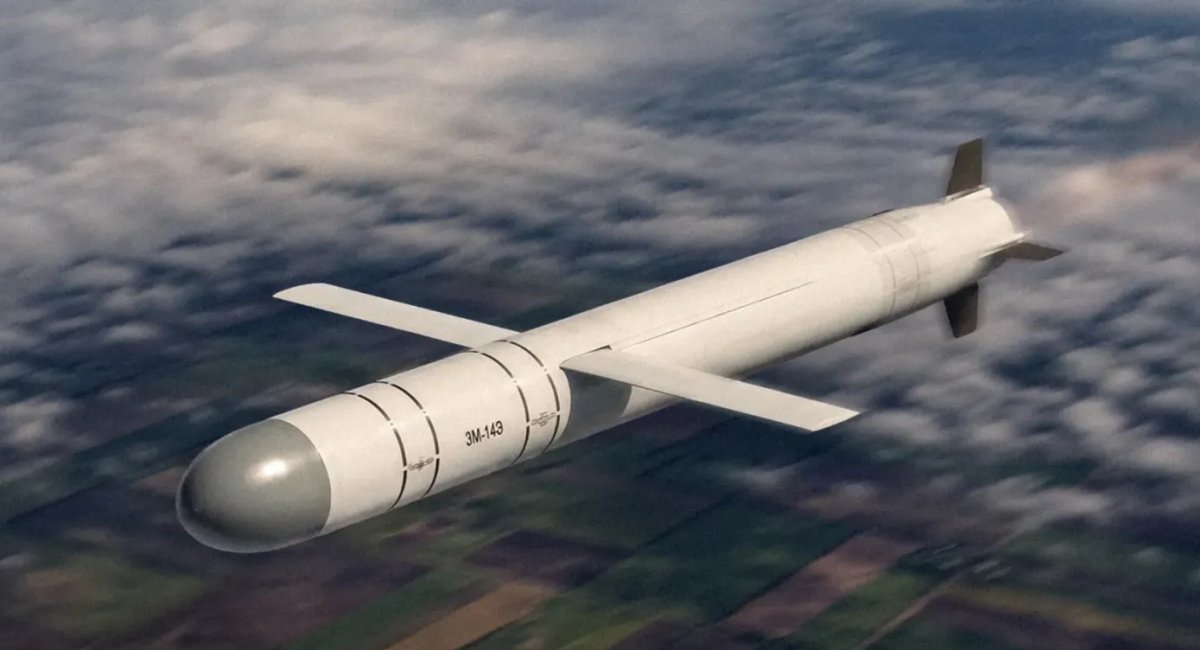
russian Kalibr cruise missiles intercepted by Ukrainian air defenses have revealed two notable developments: the introduction of cluster warheads and the continued reliance on foreign-made electronic components. The findings come from a detailed technical examination conducted by Ukraine's Ministry of Defense.
Ukrainian specialists disassembled the recovered missiles down to their smallest components, studying everything from circuit boards and navigation systems to the warhead itself. Such investigations help Ukrainian authorities better understand russian missile capabilities and identify potential vulnerabilities that can be exploited by air defense and electronic warfare systems.
Read more: After Ukraine Hit Kalibr-Carrying Karakurt in Primorsk, russia Commissioned Another Corvette, but Diesel Problems Persist
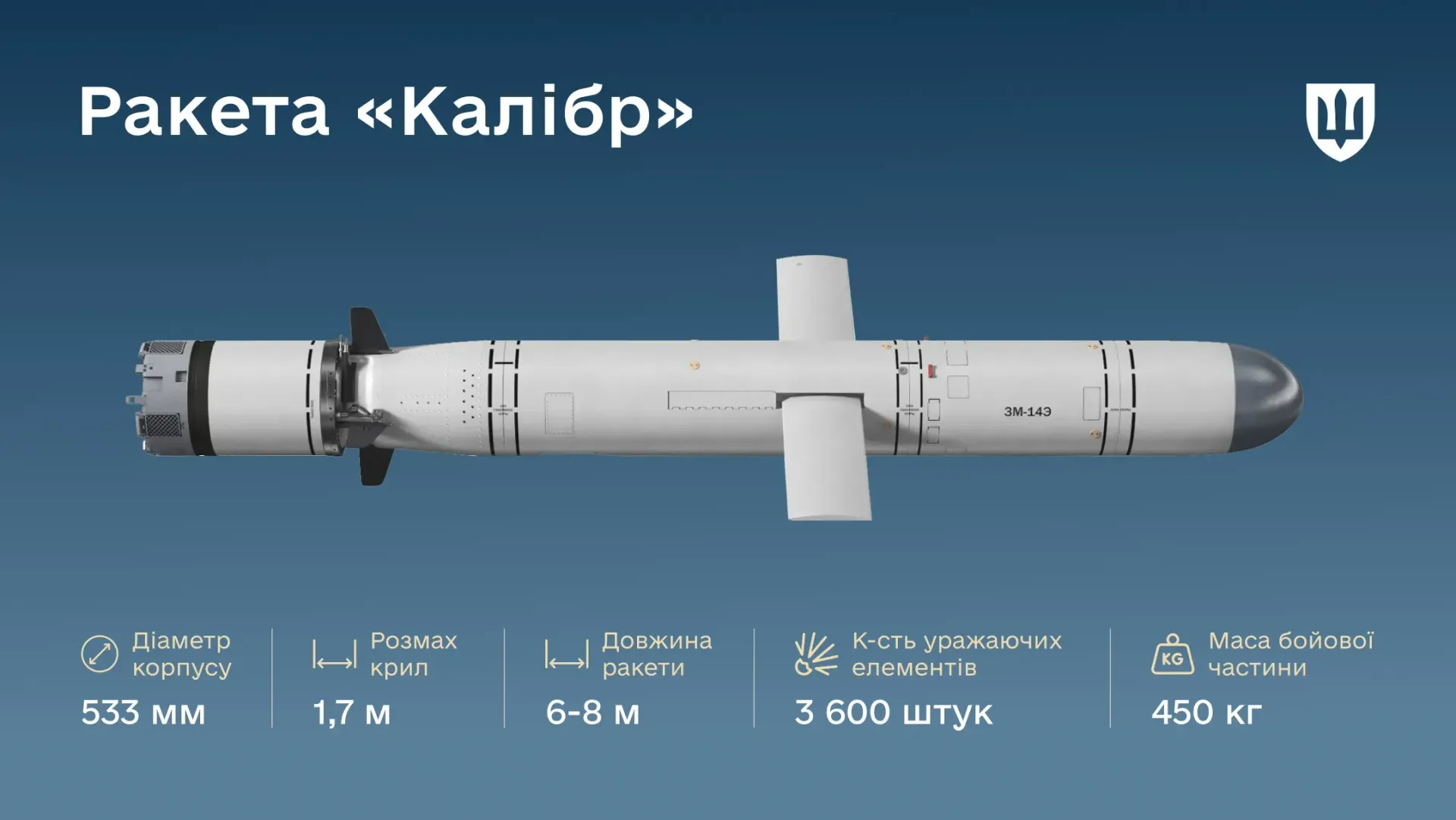
According to the Ministry of Defense, Kalibr missile has undergone two significant modifications since the start of the full-scale war. The first is the appearance of a cluster warhead, which was identified for the first time in intercepted missiles during the spring of 2026.
Previously, Kalibr missiles were typically equipped with high-explosive fragmentation warheads containing thousands of metal fragments. The newly discovered cluster payload resembles the warhead used on russian Kh-101 air-launched cruise missiles and is intended to increase effectiveness against dispersed targets.
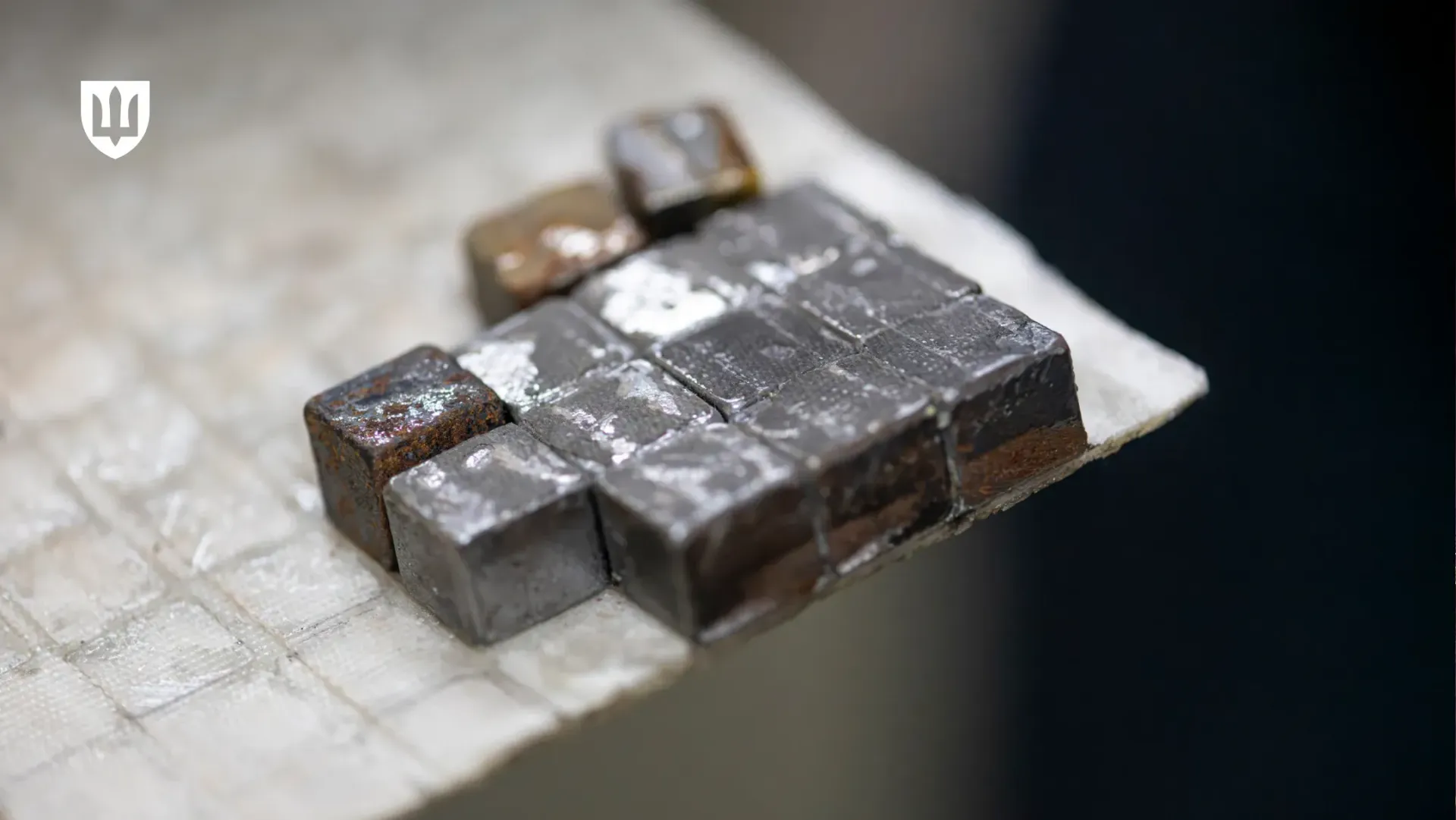
The modification is aimed at improving strike capabilities against aircraft parked at airfields, open military positions, storage facilities, and other area targets where submunitions can cause greater damage than a conventional blast-fragmentation warhead.
The second major finding concerns the missile's electronics. Despite repeated russian claims regarding import substitution, researchers found that more than 80-90 percent of the guidance system's electronic components were still sourced from foreign manufacturers. Earlier attempts to replace imported components with domestic alternatives reportedly appeared in missiles produced during 2023 and 2024, but missiles manufactured in 2025 once again contained large numbers of imported parts.
Researchers suggest that russian-made alternatives may have proven less effective, potentially affecting guidance accuracy and system performance. Investigators also highlighted the SN-99 navigation system, originally developed in the Ukrainian city of Smila during the 2000s. Although the system is now serially produced in russia, its design origins remain linked to Ukraine.
The study also confirmed that while Kalibr missile remains difficult to detect due to its low-altitude flight profile and terrain-following capabilities, its key limitation remains unchanged: it is a subsonic cruise missile. This characteristic continues to make the weapon vulnerable to modern air defense systems. Information gathered during the examination, including details on component suppliers, engineers, and managers involved in missile production, will also be used to strengthen international sanctions targeting russia's defense-industrial sector.
Read more: Ukraine's Defense Forces Hit russian Karakurt-Class Missile Ship Carrying Kalibr Missiles