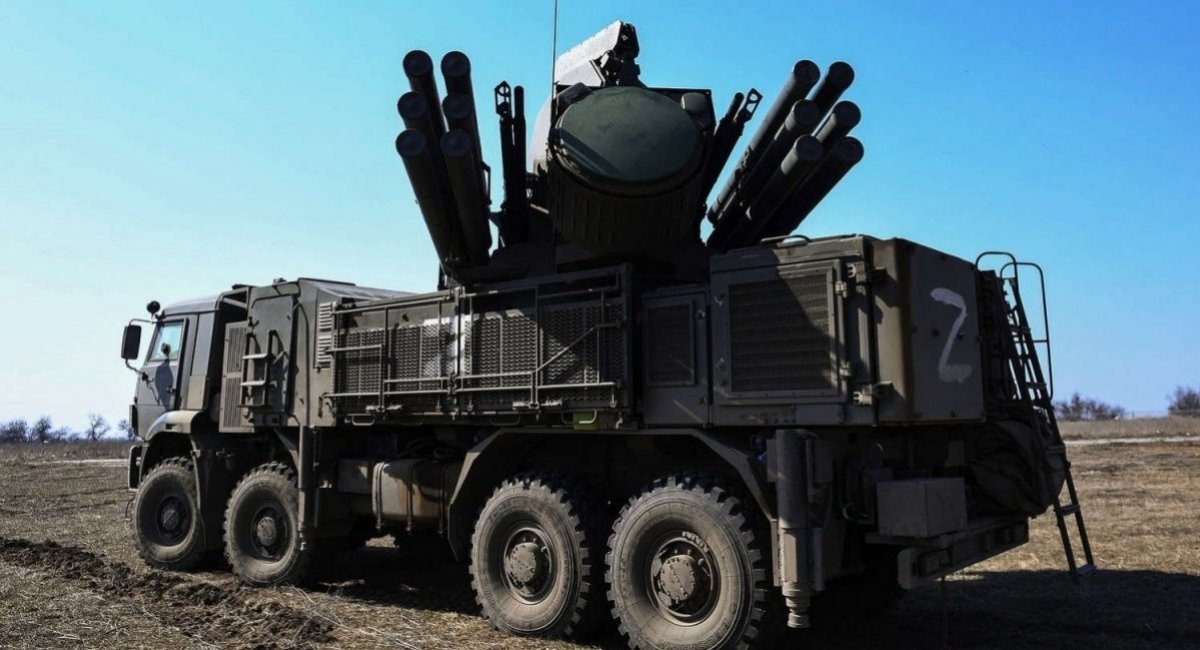
During the first six days of May 2026, operators from the 413th Raid Regiment of Ukraine's Unmanned Systems Forces detected and destroyed three russian air defense systems, including two Pantsir-S1 surface-to-air missile and anti-aircraft artillery systems, as well as one Tunguska surface-to-air gun and missile system.
According to official reports, these systems were struck "at a considerable distance from the front line". Ukrainian-made "mid-range" drones were used in the attack.
Against this backdrop, it is natural to ask what the exceptionally high rate of destruction of russian air defense systems by operators of the 413th Raid Regiment might indicate.
According to open-source data, the russian Armed Forces may have had approximately 80 Pantsir systems and up to 190 Tunguska systems by the end of 2025. This suggests that, in theory, Tunguska systems should appear on the battlefield at least twice as often as Pantsir systems.
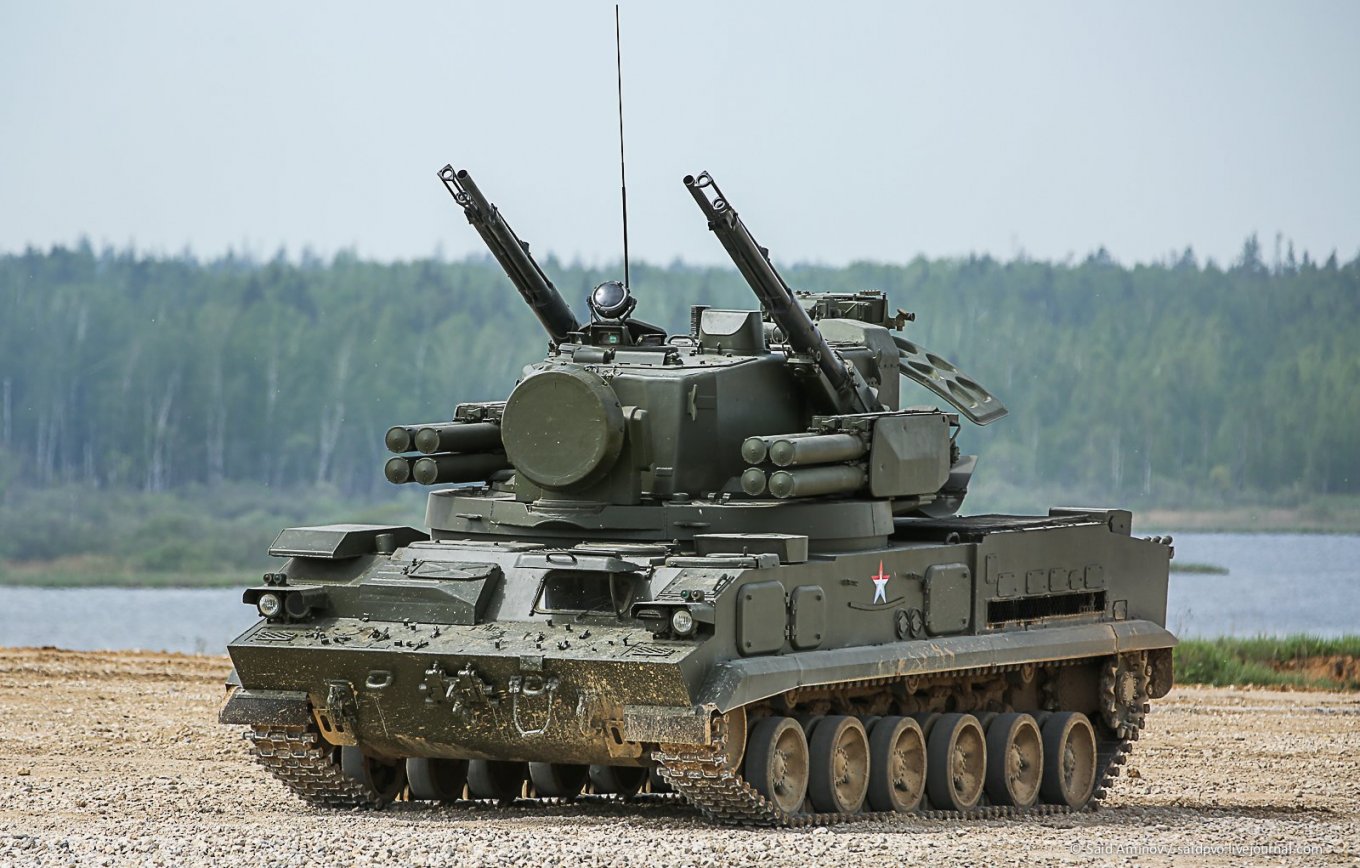
However, in this case, the ratio is two destroyed Pantsirs to one destroyed Tunguska. Two possibilities may explain this: 1) russia tends to rely more on Pantsir systems, using Tunguskas as a kind of supplement, and 2) for the Defense Forces of Ukraine, Pantsirs may represent a higher-priority target than Soviet-era systems.
More broadly, increased production of Ukrainian-made "mid-range" assets has not only intensified strikes on targets in the operational rear of russian forces, but has also enabled a more aggressive "hunt" for russian air defense systems.
At the same time, the destruction of russian air defense systems is taking place alongside strikes on other targets, such as temporary deployment sites of occupying forces.
Ivan Kyrychevskyi, serviceman of the 413th Raid Regiment of the Unmanned Systems Forces of Ukraine and weapons expert at Defense Express.