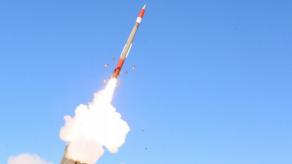



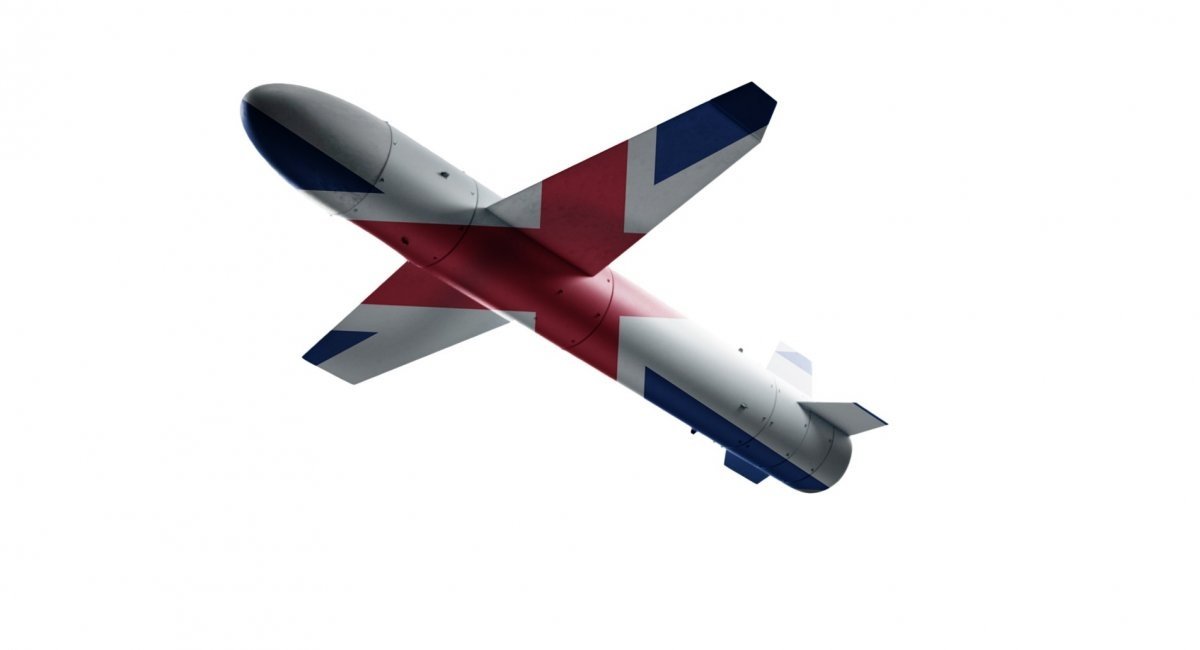
The United Kingdom conducted the first test launch of a new cruise missile developed under Project Brakestop.
Major General, head of Defence Equipment & Support (DE&S, a department of the UK Ministry of Defense) Anna-Lee Reilly announced the first flight test, which took place on December 15, during a meeting of the Parliament's Defense Committee. The type of missile and its manufacturer were not disclosed. It is known that 27 companies participated in the project.
Read more: Norway's $313M Air Defense Package F-16 Missiles and S-300 Ammo
"The idea is that you buy, you try and you scale. We have the ability to trial in the UK and then take it out to Ukraine. That has been within 12 months, with 27 companies," UK Defence Journal quotes Anna-Lee Reilly.
From Defense Express we would like to note that Project Brakestop was launched in September 2024 as a highly ambitious initiative. It aimed to rapidly develop a cruise missile capable of delivering a 200–300 kg warhead over 600 km at a speed of at least 600 km/h, maintaining a deviation of about 30 meters without relying on satellite navigation or being affected by electronic warfare measures.
The cost of this missile was not expected to exceed £400,000 ($537,000). In addition, the missile had to be mass-produced, with the capacity to reach a production rate of 240 units per year immediately after the start of serial production.
All of this is happening within a very tight timeframe. According to the original plan, prototype testing was scheduled for the second quarter of 2025. This means that the project is currently 1.5 years behind schedule. It was previously planned that production would start by September 2025, but a week ago it was announced that this date has been postponed to 2026.
Ultimately, Brakestop remains a highly ambitious project, even in the presence of various so-called jet-powered missile-drones with relatively small warheads. This is why Brakestop outperforms MBDA's One-Way Effector.
However, this does not apply to Crossbow from the same company, as it already has a warhead weighing 300 kg and a range of 800 km. At the same time, Crossbow deliveries were planned for the second quarter of 2026.
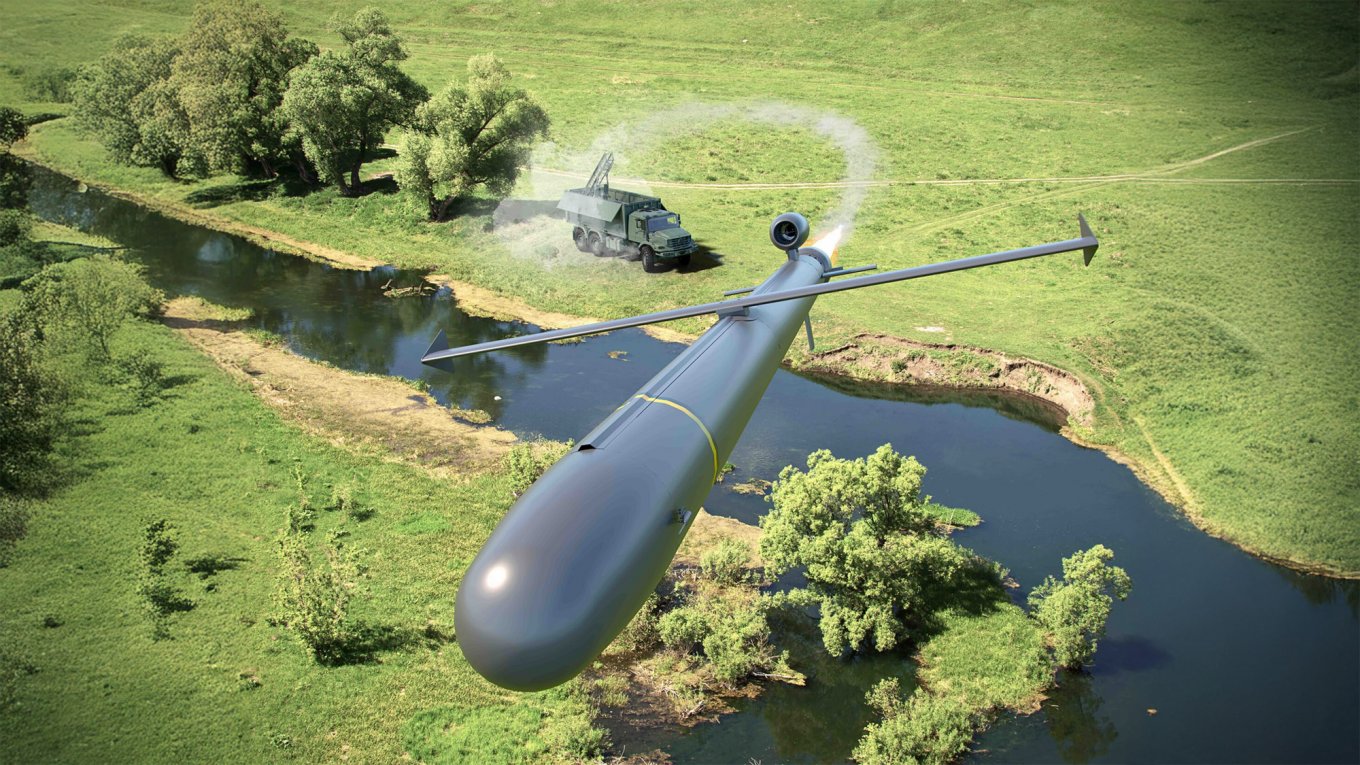
MGI Engineering, which is developing the TigerShark cruise missile, might also have participated in the competition. The company announced that it would test the TigerShark in November this year.
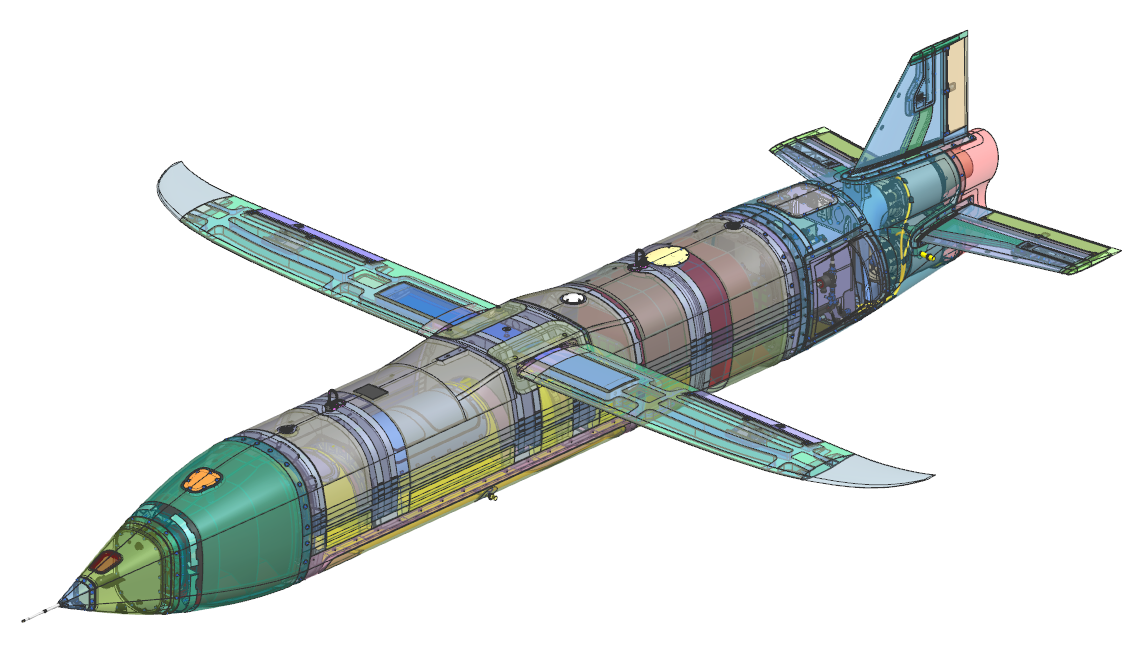
At the same time, there were significantly more actual participants in the project with promising models. Moreover, the participation of Ukrainian companies that are actively establishing production facilities in the UK should not be ruled out. For example, Ukrainian companies such as Ukrspecsystems, maker of Shark drones, and Skyeton Prevail Solutions (SPS), which has already showcased the capabilities of Raybird UAVs over the UK, have already participated.
Read more: SAMP/T NG ADS Successfully Fire New Missiles Capable to Intercept russian Iskander and Kinzhal Missiles