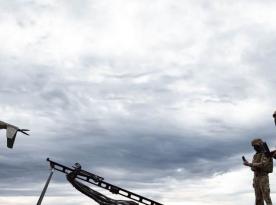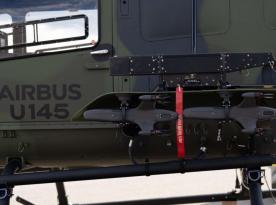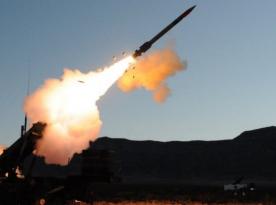


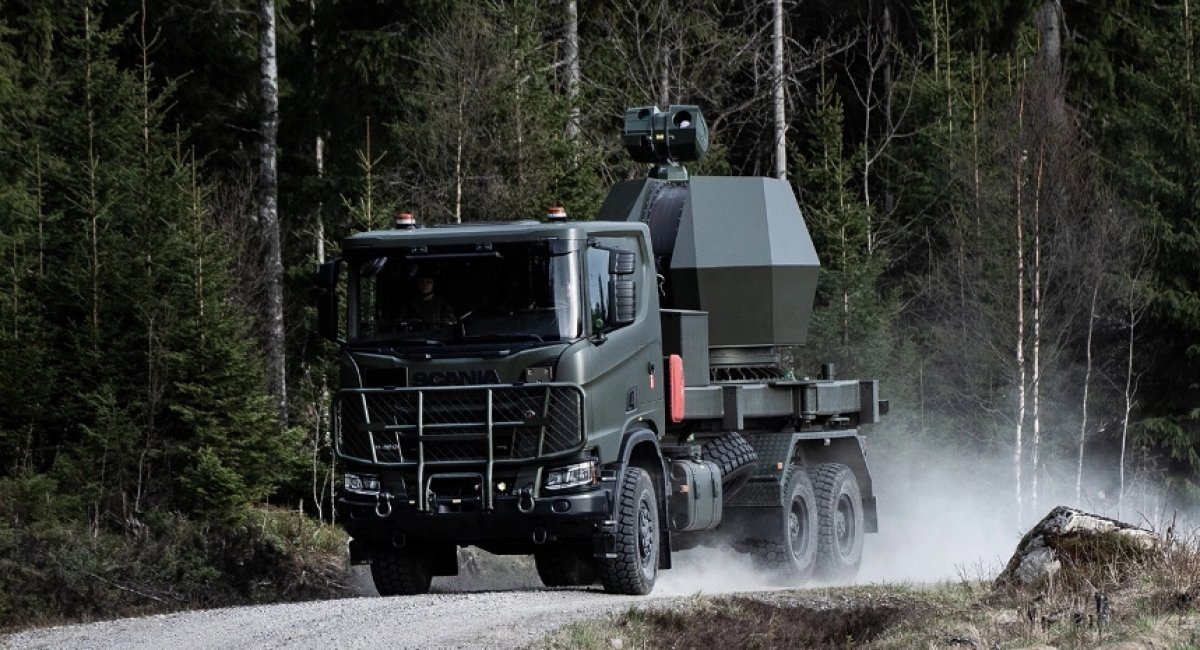
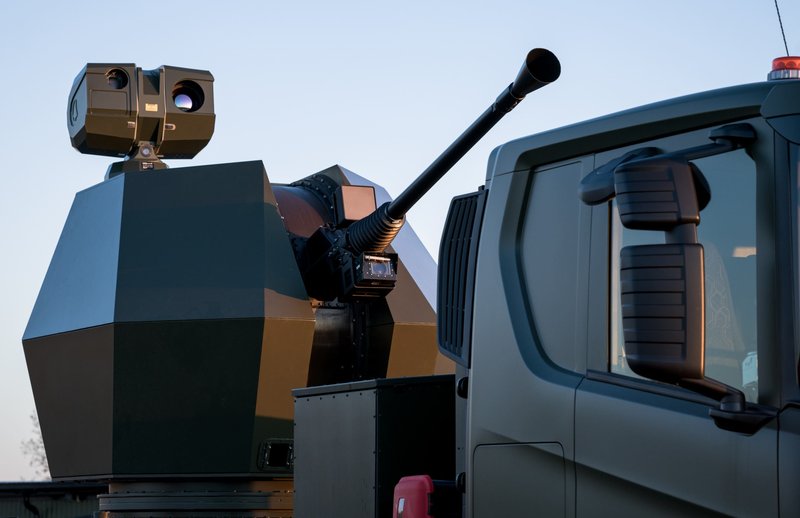
According to the Swedish government portal, SEK 4.3 billion (approximately $473 million) will be allocated for the procurement of modern short-range air defense systems. While many reports suggest the package centers solely on the Tridon Mk2 anti-aircraft system, the details indicate a broader concept.
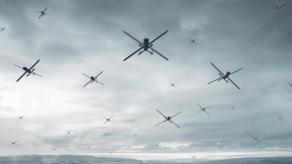
The official statement does not specifically name the system. Instead, it describes a modular architecture incorporating gun-based and missile-based air defense components, interceptor drones, electronic warfare assets, active and passive sensors, as well as command-and-control systems. The solution is designed to protect large areas and strategic facilities from aerial threats.
Read more: Sweden Prepares One of Its Largest Military Aid Packages for Ukraine: Air Defense, EW, Drones, and More
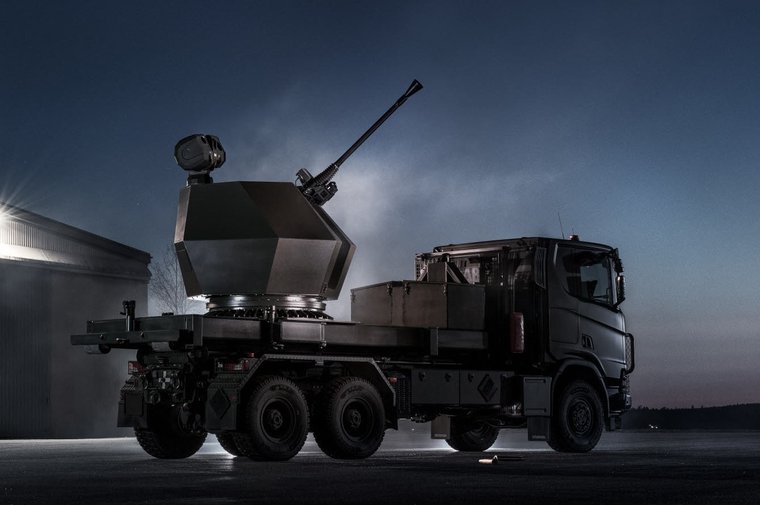
In early February 2026, when additional funding for the Tridon Mk2 was announced with support from Sweden and Denmark, references were made to a configuration adapted specifically for Ukraine. It is possible that the newly allocated funding relates precisely to this customized setup.
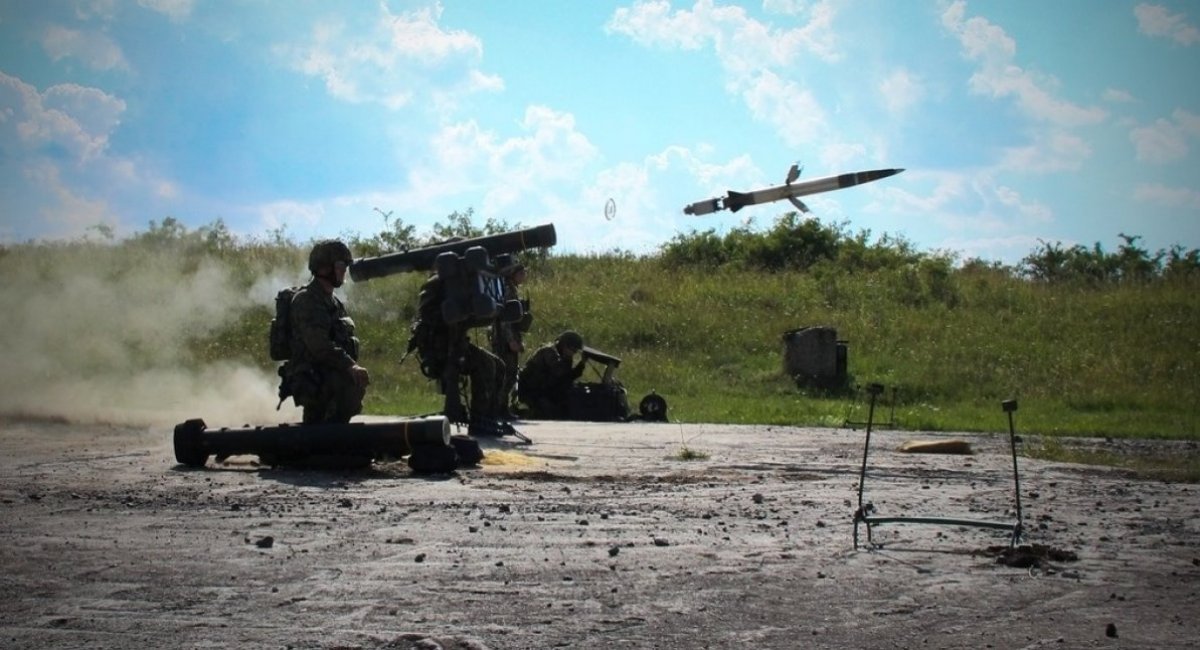
It is also plausible that deliveries are part of a broader layered air defense architecture, incorporating the components mentioned above, where missile systems such as the RBS 70 could serve as the surface-to-air element. Overall, this represents a significant reinforcement of Ukraine’s air defense capabilities.
Another SEK 3 billion (around $330 million) will be directed toward ammunition, including long-range artillery shells, 40 mm rounds for anti-aircraft guns, and 120 mm mortar bombs. Part of this assistance — along with grenade launchers and related equipment — will be transferred directly from Swedish military stockpiles. Sweden will also continue training Ukrainian personnel and financing these programs.
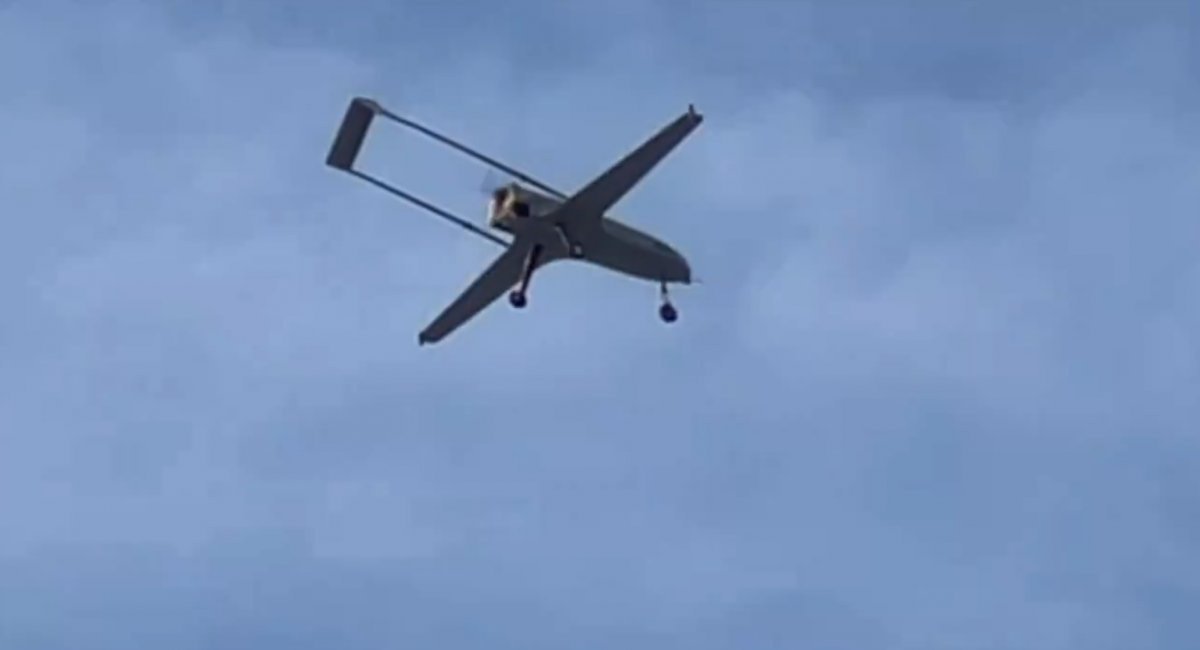
The remaining SEK 5.6 billion (approximately $615 million) will support various defense initiatives. Among them is the development of Ukraine's long-range strike capabilities, including so-called deep strike UAVs such as the An-196 Lyutyi and FP-1.
It is worth noting that Sweden has previously invested in this direction. In May 2025, Stockholm allocated €441 million under another military aid package, partially aimed at strengthening Ukraine's long-range strike potential. The new package suggests that funding in this area is increasing.
The announcement also mentions financing two projects related to unmanned systems in the maritime domain — most likely naval drones. In addition, Sweden will continue supporting innovative Ukrainian defense projects that are already widely used by the military but require additional funding to complete development.
The package further includes $100 million earmarked for the procurement of U.S. weapons through the PURL mechanism. However, a similar pledge was announced six days earlier, making it unclear whether these funds are newly allocated or previously committed. Another SEK 50 million (about $5.5 million) will go to the Telecommunications Capability Coalition, and SEK 20 million (around $2.2 million) to the Maritime Capability Coalition.
Overall, the package represents a substantial reinforcement of Ukraine’s defense capabilities, with particular emphasis on air defense and long-range strike assets — both of which remain critically important for strengthening Ukraine's Defense Forces.
Read more: Sweden's 2027 Fighter Demonstrator Flight Starts Path To 2030s Decision: Solo Or Join?