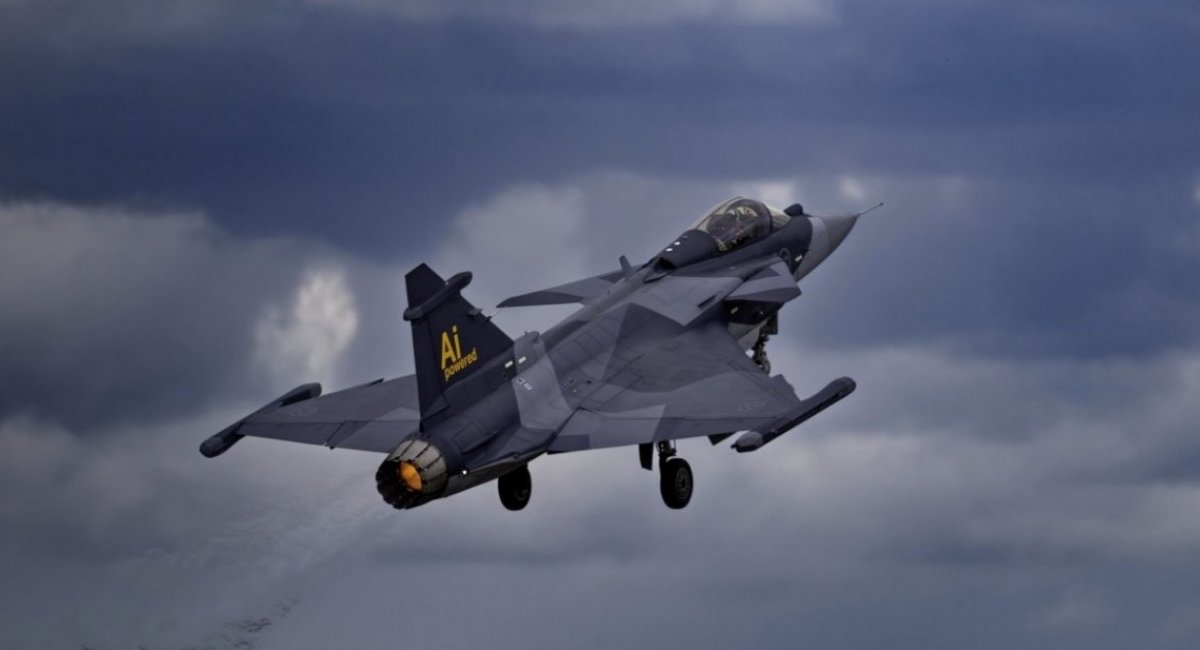
Swedish defense company Saab, as planned, should conduct the first flight of an unmanned fighter demonstrator next year, beginning air testing to determine which technologies will serve as the foundation for a future combat aircraft program for the Swedish Air Force.
Aviation Week reports this. According to Saab's Advanced Programs Division employee Per Nilsson, they currently have about 150 projects, and company specialists are now considering which of the developed technologies to test on the first fighter demonstration sample.
Read more: Could Algeria Back Away From russian Weapons, Including Su-57, Under Pressure of U.S. Sanctions?
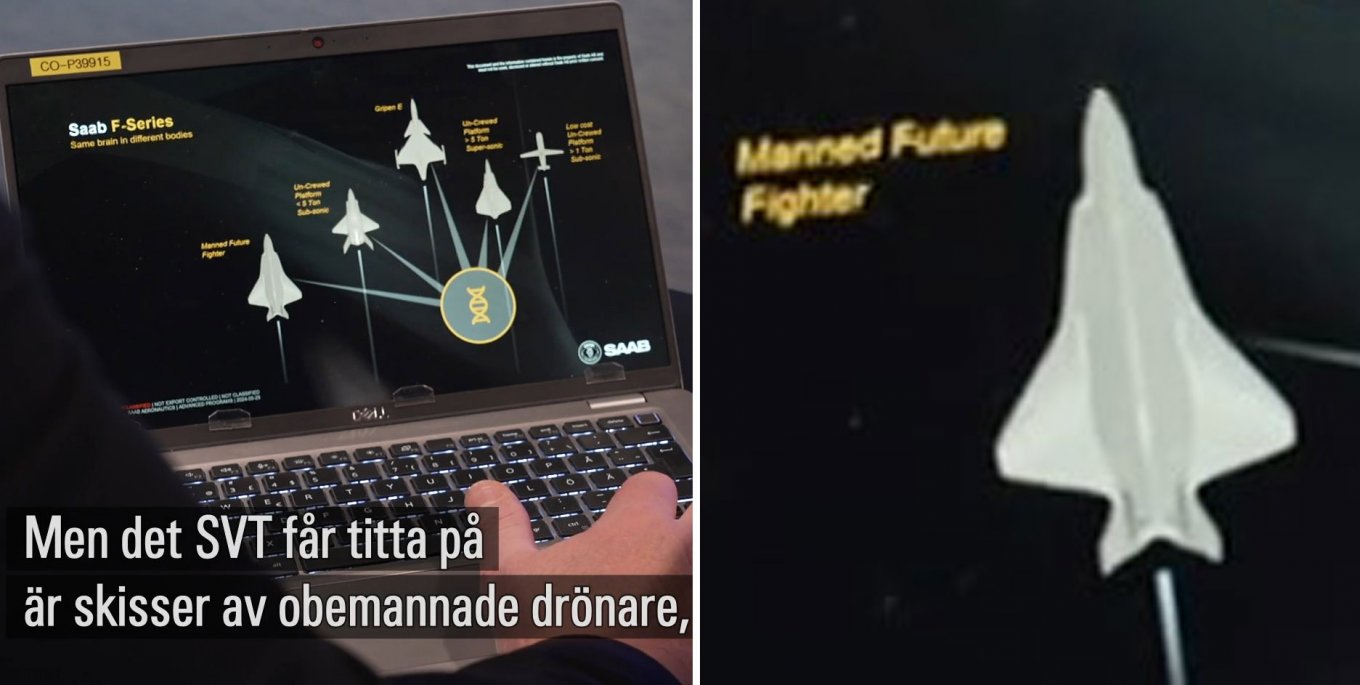
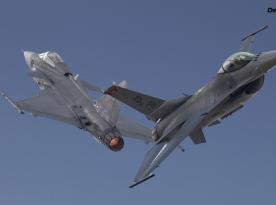
And this event will be quite important for Swedish aircraft manufacturing and the country's air force development in this, because demonstrator creation and testing is part of a large-scale aviation program, the result of which may be appearance of replacement for Gripen fighters available in Swedish Air Force service (or will fly together with Gripen, which they plan to keep in service until 2060).
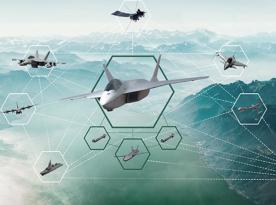
This program received the name F-series, started in 2024, and should last until 2029, a year earlier when Sweden must decide on its aviation future. And this is already quite a classic scheme with a fighter as the main component and drones of various classes, including "loyal wingman" types like the American CCA, which can carry AIM-120 AMRAAM air-to-air missiles.
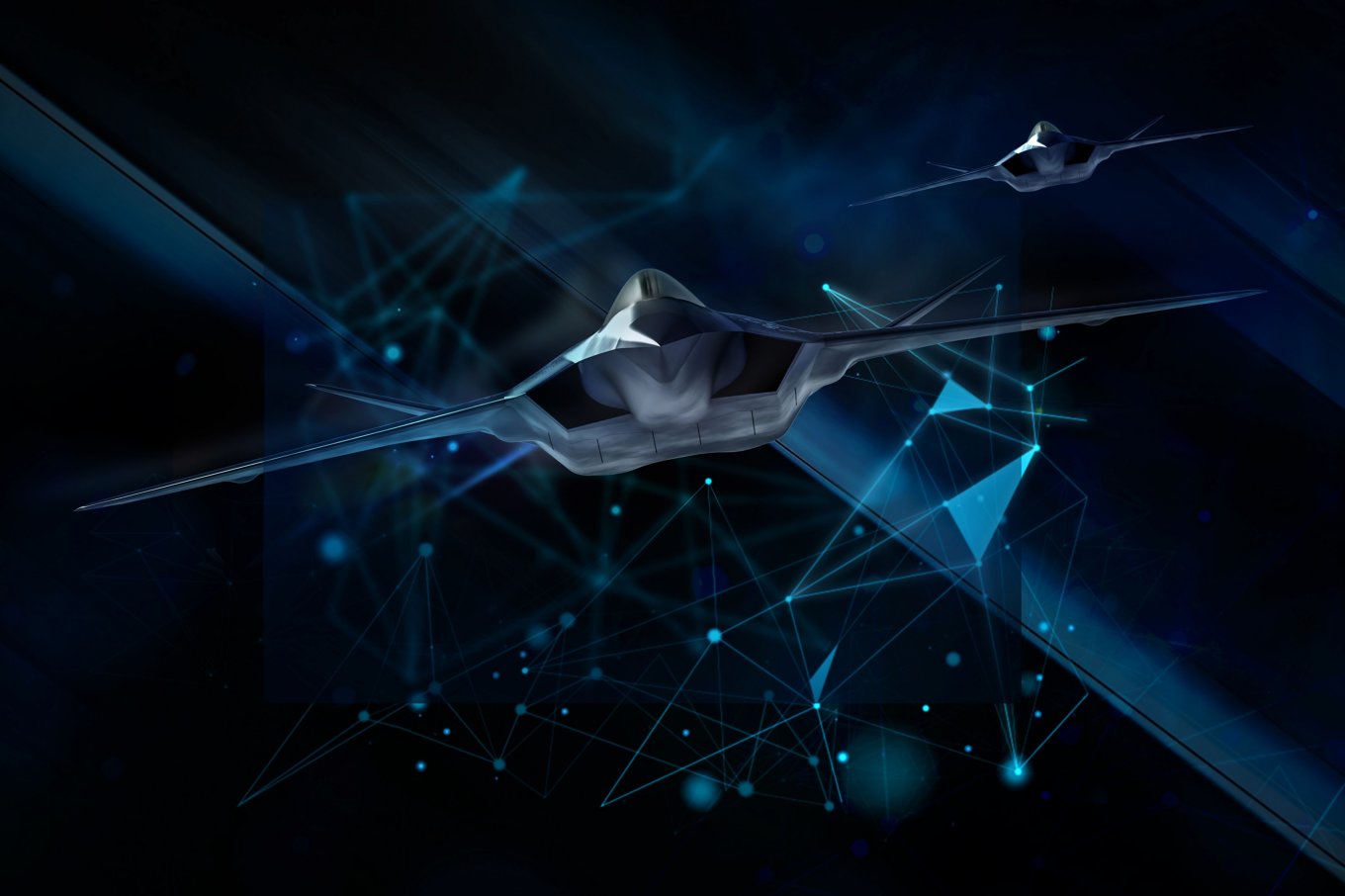
At the same time, Saab received a contract for conceptual studies of the next-generation fighter in 2025. However, at least during the first flights, one of the most important technologies for sixth-generation aircraft won't be tested on the demonstrator namely, stealth technology. It's stated that its concept will be demonstrated next year.
As of today, Sweden has three development options for its future combat aviation the simplest and least likely is to buy ready aircraft. Probably the most difficult is to make a fighter independently, which they're currently working on.
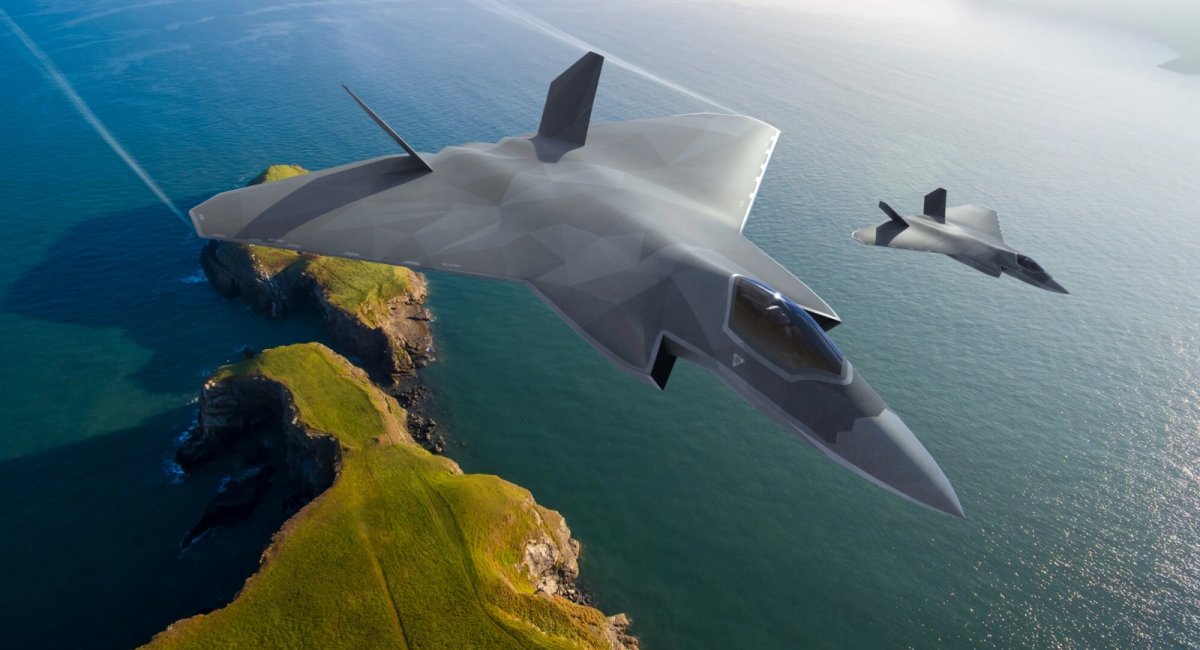
Finally, the third option is to join existing sixth-generation fighter development projects within international projects, or, as an alternative, create one's own with the involvement of foreign partners.
However, as practice shows, such multinational projects today face significant difficulties and fall apart and a bright example of course is pan-European FCAS, in which at the end of last year Germany and France finally quarreled. Although Airbus believes the project should be saved by dividing it into two fighters, probably one, lighter, for Spaniards and French, and another, for Germans.
Recall that the basis for conflict was the issue of work distribution among the project's main contractors, so joining a company like Saab to this will only cause a new wave of disputes.
There's also the Tempest fighter project, joint development of Great Britain, Japan, and Italy, where the latter recently voiced an astronomical spending amount on its development of almost 19 billion euros, and this is only their share. And although this program doesn't have the kind of public scandals that FCAS did, Italians recently called the British mad because they don't want to share technologies.
Read more: russia Is Losing One of Its Key Arms Buyers in Asia: Tectonic Shift in Global Arms Market