


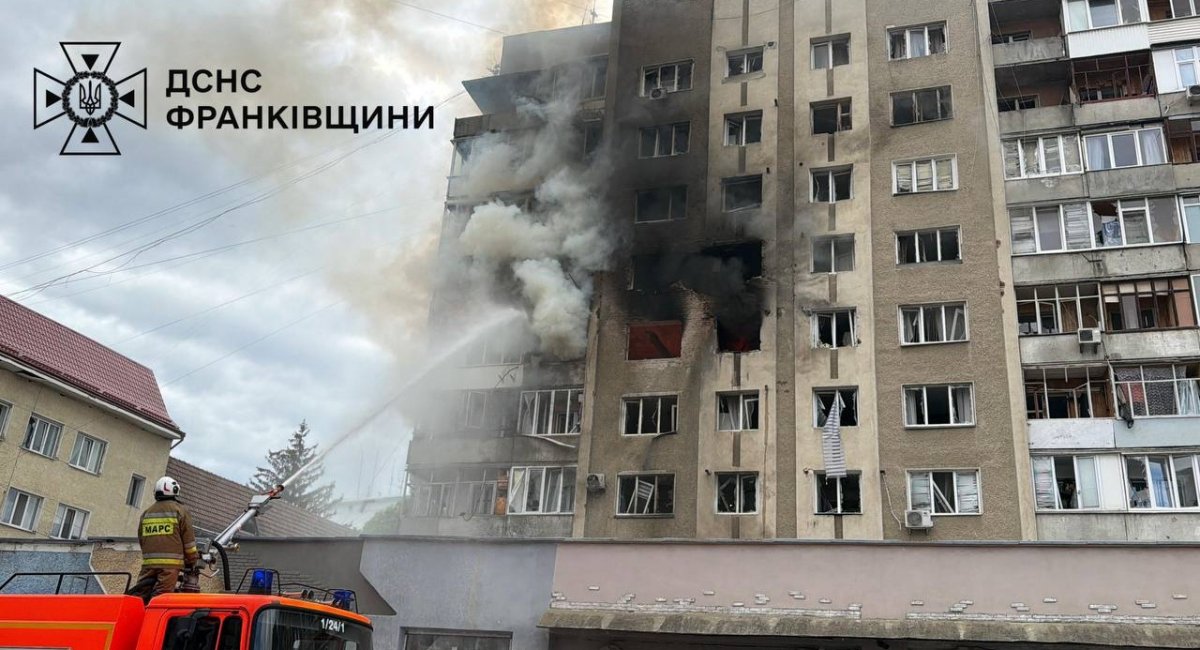
russia launched one of its largest drone attacks against Ukraine on May 13, sending a combined total of 892 unmanned aerial vehicles toward Ukrainian territory over the course of the night and daytime waves. According to the Ukrainian Air Force, 753 strike drones were launched between 08:00 and 18:30 alone, in addition to 139 UAVs used during the previous night attack.
The assault involved multiple types of drones, including Shahed loitering munitions, among them jet-powered variants, as well as Gerbera, Italmas, and Parodiya decoy drones. The use of both strike UAVs and imitation targets once again demonstrated russia's strategy of overwhelming Ukrainian air defenses through sheer numbers and mixed aerial threats.
Read more: Ukrainian FP-1/2 Drones Now Hunt russian Mobile Fire Groups With Unguided Rockets
The primary direction of the attack was aimed at the country's western regions. Such targeting is notable because western Ukraine serves as a key logistical hub for military aid deliveries, repair facilities, and critical infrastructure supporting the country's war effort.
One of the most significant aspects of the attack was the repeated use of Belarusian and Moldovan airspace for drone flight paths toward Ukraine. This tactic complicates interception efforts and forces Ukrainian defenders to monitor a broader operational area while also raising regional security concerns.
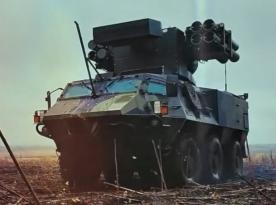
Ukraine's response involved nearly every component of the country's layered air defense network. Fighter aviation, anti-aircraft missile units, electronic warfare teams, unmanned systems forces, and mobile fire groups all participated in repelling the massive aerial assault.
According to preliminary data released by the Ukrainian Air Force, air defenses successfully destroyed or suppressed 710 enemy drones across almost all regions of the country by 18:30. The high interception rate underlined the growing effectiveness of Ukraine's integrated drone-defense tactics despite the unprecedented scale of the attack.
At the same time, the Air Force confirmed that 27 strike drones managed to hit their targets, while debris from intercepted UAVs fell across 26 separate locations. The exact consequences of the strikes were not immediately disclosed, but the scale of the operation suggests that civilian infrastructure and industrial facilities may have been among the intended targets.
Read more: Almost No One Makes Anti-Ballistic Missiles — for Ukraine, Realistic Options Come Down to One