


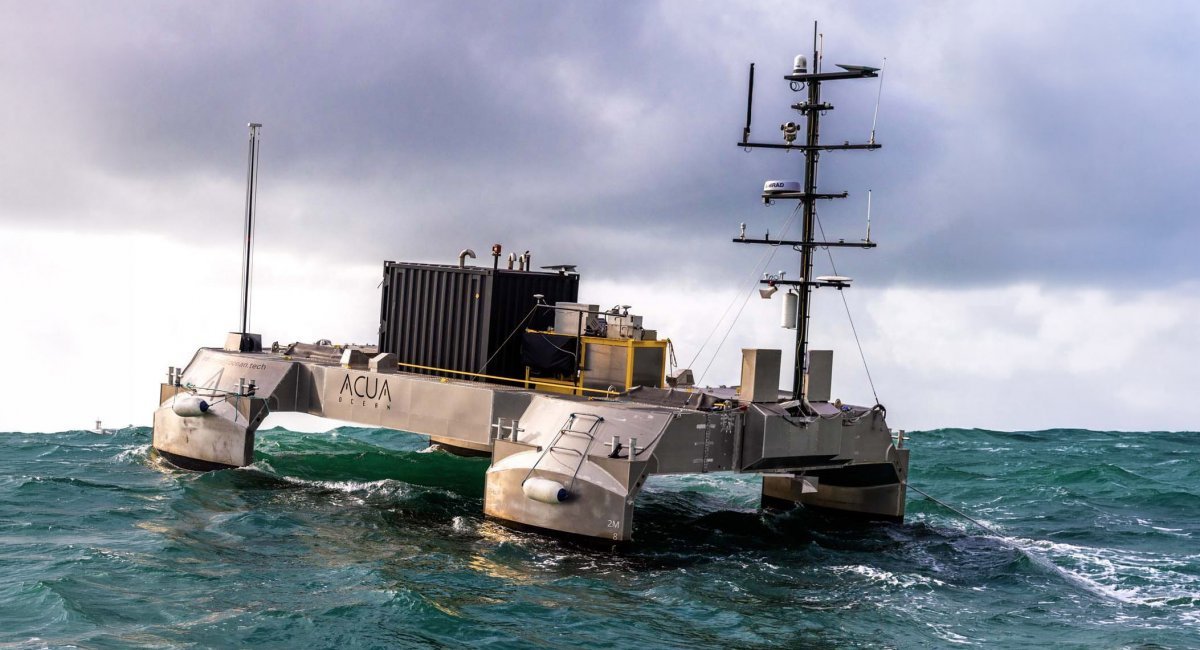
As part of the Royal Navy's Atlantic Bastion program, the United Kingdom conducted demonstrations of low-cost and readily available solutions for submarine detection that could be integrated into naval drones.
All equipment tested by the British military had to be commercially available and ready for immediate deployment. At this stage, only small and medium-sized enterprises were involved, as they are better suited for rapid development with limited budgets.
Read more: russians Claim Someone Tried to Steal Components for Varshavyanka-Class Submarines — Who Might Need Them?
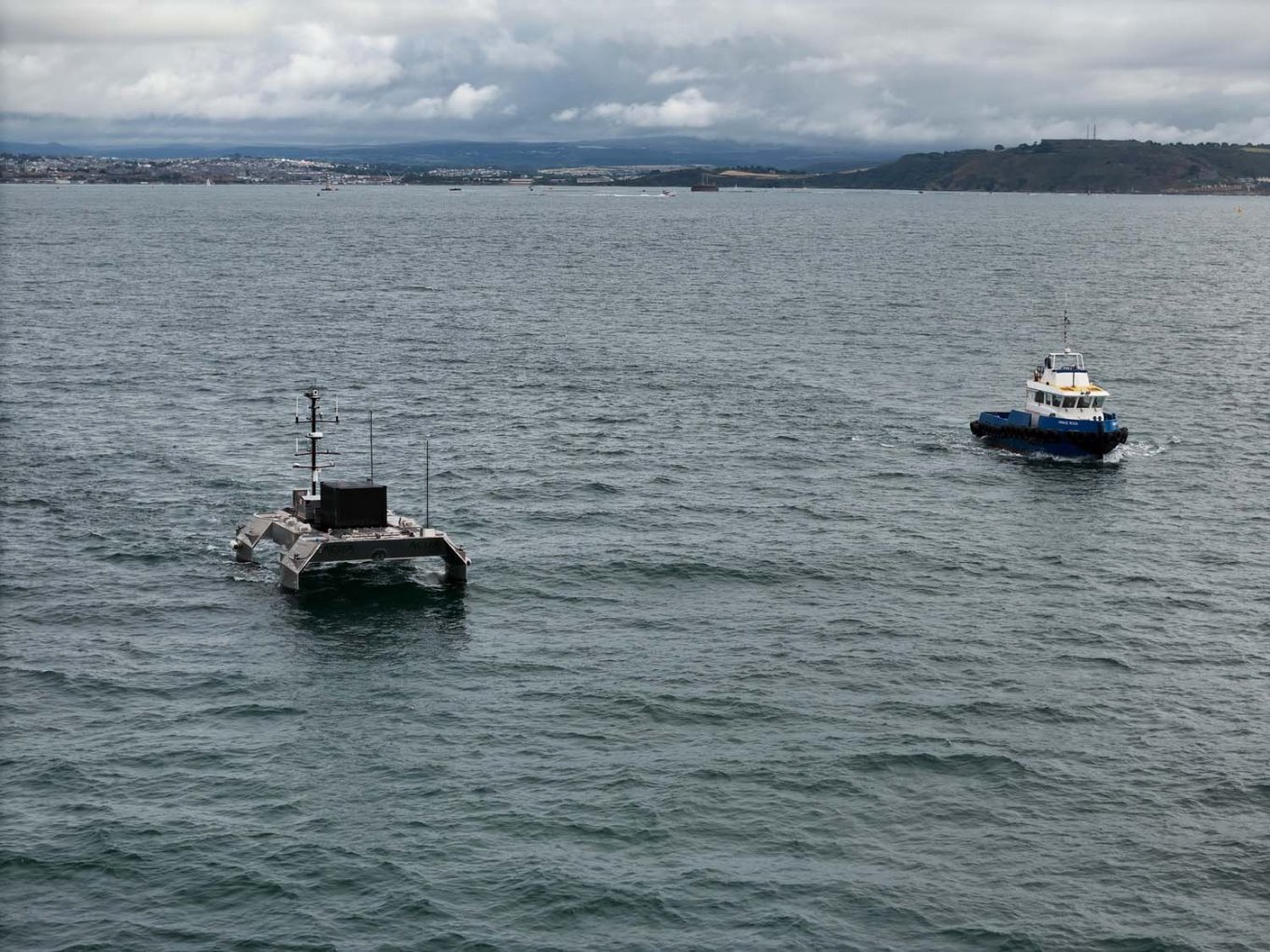
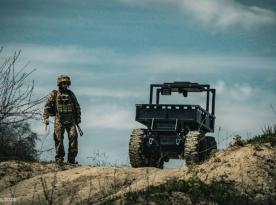
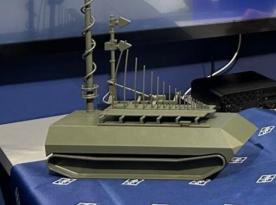
Among the technologies evaluated were seabed acoustic detection systems, towed sonar arrays, sonobuoys, surface naval drones, gliders, floating sensors, underwater unmanned platforms, as well as command-and-control systems using artificial intelligence algorithms.
According to the Royal Navy, the four-month trials produced highly positive results, both in terms of the operational knowledge gained and the readiness of advanced anti-submarine warfare solutions for rapid implementation.
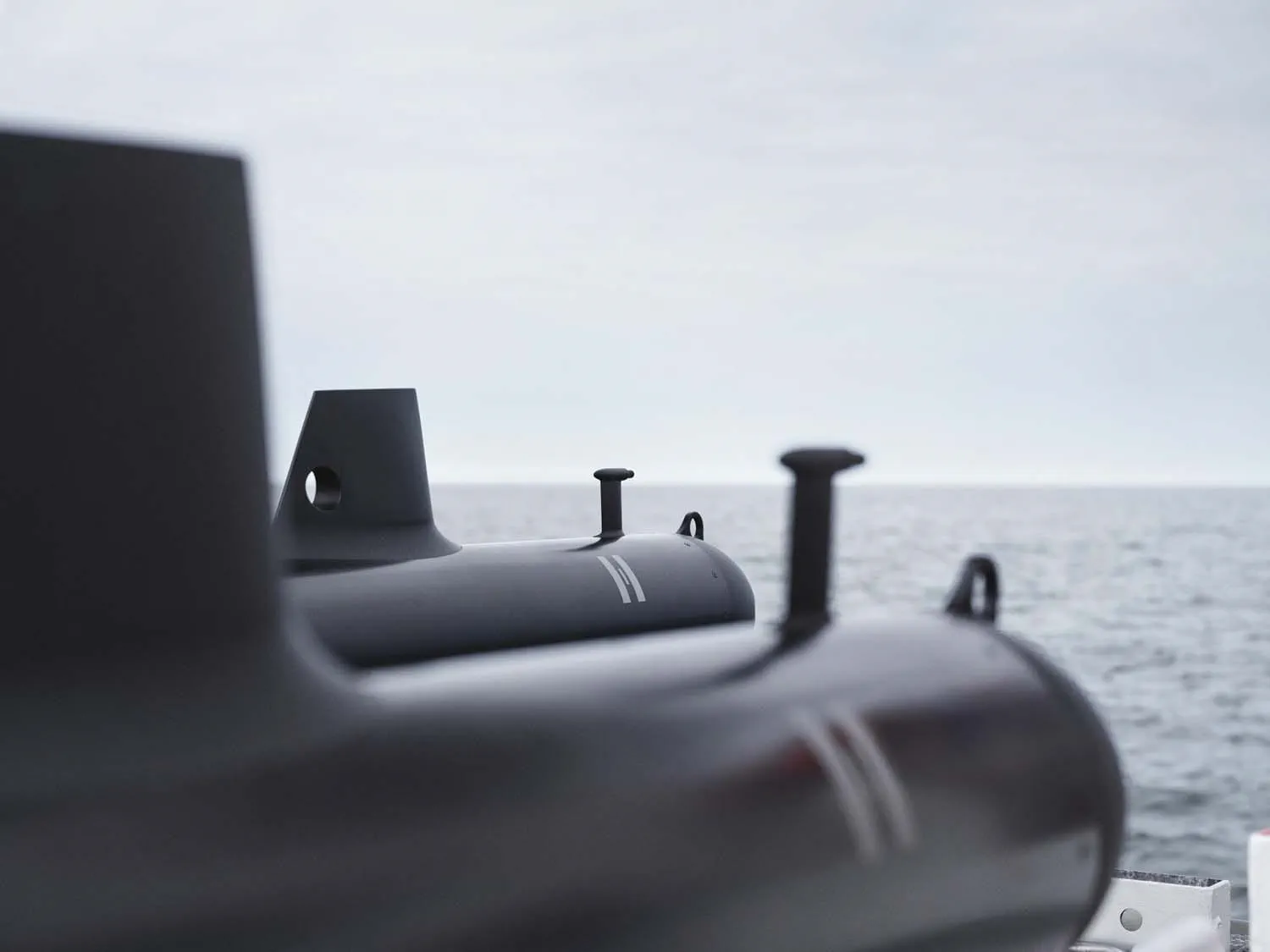
From Defense Express' perspective, similar ready-made solutions are urgently needed for Ukraine's Defense Forces to equip their own naval drones with submarine detection and strike capabilities. At present, the Ukrainian Navy has very limited ability to independently track russian submarines or engage them, except when those submarines are surfaced in port.
It is worth recalling that Ukraine has already completed half of the task of neutralizing russian submarines capable of launching Kalibr cruise missiles. The B-237 Rostov-on-Don, located in temporarily occupied Sevastopol, was destroyed by cruise missile strikes. Another Project 636.3 Varshavyanka-class submarine in Novorossiysk was critically damaged by the Sub Sea Baby underwater drone.
At the same time, naval drones capable of detecting and attacking underwater targets would be a highly valuable tool for dealing with the two remaining russian submarines. Even the existence of such capabilities could reduce the enemy's willingness to actively deploy its submarines.
It should also be noted that although the Royal Navy's research focused only on detection, integrating a modern lightweight torpedo onto a naval drone would likely not be an especially difficult task. For example, Sweden's Torped 47 weighs 340 kg, is 2.85 meters long, and has a diameter of 400 mm, while being capable of engaging submarines at depths of up to 300 meters.
Meanwhile, the Franco-Italian MU90 Impact weighs 304 kg with similar dimensions but can strike underwater targets at depths of up to 1,000 meters.
Read more: Varshavyanka-Class Submarine Hit in Novorossiysk Has Been Identified: The Best of Three Possible Outcomes