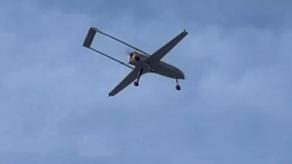



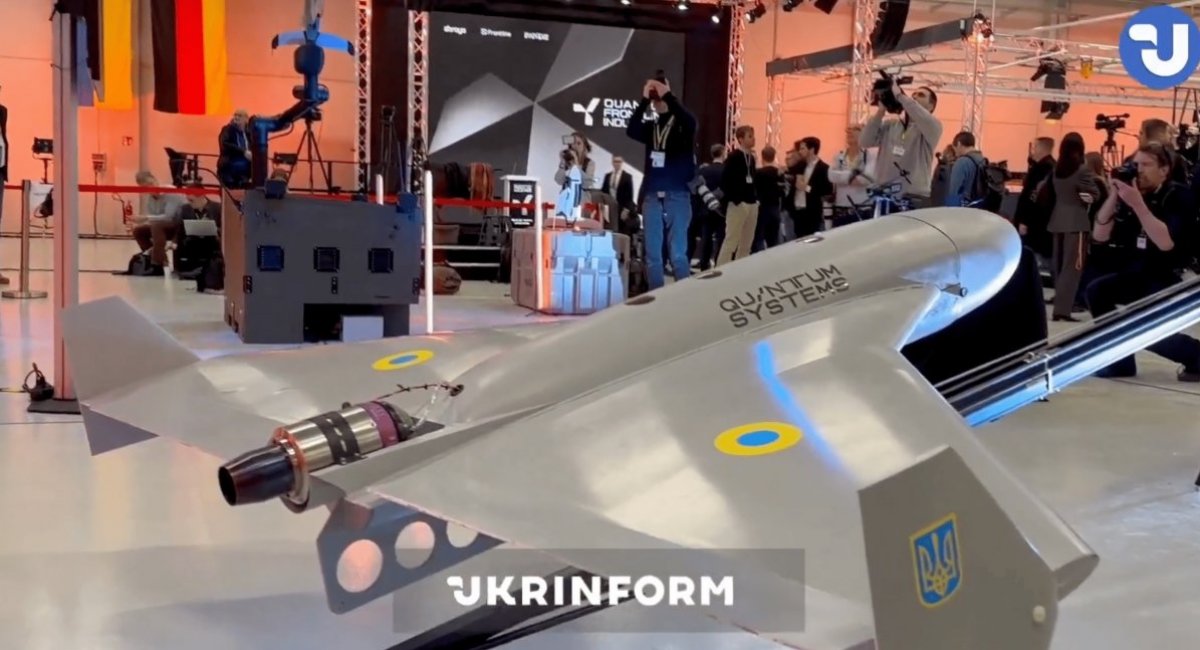
German drone manufacturer Quantum Systems used the stage of the Munich Security Conference, held from February 16-18, to publicly unveil its new RAT (Red Air Target) drone for the first time. Developed in cooperation with Airbus Defence and Space, the jet-powered target drone was reportedly designed and flown in just six weeks from initial concept to maiden flight, an unusually compressed development timeline in the aerospace sector.
According to company leadership, the rapid rollout underscores a new model of agile defense innovation shaped in part by wartime urgency and close collaboration with Ukraine. Quantum Systems has been deeply involved in supplying reconnaissance drones to Kyiv, and its expanding portfolio reflects lessons learned from high-intensity conflict where speed of adaptation is critical.
Read more: U.S. Reveals When Extremely Expensive LGM-35A Sentinel Will Reach Initial Operational Capability
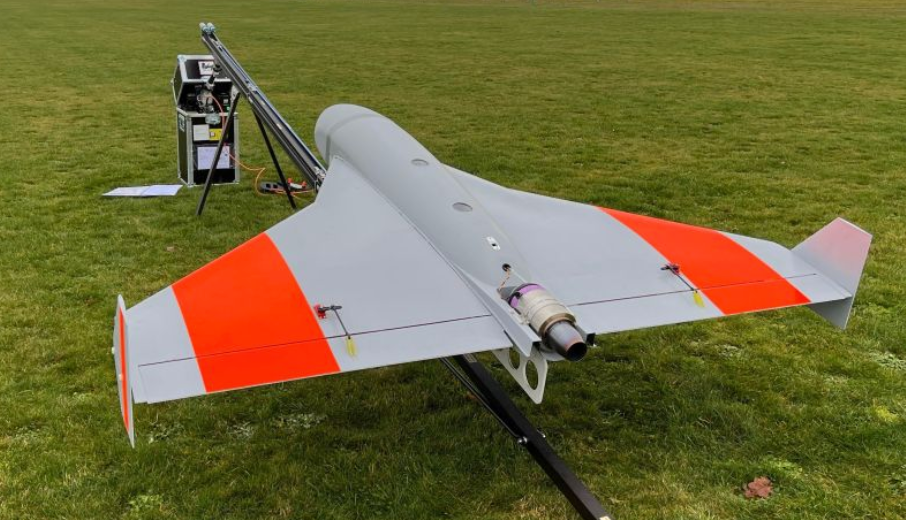
RAT drone is designed primarily as a target drone, launched via catapult and powered by a jet engine capable of reaching speeds of up to 450 km/h. While detailed specifications remain undisclosed, the company emphasizes low production cost and scalability, with orders expected to open by late second quarter of this year. Affordability and mass production capacity are increasingly important as European armed forces expand training and air defense testing programs.
One notable aspect is Airbus' intention to use RAT system not only as a target but also for cost-effective software testing and integration work related to Collaborative Combat Aircraft (CCA), often referred to as "loyal wingman" drones. This is particularly interesting given that Airbus already fields its own target drones. Industry observers suggest the explanation may lie in RAT drone's proprietary MOSAIC control system and modular software architecture, which could make it a flexible testing platform for advanced autonomy and mission systems.
Beyond its training role, there are indications that RAT platform may have evolved into an armed configuration tailored to Ukrainian requirements. A visually similar drone, displayed in the Ukrainian Air Force livery during the presentation of the joint German-Ukrainian venture Quantum Frontline Industries, appeared to feature a warhead-equipped variant. If confirmed, this would suggest the platform has been adapted into a medium-range strike drone.
Such a transformation would not be unprecedented. The conversion of target drones into operational strike systems has historical precedent. Taiwan, for example, reportedly adapted MQM-178 Firejet drone into a cruise missile-like capability, while Ukraine itself has repurposed Soviet-era Tu-143 Reis drones into improvised long-range strike weapons earlier in the war.
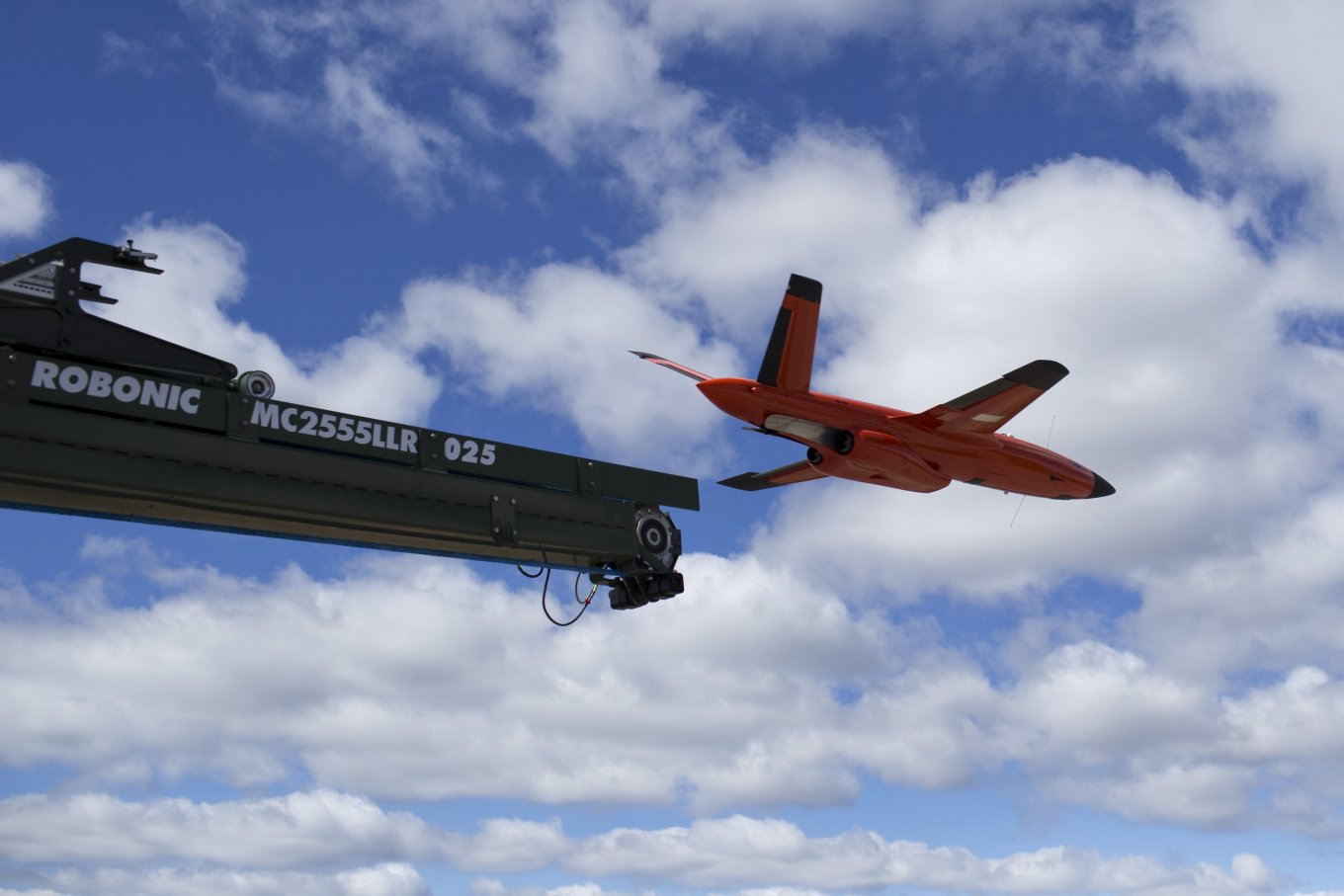
For Ukraine, a jet-powered drone capable of 450 km/h could fill a niche between slower propeller-driven UAVs and more complex cruise missiles, offering higher speed and potentially greater survivability at a lower cost. Whether the Armed Forces of Ukraine have already fielded such a strike-modified RAT drone remains unclear, but the possibility aligns with Kyiv's broader push to diversify its unmanned strike arsenal.
Overall, the debut of RAT system highlights how quickly European defense firms are iterating new systems under wartime pressure. It also illustrates a broader trend: platforms initially designed for training or support roles are increasingly being reconsidered as adaptable, multi-role assets in an era defined by rapid technological convergence and the expanding role of unmanned systems.
Read more: Sweden Picks Rheinmetall Seasnake 30 System Over Saab and Bofors for Its CB 90 Fleet