Japan has finally revised its export rules and can now supply weapons to other countries. Even if Ukraine cannot receive them directly, this opens a way to strengthen the stockpiles of partners providing military aid.
Talks about a new defense policy in Japan have been ongoing for some time, with partial easing introduced earlier, but now the changes have been fully implemented. They concern the Three Principles on Transfer of Defense Equipment and their Implementation Guidelines.
Read more: New JDAM LR Has Been Tested, Allowing Conventional Aerial Bomb to be "Thrown" Over More Than 500 km
All products are now divided into non-weapon and weapon (lethal) categories. Restrictions will apply only to the latter, and exports will be allowed exclusively to countries with which Japan has defense agreements. At present, this includes 17 states.
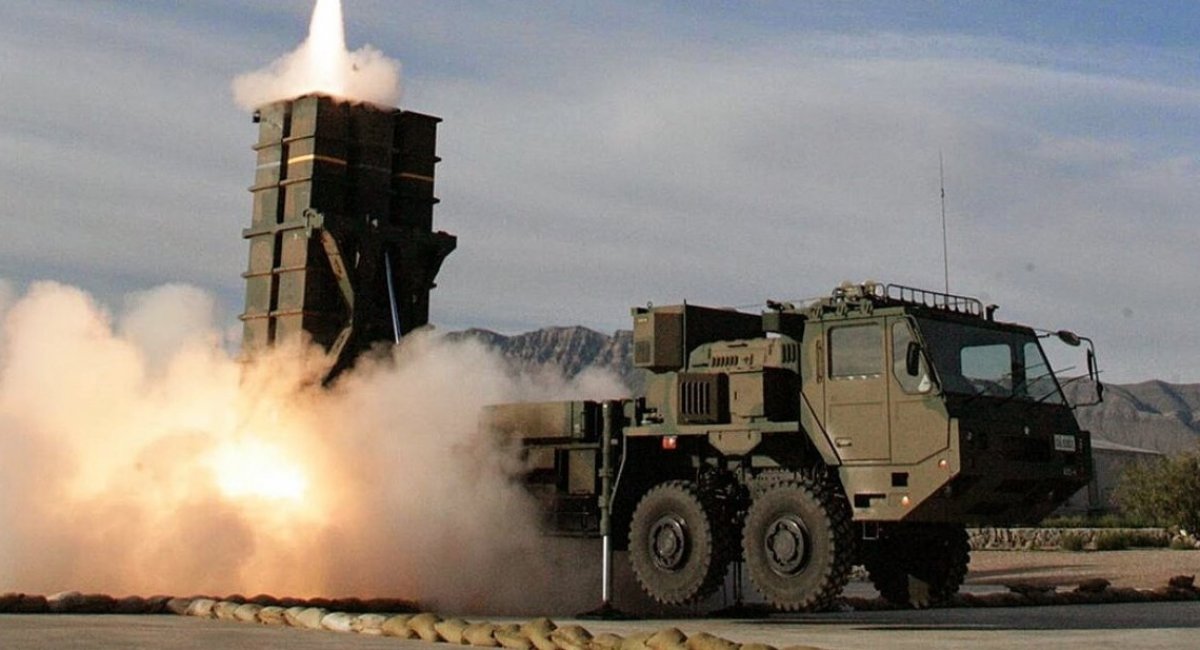
First of all, it is worth mentioning the PAC-3 MSE interceptors for the Patriot air defense system, which are in severe shortage after the wars in Ukraine and iran due to the need to counter ballistic missiles. Japan has already supplied initial batches to the United States, but now the geography may expand to other countries.
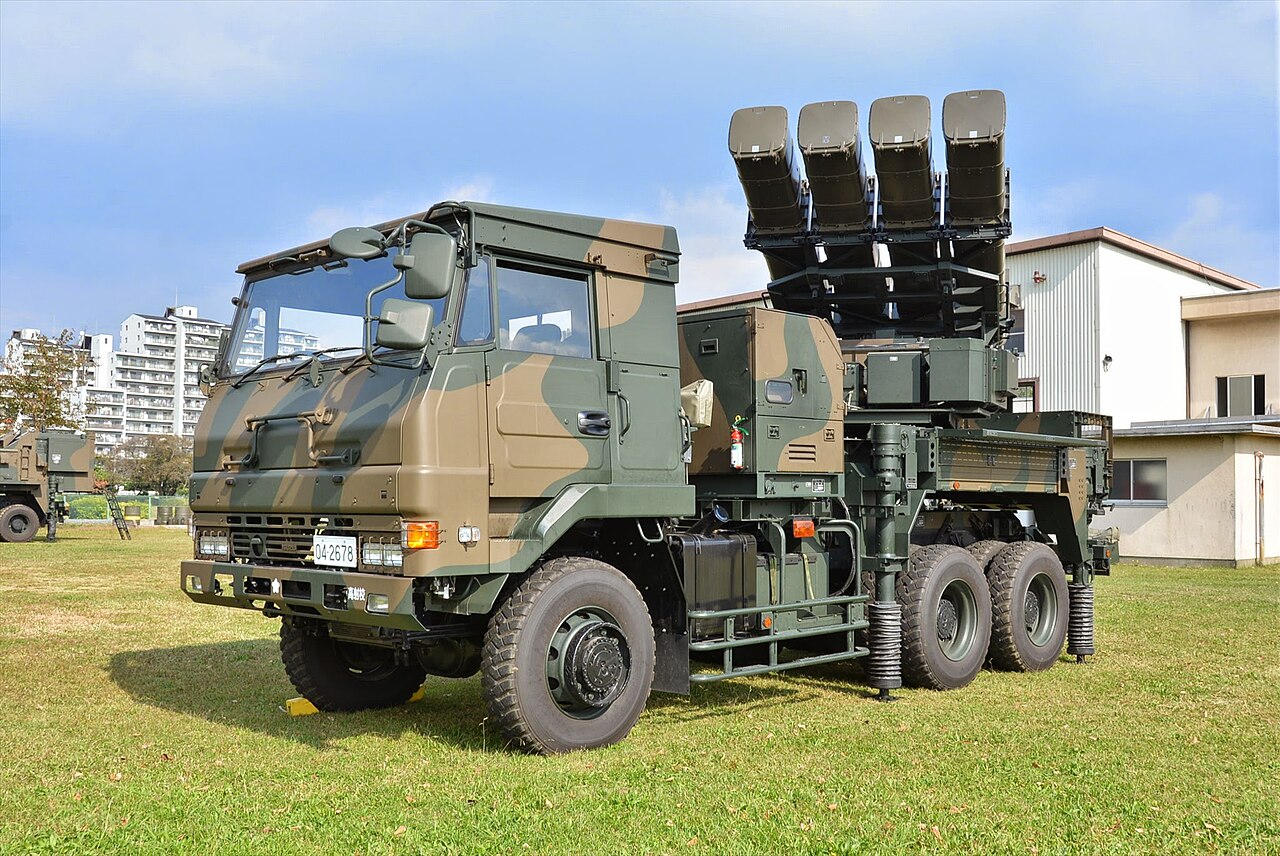
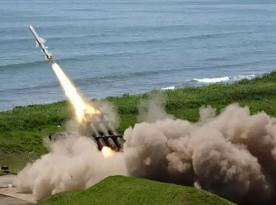
Japan also produces its own air defense systems, such as Type 11 and Type 03, which occupy the niches of short- and medium-range systems respectively. Given the overall shortage of air defense assets, they could become a востребованный product, as countries like the Philippines have already shown interest.
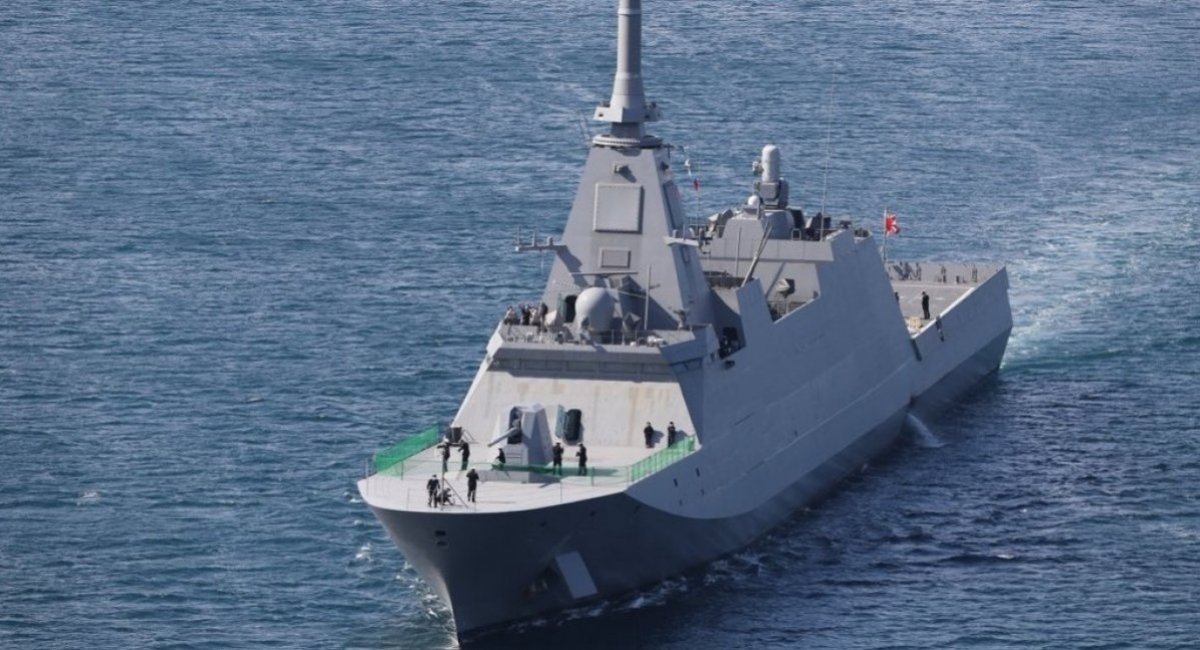
On the naval side, australia should be mentioned, as it has already ordered three Mogami-class frigates, with plans for up to eleven in total. This is the first and so far the largest deal for Japan's defense industry, demonstrating the commercial potential of relaxed export rules.
Another key project is the sixth-generation fighter under the GCAP program, which Japan is developing jointly with the United Kingdom and Italy. With full-scale funding now underway, removing export barriers is crucial to ensure all necessary supplies.
In aviation, Japan can also offer Kawasaki EC-2 SOJ electronic warfare aircraft, as well as Kawasaki P-1 maritime patrol and anti-submarine aircraft.
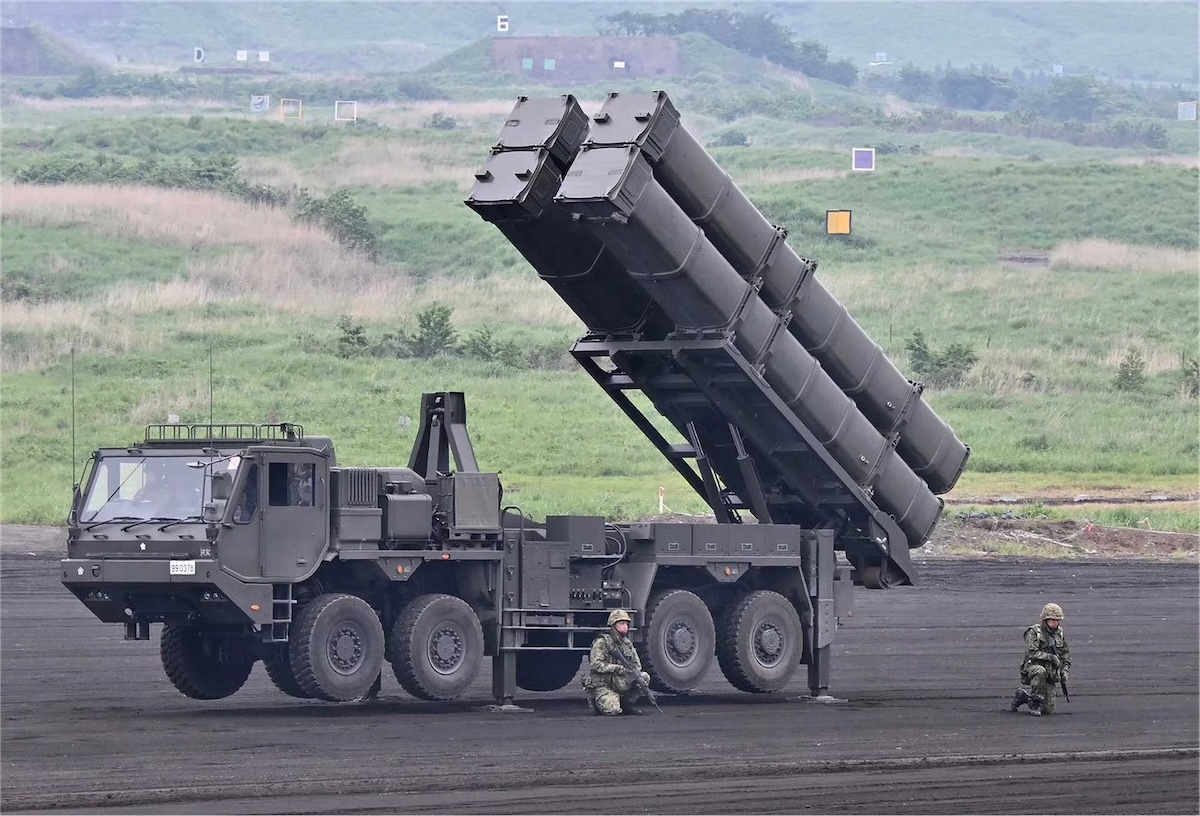
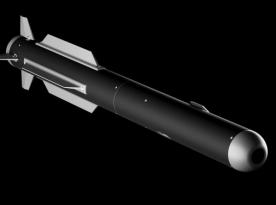
Japan also runs an extensive missile program, including low-observable and even hypersonic systems with ranges of several hundred kilometers, soon to exceed 1,000 and 2,000 km. However, Tokyo emphasizes adherence to international export rules, so such weapons may remain unavailable to foreign customers.
In terms of armored vehicles, Japan fields main battle tanks, various wheeled armored vehicles, as well as older tracked APCs and IFVs.
It also operates 155 mm towed FH-70 artillery and tracked self-propelled guns, while developing new wheeled systems. However, their export potential remains uncertain due to strong competition in these segments.
Among non-lethal products, Japan offers radar systems, notable for their distinctive cylindrical design. These systems have already been exported since 2014, including to the Philippines.
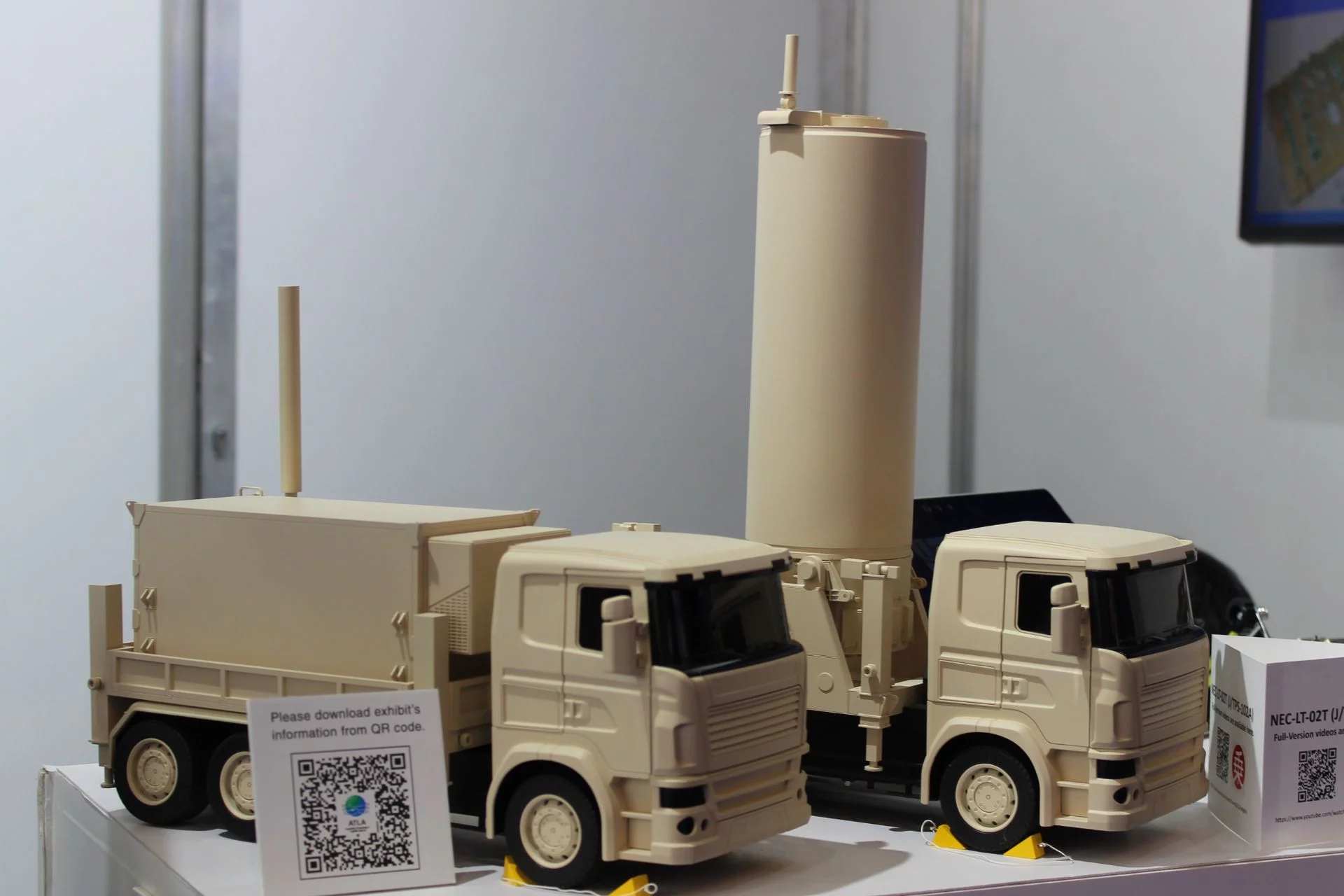
In summary, Japan can supply the global market with warships, air defense systems, aviation, and radar systems. All these segments are in solid demand, especially amid a global rearmament trend that is filling production lines.
As for Ukraine, current rules still prohibit arms exports to countries engaged in active war. However, an exception could be made in case of strategic necessity, which might be possible if a security agreement with Japan is concluded.
Read more: Does Ukraine Still Have a Chance of Receiving SAMP/T NG Earlier After Denmark Joins the Delivery Queue?