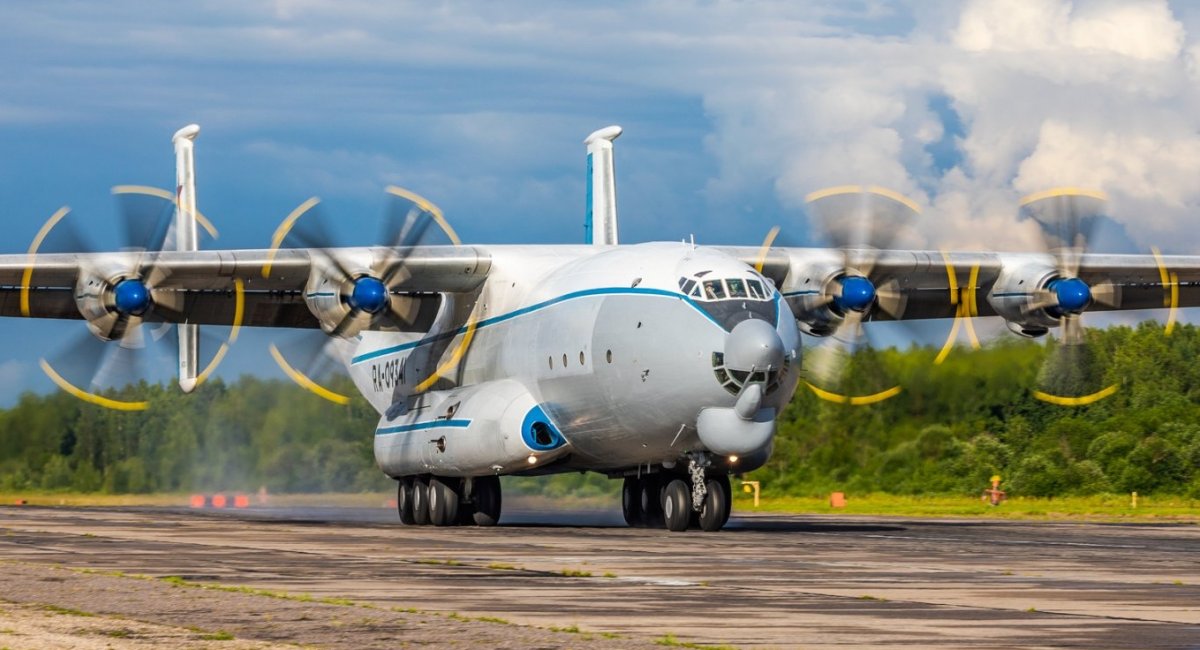
russian An-22 military transport aircraft crashed on Tuesday in Ivanovo region during a post-repair test flight, russia's Ministry of Defense confirmed. The aircraft, one of the oldest in russia's fleet, went down in a remote area shortly after takeoff. Earlier reports about the crash had already appeared in local media before the official statement.
According to the Ministry of Defense, the aircraft "fell in an uninhabited area", and a search-and-rescue team was dispatched to the crash site to determine the fate of the crew. Initial information from TASS state news agency indicates that seven people were on board at the time of the incident.
Read more: Congress Blocks U.S. Air Force Plan to Retire 162 A-10 Aircraft, Approves Only 59 for Decommissioning
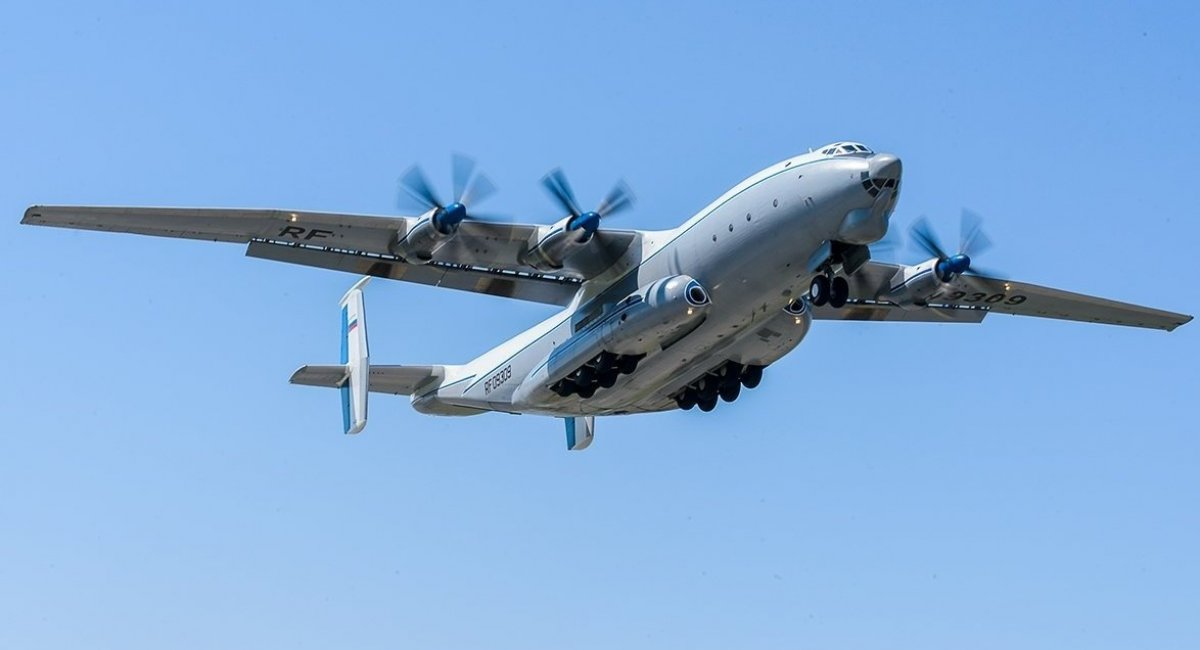
The An-22 is a Soviet-designed heavy turboprop transport aircraft that first flew in the 1960s. It remains the largest turboprop aircraft ever built and was once one of the world's biggest military transport platforms. This year marked the 60th anniversary of the type's introduction.
The crash occurred near the Uvod Reservoir, located north of the city of Ivanovo. According to TASS sources, fragments of the aircraft were discovered floating on the water. The aircraft was reportedly conducting a routine inspection flight after undergoing scheduled maintenance.
Russian Kommersant newspaper reported that the An-22 aircraft "suddenly began to break apart in the air", with sections of the fuselage falling directly into the reservoir near the village of Ivankovo. The newspaper's sources in the Ministry suggested that the aircraft had been in service for over 50 years, raising questions about structural fatigue and long-term airworthiness.
Additional unnamed ministry sources told the outlet that this particular aircraft was the last operational An-22 aircraft in russia's transport fleet. Despite its age, russia continued to use the aircraft for certain transport missions, relying on periodic overhauls to keep it airworthy.
Read more: Ukraine Forces U.S. to Reevaluate Its Approach to EW Systems and Drone Creation