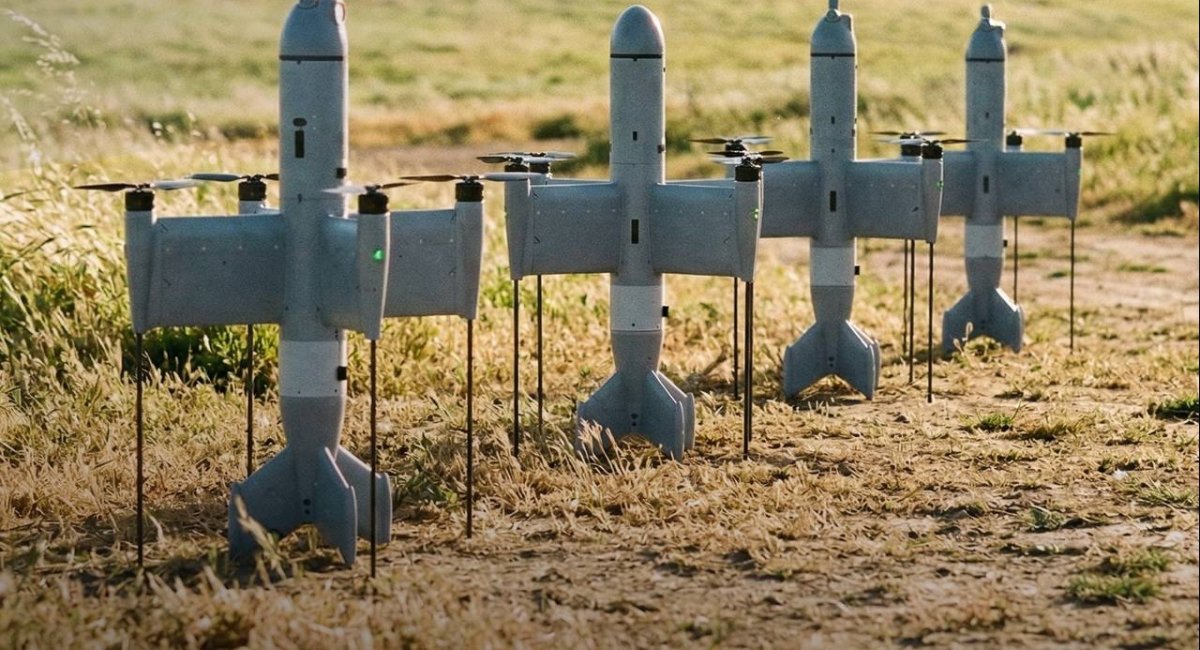
Ukraine is rapidly scaling up the serial production of interceptor drones designed to counter Iranian-made loitering munitions such as Shahed drones. The effort marks a significant step in strengthening the country's layered air defense, particularly against low-cost, mass-used aerial threats.
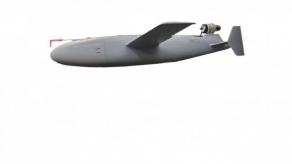
According to Mykhailo Fedorov, the Ministry of Defense has already contracted the procurement of 8,000 Octopus interceptor drones. These systems, developed internally within the Armed Forces of Ukraine, have proven their effectiveness in combat and are now entering a phase of large-scale production.
Read more: 150km-Range Thundart Created for French Armed Forces Retiring M270 LRU
Octopus drone is equipped with automatic target reacquisition capabilities, enabling it to engage aerial targets with minimal operator input. This feature is particularly critical in countering fast-moving or evasive threats, including Shahed-type drones that are often used in saturation attacks.
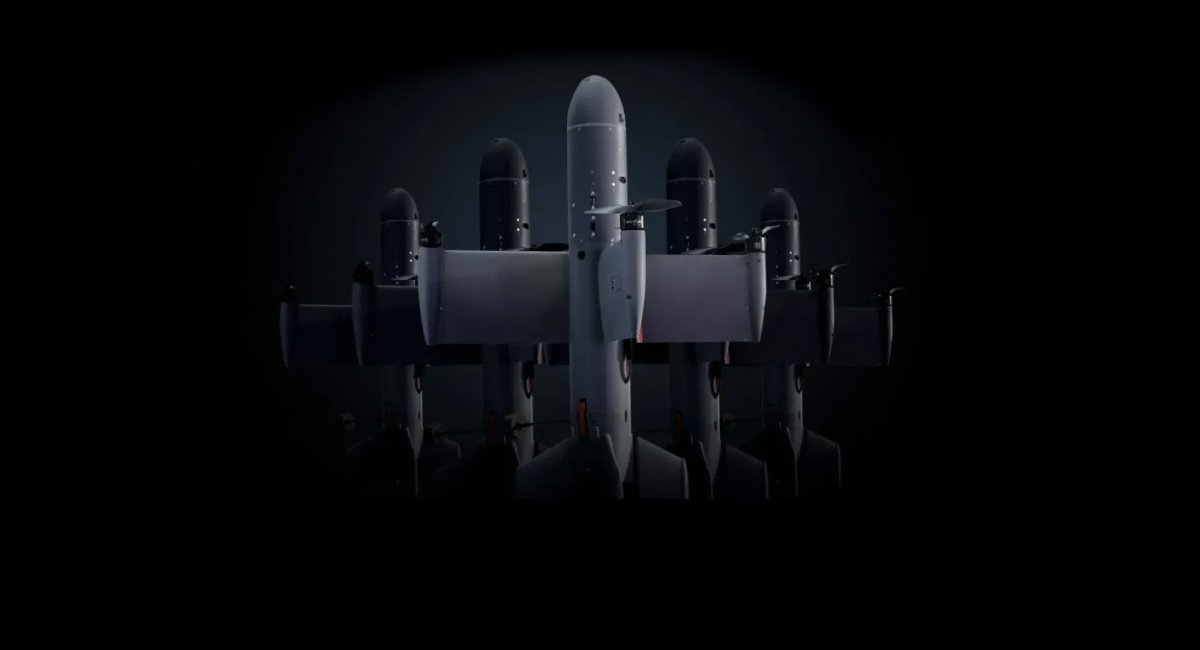
A total of 29 Ukrainian companies have joined the production effort after receiving the necessary licenses, with additional support coming from the Government of the United Kingdom. So far, four manufacturers have signed state contracts, creating a distributed production model that allows for rapid scaling while strengthening Ukraine's domestic defense industry.
A key enabler of this expansion is a government decision to open the transfer of military technologies to private manufacturers. This mechanism allows combat-proven developments to move quickly into mass production without compromising intellectual property rights, significantly accelerating the deployment cycle.
Designed specifically to counter aerial threats, Octopus system is capable of operating both day and night. It remains effective at low altitudes and is engineered to maintain performance even in contested electronic warfare environments, where signal disruption is a constant challenge.
The Ministry of Defense of Ukraine is overseeing the full cycle, from technology transfer to procurement and frontline delivery. This integrated approach ensures that operational needs are addressed quickly while simultaneously boosting the country's defense-industrial base.
Read more: Perfect Safety Record Broken: Two MQ-4C Tritons Lost or Damaged in April, Persian Gulf Becomes “Anomalous Zone”