


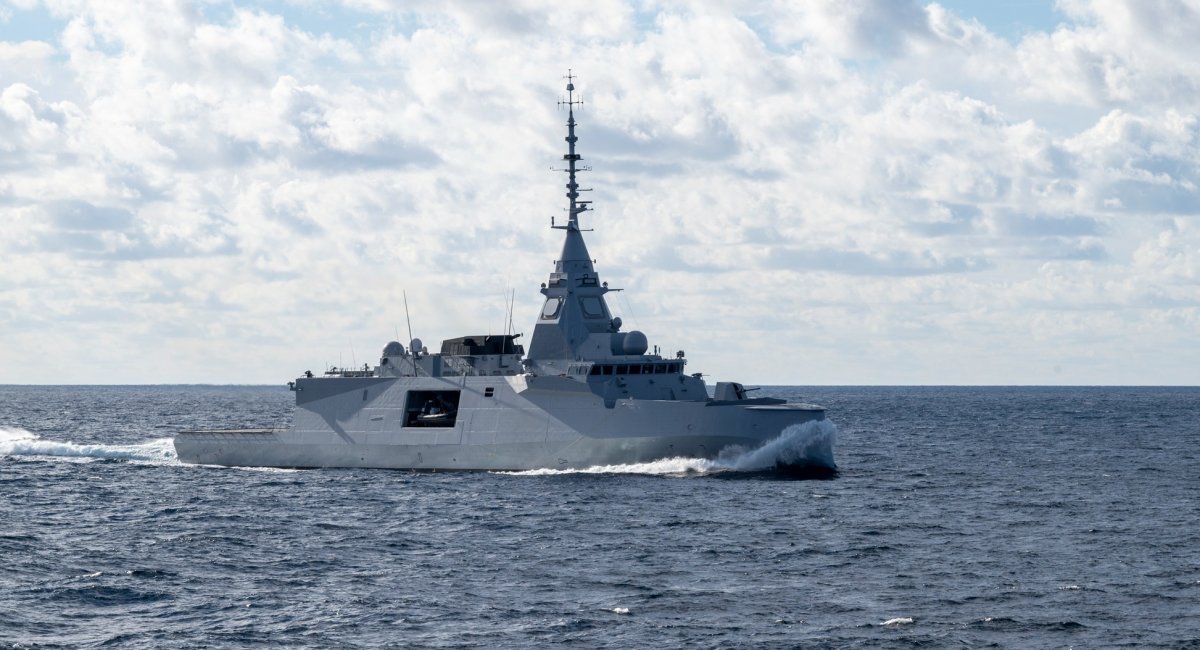
France is adapting to evolving battlefield realities and has decided to equip its new FDI frigates with dedicated counter-drone capabilities.
To address this, the vessels will receive the Neptune Majes electronic warfare (EW) system developed by MC2 Technologies. The decision was announced by the Chief of Staff of the French Navy during parliamentary hearings on defense spending.
Read more: France Pressures Greece on Mirage 2000-5 Transfer to Ukraine With Rafale Discount Deal, Athens Still Resists
"We have made a decision regarding the EW suite on our frigates, and I initiated it. The jammers we previously had were designed to counter specific threats, particularly anti-ship missiles. However, the current threat environment no longer matches those requirements," he stated, as cited by Opex360.
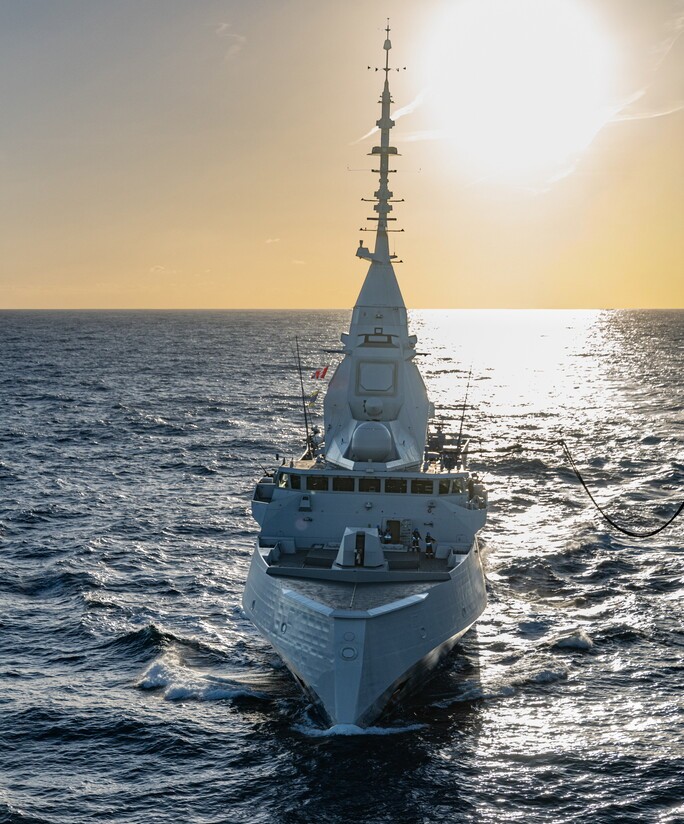
The publication notes that FDI frigates are currently equipped with a single EW system, R-ECM by Thales Group, which is designed primarily to counter radar-guided anti-ship missiles. In contrast, Neptune Majes is intended specifically to counter UAV threats.
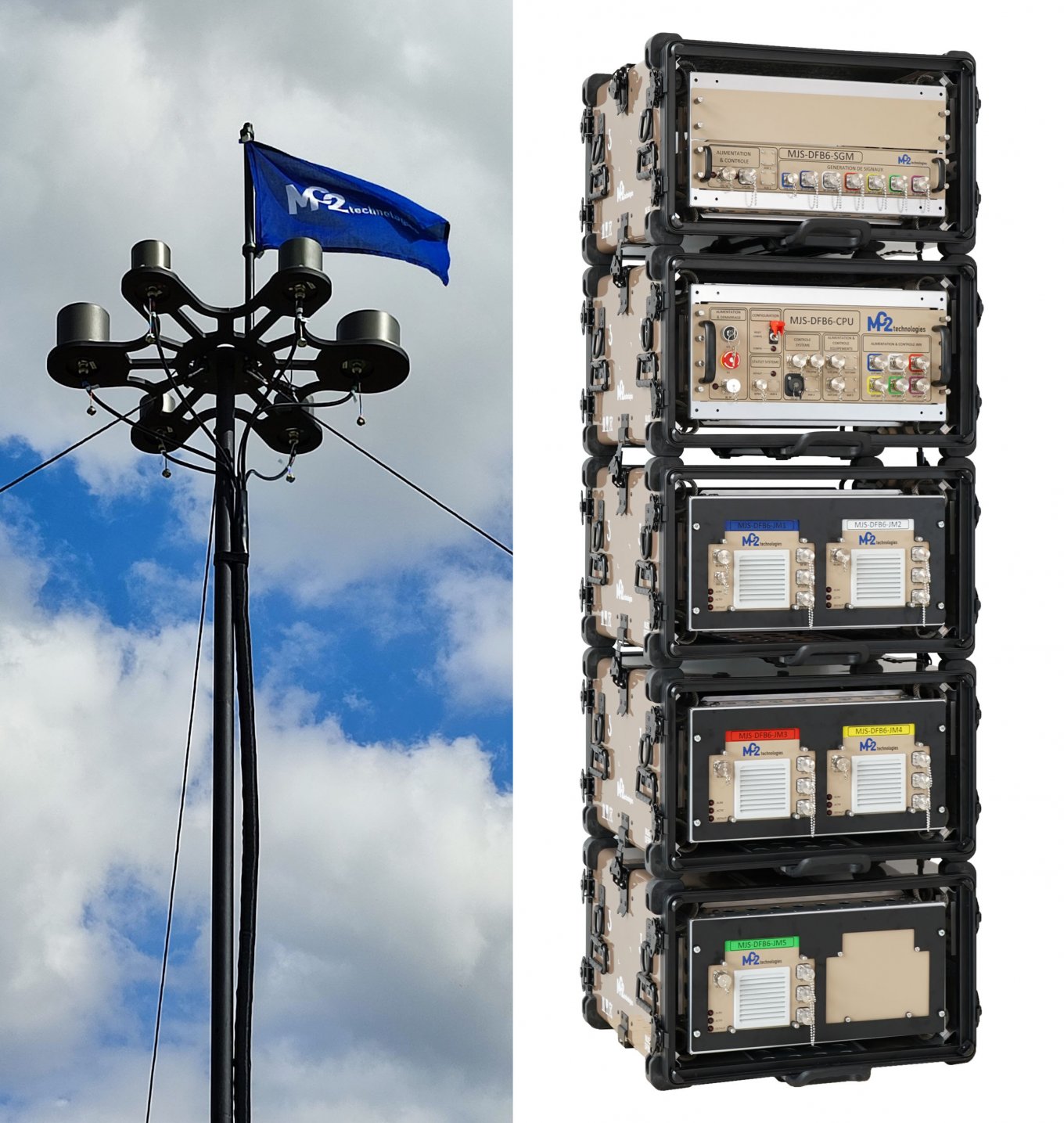
From an analytical standpoint, MC2 Technologies specializes in counter-drone solutions. Neptune Majes is likely a naval adaptation of the Majes system. While detailed specifications remain undisclosed, the company states that it features a digital modular architecture and can operate across all relevant frequency bands.
It remains unclear whether this system will be deployed on other French naval vessels, including support ships. However, protection against drone threats is equally critical for them, not only for FDI frigates. France has ordered five such ships. The L'Amiral Ronarc'h lead vessel is currently nearing the end of its trials, while the final ship is expected to enter service by 2032.
The FDI (Frégate de Défense et d’Intervention) frigates have a displacement of approximately 4,500 tons, a length of 122 meters, and a beam of 17.7 meters. Their armament includes eight Exocet MM40 Block 3 launchers with a range of up to 200 km, along with 16 vertical launch cells (increasing to 32 on the last two ships) for Aster 15 and Aster 30 missiles, integrated with the Sea Fire radar.
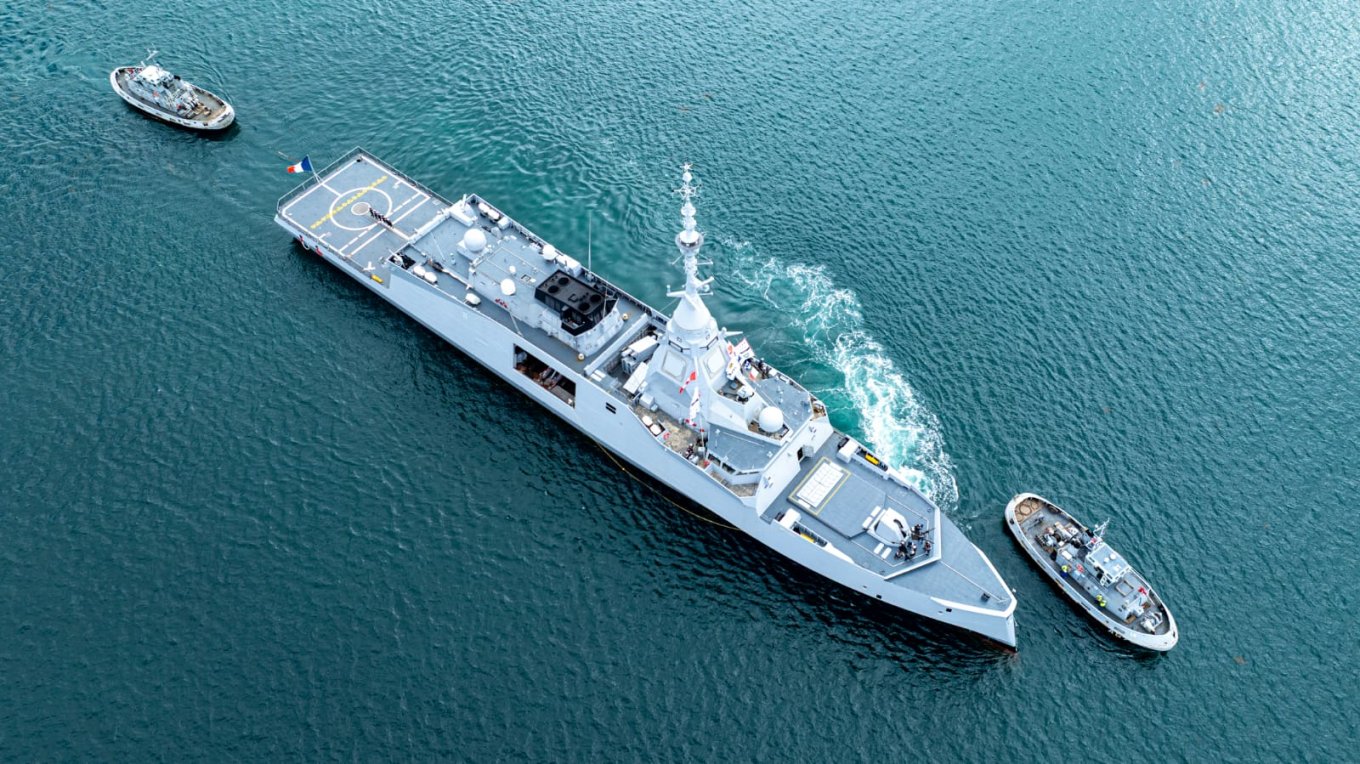
Additional armament includes twin torpedo launchers for MU90 Impact torpedoes, a 76 mm naval gun by Oto Melara, and two remotely operated combat modules with 20 mm automatic cannons. The ships can also operate an onboard NH90 helicopter. Despite this extensive equipment, the crew is limited to around 125 personnel.
A distinctive feature of the FDI design is its inverted bow, selected to reduce radar visibility.
Greece has also ordered modified versions of these frigates, while Sweden is considering them as a potential replacement for its Visby-class corvette fleet.
From the Defense Express side, we urge readers to join a fundraiser for a solution that is already proving effective: the One United Fundraiser, organized by the Serhiy Prytula Charity Foundation to support interceptor drones.

Read more: France Plans to Boost Bomb, Drone Stockpiles by 240%, 400% After Lessons From Ukraine