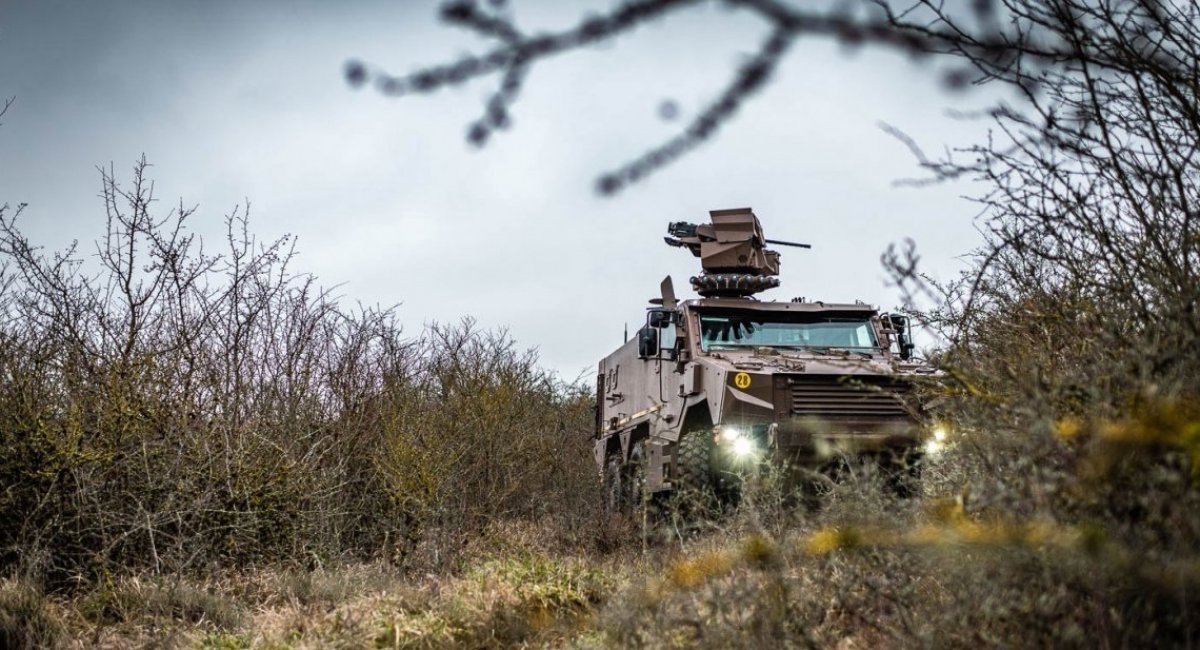
Defense company Arquus (in 2024, Belgian John Cockerill Defence announced completion of this company's acquisition process) is a major supplier of remotely controlled combat stations (RCWS) to French forces of approximately one thousand Hornet systems, the majority about 800 units are supplied to French armed forces. Now the company works to ensure this weaponry has the option to counter threats like small quadcopters.
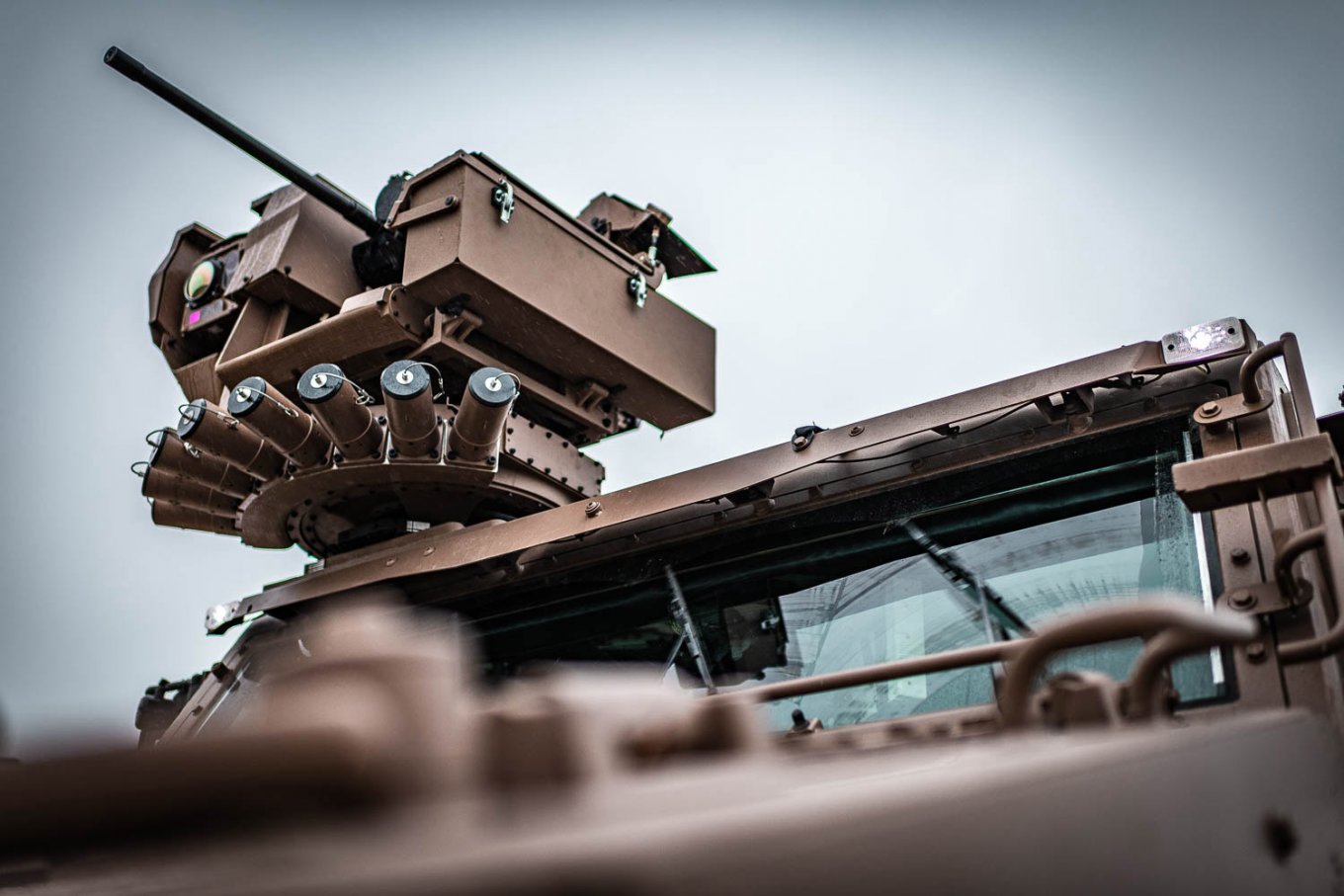
Moreover, as company CEO Emmanuel Levacher notes, this isn't about full modernization of RSWSs but modification using an adaptation kit that even operators at regiment level can install. As Forces Operations Blog writes, the improved remotely controlled combat stations received the name Hornet Air Guard. Overall, Arquus has several options to upgrade turrets for Griffon and Serval armored vehicles, including integrating META radar and MINEO optoelectronic unit.
Read more: Türkiye Proposes Bayraktar TB2/TB3 to Country With Only 3 Global Hawks, Rented Sea Guardians
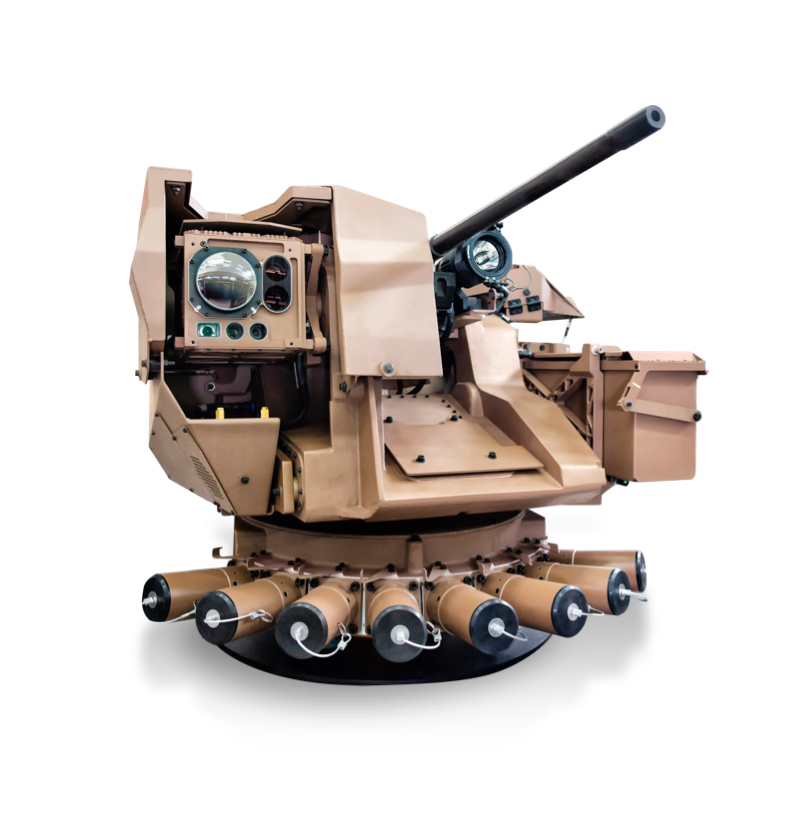
Levacher notes that over recent months the company worked on the RCWS's anti-drone capabilities using own funds. In November last year, first tests occurred the turret hit a target at several hundred meters distance with 7.62mm rounds. Overall, during trials several quadcopters were shot down, both simply in flight and at the moment of approaching the armored vehicle.
Stated drone speed was several tens of kilometers per hour, which actually isn't that much, as the same FPV drone speeds can exceed 100 km/h. Probably during next trials, the remotely controlled combat station with anti-drone capabilities will be tested in more realistic conditions. Overall, destroying one drone consumed one, two, or maximum three bursts of fire. Tests were conducted using a RCWS installed on Griffon armored vehicle.
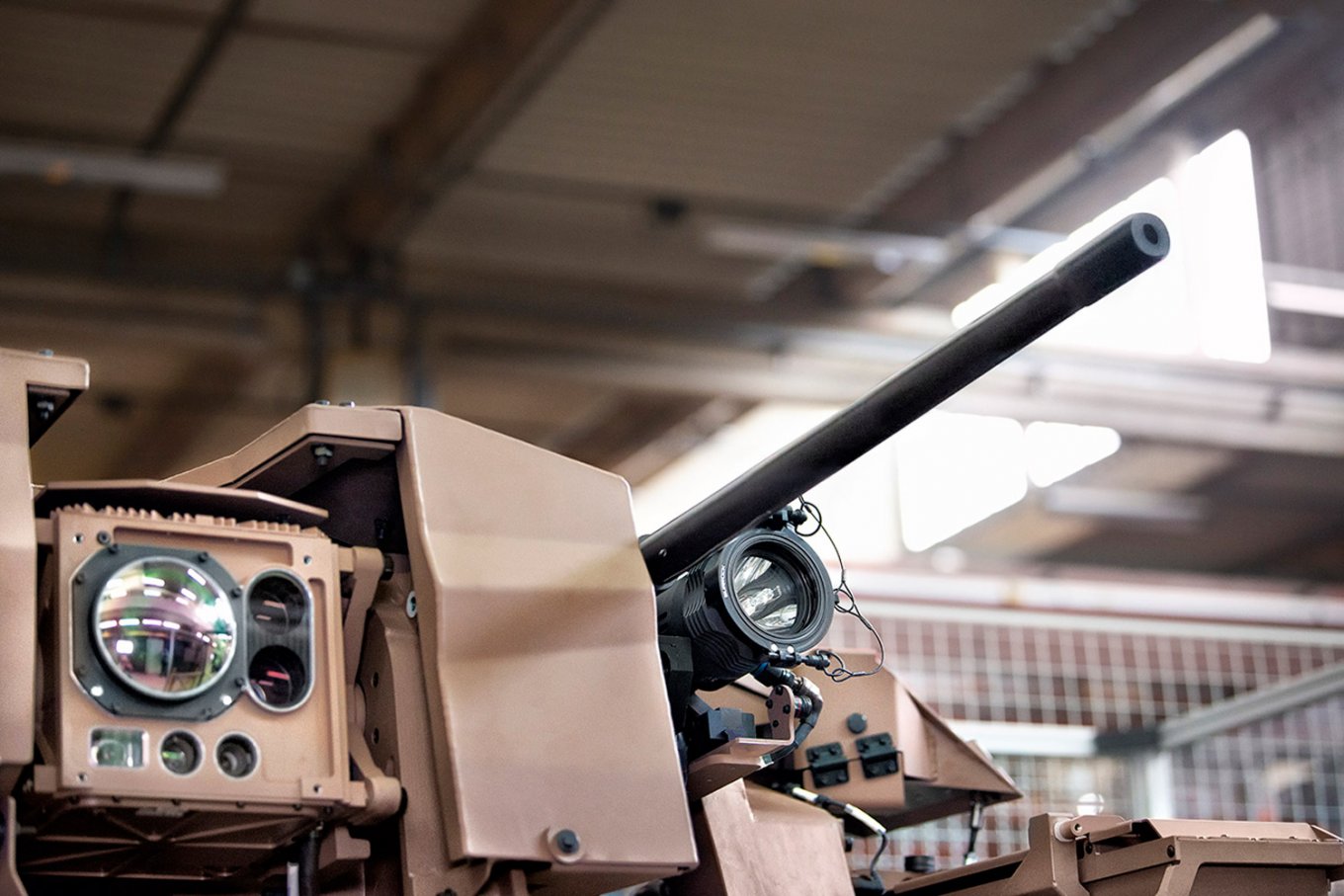
So far the development is experimental, but results are claimed promising. Preliminary assessment was also made with 12.7mm machine gun.
Currently it's known that French defense procurement agency DGA ordered five anti-drone defense systems, with spring trials scheduled to confirm system viability, primarily focusing not on threat neutralization but on detection.
Read more: Germany Snubs UK's DragonFire Laser, Rheinmetall, MBDA Building Their Own Despite Two-Year Lag