


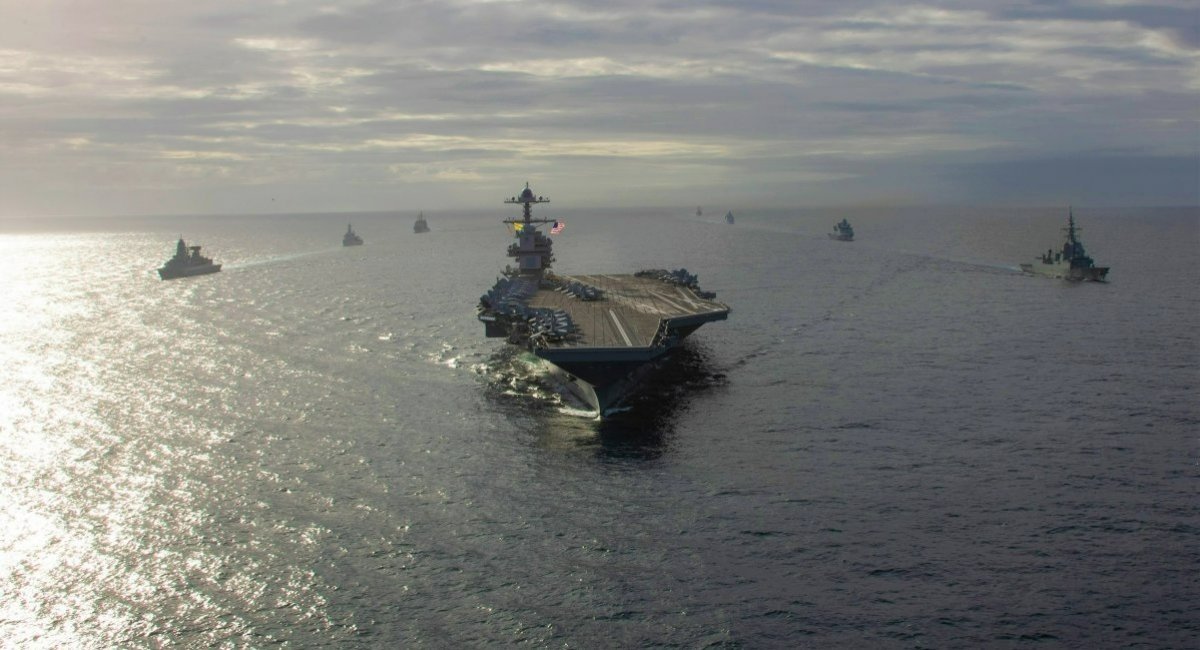
The U.S. Central Command announced that three nuclear-powered aircraft carriers are now operating in its area of responsibility: USS Abraham Lincoln (CVN-72), USS Gerald R. Ford (CVN-78), and USS George H.W. Bush (CVN-77).
Together, they carry more than 200 aircraft and over 15,000 Marines. In addition, their carrier strike groups include nine Arleigh Burke-class destroyers. At the start of Operation Epic Fury in February this year, there were only two aircraft carriers in the region: USS Abraham Lincoln and USS Gerald R. Ford.
Read more: Macron and Merz Kick FCAS Sixth-Gen Fighter Decision Back to Defense Ministers, Who Kicked It to Leaders Last Year
Having three nuclear-powered aircraft carriers deployed simultaneously in a single region is a very rare occurrence. The last time three U.S. aircraft carriers were deployed to the Middle East was in 2003 during Operation Iraqi Freedom. Although during that operation, up to five aircraft carriers were deployed in the Middle East at its peak.
The deployment of the third aircraft carrier, USS George H.W. Bush (CVN-77), near Iran—after the conclusion of Operation Epic Fury—may suggest that the United States is preparing for another operation against Iran in the near future, as peace talks between the two countries do not appear to have yielded the desired result.
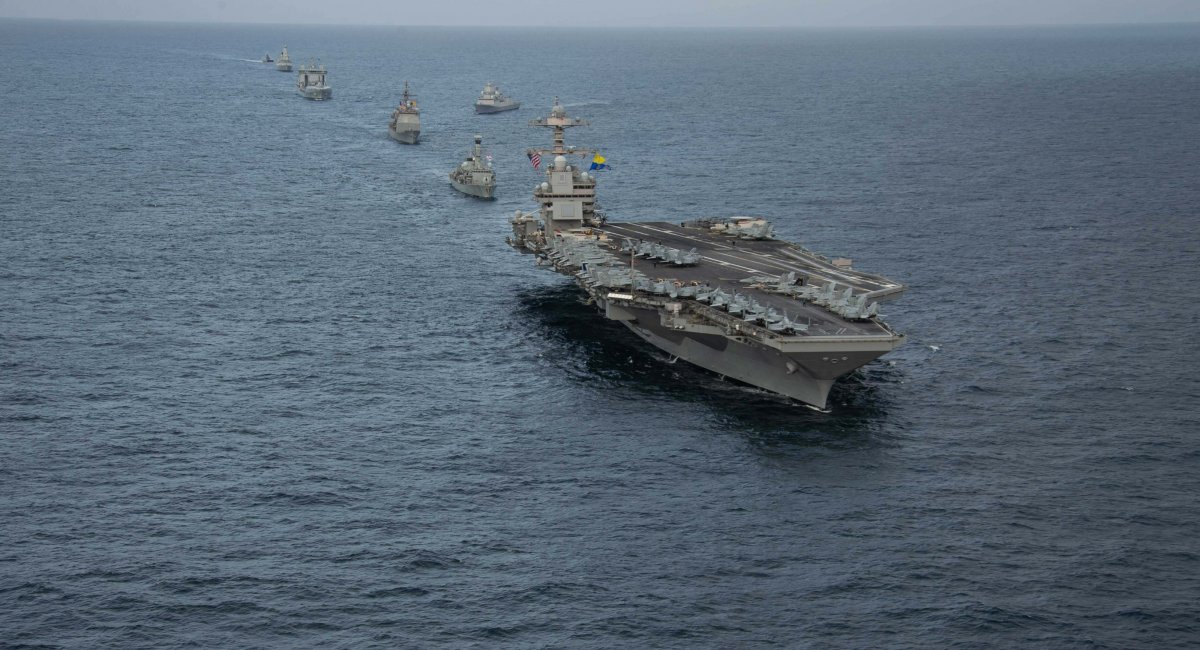
However, it is possible that the deployment of USS George H.W. Bush (CVN-77) is intended to replace USS Gerald R. Ford (CVN-78) in the region and send it for scheduled maintenance and a rest period, as its current deployment is already one of the longest on record.
If the U.S. is preparing to launch another strike against Iran, it could end in a major disaster. Although Iran has reportedly suffered significant losses from Israeli and American strikes, it still retains the capability to fight back.
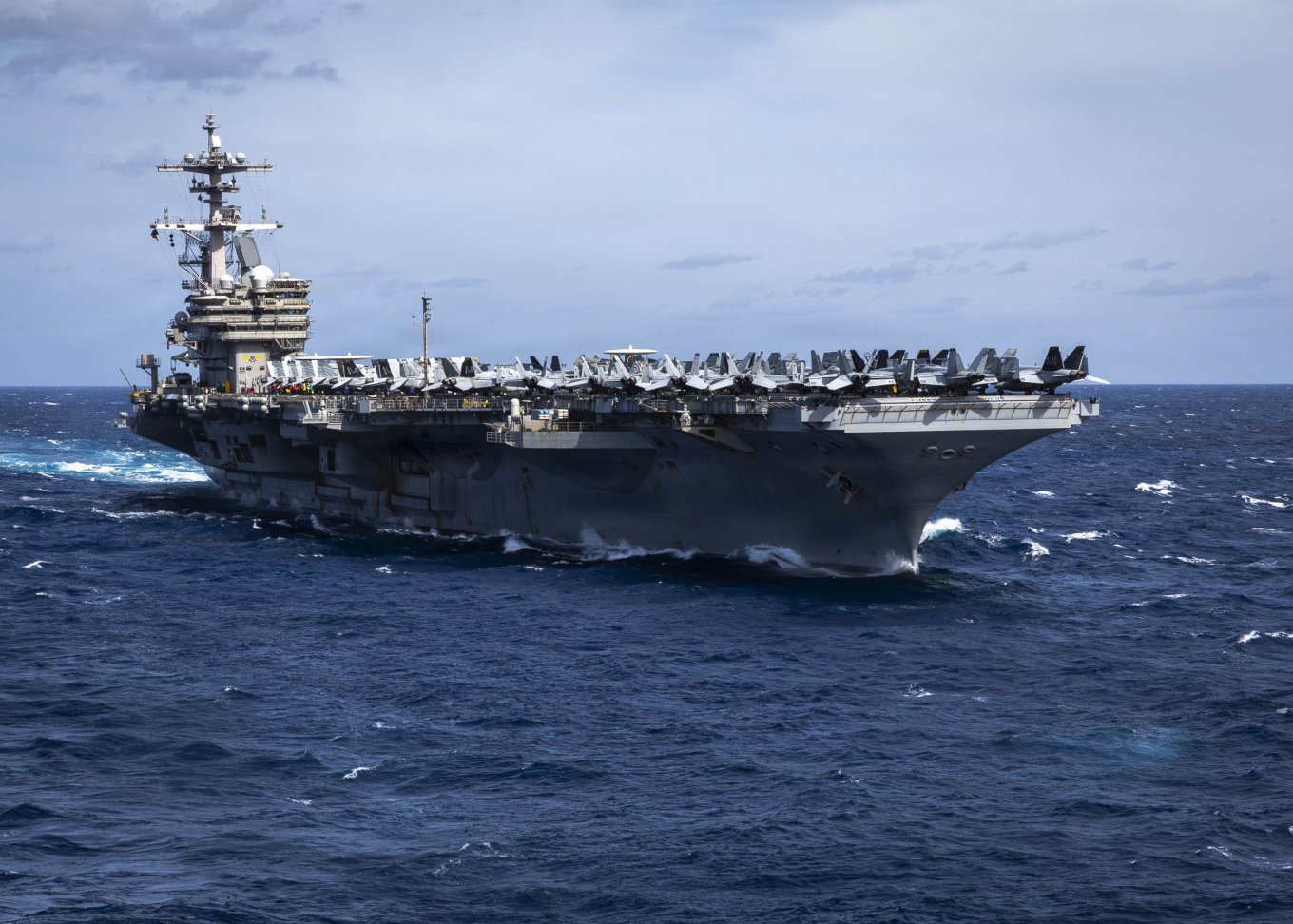
Meanwhile, the stockpiles of weapons belonging to the United States, Israel, and countries in the Middle East targeted by Iran have reportedly been significantly depleted. Conducting another massive bombing campaign against Iran risks completely depleting stocks of certain types of weapons, such as cruise missiles, anti-aircraft missiles, or guided aerial bombs.
The U.S. is already in a rather vulnerable position and is completely unprepared for a possible attack by China. However, if China were to attempt to seize Taiwan while the U.S. military is stretched thin in Iran, it may be more difficult for the United States to defend Taiwan.
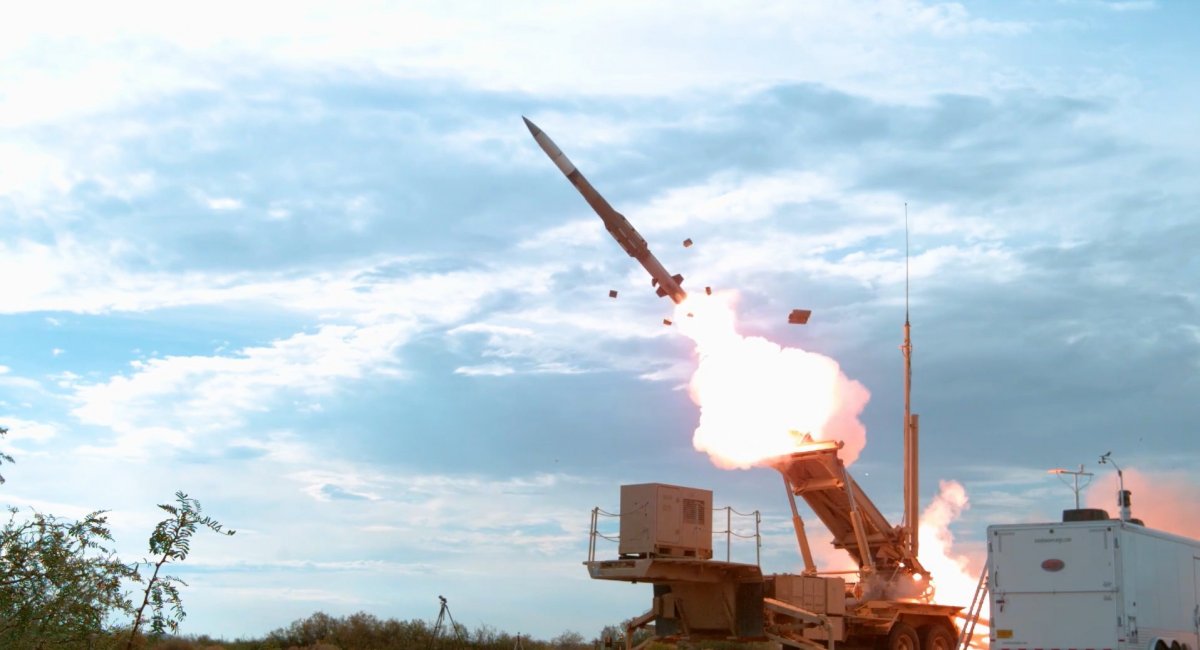
In just over a month of Operation Epic Fury, the U.S. has used 61% of its MSE missiles for the Patriot air defense system, which is no longer sufficient to fully equip all existing U.S. Patriot batteries. If missile stocks are depleted, all U.S. military bases in the region could be put at risk, including those hosting hundreds of fighter jets, aircraft, systems, and other equipment.
However, the U.S. government is likely aware of all these issues and is assessing the risks of a potential second military operation against Iran. In any event, it remains unclear what steps the United States and Iran will take next, and whether a peace agreement will ultimately be reached.
Read more: Ukraine Strikes russian Atlant Aero Drone Plant, Damages FSB Patrol Ship in Sevastopol