


Ukrainian forces continue to introduce innovative technologies aimed at maintaining battlefield initiative and reducing risks to personnel. One of the latest developments focuses on the automation of frontline logistics, an area that has become increasingly important as both sides seek to minimize exposure to enemy fire and drone surveillance.
The 7th Corps of Ukraine's Air Assault Forces is currently testing a new remote logistics solution designed to transport supplies and evacuate casualties without placing soldiers directly in harm's way. The initiative reflects a broader trend within the Ukrainian military toward the integration of unmanned and robotic systems into everyday combat operations.
Read more: From S-400 System to Rail Logistics: Ukraine Conducts Multi-Layer Drone Offensive (Video)
According to the Air Assault Forces, the robotization of logistics has become one of the corps' key priorities. Ground-based platforms capable of delivering cargo over long distances and conducting medical evacuation missions are seen as essential tools for sustaining combat effectiveness while reducing personnel losses.
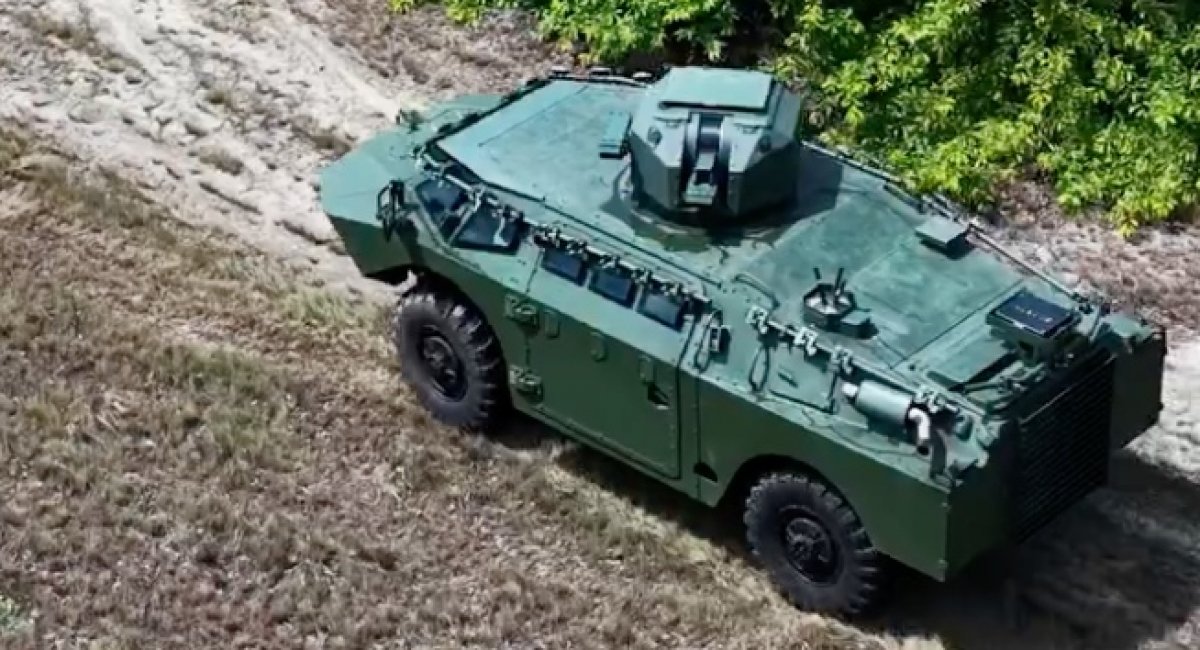
As part of the testing program, Ukrainian developers have demonstrated remote-control technologies for the BRDM-2M armored reconnaissance vehicle and the Nissan Navara off-road pickup truck. Both vehicles have been adapted to operate without a driver onboard, allowing them to perform dangerous missions in contested areas.
A notable feature of the system is its reliance on parallel communication channels. This architecture is intended to improve resistance to russian electronic warfare systems, which frequently target command-and-control links used by drones and unmanned platforms operating near the front line.
Ukrainian servicemen state that the technology complies with NATO standards and is designed to automate the safe delivery of supplies to frontline positions. Such capabilities could prove particularly valuable in sectors where traditional logistics routes are exposed to artillery fire, FPV drones, or reconnaissance assets.
The use of remotely operated ground vehicles also offers advantages beyond resupply missions. Platforms capable of evacuating wounded soldiers from hazardous areas can significantly reduce the risks faced by medical personnel and evacuation teams, especially during periods of intense combat activity.
Read more: From Helicopter to UAV: Airbus Converts H145 Into Drone Mothership and UAV Platform