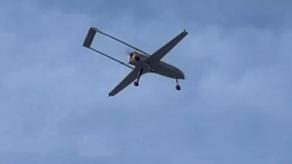
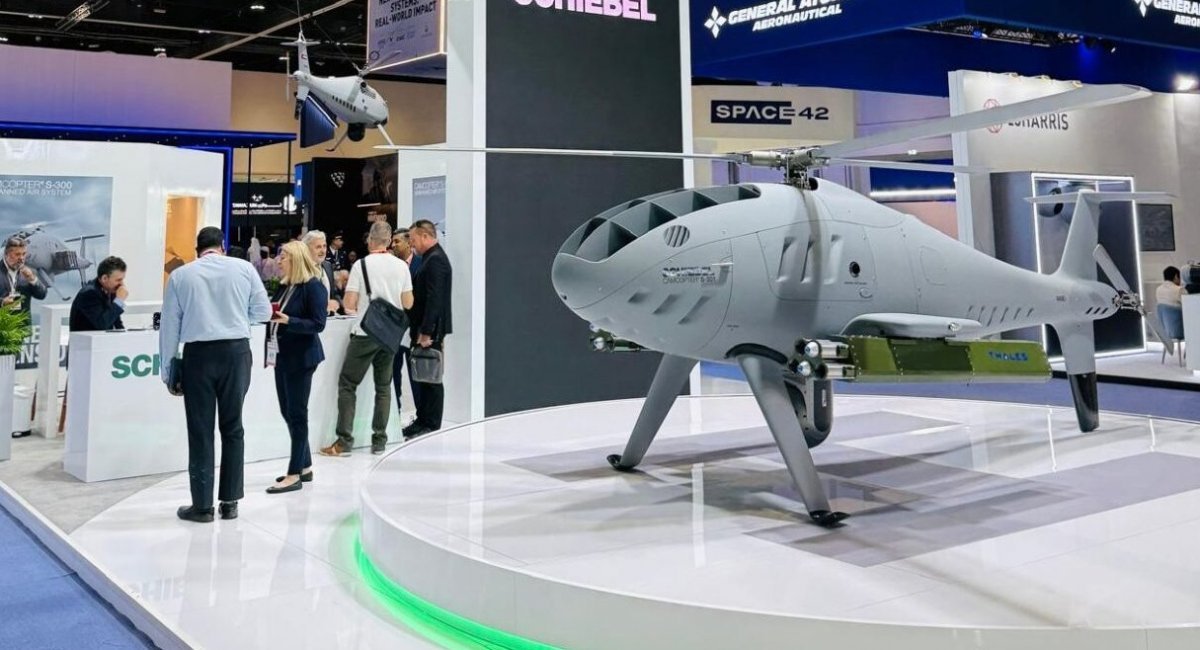
At UMEX 2026, held in Abu Dhabi, UAE, the Austrian company Schiebel unveiled its latest development, the Camcopter S-301. This vertical takeoff and landing (VTOL) drone, also described as an unmanned helicopter, has now been fitted with weapons, enabling it to perform strike missions in addition to reconnaissance tasks.
Among other features, Schiebel emphasizes that the Camcopter S-301 can, if required, operate from ships or ground vehicles. This underscores the platform’s broad operational flexibility, as reported by NextGenDefense.
Read more: Shahed With MANPADS: russia's Latest Threat Uses Brand New Verba, Mesh Modems — Here's Vulnerability
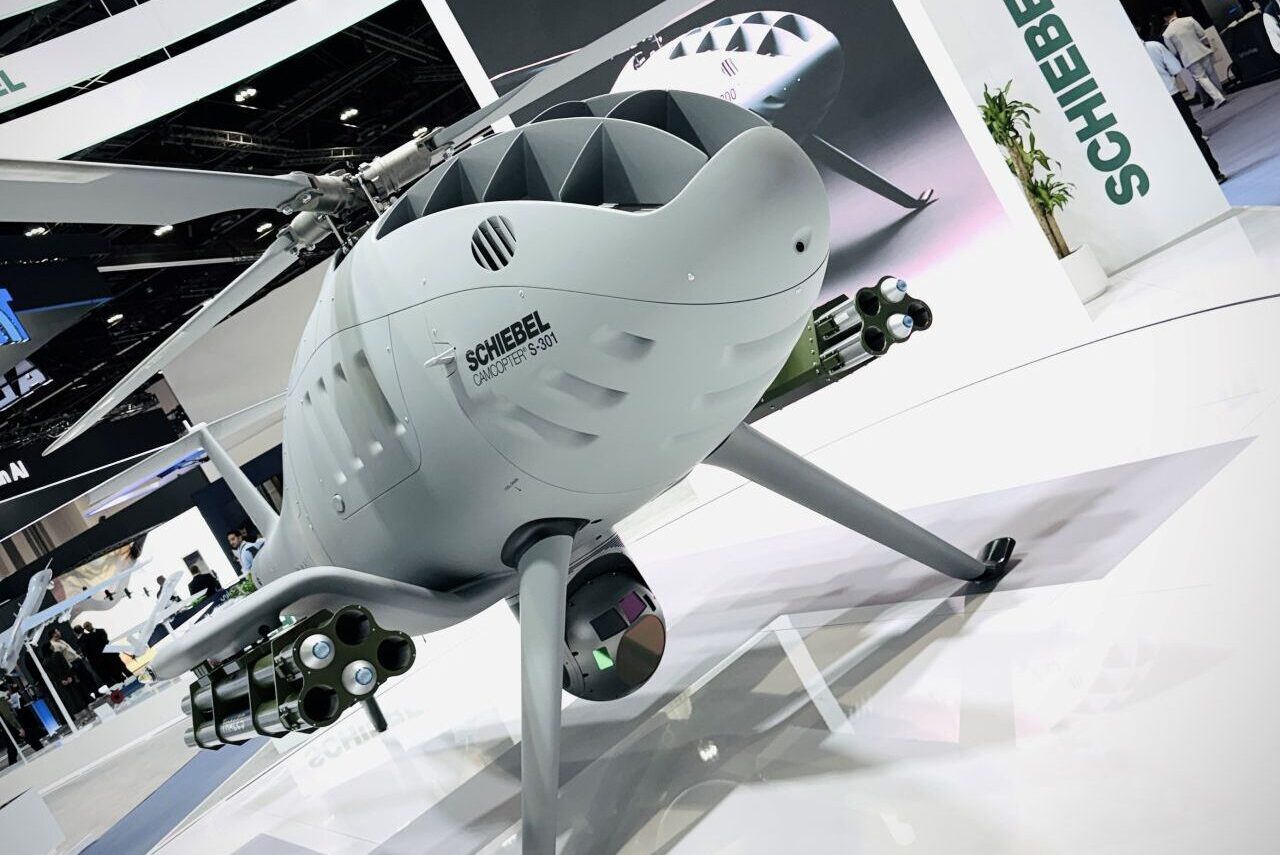
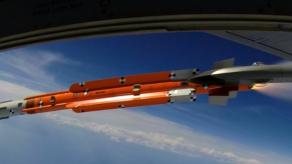
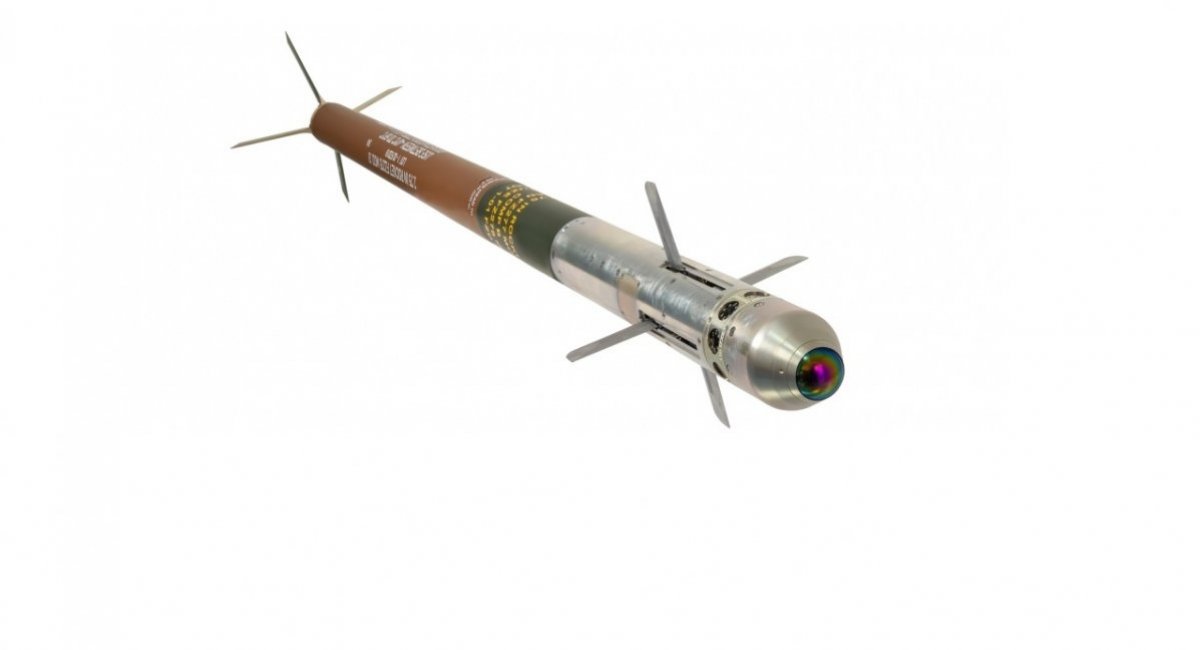
At the exhibition, the unmanned helicopter was displayed with two launch pods, each capable of carrying five FZ275 missiles manufactured by Thales.
The company also states that the Camcopter S-301 offers a high degree of autonomy, including automated takeoff and landing. It can fly along a preplanned route, be retasked during mission execution, and, if necessary, autonomously return to base.
One particularly interesting potential application of the Camcopter S-301 could be its use as an interceptor against long-range attack drones such as the Shahed or Geran. This is especially relevant given that russia has recently been experimenting with integrating R-60 air-to-air missiles as well as Verba MANPADS onto such drones.
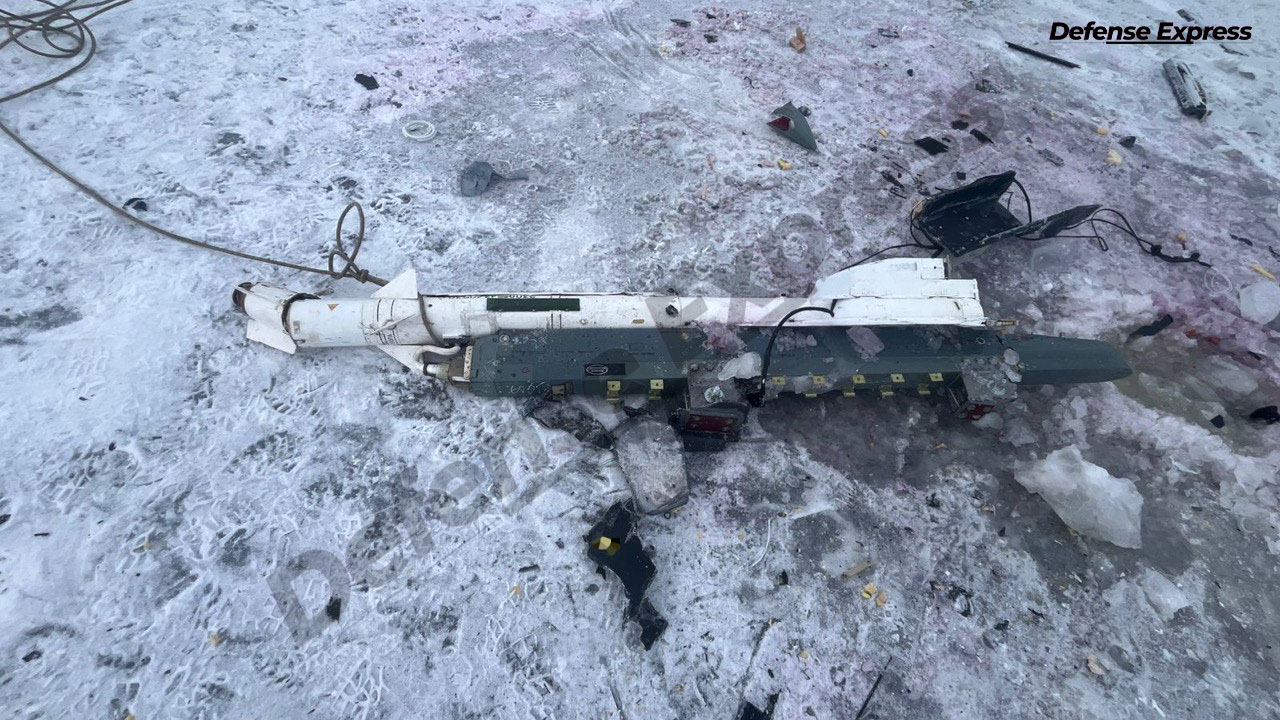
These developments significantly increase the risks faced by manned aviation, both helicopters and fighter aircraft, involved in repelling russian missile and drone attacks. In contrast, employing unmanned helicopters helps preserve the most valuable asset: the crew. At the same time, the loss of an unmanned platform, even an expensive one, is far less critical than losing a helicopter or, even more so, a fighter jet.
That said, a potential bottleneck for the Camcopter S-301 in the interceptor role could be its speed. The manufacturer does not publish speed data for this specific model on its official website. However, the earlier S-100 variant—on which the S-301 was subsequently based—has a stated maximum speed of 185 km/h and an optimal cruise speed of approximately 102 km/h. This would be insufficient even for effective engagement of propeller-driven Shahed drones, let alone jet-powered ones.
As for other performance characteristics, the Camcopter S-301 has a maximum takeoff weight of 485 kg, can carry up to 110 kg of payload, remain airborne for up to 10 hours, and operate at altitudes of up to 5,500 meters.
Regarding the FZ275 missiles used by the Camcopter S-301, it should be noted that these are semi-active laser-guided rockets (analog to APKWS), which Ukraine already employs on the battlefield against Geran/Shahed drones.
Previously, Defense Express explained why this capability could be particularly valuable for interceptor drones targeting Shahed drones over Ukraine, especially if TYTAN and Hensoldt were to combine their efforts.
Read more: New Threat to Ukrainian Aviation: russia Arms Jet-Powered Shahed, Geran-4 with R-60 Air-to-Air Missile