


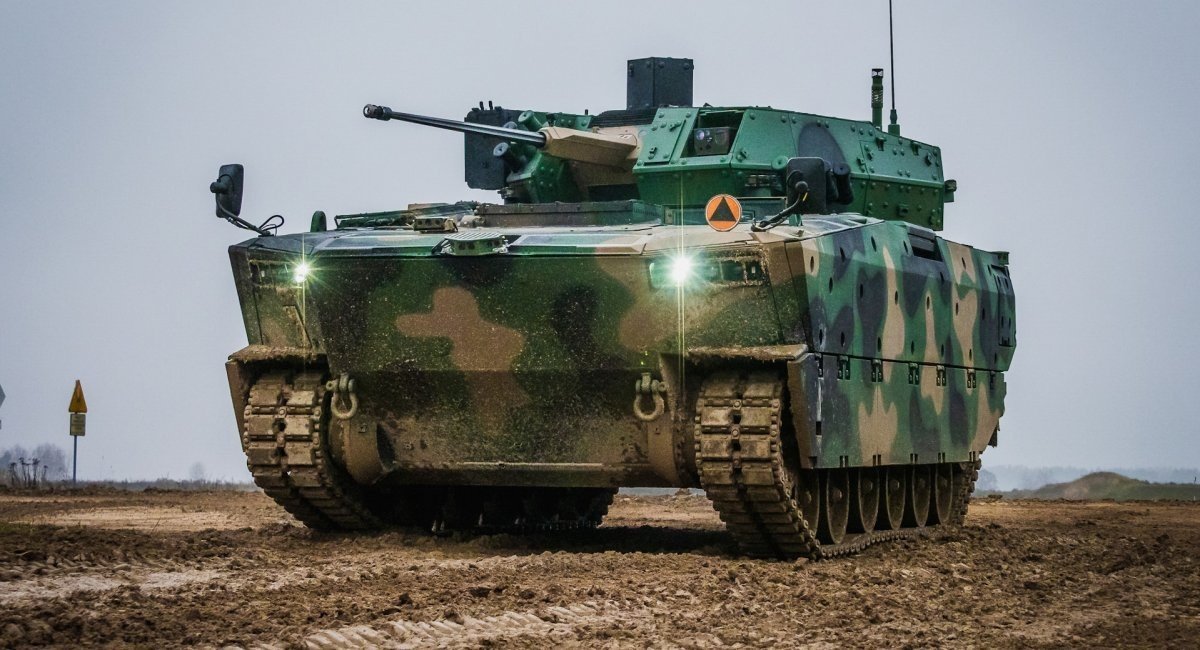
Ukraine currently needs new armored vehicles, including modern infantry fighting vehicles. Although the option is already being considered and only the question of financing remains, it is worth taking a closer look at the Polish Borsuk, a new addition to the European arsenal.
Their prospects have improved with the start of deliveries of the first serial models to the Polish Army. In terms of its characteristics, the Borsuk offers a lot to consider, along with a rather rare opportunity for Europe.
Read more: Germany Delivers First Boxer IFVs to Qatar as Ukraine's PzH 2000 Exchange Begins
According to official statements, the Borsuk features armor protection, rated at Level 4 on the front and Level 3 on the sides and rear, according to the STANAG 4569 standard. This provides protection against large-caliber 14.5 mm rounds at the front and armor-piercing 7.62 mm rounds on the sides and rear.
This level is comparable to older variants of several European IFVs but falls short of the latest models, such as the KF41 Lynx and K21, which can withstand up to 30 mm rounds at the front and 14.5 mm on the sides. Theoretically, the Polish design could be equipped with additional armor modules, although this has not yet been officially announced; if implemented, it would likely become its main advantage.
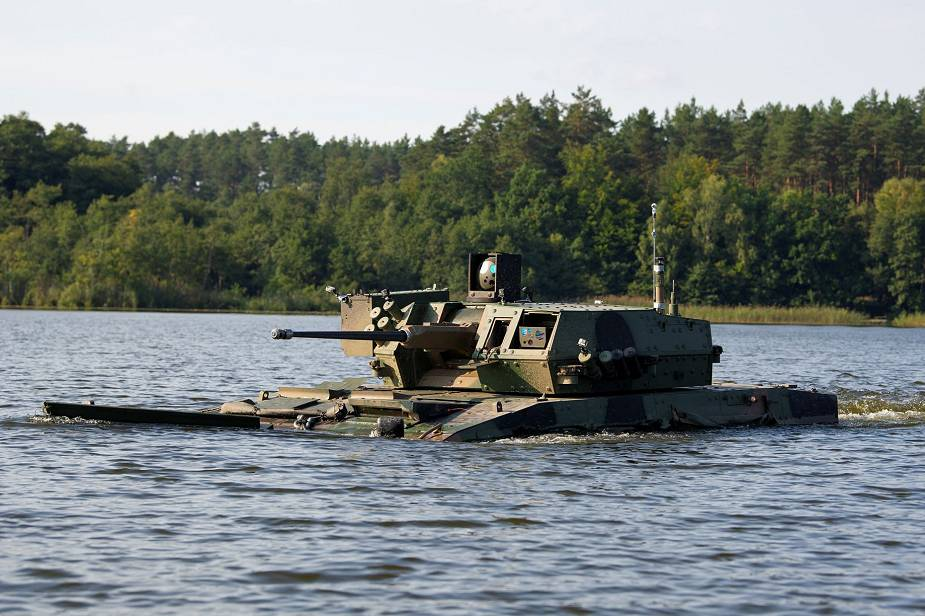
The Borsuk is capable of operating in water, allowing it to cross obstacles such as lakes and rivers, and even conduct amphibious landing operations. No additional training is required for this, and movement is provided by two water jets with rotating nozzles.
On the one hand, this makes the vehicle more attractive to countries with specific needs, such as those with extensive river networks or island territories. On the other hand, this limits the vehicle's weight and, consequently, any additional upgrades, as a combat weight of 28 tons is close to the 30-ton maximum for amphibious capability.
Reduced weight can also be an advantage for mobility, as it simplifies logistics and allows access to more locations. For instance, this is particularly beneficial in mountainous regions, where equipment mobility is often limited.
However, the ability to overcome water obstacles in continental Europe, where Ukraine is located, is not so important, especially given the experience of the russian-Ukrainian war. Establishing additional protection may be far more important.
On the other hand, the Borsuk could be suitable for equipping Ukrainian marines, who have previously faced difficulties in obtaining amphibious armored vehicles. However, the question of how feasible it would be to procure a separate batch of vehicles for this purpose remains unresolved.
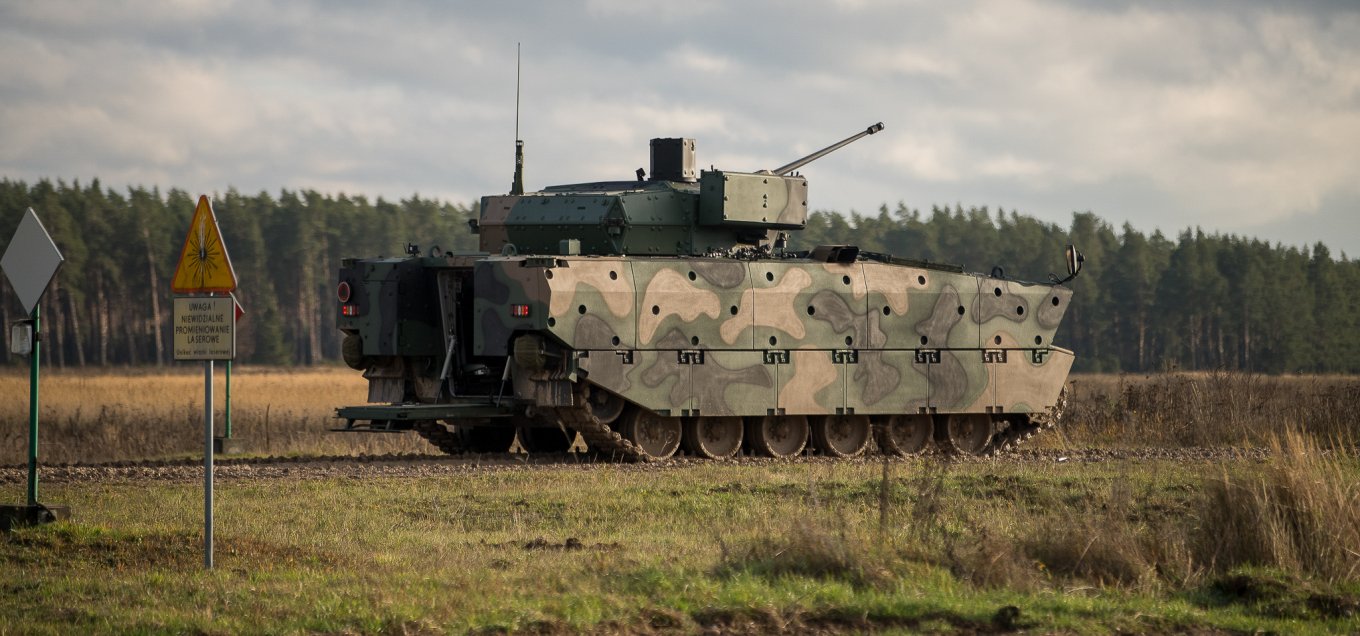
In terms of armament, the Polish vehicle is equipped with a ZSSW-30 remote-controlled turret developed by the local industry. It is mounted with a 30 mm Mk 44 Bushmaster II chain gun, a 7.62 mm UKM-2000C machine gun, as well as two Israeli Spike-LR anti-tank guided missiles in a launch container. The latter could pose political obstacles to sales to Ukraine, so an alternative solution may be needed.
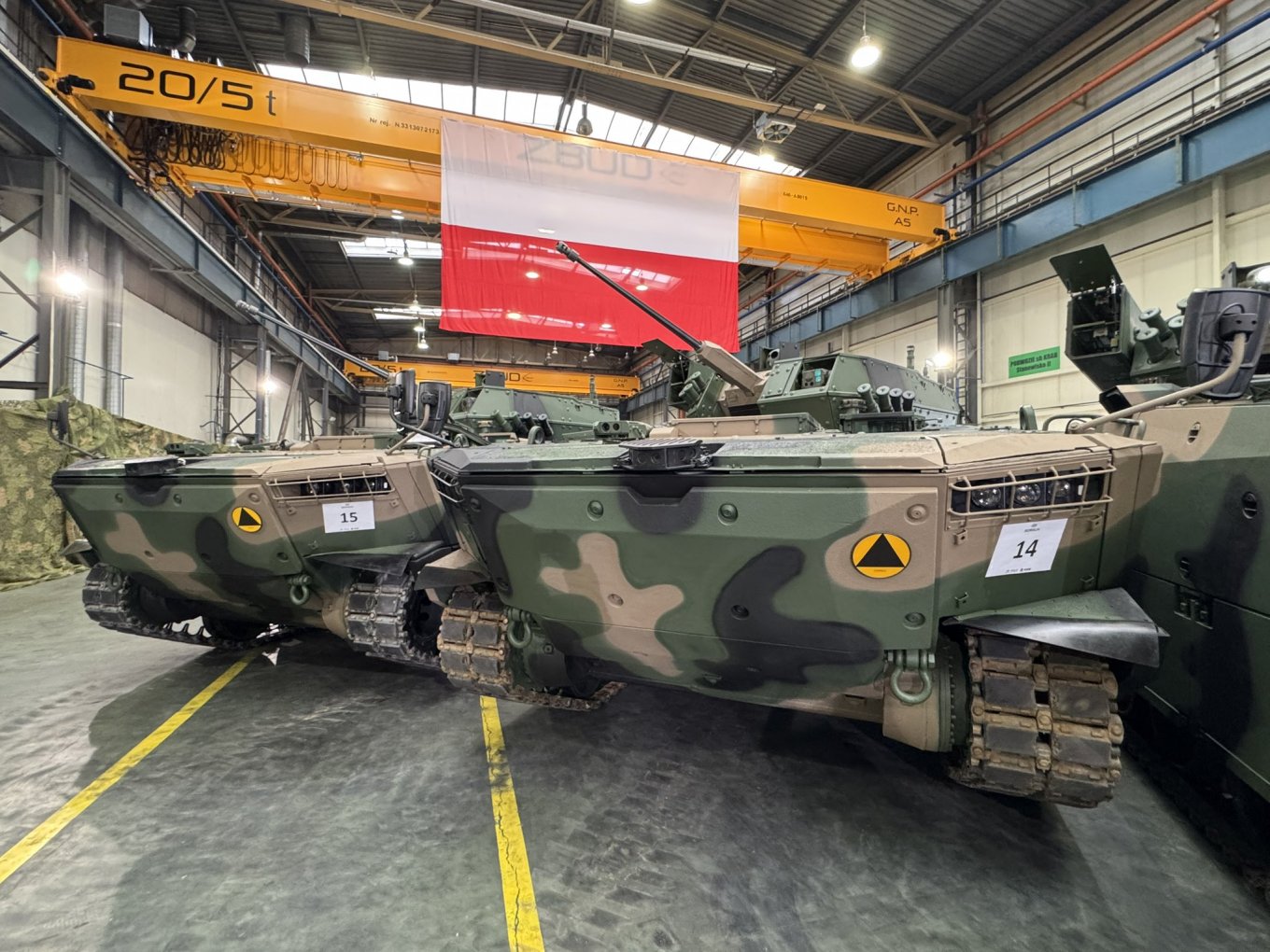
So far, the Borsuk appears to be a somewhat niche IFV that could be adopted by the Ukrainian Armed Forces, but its main advantage is not substantial enough to surpass its competitors. However, proximity to Poland and potential industrial cooperation—including localization and integration into the supply chain—could be advantageous.
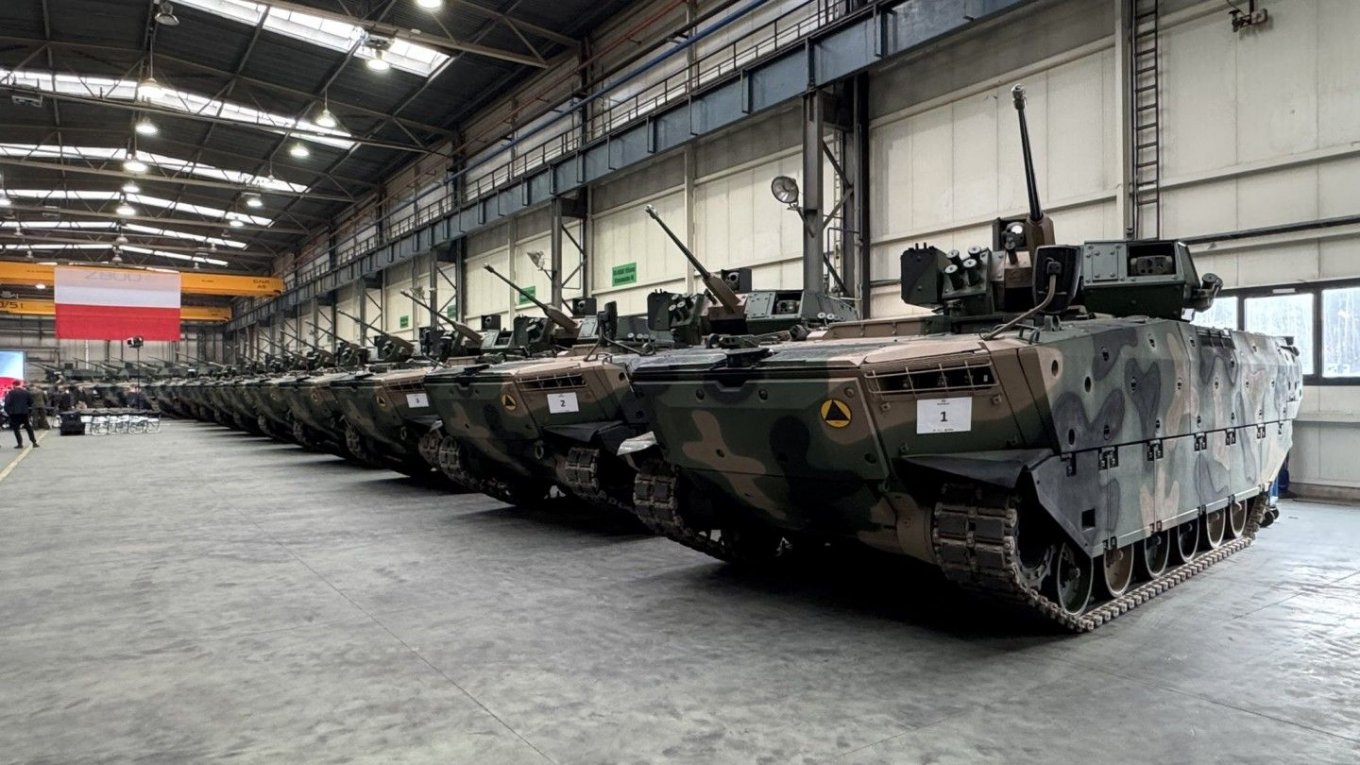
Now, it is worth noting the biggest problem: the Borsuk only entered full-scale serial production this year. As a result, the production rate is very low, with only around 100 vehicles produced over three years, while the CV90 is scaling up to 250 and then 350 units per year.
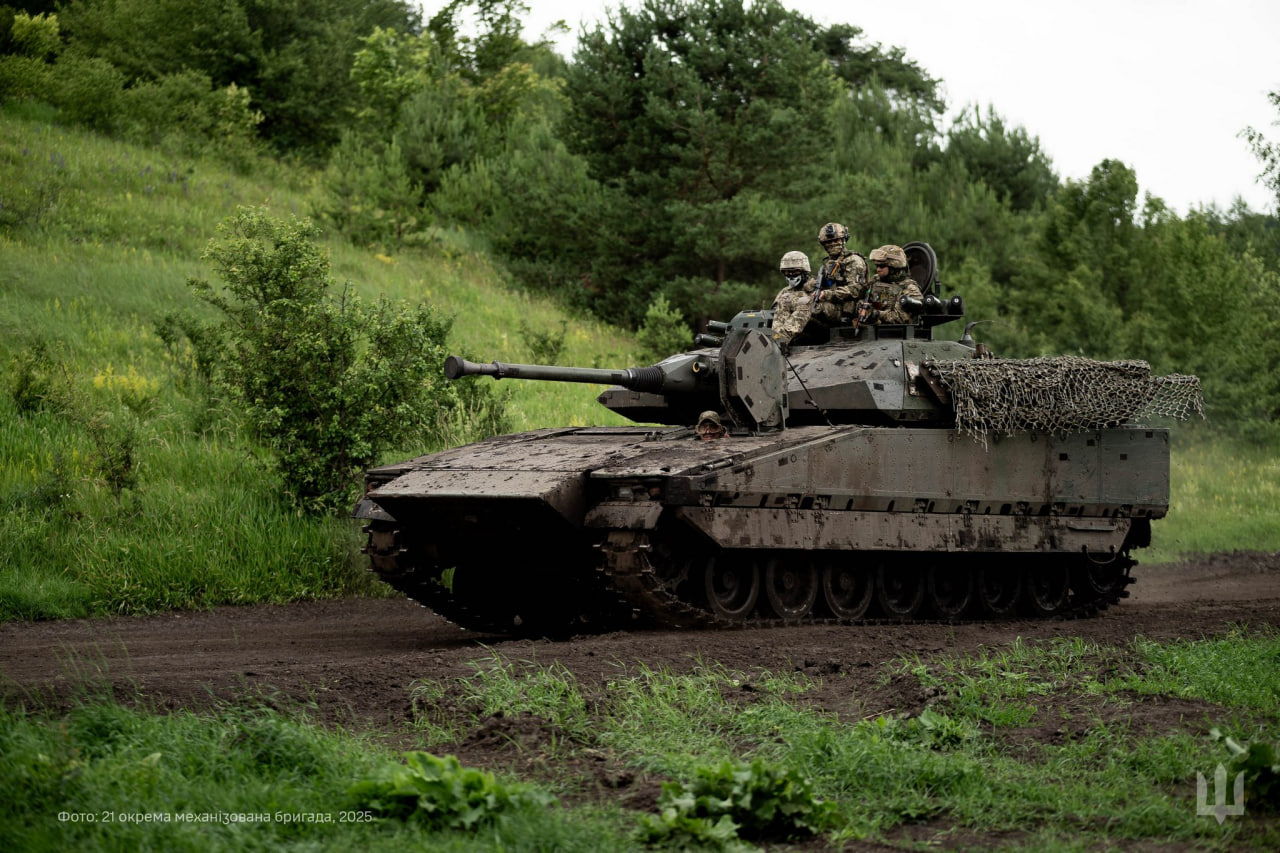
Moreover, currently, the Polish IFV costs €16 million per unit, which is more expensive than all other European counterparts. For example, the Spanish ASCOD costs only €8.8–9.2 million, while the Rheinmetall Lynx is priced at €10–12 million.
It is clear why Poland is investing such funds: for the country, this means developing its own defense industry and achieving a certain degree of independence from other nations. However, Ukraine may have better options that are both more cost-effective and better suited to its needs.
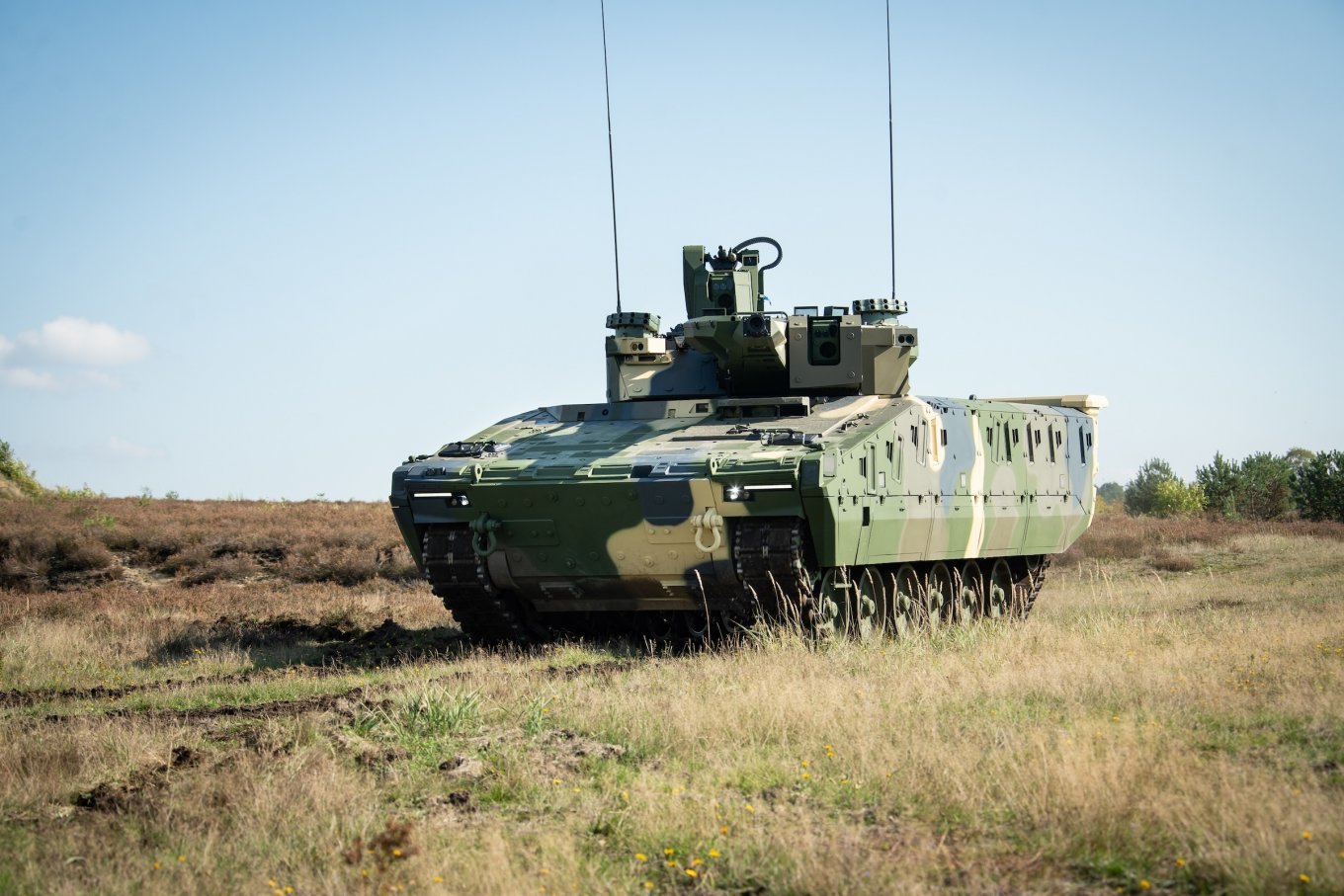
From a practical standpoint, Ukraine currently lacks the funds to purchase IFVs independently and must rely entirely on assistance from its partners. Even Germany has not yet decided to finance the Lynx, let alone Poland, which lacks such financial resources of its own.
So, considering the delivery pace, cost, and available alternatives, the Borsuk appears to be an impractical choice for the Armed Forces of Ukraine. This does not mean that the vehicle is inadequate; on the contrary, it may be among the best in its class, but for now, it has little chance of being procured by Ukraine.
Read more: Europe's Most Expensive IFV Borsuk's $16M Price Tag Buys More Than Armor